

- Englist



Understanding Global Petcock Coal Price Trends and Market Dynamics

Understanding Petcock Coal Price Trends in Global Trade
Petcock coal, a crucial component in various industrial applications, particularly in the metallurgical sector, experiences fluctuating price points dictated by global supply, demand, and geopolitical factors. Understanding these price dynamics is vital for businesses involved in international trade, especially those sourcing from or supplying to regions like China, India, and Europe. NL Graphite provides a reliable supply of high-quality graphite crucial for metallurgical processes, offering insights into the interconnectedness of these raw material markets. Navigating these complexities requires continuous monitoring and strategic planning.
Factors Influencing Petcock Coal Price
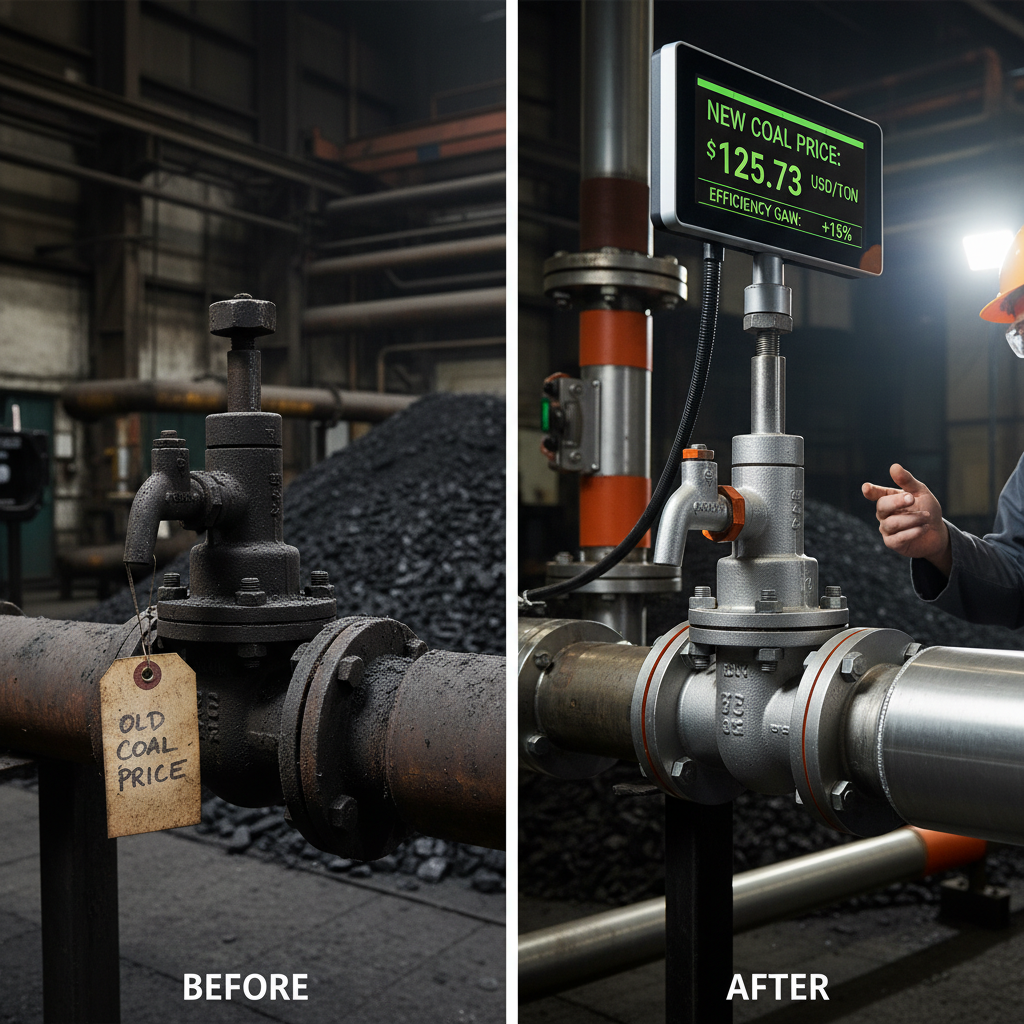
Several key factors contribute to the fluctuating price of petcock coal. Global steel production is a primary driver, as petcock coal is essential in the coke-making process for steel manufacturing. Demand surges from countries undergoing rapid infrastructure development, such as India, often lead to price increases. Supply disruptions, caused by mining accidents, logistical bottlenecks, or government regulations, can also significantly impact prices. Furthermore, currency exchange rates and freight costs play a crucial role in the final landed price for importers. Economic conditions in major steel-producing nations and the availability of alternative energy sources also influence long-term price trends.
Key Influencers: Global steel demand, supply chain disruptions, currency fluctuations, freight costs, and geopolitical events.
Petcock Coal Price: Regional Variations
Petcock coal prices can vary significantly depending on the region. Prices in Australia, a major exporter, are often benchmarked and used as a reference point. Chinese domestic coal prices can also have a significant impact on the global market, as China is the world’s largest consumer. Prices in Europe are influenced by factors such as import tariffs, transportation costs, and the availability of alternative sources. Understanding these regional differences is crucial for optimizing sourcing strategies and mitigating price risks. NL Graphite's expertise in material sourcing provides valuable insight into optimizing supply chains for related industrial materials.
Regional Price Factors:
• Australian benchmark pricing
• Chinese domestic market influence
• European tariffs and transportation costs
• Supply and demand dynamics within each region
Historical Petcock Coal Price Trends
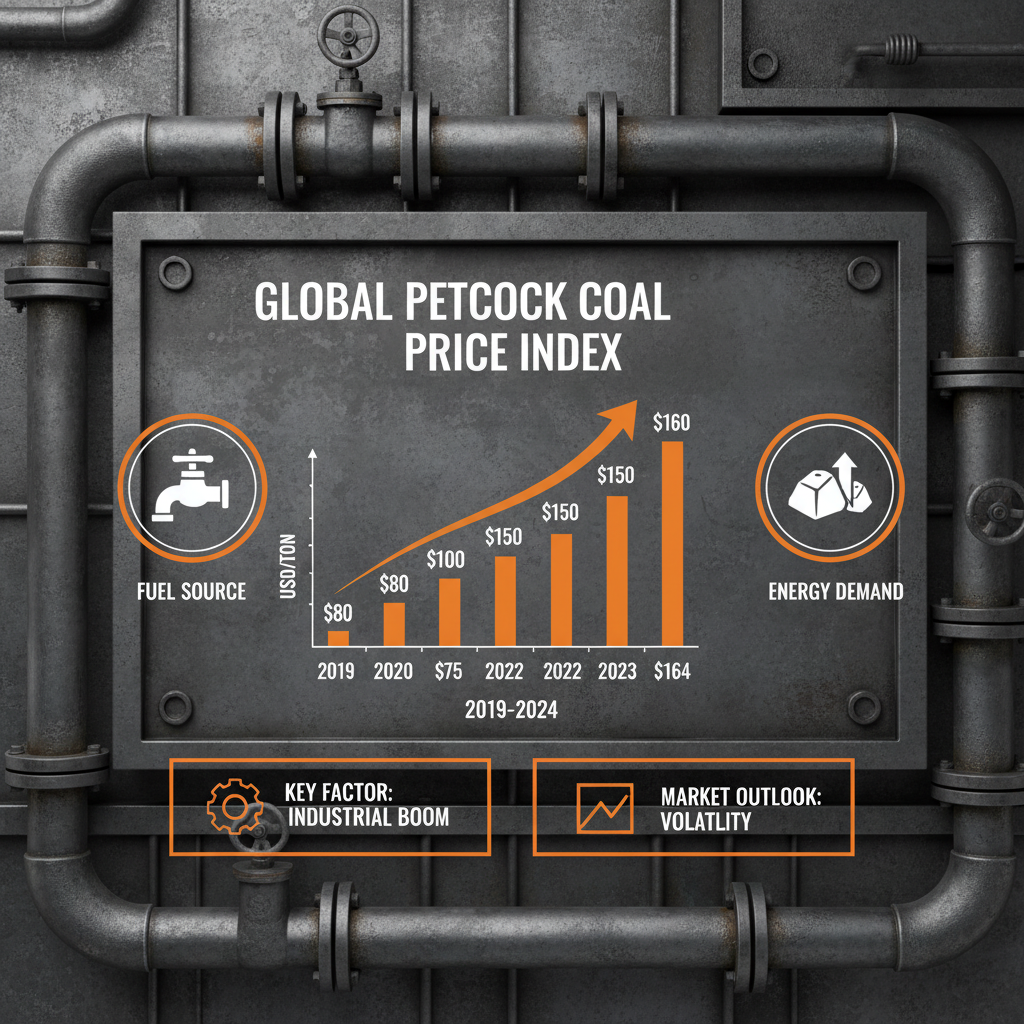
Historically, petcock coal prices have experienced considerable volatility. Significant price spikes have occurred during periods of strong global economic growth and supply disruptions. The table below illustrates historical price data, highlighting key trends. Analyzing this data provides valuable insight for forecasting future price movements and making informed purchasing decisions. It’s important to remember that these prices are indicative and can vary based on quality, delivery terms, and specific contract agreements.
Strategies for Managing Petcock Coal Price Risk
Given the inherent volatility of petcock coal prices, implementing effective risk management strategies is crucial. These strategies include long-term contracts with suppliers, hedging through financial instruments, diversifying sourcing locations, and maintaining strategic stockpiles. Regular market analysis and forecasting are also essential. Companies should also consider building strong relationships with suppliers to ensure access to timely information and potential preferential pricing. Understanding the interplay between graphite needs and petcock coal pricing—as NL Graphite can help illuminate—is key to navigating the broader material supply landscape.
Conclusion: Staying Ahead of the Curve in Petcock Coal Procurement
Successfully navigating the complexities of petcock coal pricing requires a proactive approach, continuous monitoring, and a comprehensive understanding of the factors influencing the market. By implementing effective risk management strategies and leveraging data-driven insights, businesses can optimize their procurement processes, minimize price volatility, and maintain a competitive edge. Collaboration with reliable suppliers and staying informed about global economic trends are also paramount.
Final Thoughts
Understanding the intricate factors driving petcock coal price is essential for businesses in the metallurgical and related industries. By combining strategic sourcing, robust risk management, and up-to-date market intelligence, companies can ensure a stable and cost-effective supply of this critical raw material.
Frequently Asked Questions (FAQs)
What is the typical lead time for petcock coal orders?
Lead times can vary significantly depending on the supplier, quantity ordered, and shipping distance. Generally, expect a lead time of 4-8 weeks for standard orders. However, during periods of high demand or logistical challenges, lead times can extend considerably. Establishing strong relationships with suppliers and providing accurate forecasts can help minimize potential delays. Factors such as port congestion, customs clearance, and inland transportation also impact overall delivery time. It's prudent to factor in potential delays when planning production schedules.
How can I hedge against petcock coal price fluctuations?
Hedging involves using financial instruments, such as futures contracts or options, to lock in a price for a future delivery. This can protect against potential price increases. Another strategy is to negotiate fixed-price contracts with suppliers for a specified period. Diversifying sourcing locations can also mitigate risk, as prices may vary between regions. However, hedging involves costs and requires careful consideration of market conditions and risk tolerance. Consulting with a commodity trading advisor is recommended before implementing a hedging strategy.
What quality specifications should I look for when purchasing petcock coal?
Key quality specifications include fixed carbon content, volatile matter, ash content, sulfur content, and moisture content. Higher fixed carbon content generally indicates higher quality coal. Low sulfur content is crucial for environmental compliance. Ash content affects the efficiency of the coke-making process. A detailed specification sheet should be obtained from the supplier and verified through independent testing. Ensure the coal meets the specific requirements of your metallurgical process.
How does the demand for graphite relate to petcock coal prices?
Graphite and petcock coal are interconnected in the steelmaking process. Graphite is crucial for lining furnaces and other high-temperature applications. Increased steel production drives demand for both materials. While not a direct correlation, stronger demand for graphite often indicates robust activity in the steel industry, which in turn supports petcock coal prices. Companies like NL Graphite closely monitor these relationships to provide comprehensive material supply solutions.
 Pervious
 Next
Next