

- Englist



Understanding the Pet Coke Price Index for Strategic Sourcing and Cost Management

Understanding the Pet Coke Price Index
The pet coke price index is a crucial benchmark for traders, consumers, and producers of petroleum coke (pet coke), a carbon-rich solid derived from oil refining. This index reflects the prevailing market conditions and influences pricing decisions across various industries. At NL Graphite, we closely monitor the pet coke price index to provide our customers with informed solutions regarding graphite and carbon materials. Understanding the factors that drive this index is vital for strategic sourcing and cost management.
What is the Pet Coke Price Index?
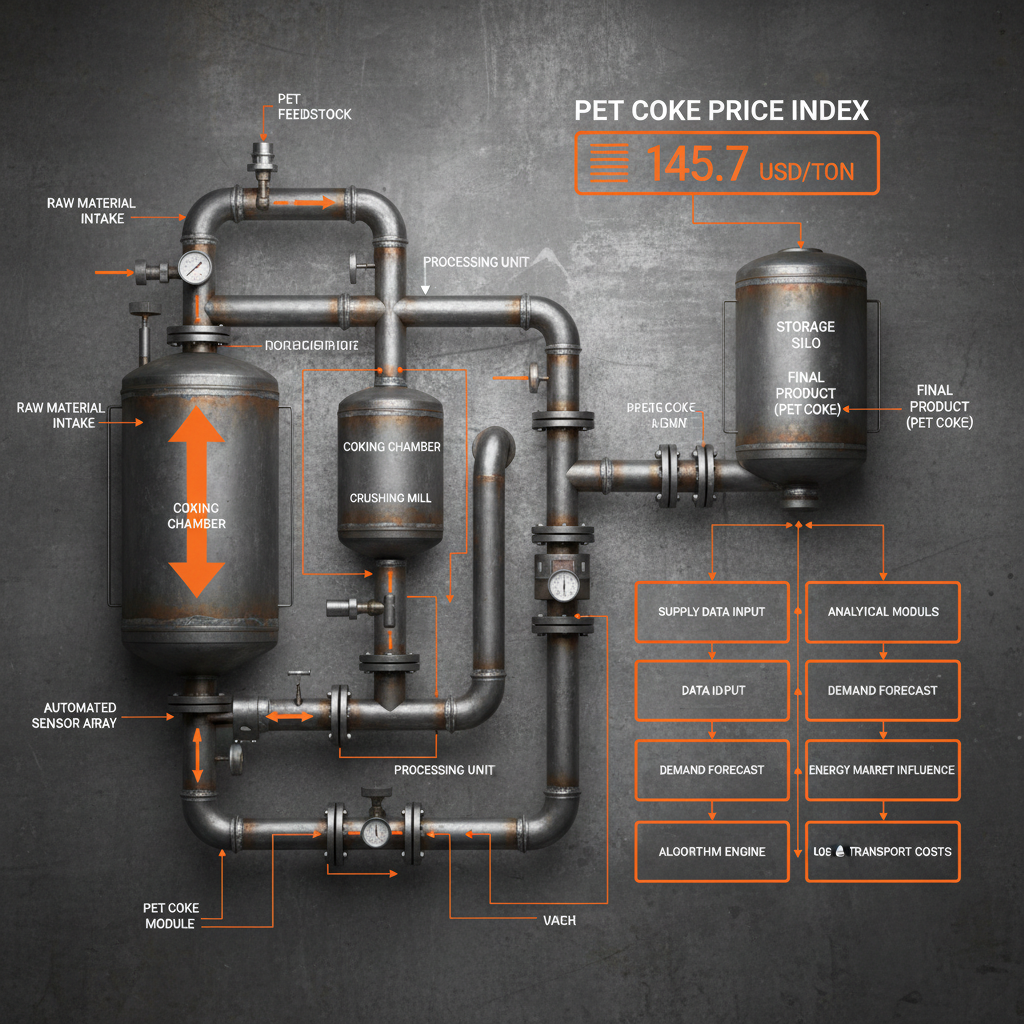
The pet coke price index is a statistical measure that tracks the average price of pet coke traded in specific markets. Multiple indices exist, reported by different agencies, each potentially covering different grades and regions. These indices are typically based on a weighted average of actual transaction prices, providing a real-time snapshot of market value. Key considerations include the grade of pet coke (metallurgical vs. fuel grade), sulfur content, moisture levels, and the delivery location. NL Graphite leverages these insights to optimize our supply chain and deliver competitive pricing for our graphite offerings.
Key Takeaway: The pet coke price index is a dynamic indicator of supply, demand, and overall economic health within the petroleum and carbon materials markets.
Factors Influencing the Pet Coke Price Index
Several factors drive fluctuations in the pet coke price index. These include crude oil prices, refining capacity utilization, demand from industries like aluminum and cement, environmental regulations, transportation costs (particularly shipping rates), and geopolitical events. Increased oil prices generally lead to higher pet coke prices, as it's a byproduct of the refining process. Demand from key consumer industries, such as aluminum smelters that use pet coke as a carbon source, significantly impacts pricing. Stricter environmental regulations regarding sulfur emissions can also affect demand and, consequently, the index.
Key Influencing Factors:
• Crude Oil Prices
• Refining Capacity & Utilization
• Demand from Aluminum & Cement Industries
• Environmental Regulations
Pet Coke Price Index: Regional Variations
The pet coke price index varies significantly by region due to differences in supply, demand, and logistical factors. For instance, the price in the US Gulf Coast, a major refining hub, may differ considerably from the price in India or China, which are major importers. Transportation costs play a crucial role; shipping pet coke long distances adds to the overall price. Local environmental regulations and the availability of alternative fuel sources also influence regional pricing.
Pet Coke & Graphite: Synergies and Applications
While distinct materials, pet coke and graphite share crucial connections. Pet coke serves as a feedstock in the production of certain types of graphite, particularly synthetic graphite. Synthetic graphite, known for its high purity and controlled properties, is essential in applications like lithium-ion batteries, electrodes, and advanced materials. NL Graphite specializes in providing high-quality graphite materials for these critical industries, closely monitoring pet coke pricing to maintain cost-effectiveness. The graphite market is heavily impacted by the availability and price of pet coke.
Leveraging Pet Coke Price Insights for Procurement
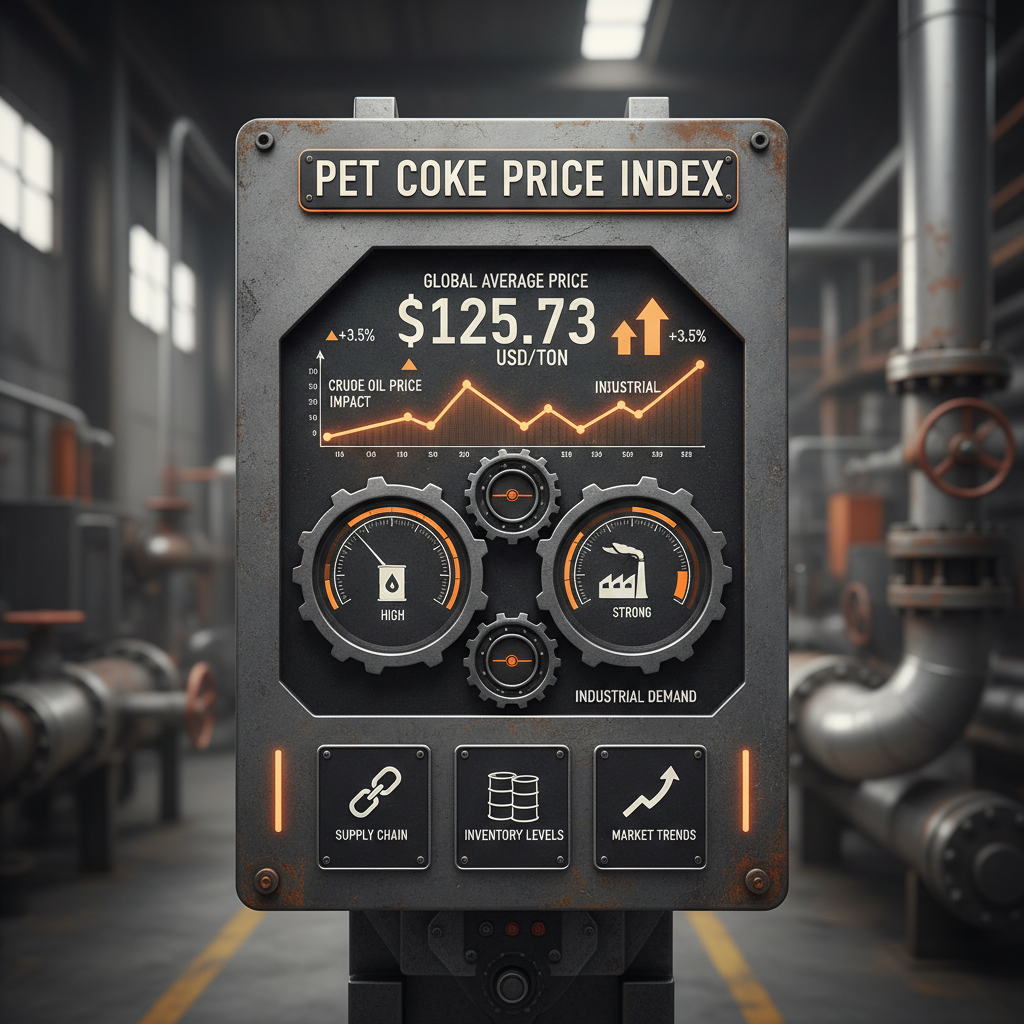
Understanding the pet coke price index is essential for optimizing procurement strategies. Businesses that rely on pet coke or its derivatives, such as graphite, can use this information to negotiate better pricing, manage risk, and make informed investment decisions. Monitoring trends, analyzing regional variations, and staying abreast of influencing factors allow for proactive adaptation to market changes. At NL Graphite, we offer expert guidance and supply chain solutions to help our clients navigate the complexities of the carbon materials market.
Conclusion: Staying Informed About Pet Coke Pricing
Staying informed about the pet coke price index is crucial for success in industries reliant on carbon materials. By understanding the factors that influence this index, businesses can make more strategic purchasing decisions and mitigate risk. NL Graphite is committed to providing our clients with the latest market insights and high-quality graphite solutions.
Frequently Asked Questions (FAQs)
Where can I find reliable pet coke price index data?
Several sources provide pet coke price indices, including Argus Media, S&P Global Platts, and various industry reports. However, it’s important to note that each index may use different methodologies and cover different regions and grades. NL Graphite relies on a combination of these sources to provide a comprehensive view of the market. It’s also vital to verify the source’s reputation and data accuracy before making crucial business decisions.
How does sulfur content affect pet coke pricing?
Sulfur content is a critical factor influencing pet coke pricing. Lower sulfur content (typically less than 1%) commands a premium because it’s easier to handle and complies with stricter environmental regulations. High-sulfur pet coke is generally cheaper but requires additional processing to reduce sulfur emissions, adding to the overall cost. The demand for low-sulfur pet coke is particularly strong in regions with stringent environmental standards.
What is the relationship between crude oil prices and the pet coke price index?
The pet coke price index generally exhibits a positive correlation with crude oil prices. As crude oil prices rise, refining margins tend to increase, leading to greater production of pet coke and, consequently, higher prices. However, the relationship isn’t always direct, as other factors, such as demand and supply dynamics, can also influence pricing.
 Pervious
 Next
Next