

- Englist



High Performance Expanded Graphite Powder for Industrial Use

Expanded Graphite Powder: The Ultimate Guide to High-Performance Carbon Materials
In the realm of advanced material science, expanded graphite powder has emerged as a versatile powerhouse. Known for its unique "worm-like" structure, this material transforms natural flake graphite into a highly porous, lightweight medium with extraordinary thermal and electrical properties. Whether it is used for thermal management in electronics or as a flame retardant in polymers, its ability to expand and fill gaps makes it indispensable in modern industry. This comprehensive guide explores the technical advantages, manufacturing processes, and diverse applications of this innovative carbon solution to help you determine why it is the ideal choice for your technical requirements.
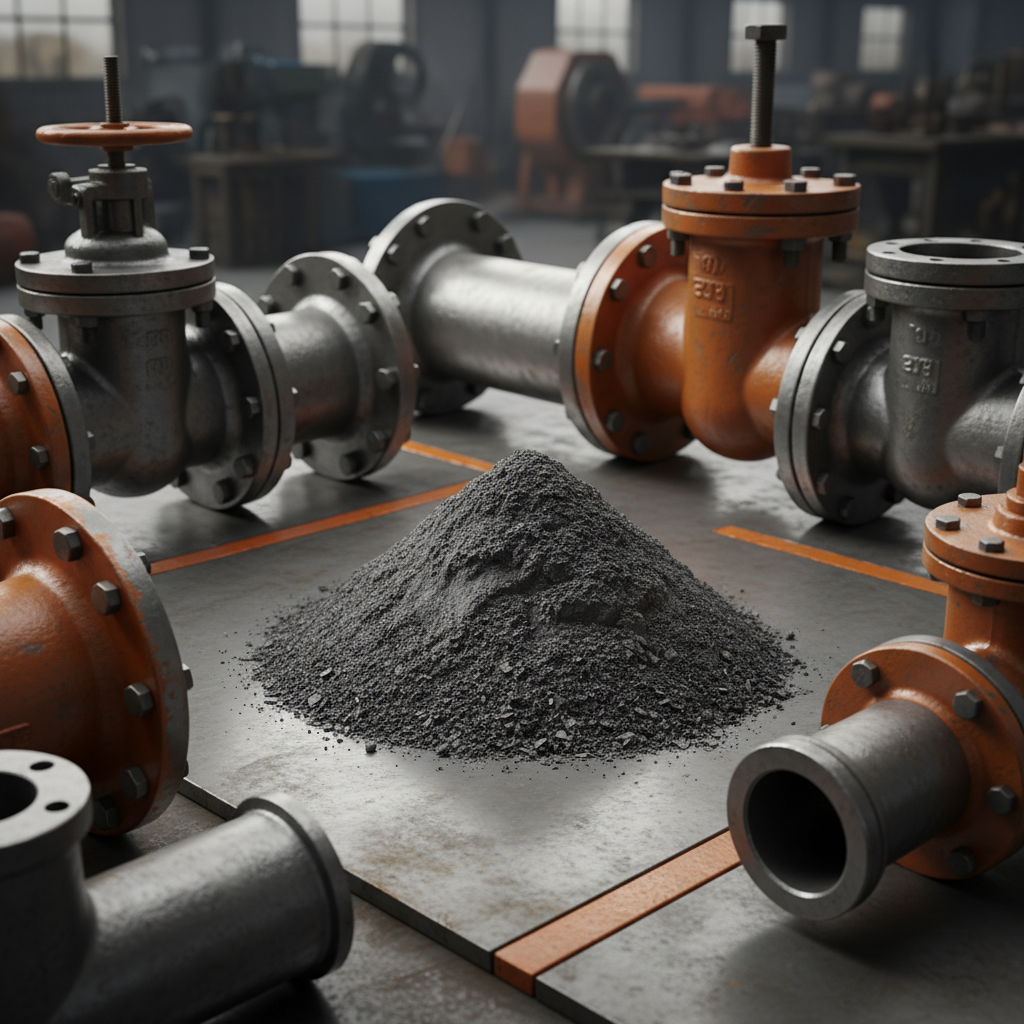
What is Expanded Graphite Powder and How is it Made?
At its core, expanded graphite powder is produced through a process called intercalation. Natural flake graphite is first treated with an oxidizing agent—typically a strong acid—which inserts molecules between the graphene layers. When this "intercalated" graphite is subjected to rapid heating (thermal shock), the molecules expand violently, pushing the layers apart and increasing the volume by up to 300 times. This results in a highly porous structure that retains the inherent conductivity of graphite while gaining a massive increase in surface area and a decrease in bulk density, making it perfect for filtration and insulation.
Process Insight: The expansion ratio is a critical quality metric; higher expansion typically indicates better porosity and lower density, which is essential for applications like lightweight thermal composites.
Key Technical Advantages of Expanded Graphite Powder
The primary appeal of using expanded graphite powder lies in its combination of physical and chemical properties. Firstly, its thermal conductivity is exceptional, allowing it to dissipate heat rapidly in electronic components. Secondly, it acts as a potent flame retardant; when exposed to heat, it expands to form a thick, insulating carbonaceous char layer that prevents oxygen from reaching the substrate. Additionally, its high purity and chemical stability ensure that it does not react with most industrial polymers or metals, providing a reliable interface in complex composite materials.
Top Performance Benefits:
• Superior Thermal Management: Rapid heat dissipation for high-power devices.
• Intumescent Fire Protection: Creates a protective shield during combustion.
• Low Bulk Density: Reduces the overall weight of composite materials.
• High Adsorption Capacity: Effective for water treatment and gas purification.
Expanded Graphite Powder vs. Natural Flake Graphite
Many engineers wonder whether to use standard flake graphite or expanded graphite powder. While flake graphite is dense and offers great lubrication, the expanded version provides a structural advantage in filling gaps and integrating into matrices. The "worm-like" morphology of expanded graphite allows it to intertwine with other materials, creating a more cohesive network for electrical or thermal flow. This makes it significantly more effective for creating conductive plastics or fire-resistant coatings compared to the granular nature of unexpanded graphite.
Industrial Applications of Expanded Graphite Powder
The versatility of expanded graphite powder allows it to penetrate multiple high-tech sectors. In the automotive industry, it is used in battery gaskets and thermal pads to prevent overheating of EV cells. In construction, it is a key additive for fire-rated coatings that protect steel beams from collapsing during a fire. Furthermore, the environmental sector utilizes its high surface area for the adsorption of heavy metals and organic pollutants from wastewater, providing a sustainable alternative to traditional activated carbon. Its ability to maintain electrical conductivity while remaining lightweight makes it ideal for EMI shielding in smartphones and tablets.
Product Specifications for Expanded Graphite Powder
To ensure the best performance, selecting the correct grade of expanded graphite powder is essential. Parameters such as the fixed carbon content, moisture level, and expansion ratio determine the material's efficacy in specific applications. For instance, a higher fixed carbon percentage is required for conductive applications, whereas a specific expansion ratio is prioritized for intumescent fire-stopping materials. Below is a typical specification table for industrial-grade expanded graphite.
Optimizing Performance: How to Use Expanded Graphite Powder
To maximize the benefits of expanded graphite powder, proper dispersion is key. When mixing it into polymers, using a high-shear mixer ensures that the "worm-like" particles are evenly distributed, avoiding clumps that could create weak points in the material. For thermal interface materials (TIMs), the powder is often blended with silicone or epoxy resins; the ratio must be carefully balanced to maintain structural integrity while achieving the desired thermal conductivity. Furthermore, ensuring the powder is stored in a dry environment prevents moisture absorption, which can interfere with the bonding process during composite fabrication.
Conclusion: The Future of Carbon Solutions with Expanded Graphite
The unique properties of expanded graphite powder make it a cornerstone of modern industrial design. From saving lives through superior fire protection to enabling the next generation of fast-charging EVs via advanced thermal management, its impact is profound. By understanding its chemistry and optimizing its application, companies can achieve higher efficiency and safer products. When you need a material that balances lightness, conductivity, and resilience, expanded graphite is the professional's choice for high-performance engineering.
Frequently Asked Questions (FAQs)
Is expanded graphite powder safe to handle?
Yes, expanded graphite is generally chemically inert and non-toxic. However, because it is a very fine powder, it can create dust that may irritate the respiratory system or eyes. It is always recommended to use basic Personal Protective Equipment (PPE), such as a dust mask and safety goggles, during the mixing and handling process. Additionally, as graphite is conductive, care should be taken to keep the powder away from open electrical circuits to avoid short-circuiting during the manufacturing process.
How does the expansion process improve thermal conductivity?
The expansion process doesn't necessarily increase the conductivity of the carbon itself, but it changes the morphology of the material. By expanding the layers, the graphite forms an interconnected, three-dimensional network. When this powder is integrated into a composite, these "worms" bridge the gaps between other particles more effectively than dense flakes. This creates a continuous pathway for phonons (heat carriers) to travel, significantly lowering the thermal resistance of the overall composite material.
Can expanded graphite powder be used as a replacement for activated carbon?
In many adsorption applications, yes. Expanded graphite offers a high surface area and a unique pore structure that is very effective at trapping organic pollutants and certain heavy metals. Unlike some activated carbons, expanded graphite is highly stable and can often be regenerated more easily. However, the choice depends on the specific pollutant; for some gas-phase applications, activated carbon may still be preferred, while for liquid-phase heavy metal removal, expanded graphite often shows superior chemical affinity and durability. You can explore specific grades on the NL Graphite website.
What is the typical shelf life of expanded graphite powder?
Expanded graphite powder has an almost indefinite shelf life if stored correctly. Since it is composed primarily of carbon, it does not degrade, oxidize, or expire like organic chemicals. The only significant risk is moisture absorption or contamination from other dusts in the warehouse. We recommend storing it in original, airtight packaging in a cool, dry area. If the powder becomes damp, it may clump, which can affect its dispersion properties in resins or polymers, though the core chemical properties remain unchanged.
 Pervious
 Next
Next