

- Englist



Calcined Petroleum Coke Price Today A Comprehensive Market Analysis

Calcined Petroleum Coke Price Today: A Comprehensive Overview
Understanding the calcined petroleum coke (CPC) price today is crucial for industries relying on this vital carbon material. CPC is a key component in aluminum production, steel manufacturing, and titanium dioxide pigment production. This article will delve into the factors influencing CPC pricing, current market trends, and provide insights into sourcing from a reliable supplier like NL Graphite. Knowing the dynamics of the CPC market can help businesses optimize procurement strategies and manage costs effectively.
What is Calcined Petroleum Coke (CPC)?
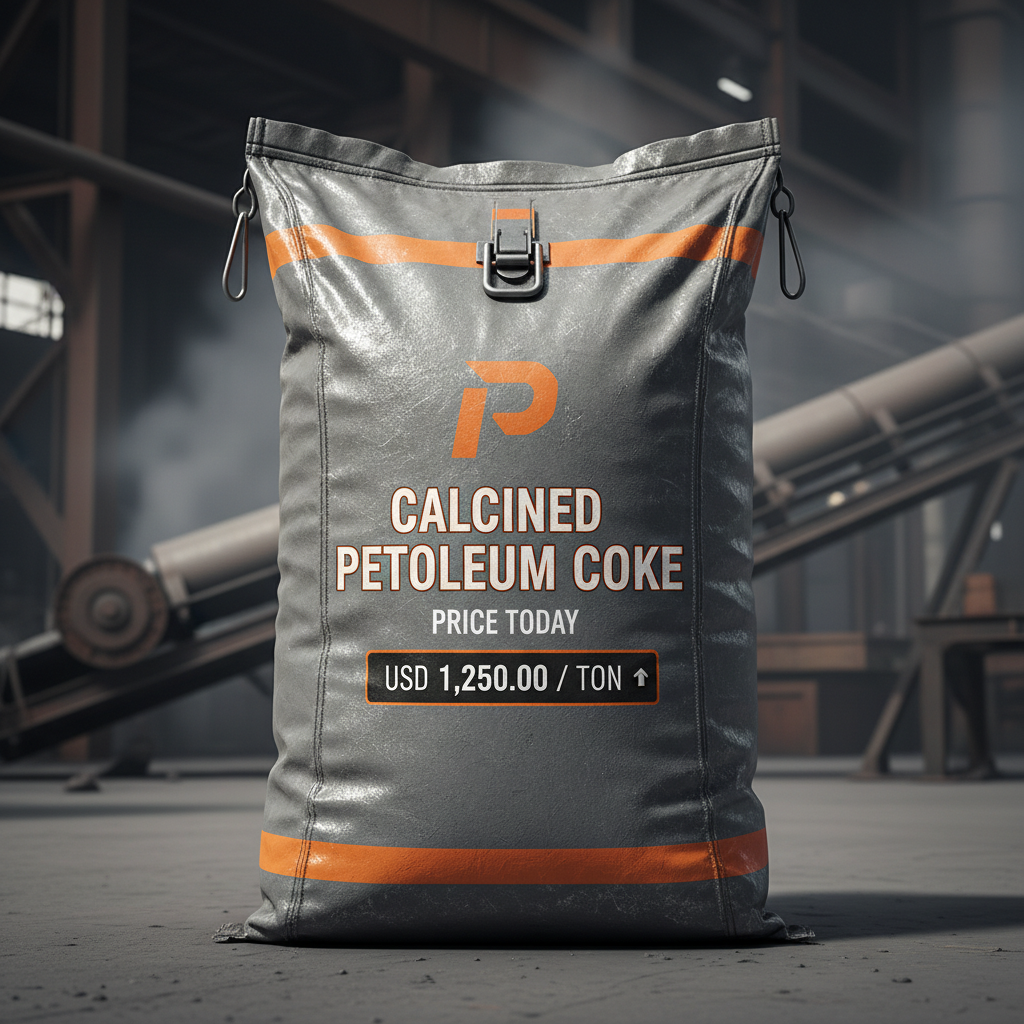
Calcined petroleum coke is a carbon-rich material derived from the final processing stages of crude oil refining. It's created when raw petroleum coke, a byproduct of oil refining, undergoes calcination – a high-temperature heating process that removes volatile compounds, reduces sulfur content, and increases carbon purity. The result is a hard, porous material with a fixed carbon content typically ranging from 98% to 99%. This high carbon content makes it an indispensable raw material for various industrial applications. NL Graphite specializes in providing high-quality CPC tailored to meet diverse industrial requirements.
Factors Influencing Calcined Petroleum Coke Price Today
Several factors contribute to fluctuations in the CPC price today. Crude oil prices are a primary driver, as they impact the cost of raw materials. Supply and demand dynamics in the aluminum and steel industries—major CPC consumers—significantly influence prices. Geopolitical events, logistical challenges (like shipping costs and port congestion), and environmental regulations also play a role. Furthermore, sulfur content and fixed carbon levels in the CPC affect its value, with higher carbon content and lower sulfur typically commanding a premium. Understanding these interconnected elements is vital for accurate price forecasting.
Key Price Drivers: Crude oil prices, aluminum and steel demand, geopolitical events, sulfur content, and fixed carbon levels.
CPC Price Trends & Market Analysis
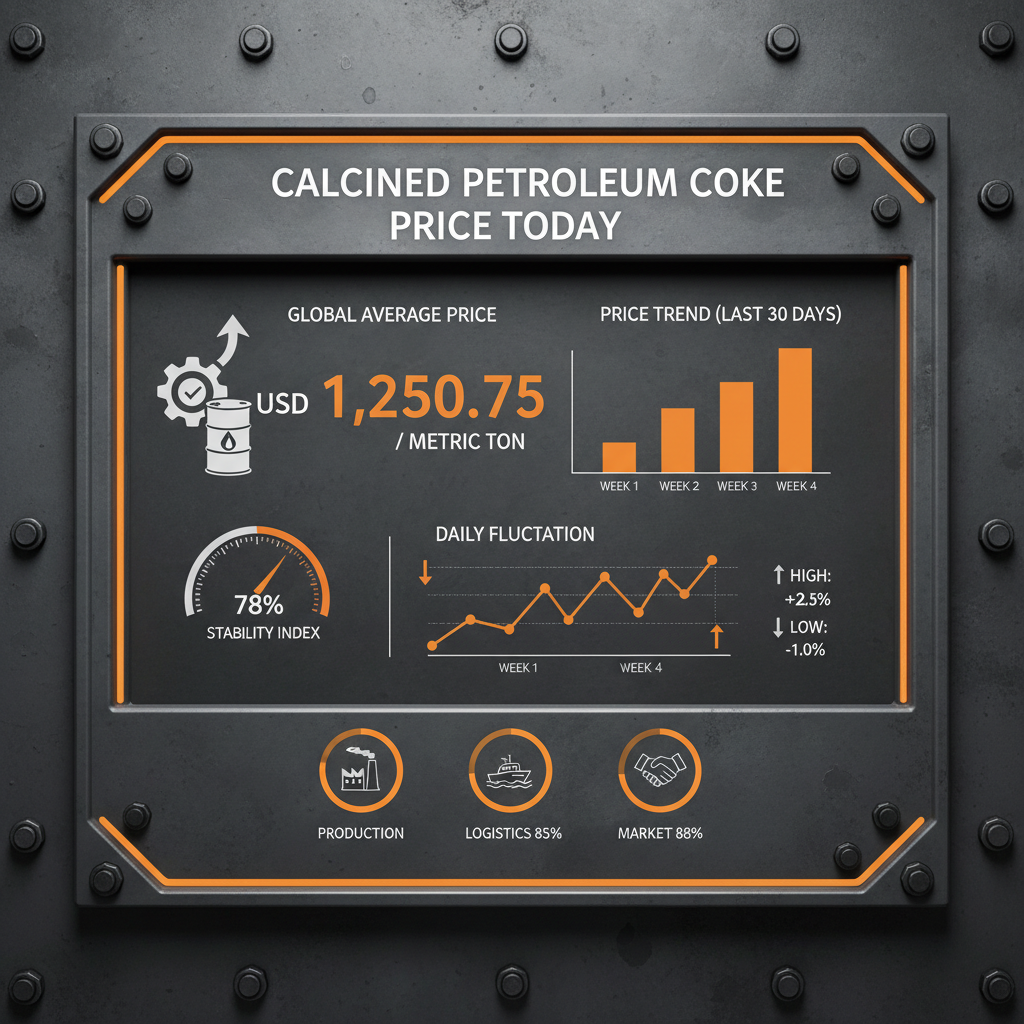
Recent market analysis indicates a moderate increase in CPC prices due to rising crude oil costs and strong demand from the aluminum sector. Supply chain disruptions, exacerbated by global events, have also contributed to price volatility. However, increased production capacity in some regions may help stabilize prices in the long term. The demand for low-sulfur CPC is growing, driven by stricter environmental regulations. Here's a snapshot of recent price fluctuations:
Choosing a Reliable CPC Supplier: NL Graphite
Selecting a reputable supplier is paramount when sourcing CPC. NL Graphite offers consistent quality, competitive pricing, and reliable supply chain management. We provide a range of CPC grades tailored to specific applications, ensuring optimal performance in your processes. Our commitment to quality control, stringent testing procedures, and dedicated customer support make us a trusted partner for businesses worldwide. We also offer detailed product specifications and technical support to help you select the right CPC grade for your needs.
CPC Product Specifications
Here’s a typical specification sheet for our commonly supplied CPC:
Conclusion
Staying informed about the calcined petroleum coke price today and partnering with a reliable supplier like NL Graphite is crucial for businesses in the aluminum, steel, and titanium dioxide industries. We provide high-quality CPC, competitive pricing, and consistent supply to help you optimize your operations and achieve your business goals. Contact us today to learn more about our products and services.
Frequently Asked Questions (FAQs)
What factors cause daily fluctuations in CPC prices?
Daily fluctuations in calcined petroleum coke (CPC) prices are influenced by a complex interplay of factors. These include the volatile nature of crude oil markets, as CPC is a byproduct of oil refining. Changes in demand from key industries like aluminum production and steel manufacturing have a significant impact. Geopolitical events, such as supply disruptions or trade tensions, can also cause price swings. Additionally, shipping costs, currency exchange rates, and even weather conditions affecting transportation can contribute to day-to-day price variations. Staying updated on these factors is crucial for making informed purchasing decisions.
What are the typical applications of CPC?
Calcined petroleum coke (CPC) has a wide range of industrial applications. Its primary use is as a carbon source in the production of aluminum, where it serves as the anode material in the smelting process. It's also a crucial component in steel manufacturing, used to improve the strength and durability of steel. Furthermore, CPC is utilized in the production of titanium dioxide pigment, which is used in paints, plastics, and paper. Other applications include the manufacturing of carbon brushes, electrodes, and other carbon-based products.
How does NL Graphite ensure the quality of its CPC?
At NL Graphite, quality is our top priority. We implement a rigorous quality control process throughout the entire production chain. This includes careful selection of raw materials, meticulous monitoring of the calcination process, and comprehensive laboratory testing of the finished product. We analyze key parameters such as fixed carbon content, sulfur levels, ash content, and moisture levels to ensure our CPC meets the highest industry standards. We also provide certificates of analysis (COAs) with each shipment to guarantee product consistency and quality.
What is the difference between high-sulfur and low-sulfur CPC?
The primary difference between high-sulfur and low-sulfur CPC lies in their sulfur content. High-sulfur CPC typically contains up to 5% sulfur, while low-sulfur CPC has a sulfur content of 0.5% or less. Low-sulfur CPC is preferred in applications where sulfur emissions are a concern, such as aluminum production, as it minimizes environmental impact and improves the efficiency of the smelting process. However, high-sulfur CPC may be suitable for certain applications where sulfur content is not a critical factor.
 Pervious
 Next
Next