

- Englist



China Petroleum Coke Price Trends Analysis and Market Overview

Petroleum Coke Price China: A Comprehensive Overview
Understanding the petroleum coke price in China is crucial for industries reliant on this carbon material, including aluminum, steel, and titanium dioxide production. This article will delve into the factors influencing prices, recent trends, key suppliers, and insights into the Chinese market. We'll also explore the different grades of petroleum coke and their impact on cost. Staying informed about these dynamics is essential for strategic sourcing and cost management.
Factors Influencing Petroleum Coke Price in China
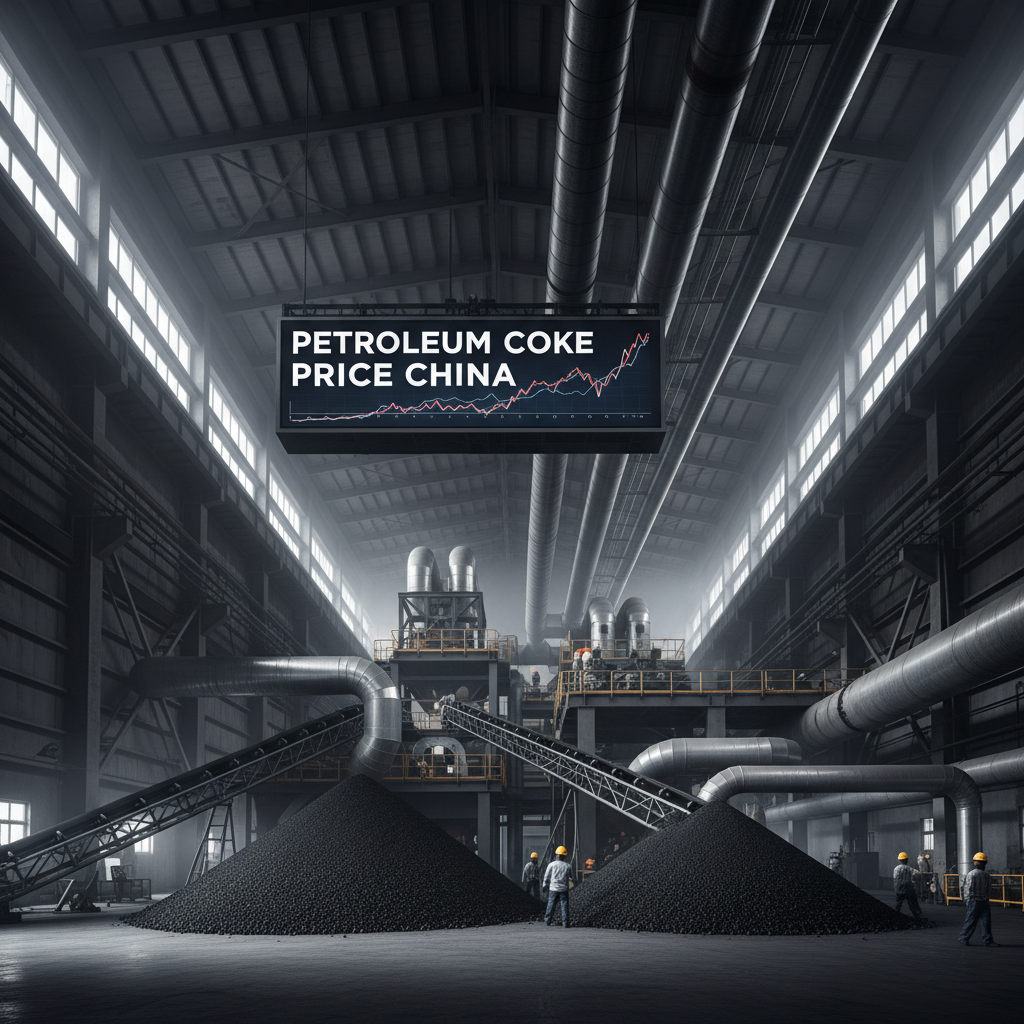
Several key factors contribute to the fluctuations in petroleum coke prices within China. The primary driver is the global oil market, as petroleum coke is a byproduct of oil refining. Crude oil price changes directly impact refining margins, subsequently affecting coke supply and pricing. Demand from the aluminum industry, China's largest consumer of petroleum coke, also plays a significant role. Government policies regarding environmental regulations and emissions standards can restrict production or usage, impacting availability and price. Additionally, transportation costs, particularly shipping rates, and currency exchange rates can add to the overall price.
Key Influencing Factors: Global Oil Prices, Aluminum Industry Demand, Environmental Regulations, Transportation Costs, Currency Exchange Rates
Petroleum Coke Grades and Pricing
Petroleum coke is categorized into different grades based on its sulfur content, ash content, and metal content. These factors directly influence the price. NL Graphite specializes in providing high-quality petroleum coke grades tailored to various industrial applications. Generally, lower sulfur content commands a premium price, as it reduces emissions and meets stringent environmental standards. Metallurgical coke, used in steel production, typically trades at a different price point than anode coke, used in aluminum smelting. Understanding these grade distinctions is vital for making informed purchasing decisions.
Recent Trends in China Petroleum Coke Prices
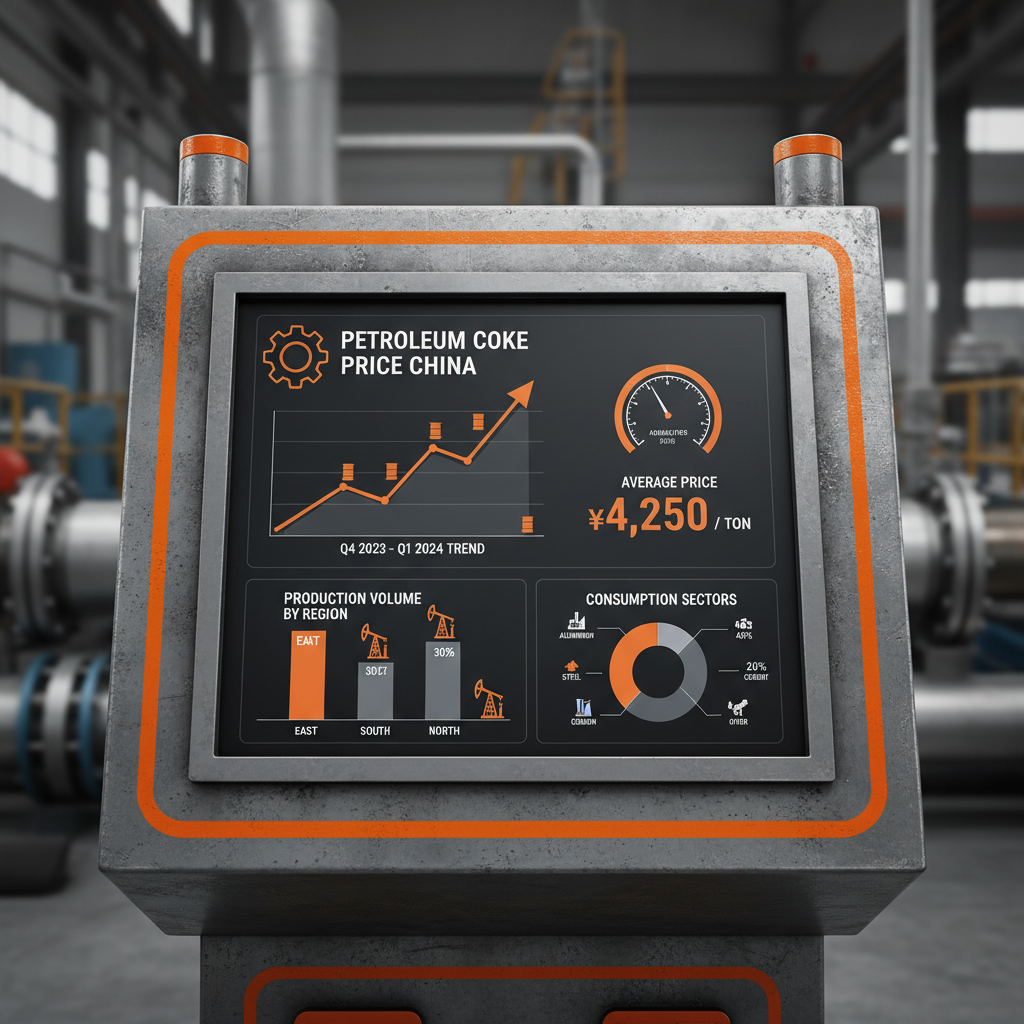
In recent months, the petroleum coke price in China has experienced volatility due to fluctuating crude oil prices and changes in aluminum production levels. Strict environmental enforcement in some regions has led to temporary supply shortages, driving prices upwards. However, increased imports from other countries, such as the United States and Venezuela, have helped to mitigate some of the price pressures. The ongoing trade dynamics between China and key oil-producing nations also exert a significant influence. Looking ahead, the market is expected to remain sensitive to these geopolitical and economic factors.
Key Market Trends:
• Fluctuating Crude Oil Prices
• Changes in Aluminum Production Levels
• Environmental Regulations Impacting Supply
• Increased Import Activity
Petroleum Coke Price China: Key Suppliers and Import Sources
The United States has historically been the largest exporter of petroleum coke to China, though this has seen fluctuations due to trade policies. Other significant suppliers include Venezuela, Canada, and Colombia. Within China, major trading hubs and port cities, such as Tianjin, Shanghai, and Guangzhou, facilitate the import and distribution of petroleum coke. Working with reputable suppliers like NL Graphite ensures consistent quality, reliable supply, and competitive pricing. Thorough due diligence on suppliers is critical to avoid quality issues and ensure compliance with environmental standards.
Navigating the Chinese Petroleum Coke Market: A Strategic Approach
Successfully navigating the Chinese petroleum coke market requires a strategic approach. Staying informed about market trends, establishing strong relationships with reliable suppliers, and understanding the complexities of import regulations are essential. Conducting thorough quality control checks and negotiating favorable contracts are also crucial. NL Graphite offers expertise in sourcing, logistics, and quality assurance to help clients optimize their procurement process and mitigate risks.
Conclusion: Staying Ahead in the Petroleum Coke Market
The petroleum coke market in China is dynamic and complex. Staying informed about price fluctuations, supplier options, and market trends is critical for businesses relying on this material. By partnering with experienced suppliers and adopting a strategic sourcing approach, companies can secure reliable supplies at competitive prices.
Frequently Asked Questions (FAQs)
What factors are contributing to the current volatility in petroleum coke prices?
Several factors are driving the current volatility, primarily fluctuating crude oil prices, shifts in global demand, especially from the aluminum industry, and geopolitical tensions impacting supply chains. Additionally, environmental regulations in China and other consuming countries can restrict production or usage, leading to price fluctuations. Trade policies and tariffs also play a significant role, influencing import costs and market availability. Shipping costs and currency exchange rates add further complexity, creating a dynamic and often unpredictable market environment.
How can I mitigate the risks associated with fluctuating petroleum coke prices?
Mitigating risk involves several strategies. Long-term contracts with suppliers can provide price stability. Diversifying your supplier base reduces reliance on a single source. Hedging strategies, using financial instruments to lock in future prices, can protect against adverse movements. Maintaining a strategic inventory can buffer against short-term supply disruptions. Finally, closely monitoring market trends and staying informed about geopolitical events will allow for proactive decision-making.
What are the key quality parameters to consider when purchasing petroleum coke?
Key quality parameters include sulfur content, ash content, moisture content, and volatile matter. Lower sulfur content is generally preferred, particularly for aluminum smelting, to minimize emissions. Ash content affects combustion efficiency and residue. Moisture content impacts handling and storage. Volatile matter influences combustion characteristics. Thorough quality control testing, including laboratory analysis, is essential to ensure the purchased coke meets your specific application requirements.
How does NL Graphite assist with sourcing petroleum coke in China?
NL Graphite provides comprehensive sourcing solutions for petroleum coke in China. We leverage our extensive network of reliable suppliers to secure competitive pricing and consistent quality. We offer quality control inspections, logistics management, and import/export assistance, ensuring a seamless procurement process. Our expertise in the Chinese market helps clients navigate complex regulations and mitigate risks, delivering a reliable and cost-effective supply of petroleum coke.
 Pervious
 Next
Next