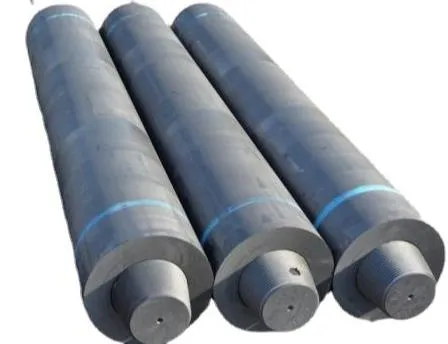


- Englist



Comprehensive Pet Coke Price Chart Analysis for Informed Business Decisions

Pet Coke Price Chart: A Comprehensive Analysis
Understanding the pet coke price chart is crucial for businesses involved in cement production, power generation, and other industries reliant on this carbon-rich byproduct of oil refining. Fluctuations in price impact operational costs and profitability. This article provides a detailed overview of pet coke pricing trends, factors influencing costs, and where to find reliable price data, including resources available at NL Graphite. We will explore historical data, current market conditions, and future price predictions.

Understanding the Basics of Pet Coke
Petroleum coke, or pet coke, is a carbon-rich solid material derived from the coking process in oil refineries. It's primarily used as a fuel and in the production of carbon products like anodes for aluminum smelting. The price of pet coke is heavily influenced by crude oil prices, supply and demand dynamics, transportation costs, and geopolitical factors. There are two main types: delayed coker coke and fluid coker coke, with varying properties and, consequently, pricing. Understanding these nuances is vital when interpreting a pet coke price chart.
Key Takeaways: Pet coke is a byproduct of oil refining, primarily used as fuel and in carbon product manufacturing. Its price is sensitive to crude oil fluctuations and logistical considerations.
Factors Influencing Pet Coke Pricing
Several key factors drive the price of pet coke. Crude oil prices are a primary driver, as they influence refining margins and overall supply. Demand from the cement and power industries, particularly in emerging economies like India and China, significantly impacts prices. Transportation costs, including shipping rates and inland freight, also play a substantial role, especially for buyers located far from refining centers. Supply disruptions at refineries, environmental regulations, and geopolitical events can all lead to price volatility. Analyzing a pet coke price chart requires considering these interconnected factors.
Price Influencers:
• Crude Oil Prices
• Cement & Power Industry Demand
• Transportation Costs
• Geopolitical Events
Historical Pet Coke Price Trends
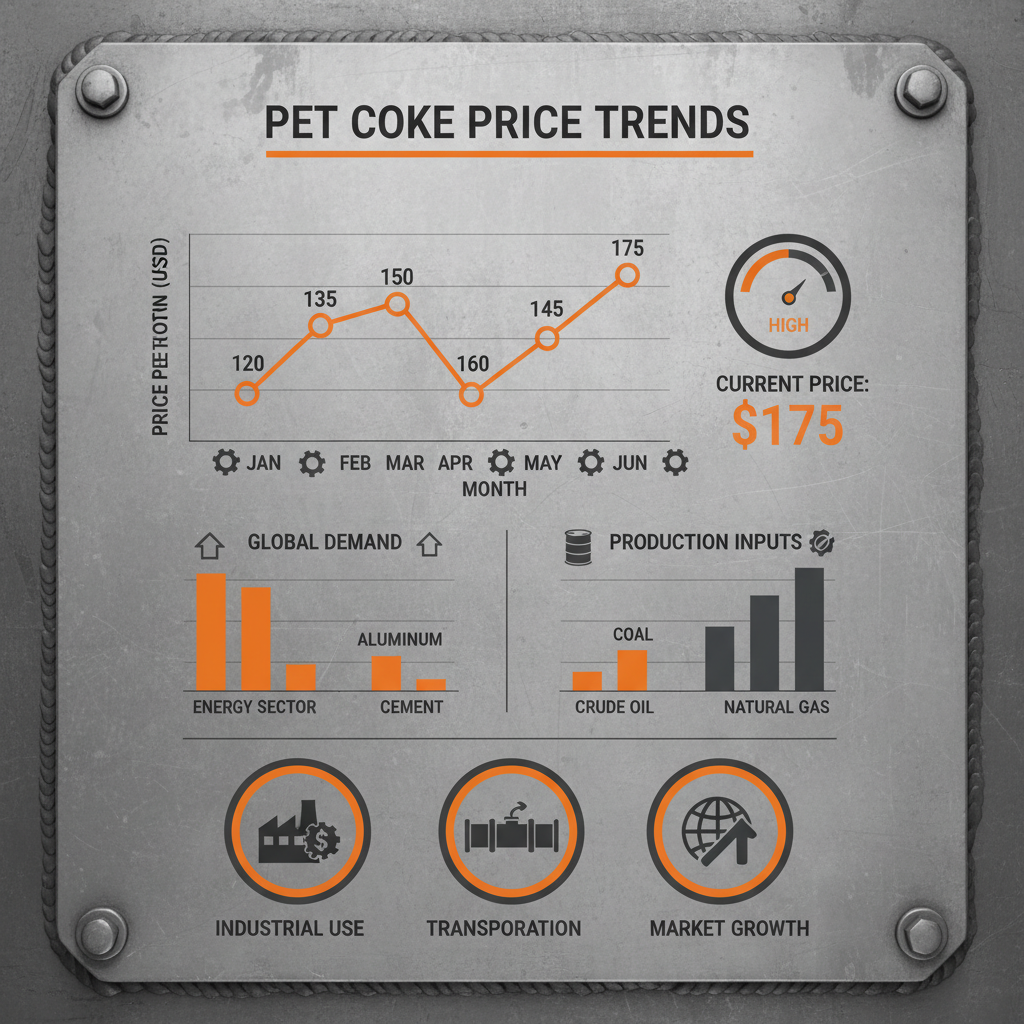
Historically, pet coke prices have exhibited significant volatility. The price surged in the mid-2000s with the rise in global demand, particularly from China. Prices subsequently declined during the 2008 financial crisis and remained relatively low for several years. More recently, prices have experienced renewed upward pressure due to increased demand and supply constraints. Analyzing a long-term pet coke price chart reveals cyclical patterns influenced by economic growth and refinery capacity.
Current Market Conditions and Future Outlook
As of late 2023, the pet coke market is characterized by tight supply and robust demand, leading to elevated prices. Geopolitical tensions and refinery maintenance outages have further exacerbated supply constraints. The future outlook for pet coke prices remains uncertain, but analysts predict continued price volatility in the short term. Long-term trends will depend on the global economic outlook, the growth of the cement and power industries, and the development of alternative fuels. Staying informed with the latest NL Graphite market reports is crucial for making informed purchasing decisions.
Where to Find Reliable Pet Coke Price Data
Accessing accurate and timely pet coke price data is essential for effective procurement and risk management. Several sources provide price assessments and market analysis, including industry publications, market research firms, and commodity trading platforms. NL Graphite offers comprehensive market reports and price tracking services, providing clients with valuable insights into pet coke pricing trends. Regular monitoring of these sources will help businesses navigate the dynamic pet coke market.
Conclusion
Staying informed about the pet coke price chart and the factors influencing it is paramount for businesses reliant on this vital commodity. By leveraging reliable data sources like NL Graphite and closely monitoring market trends, companies can optimize their procurement strategies and mitigate price risk.
Frequently Asked Questions (FAQs)
What is the typical sulfur content in pet coke?
Sulfur content in pet coke varies depending on the refining process and the crude oil source. Generally, pet coke contains between 1% and 8% sulfur. High-sulfur pet coke is less desirable due to environmental concerns related to sulfur dioxide emissions when burned. Low-sulfur pet coke commands a premium price and is preferred by cement manufacturers and power plants. Understanding the sulfur content is vital when evaluating a pet coke price chart, as it directly affects its usability and value.
How does transportation affect the final pet coke price?
Transportation costs can significantly contribute to the final price of pet coke, often accounting for 20-40% of the total cost, particularly for long-distance deliveries. Factors influencing transportation costs include shipping rates, inland freight charges, port fees, and the availability of suitable transportation infrastructure. Fluctuations in fuel prices also impact transportation costs. Buyers should carefully consider transportation costs when comparing prices from different suppliers, as these can vary substantially.
What are the environmental considerations when using pet coke?
Burning pet coke releases greenhouse gases, including carbon dioxide, and sulfur dioxide, contributing to air pollution. Environmental regulations regarding sulfur emissions are becoming increasingly stringent, impacting the demand for high-sulfur pet coke. Many industries are exploring alternative fuels and technologies to reduce their carbon footprint. Responsible sourcing and utilizing low-sulfur pet coke are essential for minimizing environmental impact.
 Pervious
 Next
Next