

- Englist



Understanding the Versatility and Benefits of Graphite Pipe for Industrial Use

Understanding Graphite Pipe: Applications, Benefits, and Choosing the Right Supplier
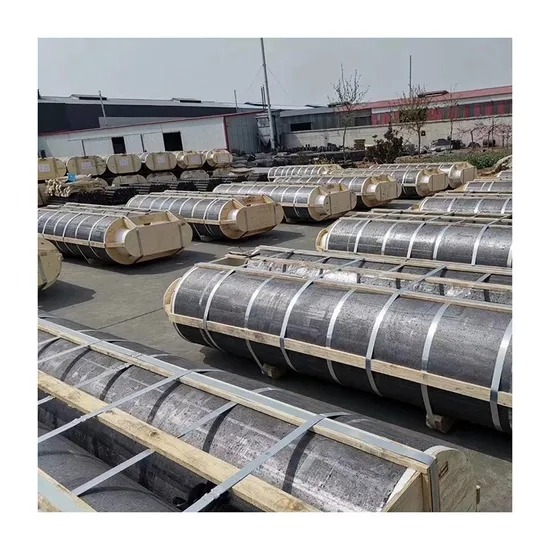
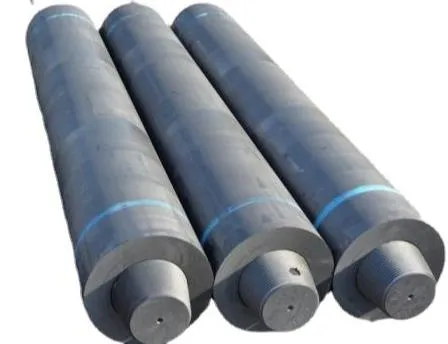
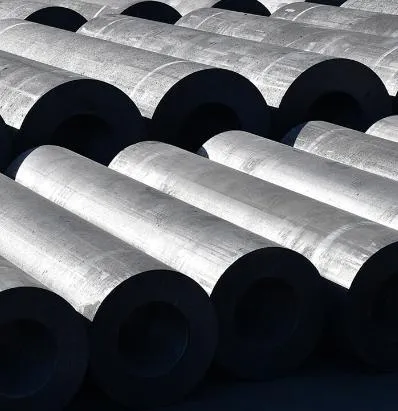
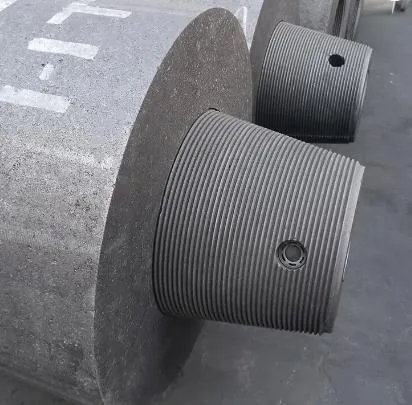
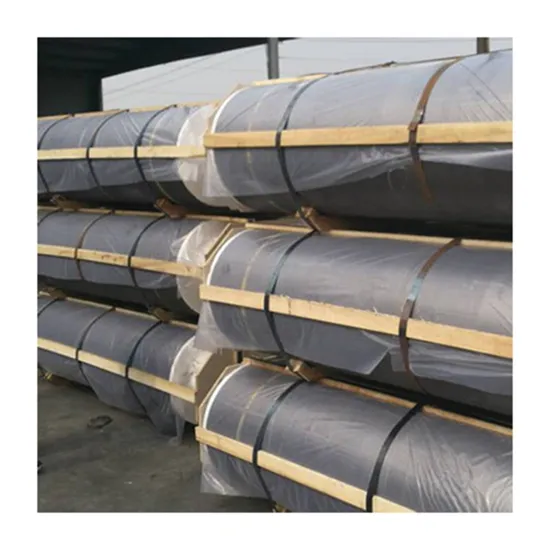
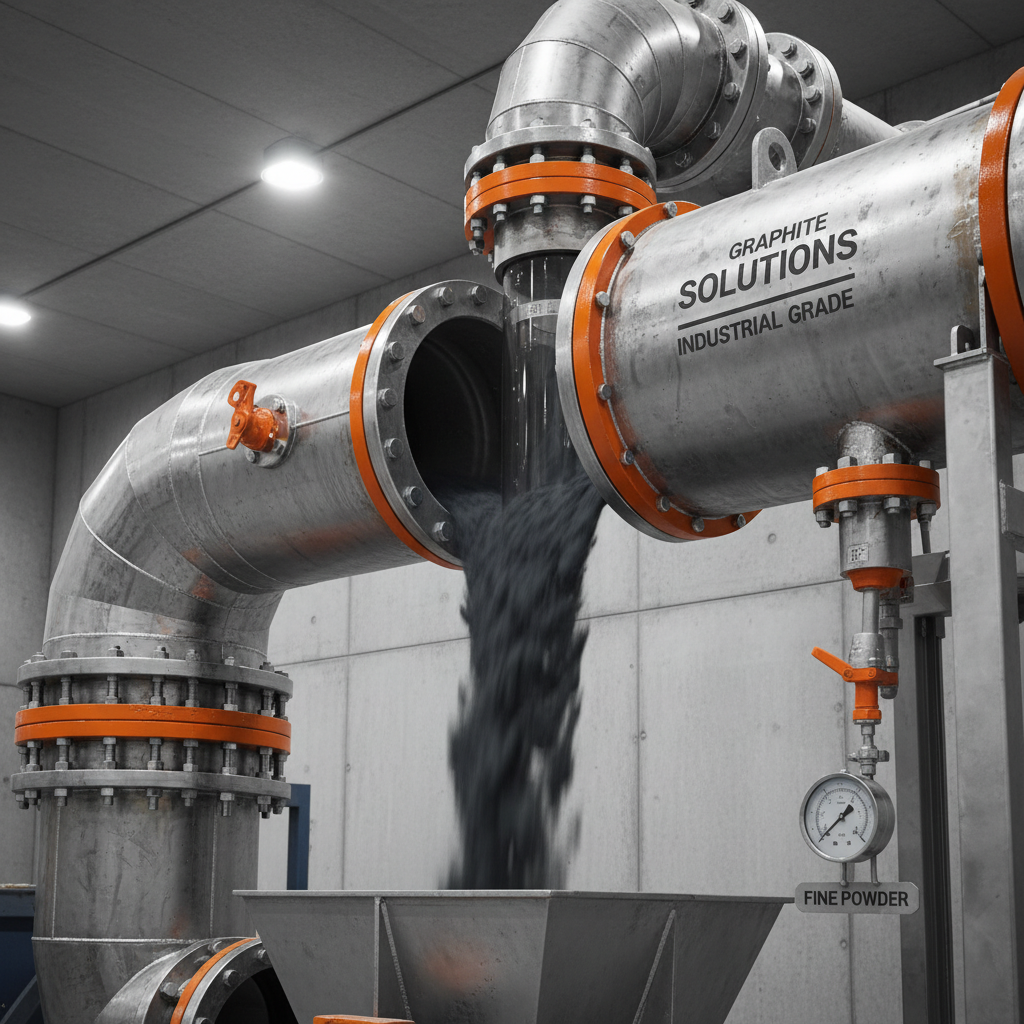
Graphite pipe has become an increasingly vital component in numerous industrial processes, offering exceptional resistance to corrosion, high temperatures, and thermal shock. This makes it a superior alternative to traditional materials like stainless steel in demanding applications. This article will explore the properties, applications, benefits, and key considerations when selecting a graphite pipe supplier. We'll delve into why NL Graphite is a trusted partner for high-quality graphite piping solutions.
Key Properties of Graphite Pipe
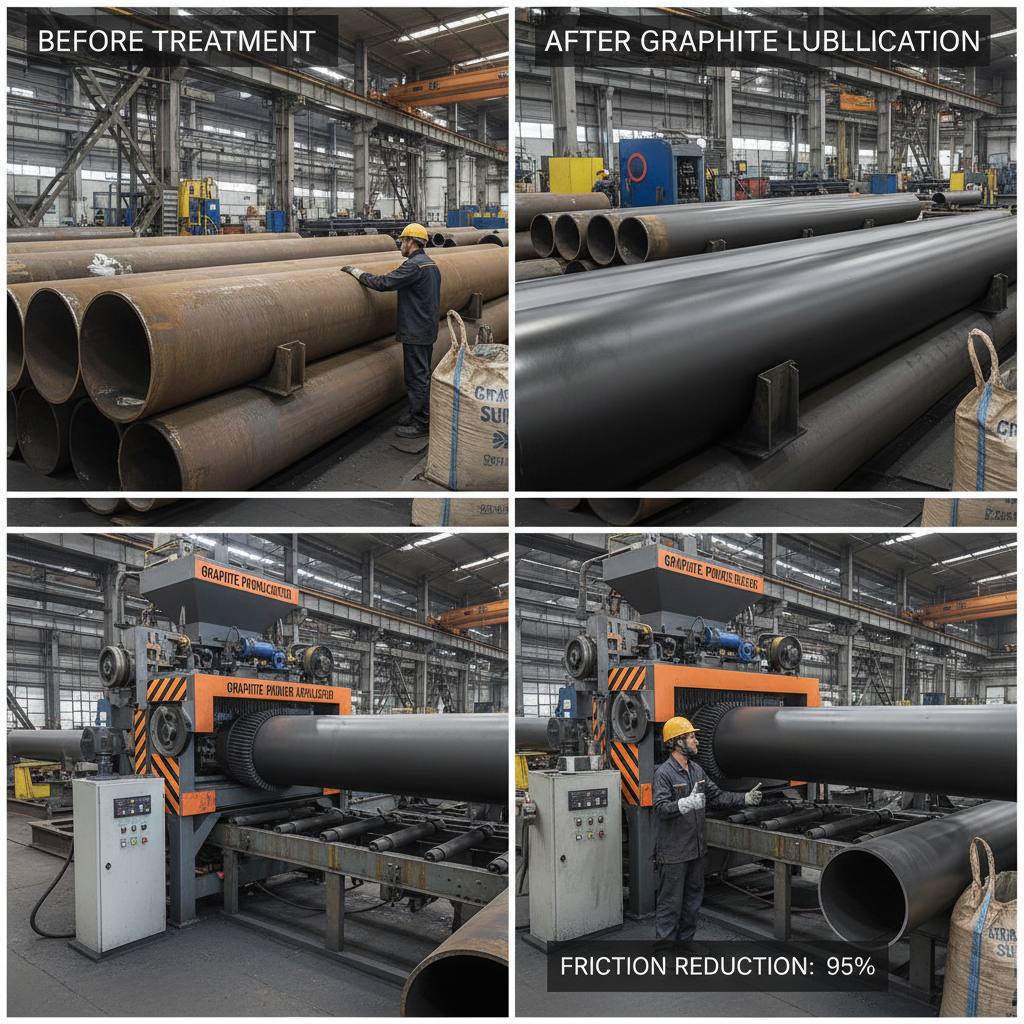
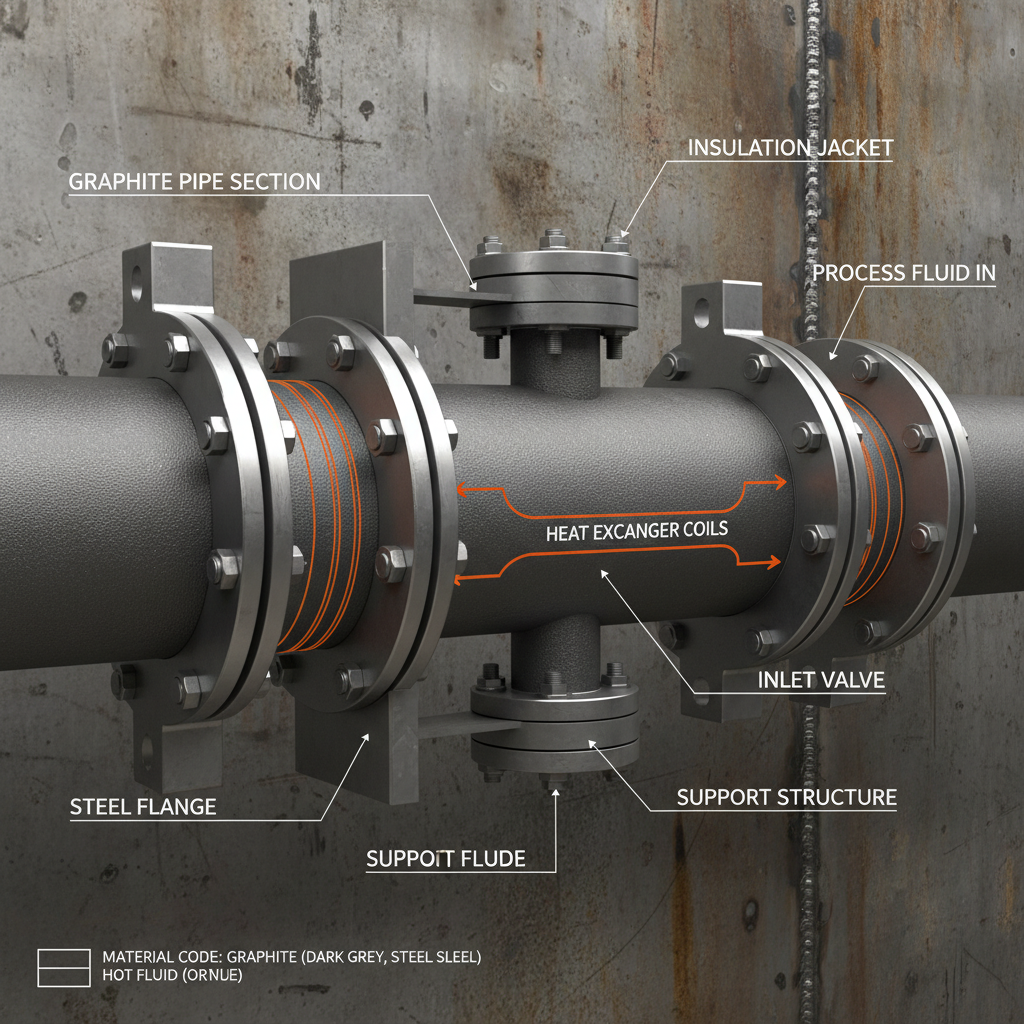
Graphite pipes possess a unique combination of properties that make them ideal for challenging industrial environments. They are exceptionally resistant to a wide range of corrosive chemicals, including strong acids and alkalis. The material’s high thermal conductivity facilitates efficient heat transfer, while its low thermal expansion minimizes stress during temperature fluctuations. Furthermore, graphite is self-lubricating, reducing friction and wear. Its excellent electrical conductivity also makes it suitable for certain specialized applications. The purity and grade of the graphite material significantly impact these properties; therefore, sourcing from a reliable supplier like NL Graphite is crucial.
Key Highlights: Exceptional resistance to corrosion, high thermal conductivity, low thermal expansion, self-lubricating properties, and excellent electrical conductivity.
Applications of Graphite Pipe in Various Industries
The versatile nature of graphite pipe leads to its widespread use across numerous sectors. In the chemical processing industry, it’s used to transport highly corrosive fluids. In the semiconductor industry, its high purity and resistance to contamination are essential for handling sensitive materials. Power plants utilize graphite pipe in heat exchangers and flue gas desulfurization systems due to its heat resistance and corrosion resistance. The metallurgical industry employs it in metal refining processes. Pharmaceutical companies leverage its inertness for handling sensitive compounds. The breadth of applications highlights the importance of choosing a supplier that understands the specific requirements of your industry.
Application Areas:
• Chemical Processing
• Semiconductor Manufacturing
• Power Generation
• Metallurgical Industries
• Pharmaceutical Production
Graphite Pipe vs. Other Materials: A Comparative Analysis
Comparing graphite pipe to traditional materials like stainless steel, PVC, and fiberglass reveals its significant advantages in specific applications. While stainless steel offers good strength, it's susceptible to corrosion in highly aggressive environments. PVC lacks the high-temperature resistance of graphite. Fiberglass, although corrosion-resistant, can be less durable. Graphite excels where high corrosion resistance, thermal stability, and purity are paramount. Choosing the right material is crucial, and the superior performance of graphite often justifies its initial cost.
Selecting the Right Graphite Pipe Supplier
Choosing a reputable supplier is crucial to ensure you receive high-quality graphite pipe that meets your specific requirements. Consider factors such as the supplier's experience, manufacturing capabilities, quality control processes, and customer support. Look for suppliers that offer a range of graphite grades and sizes to cater to diverse applications. NL Graphite is dedicated to providing exceptional products and expert support to clients globally.
Key Specifications to Consider
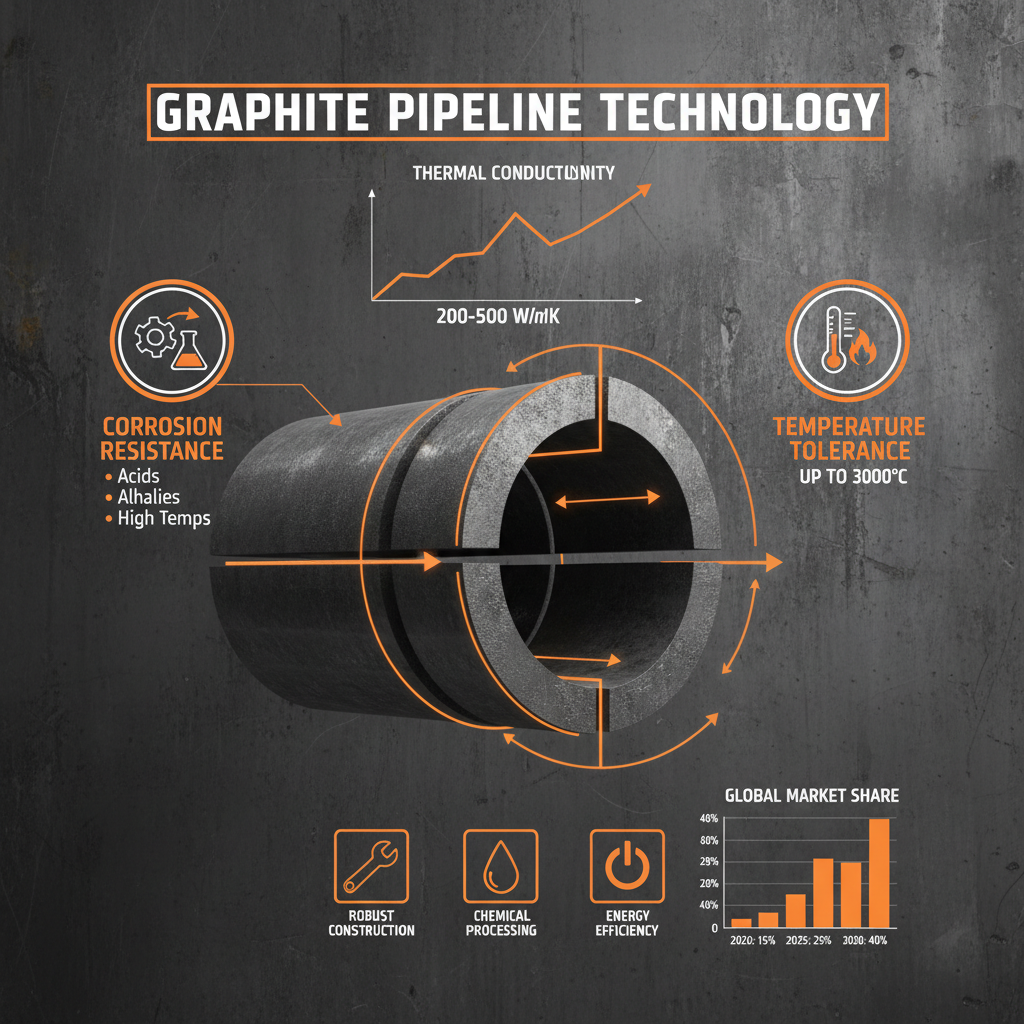
When specifying graphite pipe, several key parameters must be considered. These include the pipe's diameter, wall thickness, length, and the graphite grade (e.g., fine-grained, coarse-grained, impregnated). The operating temperature and pressure of the application will dictate the appropriate material selection. Ensuring the pipe conforms to relevant industry standards is also vital. Here's a brief overview:
Conclusion: Partnering with NL Graphite for Reliable Graphite Piping Solutions
Investing in high-quality graphite pipe is a crucial step in ensuring the longevity and efficiency of your industrial processes. NL Graphite offers a comprehensive range of graphite piping solutions, backed by technical expertise and unwavering commitment to customer satisfaction. Contact us today to discuss your specific application and discover how we can help optimize your operations.
Frequently Asked Questions (FAQs)
What are the benefits of using graphite pipe in corrosive environments?
Graphite is inherently resistant to a vast array of corrosive chemicals, acids, and alkalis, making graphite pipe an ideal choice where other materials would rapidly degrade. Unlike metals, graphite doesn't rust or corrode, maintaining its integrity and preventing contamination of the fluid being transported. This leads to reduced maintenance costs, increased system uptime, and enhanced safety. The chemical inertness of graphite also means it won't react with the process fluids, preserving their purity.
What is the typical service life of graphite pipe?
The service life of graphite pipe depends significantly on the specific application and operating conditions. Factors such as temperature, pressure, flow rate, and the corrosivity of the fluid being handled all play a role. Generally, graphite pipe can provide reliable service for 10-20 years or even longer in less demanding environments. Regular inspection and proper maintenance can help maximize its lifespan.
Can graphite pipe handle high temperatures?
Yes, graphite pipe exhibits excellent high-temperature resistance. It can operate effectively at temperatures up to 2000°C in inert atmospheres. Its low thermal expansion coefficient minimizes stress and distortion during temperature fluctuations. This makes it well-suited for applications in furnaces, heat exchangers, and other high-temperature processes. However, it is important to note that graphite oxidizes in air at elevated temperatures; therefore, protective coatings or inert gas purging may be necessary in oxidizing environments.
Does NL Graphite offer custom graphite pipe fabrication?
Yes, NL Graphite provides custom graphite pipe fabrication services to meet specific customer requirements. We can manufacture graphite pipe in various diameters, lengths, and wall thicknesses, as well as with specialized fittings and connections. Our experienced engineers and skilled technicians can work closely with you to design and produce graphite piping solutions tailored to your unique application.
 Pervious
 Next
Next