

- Englist


Exploring the Versatility and Applications of High Performance Rod Graphite

Understanding the Versatility of Rod Graphite
Rod graphite, a highly versatile form of carbon, plays a crucial role in numerous industrial applications. Its unique properties—including high thermal and electrical conductivity, self-lubrication, and resistance to chemical attack—make it an indispensable material. This article delves into the characteristics of rod graphite, its manufacturing processes, diverse applications, and future trends. We’ll also showcase how NL Graphite delivers high-quality rod graphite solutions. Understanding these aspects is key for engineers, manufacturers, and anyone involved in advanced materials utilization.
What is Rod Graphite and Its Core Properties?
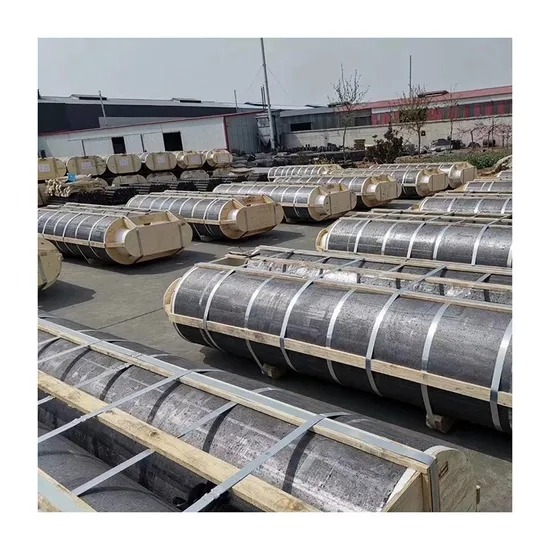
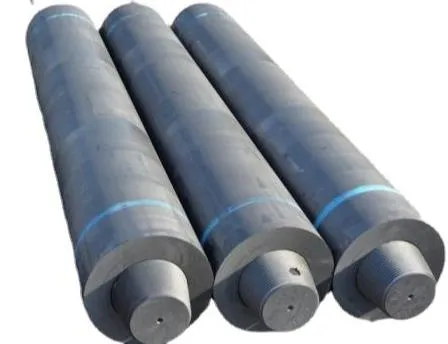
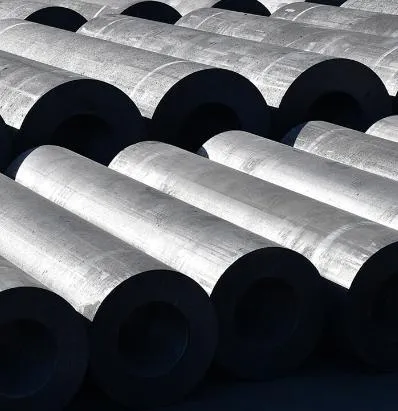
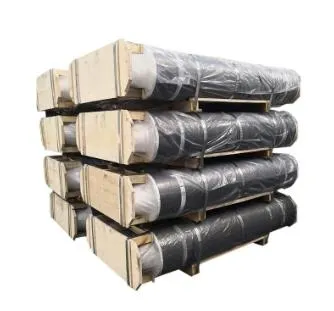
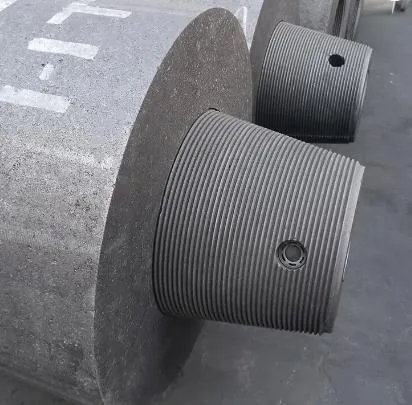
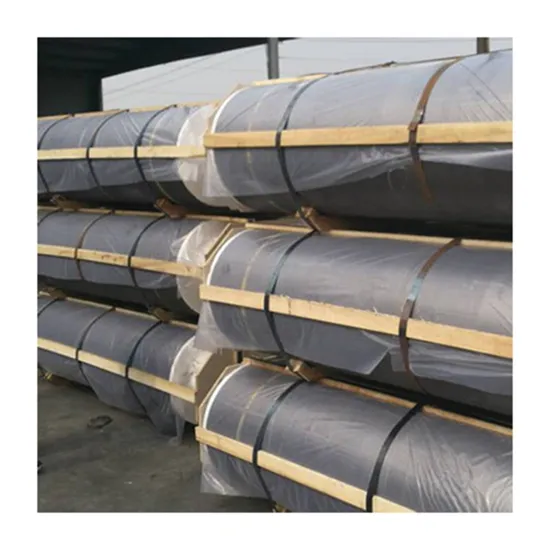
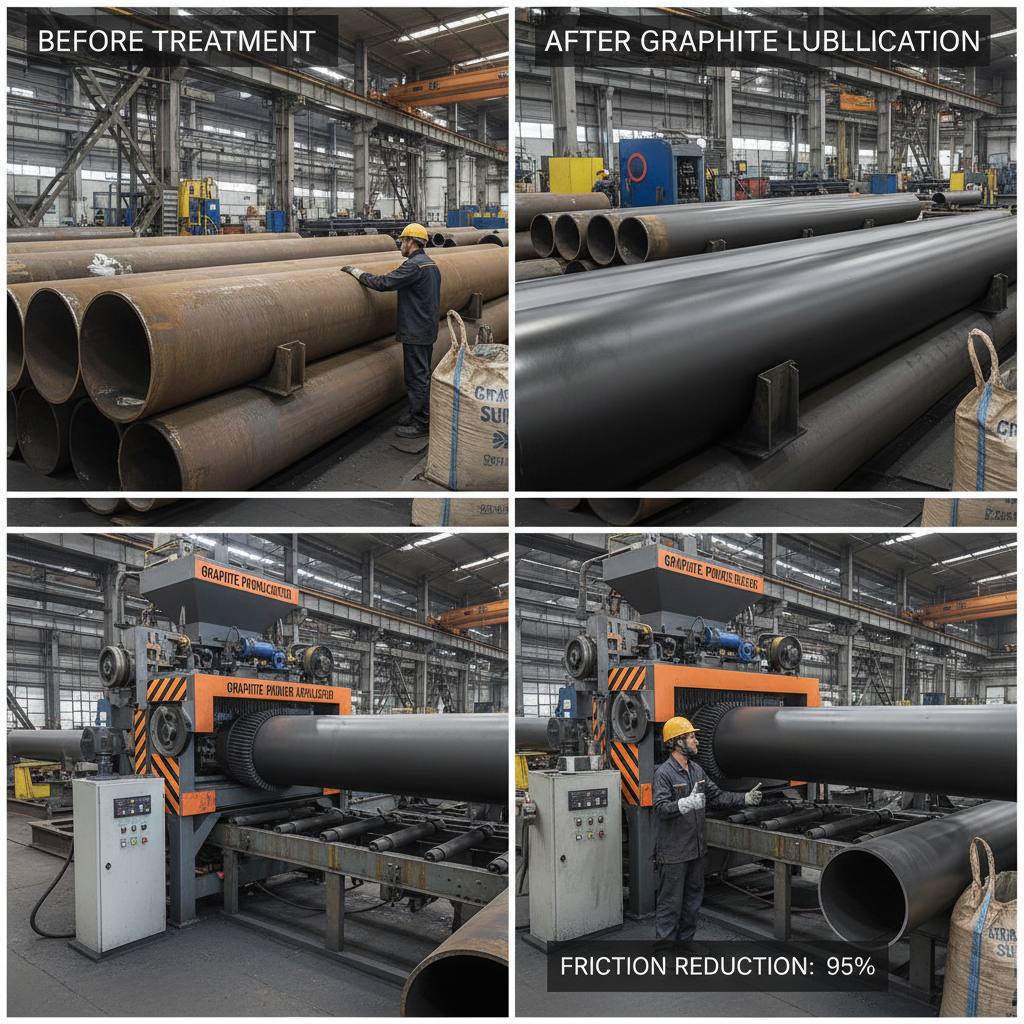
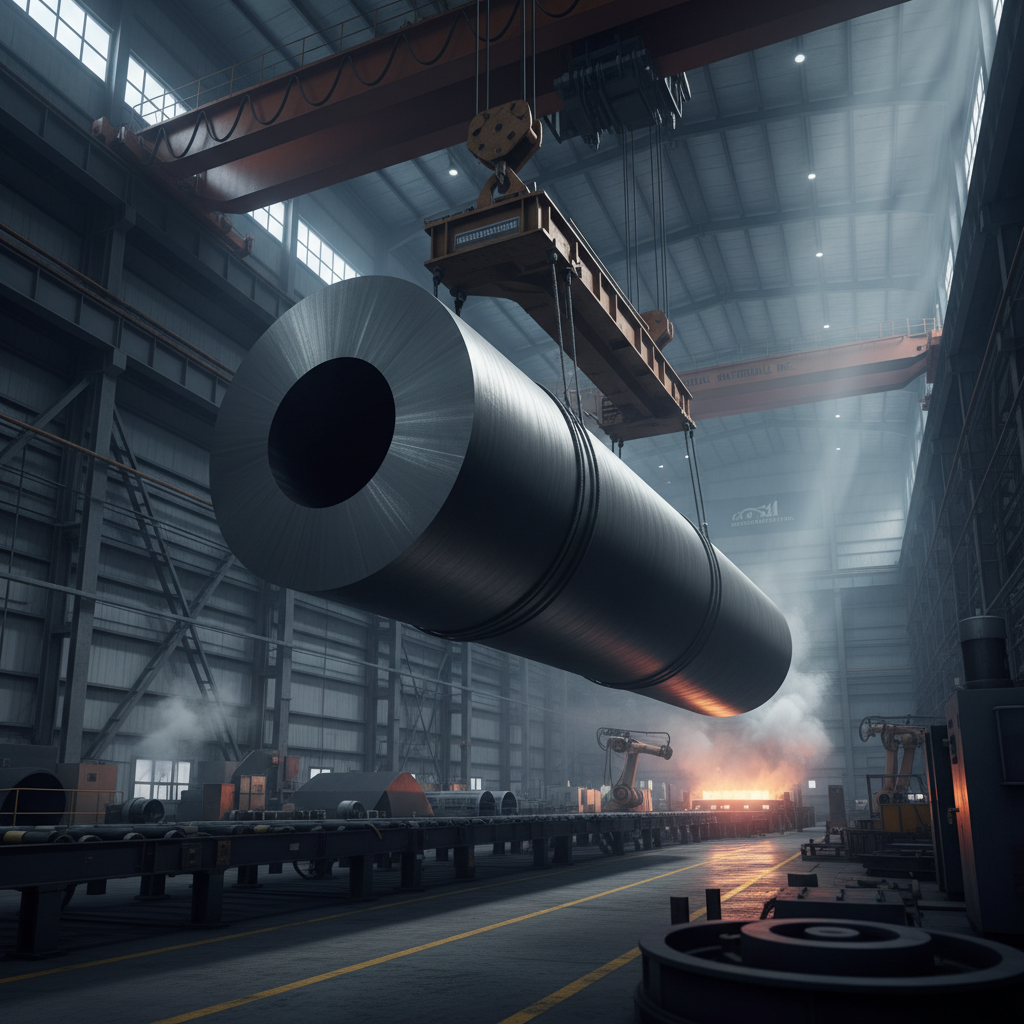
Rod graphite is essentially graphite material formed into cylindrical shapes. It's produced through various methods, including extrusion, molding, and machining. The quality of the rod graphite directly correlates with its raw material source and manufacturing process. Its inherent properties make it invaluable. For example, its high thermal conductivity enables efficient heat dissipation, while its electrical conductivity makes it crucial for electrodes. Moreover, its self-lubricating nature minimizes friction, extending the lifespan of mechanical components. You can explore a wide range of graphite rod products at NL Graphite.
Key Highlights: Rod graphite’s unique combination of properties makes it suitable for demanding applications across various industries.
Manufacturing Processes of Rod Graphite
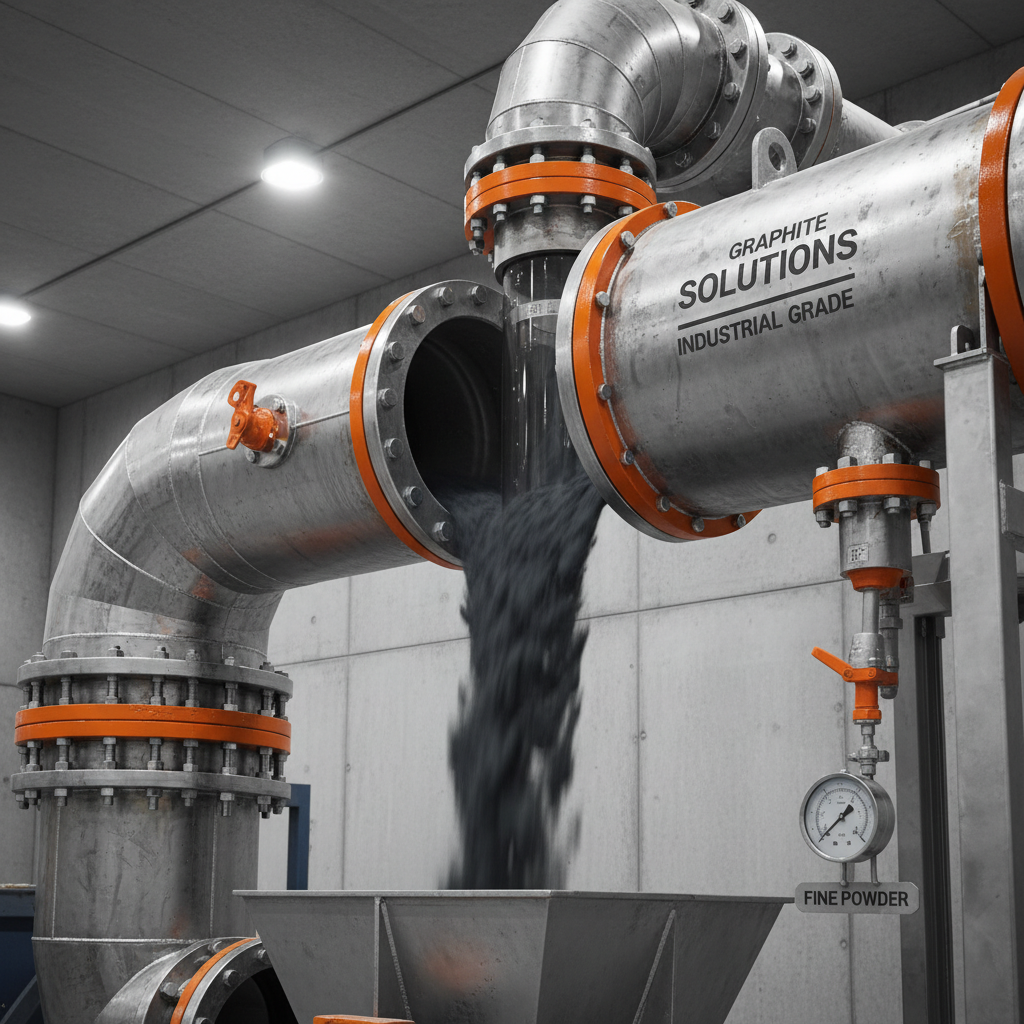
Several methods are employed in the production of rod graphite, each influencing the final product's characteristics. Extrusion is a common technique where graphite powder is forced through a die to create a cylindrical shape. Molding involves compressing graphite powder into a mold, followed by sintering at high temperatures. Machining, on the other hand, starts with a larger graphite block and uses cutting tools to shape it into the desired rod dimensions. The choice of method depends on factors like desired precision, volume of production, and the specific graphite grade required.
Manufacturing Method Benefits:
• Extrusion: Cost-effective for large-scale production.
• Molding: Allows for complex shapes and high density.
• Machining: Provides high precision and tolerance.
Rod Graphite Applications: A Diverse Range
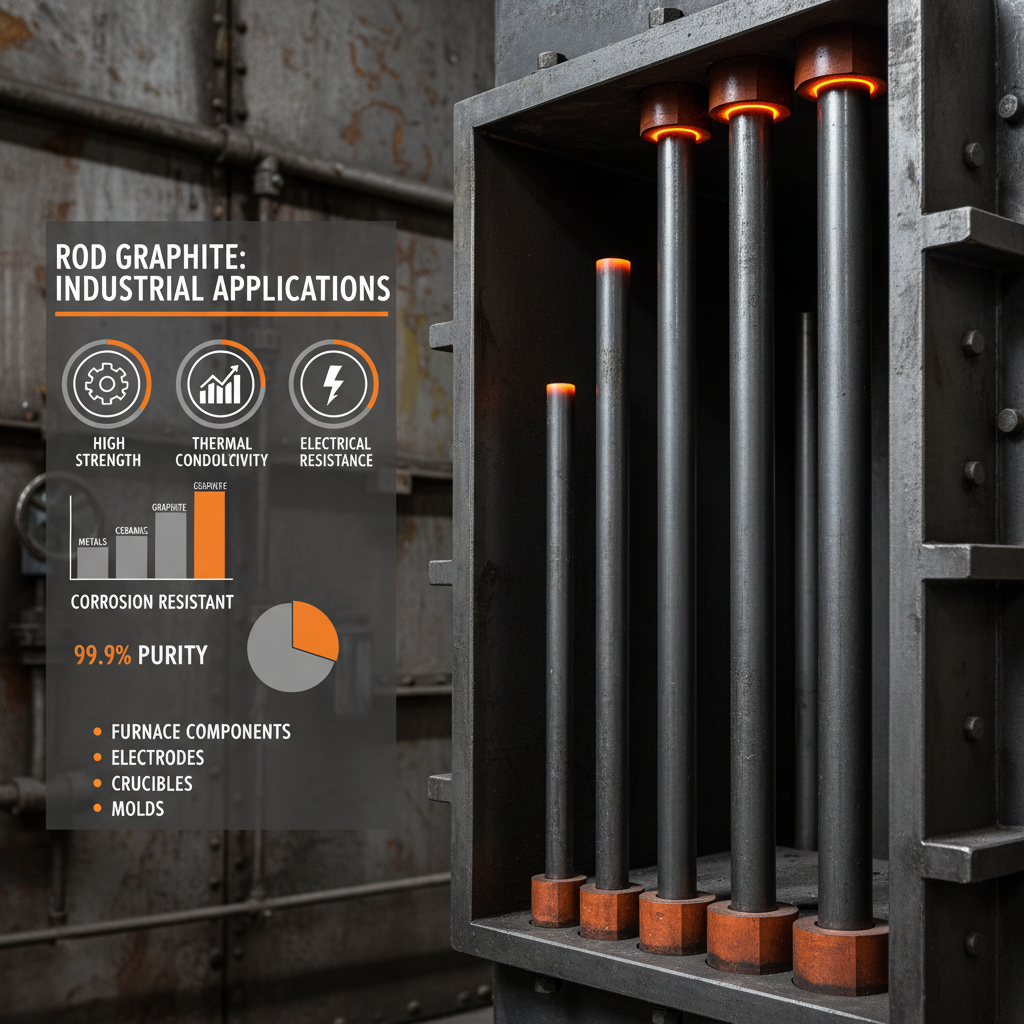
The applications of rod graphite are incredibly diverse, stemming from its exceptional properties. In the electrical industry, it's used for electrodes in electric arc furnaces and as brushes in electric motors. The semiconductor industry leverages its high purity and thermal conductivity for crucibles and susceptors. Metallurgy benefits from its use in continuous casting dies. Furthermore, in the chemical processing industry, its chemical inertness makes it ideal for heat exchangers and reaction vessels. And, as you'll find with NL Graphite’s products, specialized applications are continuously emerging.
Selecting the Right Grade of Rod Graphite
Not all rod graphite is created equal. Different grades offer varying levels of purity, density, and mechanical strength. Selecting the appropriate grade is vital for optimal performance. For example, high-purity graphite is essential for semiconductor applications, minimizing contamination. High-density graphite is preferred for applications requiring high mechanical strength and wear resistance. Understanding your application’s specific requirements, and consulting with experts like those at NL Graphite, ensures you choose the ideal rod graphite for your needs.
Future Trends in Rod Graphite Technology
The future of rod graphite is promising, with ongoing research and development driving innovation. One key trend is the development of ultra-high purity graphite for advanced semiconductor applications. Another is the exploration of graphite composites, combining graphite with other materials to enhance its properties. The increasing demand for sustainable materials is also driving interest in eco-friendly graphite production methods. NL Graphite remains at the forefront of these advancements, continually striving to provide cutting-edge rod graphite solutions.
Conclusion: Rod Graphite – A Material for the Future
Rod graphite, with its exceptional properties and diverse applications, remains a critical material across numerous industries. Choosing a reliable supplier like NL Graphite ensures access to high-quality products and expert support. As technology advances, the demand for innovative graphite solutions will only continue to grow.
Frequently Asked Questions (FAQs)
What are the main advantages of using rod graphite over other materials?
Rod graphite offers a unique combination of advantages, including high thermal and electrical conductivity, self-lubrication, excellent chemical resistance, and low thermal expansion. These properties make it superior to many other materials in demanding applications. For example, in high-temperature environments, its resistance to oxidation and thermal shock sets it apart. Its self-lubricating nature eliminates the need for external lubrication, reducing maintenance costs.
How is rod graphite used in the electric vehicle (EV) battery industry?
Rod graphite plays a crucial role in the production of EV batteries, particularly as a component in bipolar plates. These plates facilitate the flow of current within the battery cells and contribute to efficient heat dissipation. The conductivity and thermal management capabilities of rod graphite are essential for optimal battery performance and longevity. As the EV industry grows, the demand for high-quality graphite components will continue to increase.
What is the typical lifespan of a rod graphite component?
The lifespan of a rod graphite component depends heavily on the application and operating conditions. In less demanding environments, it can last for many years. However, in high-temperature or corrosive environments, the lifespan may be shorter. Regular inspection and maintenance are crucial to identify any signs of wear or degradation. NL Graphite can provide guidance on optimal usage and maintenance practices to maximize the lifespan of its products.
 Pervious
 Next
Next