

- Englist



High Performance Lubrication Guide for Micronized Graphite

Micronized Graphite: The Ultimate Guide to High-Performance Lubrication
In the world of industrial materials, precision is everything. micronized graphite represents the pinnacle of carbon engineering, offering an ultra-fine powder form of graphite that provides exceptional lubricating and conductive properties. Unlike standard graphite, the micronized version is processed to achieve a specific, consistent particle size, making it indispensable for high-tech applications where friction reduction and thermal management are critical. Whether you are formulating advanced lubricants or enhancing composite materials, understanding the nuances of this material is key to optimizing your product's performance. In this guide, we will explore the technical advantages and diverse industrial applications of this versatile material.

What Exactly is Micronized Graphite?
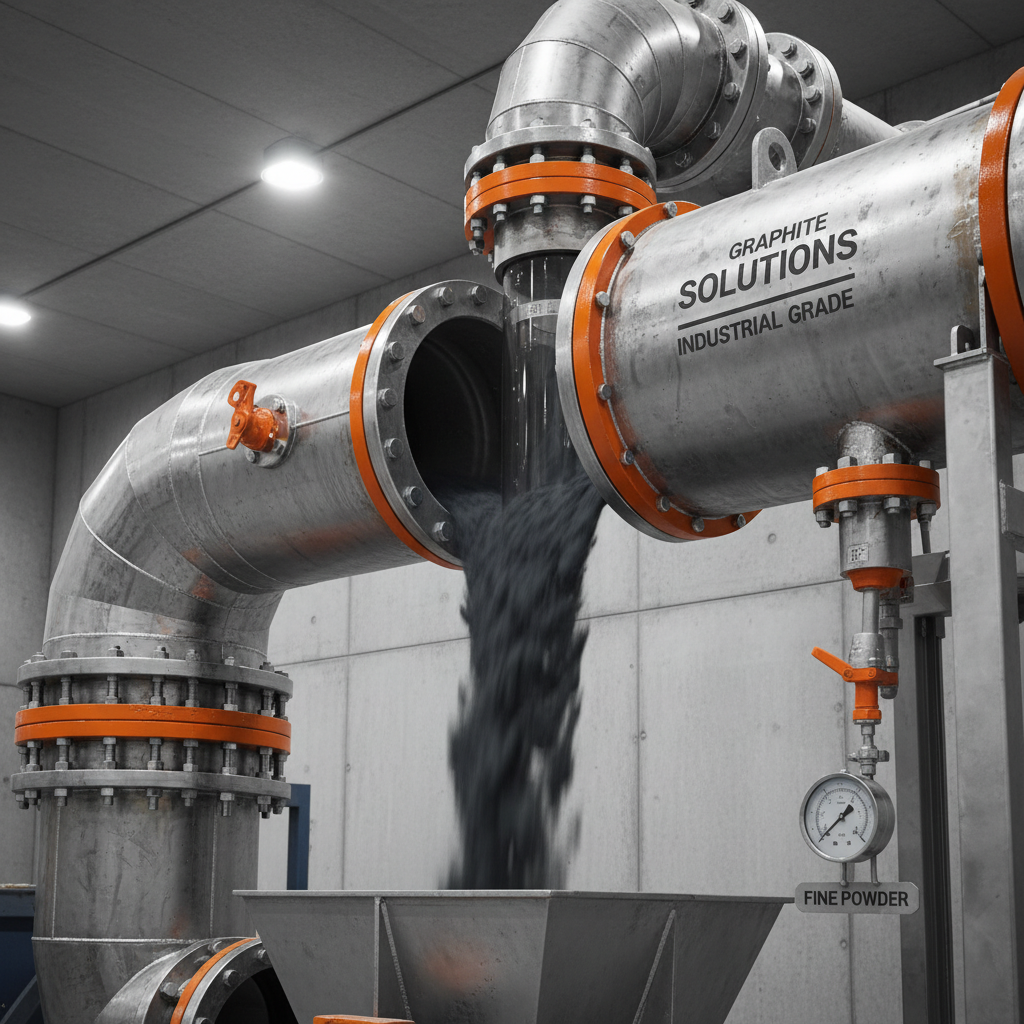
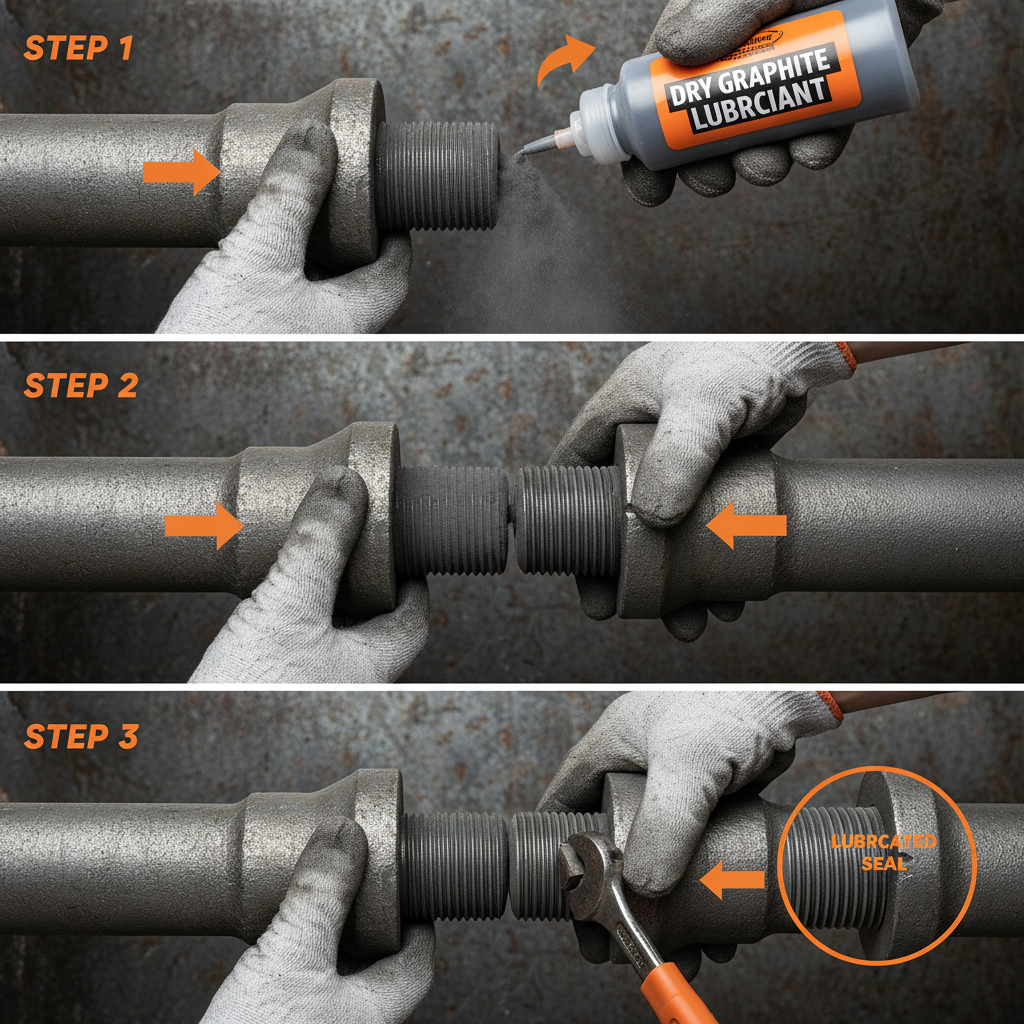
At its core, micronized graphite is a crystalline form of carbon that has been mechanically reduced to a particle size typically ranging from 1 to 50 microns. This process increases the surface area of the material significantly compared to coarse graphite. High surface area allows for better dispersion in oils, polymers, and other binders, resulting in a more uniform coating and superior sliding properties. Because it maintains the natural lubricity of graphite—due to its layered hexagonal structure—it can slide easily between layers, reducing wear and tear on mechanical components. This makes it an ideal additive for environments where liquid lubricants might evaporate or fail.
Key Highlight: The micronization process ensures that the graphite particles are small enough to penetrate tight tolerances in machinery, providing lubrication where larger particles simply cannot reach.
The Key Advantages of Micronized Graphite in Industry
The transition from standard graphite to micronized graphite offers several transformative benefits. First is the enhanced thermal conductivity, which helps in dissipating heat away from critical contact points, preventing overheating in high-speed machinery. Second is its chemical inertness; it does not react with most acids or bases, making it stable in harsh chemical environments. Furthermore, its ability to act as a dry lubricant means it can operate in vacuum conditions or extreme temperatures where traditional greases would break down. These properties combine to create a material that not only extends the lifespan of hardware but also reduces maintenance downtime.
Performance Benefits:
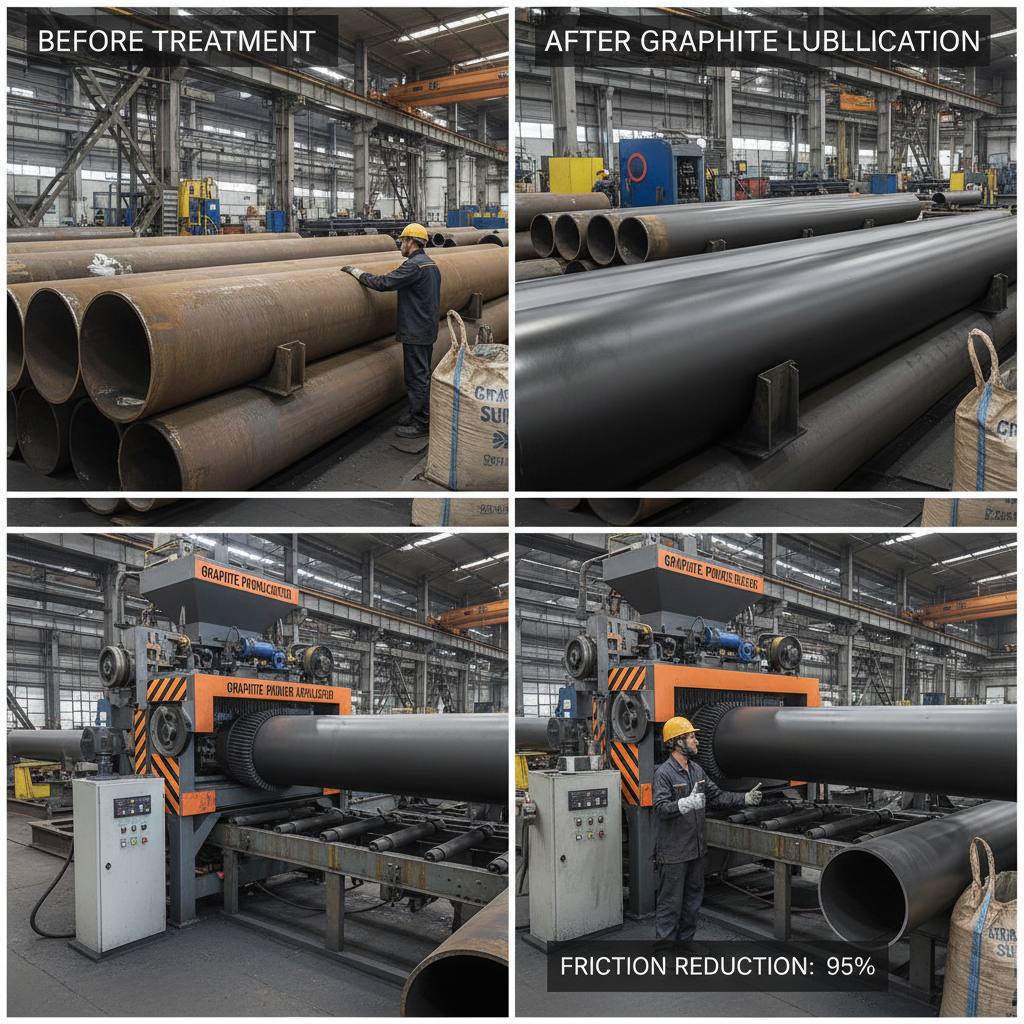
• Drastic reduction in friction coefficients
• High temperature and pressure stability
• Superior dispersion in liquid and solid mediums
• Excellent electrical conductivity for grounding applications
Micronized Graphite Specifications and Grades
Depending on the application, different grades of micronized graphite are required. For example, an ultra-fine grade is preferred for high-end cosmetics or precision electronics, while a slightly coarser micronized grade is ideal for industrial lubricants. The purity level is another critical factor, as impurities can affect the electrical conductivity and the color of the final product. Below is a standard specification table used to categorize high-quality micronized graphite powders.
Comparing Micronized Graphite vs. Standard Graphite Powder
When deciding between materials, it is important to understand why micronized graphite is often the superior choice for modern engineering. Standard graphite powder is often produced through simple crushing, which leaves jagged particles and an uneven size distribution. This can lead to "clumping" in liquids or abrasive wear on delicate surfaces. Micronized graphite, however, undergoes a controlled reduction process that ensures spherical or plate-like particles of a uniform size. This results in a smoother finish and far more consistent lubrication layers.
Common Applications of Micronized Graphite
The versatility of micronized graphite allows it to be used across a vast spectrum of industries. In the automotive sector, it is added to engine oils and brake pads to reduce friction and heat. In the electronics industry, it is used in thermally conductive pastes to keep CPUs and GPUs cool. Additionally, it is a vital component in the production of plastic composites, where it improves the mold-release properties and increases the electrical conductivity of the polymer. Even in the aerospace industry, its ability to function in extreme vacuums makes it a primary choice for satellite lubrication systems.
How to Choose the Right Graphite Supplier
Selecting the right partner for your micronized graphite needs is critical for quality assurance. You should look for suppliers who provide detailed particle size distribution (PSD) reports and purity certificates. Consistency is key; a slight variance in micron size can completely change the viscosity of a lubricant or the conductivity of a composite. Ensure the supplier uses advanced milling technology to avoid contamination. By partnering with experts like NL Graphite, businesses can ensure they receive materials that meet international standards and provide a competitive edge in product durability and efficiency.
Conclusion: Elevating Performance with Micronized Graphite
From reducing friction in heavy machinery to enhancing the thermal properties of electronics, micronized graphite is an essential material for modern industrial progress. Its unique combination of ultra-fine particle size, high purity, and exceptional lubricity makes it far superior to traditional graphite options. By integrating this advanced carbon material into your production process, you can significantly extend the lifespan of your components and improve overall operational efficiency. Choose quality, choose precision, and choose the right grade of micronized graphite for your specific needs.
Frequently Asked Questions (FAQs)
What is the main difference between micronized graphite and regular graphite powder?
The primary difference lies in the particle size and distribution. Regular graphite powder is typically produced through coarse grinding, leading to irregular particle sizes and shapes. In contrast, micronized graphite is processed using advanced milling techniques to achieve a very small, uniform particle size (usually under 20 microns). This uniformity allows the graphite to disperse more evenly in liquids and polymers, providing a smoother lubricating film and better penetration into micro-cracks or tight mechanical tolerances, which drastically reduces friction compared to coarse powder.
Can micronized graphite be used as a dry lubricant?
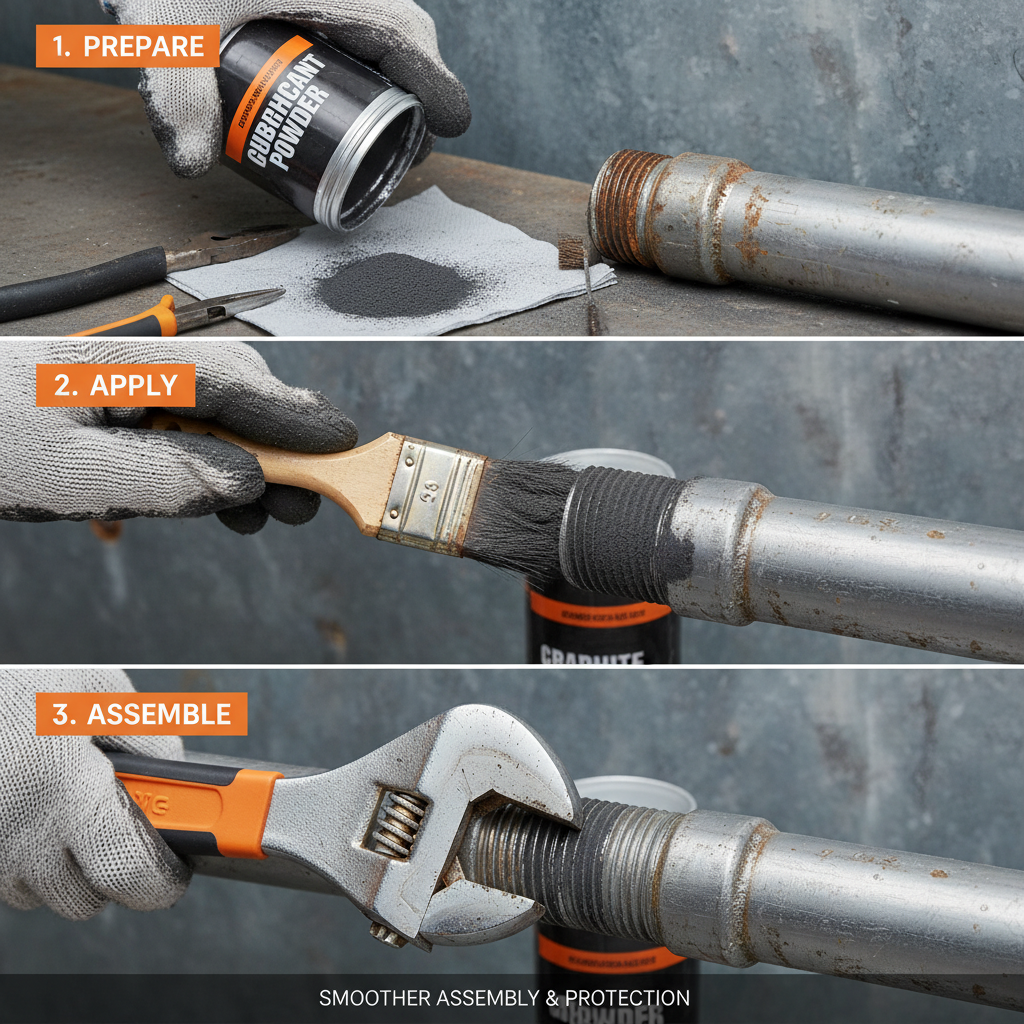
Yes, it is exceptionally effective as a dry lubricant. Due to its plate-like crystalline structure, the layers of carbon can slide over each other with very little resistance. Because it is micronized, it can be applied as a fine coating that adheres well to surfaces. This makes it ideal for applications where wet lubricants (like oil or grease) are impractical, such as in high-vacuum environments, extreme temperature zones, or clean-room settings where liquid contamination must be avoided. It provides a durable, low-friction barrier that protects surfaces from wear.
How does micronized graphite improve thermal conductivity in composites?
Graphite has a naturally high thermal conductivity along its basal plane. When graphite is micronized, its high surface area allows it to create a more continuous and interconnected network within a polymer or composite matrix. This "percolation network" facilitates the efficient transfer of heat from one end of the material to the other. By replacing or augmenting other fillers with high-purity micronized graphite, manufacturers can create heat sinks or thermally conductive plastics that prevent hotspots in electronic devices, thereby increasing the device's reliability and lifespan.
Is micronized graphite safe for use in all industries?
Graphite is generally chemically inert and non-toxic, making it safe for a wide variety of industrial applications. However, because it is a very fine powder, it can become airborne. Like any micronized powder, it is recommended to use proper PPE (such as dust masks and ventilation) during the mixing and handling process to avoid inhalation. In terms of product compatibility, it is highly stable and does not react with most industrial chemicals, making it a safe additive for everything from automotive lubricants to high-end plastic coatings.
 Pervious
 Next
Next