

- Englist



Advancements in Pet Coke Gasification for Sustainable Energy and Chemical Production

Pet Coke Gasification: A Comprehensive Overview
Pet coke gasification is an increasingly important process in the energy and materials sectors. It offers a pathway to convert low-value petroleum coke, a byproduct of oil refining, into valuable syngas, which can then be utilized for power generation, chemical production, or hydrogen production. This article will delve into the process, its benefits, applications, challenges, and future trends, with a focus on how NL Graphite’s high-quality graphite materials play a crucial role in optimizing gasification efficiency. As the world seeks cleaner and more sustainable energy solutions, understanding pet coke gasification is paramount.
Understanding the Pet Coke Gasification Process
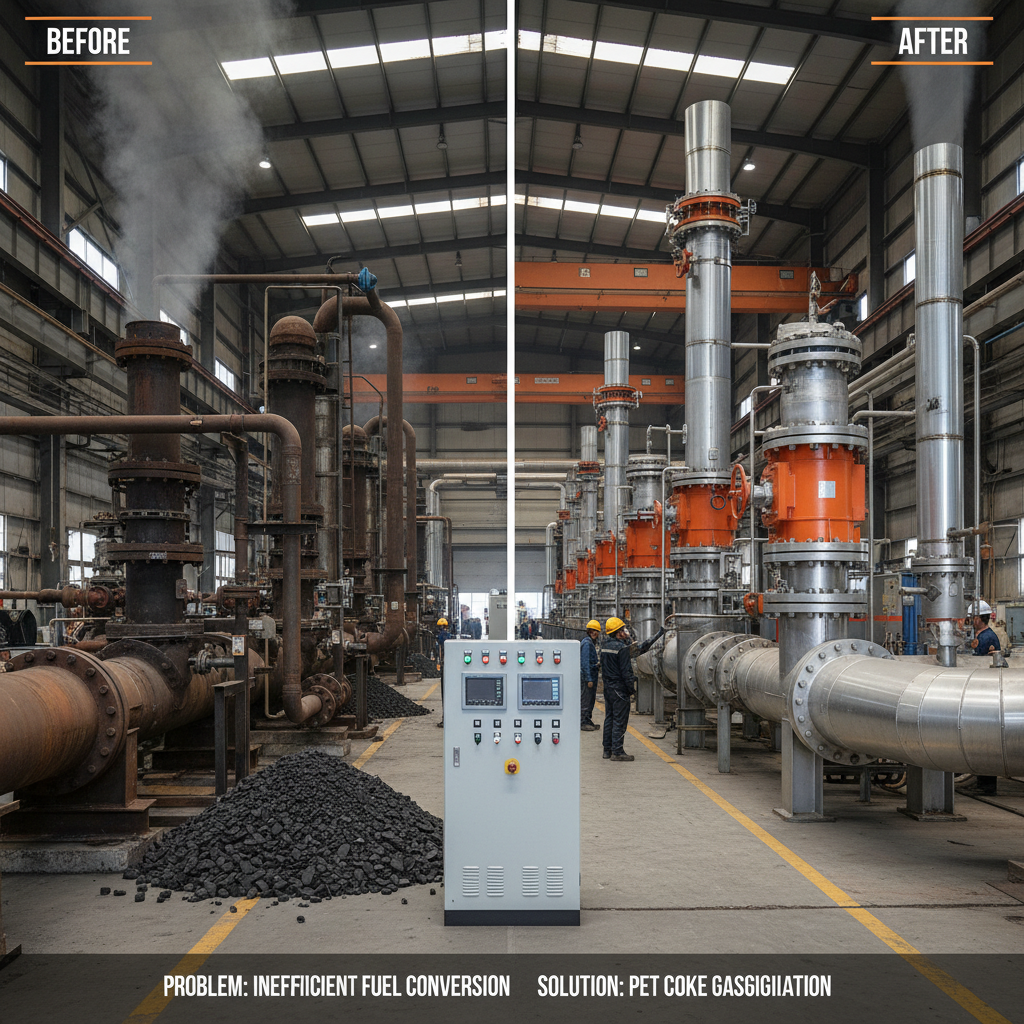
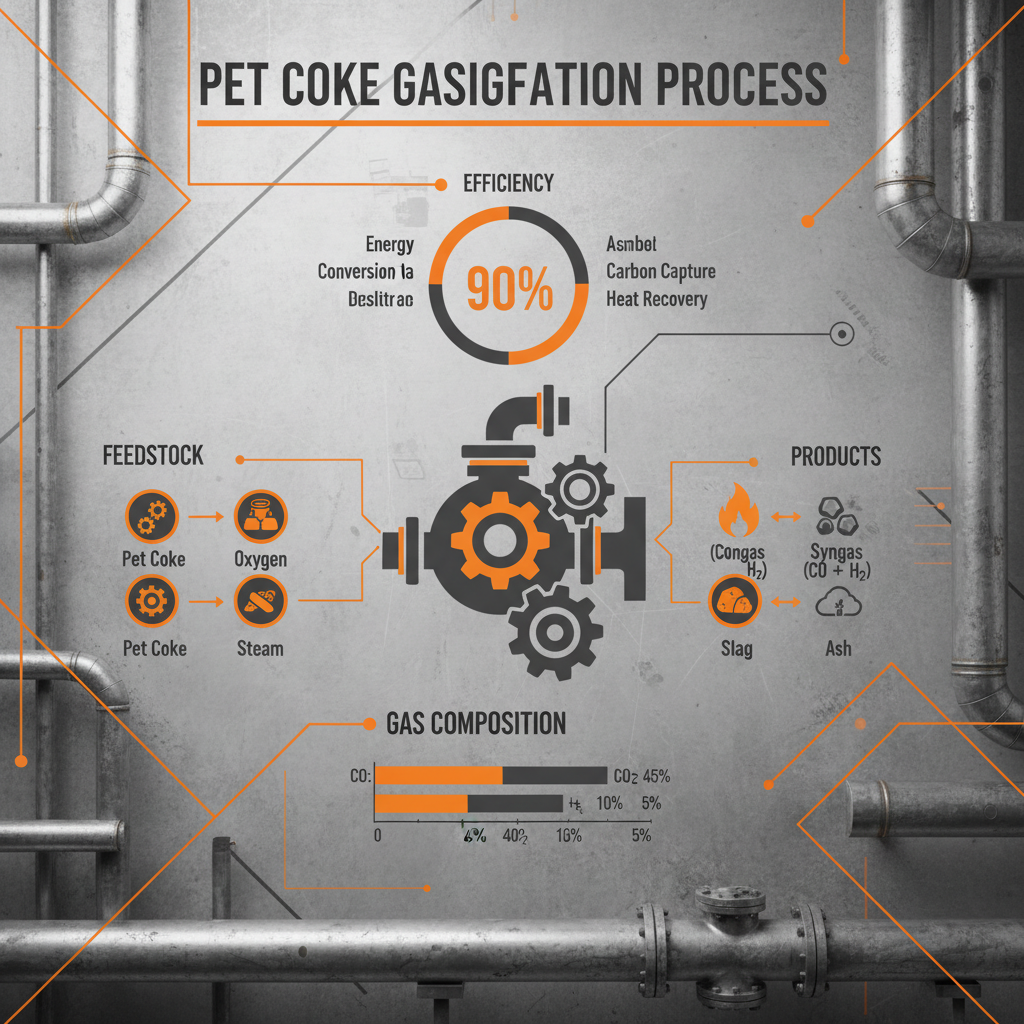
Pet coke gasification involves reacting petroleum coke with a gasifying agent – typically steam, oxygen, or air – at high temperatures (700-1400°C). This process breaks down the carbon-rich coke into syngas, a mixture primarily composed of carbon monoxide (CO) and hydrogen (H2). The specific gasifying agent and operating conditions determine the syngas composition and its suitability for various applications. Key factors influencing gasification efficiency include coke reactivity, temperature control, and the use of catalysts. Effective control of these parameters is essential for maximizing syngas yield and minimizing environmental impact. NL Graphite provides high purity graphite blocks used in the construction of gasifiers.
Key Highlights: Pet coke gasification is a thermochemical process that converts carbonaceous materials into a gaseous fuel. It is a sustainable and efficient method to utilize a byproduct of oil refining.
Applications of Syngas Produced from Pet Coke Gasification
The syngas generated from pet coke gasification has a wide range of applications. It can be directly used as a fuel for power generation in combined cycle gas turbines (CCGTs). Alternatively, it can serve as a feedstock for producing valuable chemicals like methanol, ammonia, and synthetic fuels via the Fischer-Tropsch process. The increasing demand for hydrogen positions syngas as a key intermediate for hydrogen production, particularly with carbon capture and storage (CCS) technologies. Furthermore, syngas can be used in the production of dimethyl ether (DME), a clean-burning alternative to diesel. NL Graphite's materials play a critical role in the electrodes used in electrochemical synthesis processes that leverage syngas.
Syngas Applications:
• Power Generation
• Chemical Production (Methanol, Ammonia)
• Hydrogen Production
• Synthetic Fuel Production
Pet Coke Gasification Technologies: A Comparative Overview
Several gasification technologies are employed, each with its advantages and disadvantages. These include fixed-bed gasifiers, fluidized-bed gasifiers, and entrained-flow gasifiers. Entrained-flow gasifiers typically operate at higher temperatures and pressures, resulting in higher carbon conversion rates and cleaner syngas. Fluidized-bed gasifiers are well-suited for handling a wider range of feedstocks. Fixed-bed gasifiers are simpler in design but generally have lower efficiency. The choice of technology depends on the specific coke characteristics, desired syngas composition, and economic considerations. Graphite materials from NL Graphite are essential components in the construction of durable and efficient gasifier internals, regardless of the technology employed.
The Role of Graphite in Pet Coke Gasification
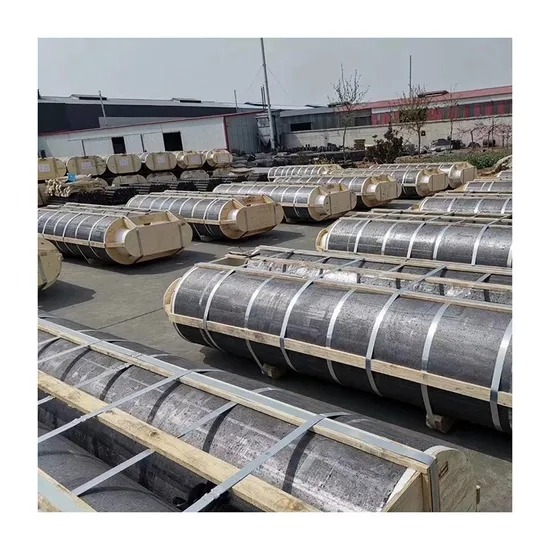
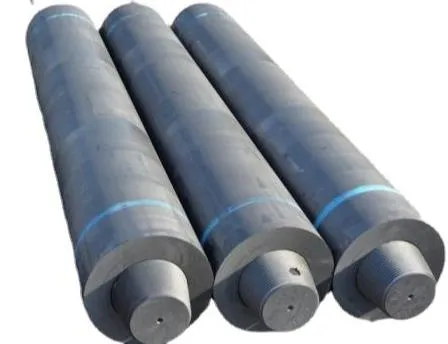
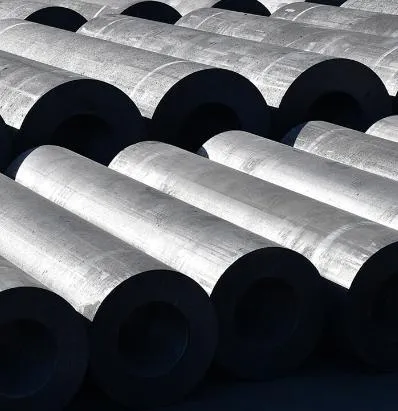
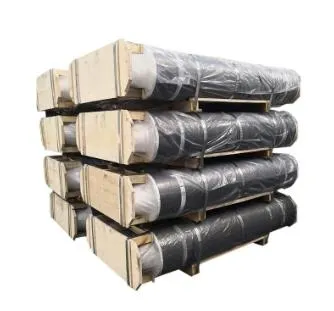
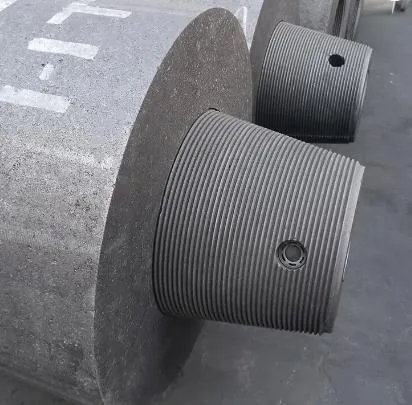
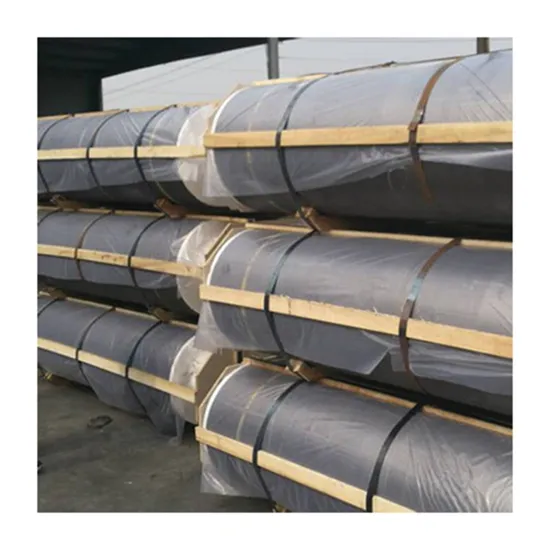
Graphite materials are crucial components in various parts of a pet coke gasification plant. High-purity graphite is used to construct electrodes for plasma gasifiers, refractory linings for the gasifier vessel to withstand extreme temperatures, heat exchangers for efficient heat recovery, and nozzles for injecting gasifying agents. The thermal stability, chemical inertness, and excellent electrical conductivity of graphite make it ideal for these demanding applications. NL Graphite specializes in producing high-quality graphite blocks and components tailored to the specific needs of the gasification industry, enhancing operational efficiency and longevity.
Challenges and Future Trends in Pet Coke Gasification
Despite its benefits, pet coke gasification faces challenges. These include the handling of ash and slag, minimizing greenhouse gas emissions, and the overall economic viability of the process. Future trends focus on integrating carbon capture and storage (CCS) technologies to create carbon-negative energy production, improving gasifier designs for higher efficiency, and developing new catalysts to enhance syngas quality. Furthermore, advancements in materials science, such as the development of more durable graphite components from companies like NL Graphite, will play a vital role in driving down costs and improving the long-term sustainability of pet coke gasification.
Conclusion: A Sustainable Pathway with Pet Coke Gasification
Pet coke gasification offers a promising pathway to utilize a byproduct of oil refining while producing valuable energy and chemical feedstocks. Overcoming the existing challenges through technological innovation, such as advanced graphite materials from NL Graphite, will be critical for unlocking the full potential of this sustainable energy solution.
Frequently Asked Questions (FAQs)
What are the environmental concerns associated with pet coke gasification?
While pet coke gasification offers a route to utilize a waste product, potential environmental concerns include greenhouse gas emissions (primarily CO2), ash disposal, and the release of pollutants like sulfur oxides (SOx) and nitrogen oxides (NOx). However, these can be mitigated through the implementation of carbon capture and storage (CCS) technologies, advanced emission control systems, and responsible ash management practices. The use of high-efficiency gasifiers and optimized operating conditions also helps minimize environmental impact.
How does NL Graphite contribute to improving gasification efficiency?
NL Graphite provides high-purity graphite materials used in critical components of gasification plants, such as electrodes, heat exchangers, and refractory linings. The excellent thermal stability, chemical inertness, and conductivity of our graphite materials enhance the durability and efficiency of these components, resulting in improved gasification performance, reduced maintenance costs, and increased plant uptime.
What is the future outlook for pet coke gasification?
The future outlook for pet coke gasification is positive, driven by the increasing demand for clean energy and sustainable chemical feedstocks. Further advancements in gasification technologies, combined with the integration of CCS, are expected to make pet coke gasification a significant contributor to a low-carbon economy. The development of more efficient and durable materials, like those offered by NL Graphite, will also play a vital role in realizing this potential.
What types of pet coke are suitable for gasification?
Different grades of pet coke can be used for gasification, including green coke and delayed coke. Delayed coke generally has a higher carbon content and lower sulfur content, making it more desirable for gasification. However, green coke can also be used, albeit requiring more extensive pre-treatment. The key parameters to consider are the carbon content, ash content, sulfur content, and volatile matter content of the coke.
 Pervious
 Next
Next