

- Englist



Comprehensive Guide to Synthetic Graphite Powder Properties and Applications

Understanding Synthetic Graphite Powder: A Comprehensive Guide
Synthetic graphite powder is a highly versatile material used across a wide range of industries, from lithium-ion batteries to lubricants and refractories. Unlike natural graphite, which is mined from the earth, synthetic graphite is manufactured, allowing for greater control over its purity, particle size, and other crucial characteristics. This article will delve into the production, properties, applications, and benefits of synthetic graphite powder, providing a thorough overview for engineers, researchers, and procurement professionals. Choosing the right graphite powder is vital for optimizing performance and achieving desired results in your application.
The Manufacturing Process of Synthetic Graphite Powder
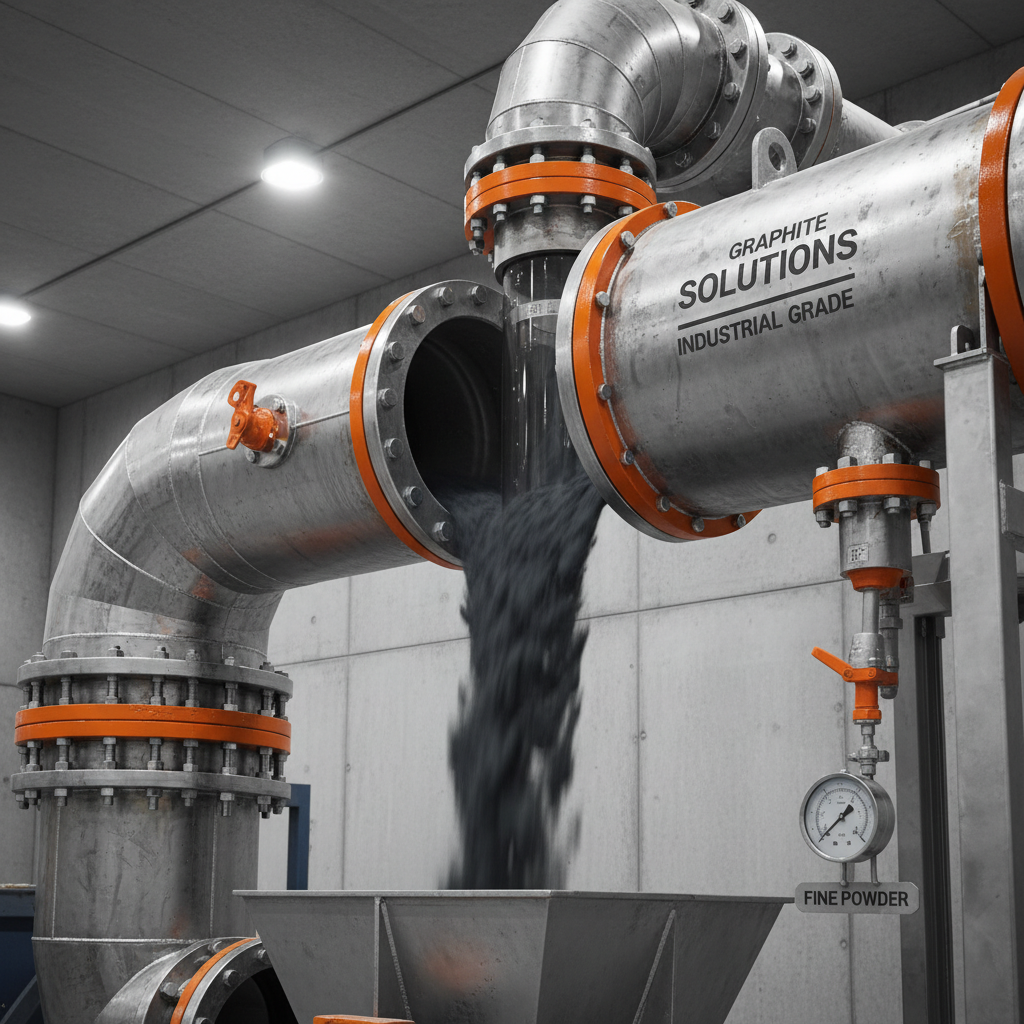
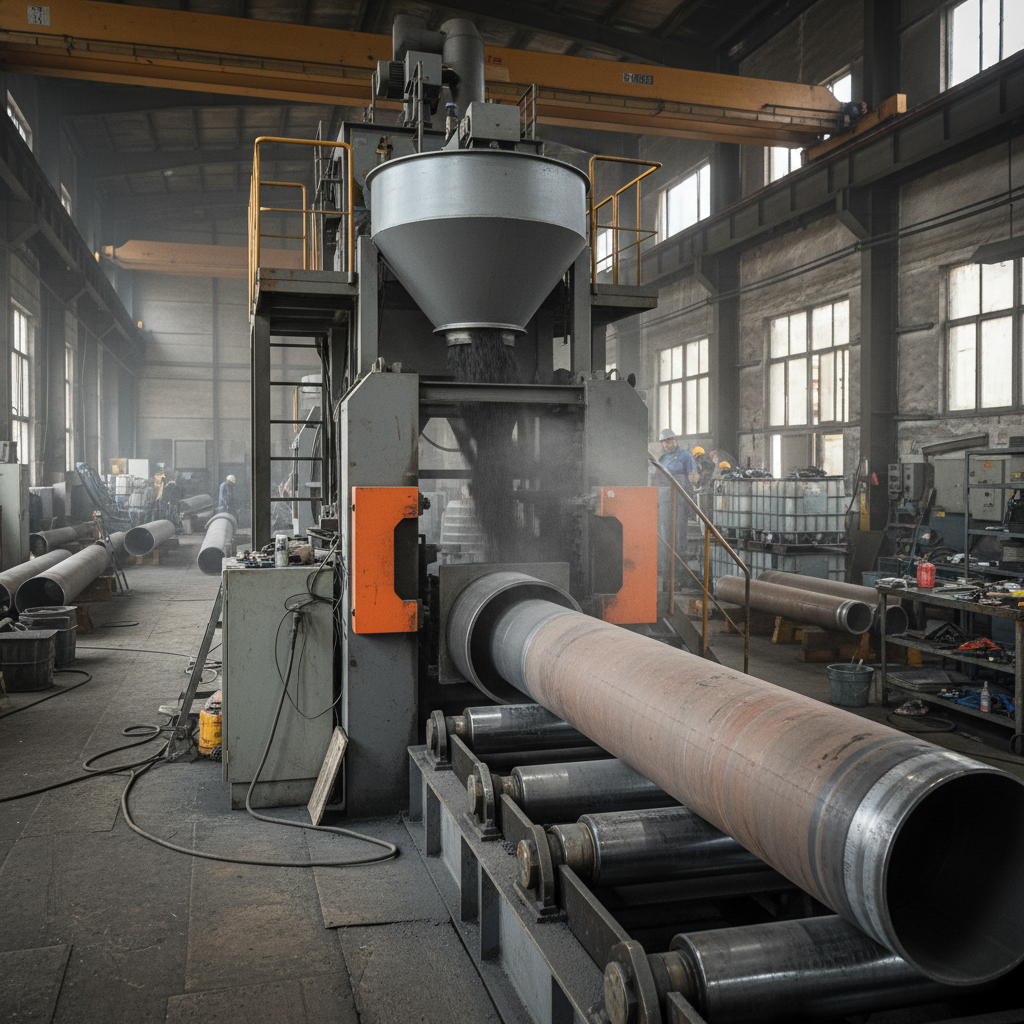
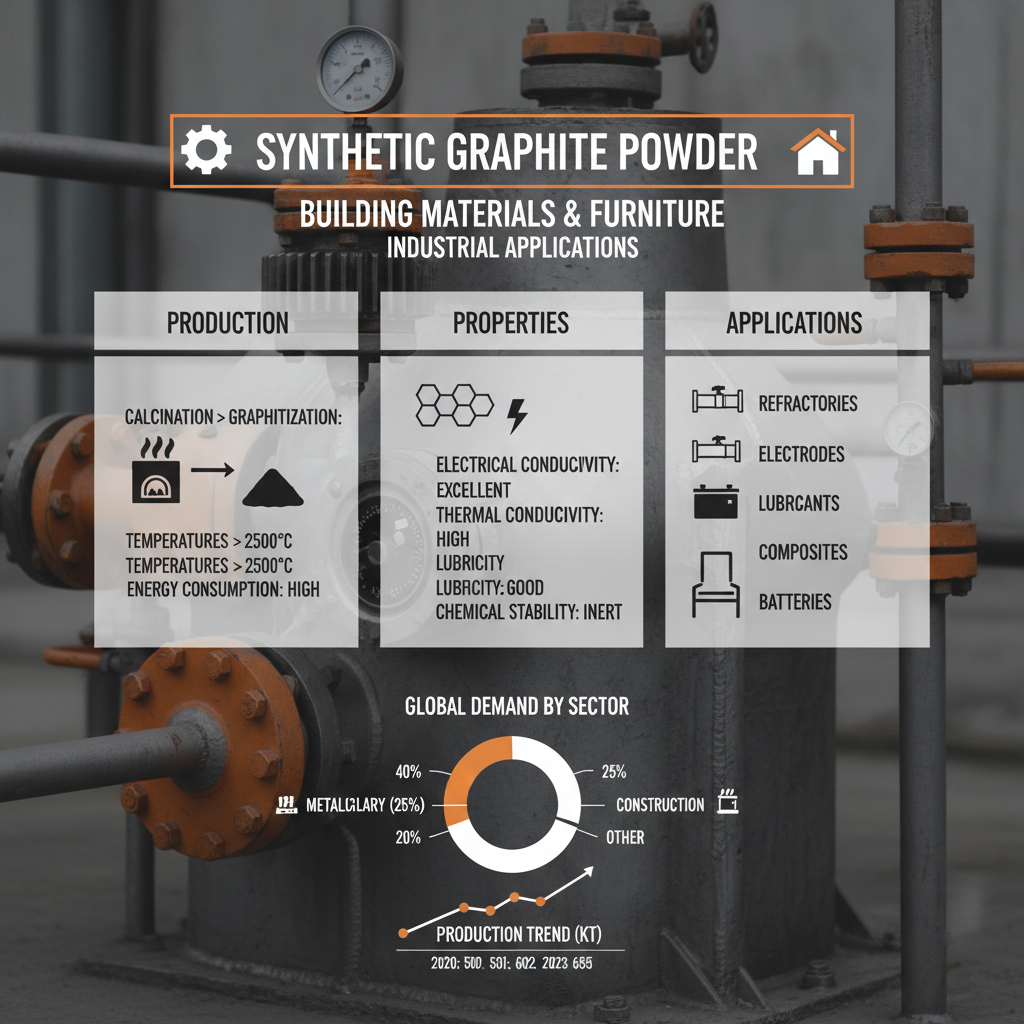
Synthetic graphite powder is primarily produced through the graphitization of carbonaceous materials, most commonly petroleum coke or coal tar pitch. The process involves heating these materials to extremely high temperatures (typically 2500-3000°C) in an inert atmosphere – often argon or nitrogen. This high-temperature treatment causes the amorphous carbon structure to transform into the highly ordered, crystalline structure of graphite. The manufacturing process allows for meticulous control over parameters like particle size distribution, morphology, and impurity levels. Different feedstocks and graphitization conditions yield powders with varying properties, tailored to specific applications. NL Graphite specializes in providing tailored synthetic graphite powders to meet diverse client needs.
Key Highlights: The graphitization process is crucial for achieving the desired crystalline structure and purity. Controlling temperature and atmosphere is vital for optimizing powder characteristics.
Key Properties of Synthetic Graphite Powder
Synthetic graphite powder exhibits a unique combination of properties that make it invaluable in numerous applications. These include high electrical conductivity, excellent thermal conductivity, chemical inertness, and self-lubricating properties. Its layered structure provides superior performance in applications requiring low friction and high temperature resistance. Crucially, synthetic graphite boasts a higher purity compared to natural graphite, minimizing unwanted side reactions and maximizing performance. Particle size, shape, and surface area can be precisely controlled during manufacturing, allowing for customization to meet specific application requirements.
Key Properties:
• High Electrical Conductivity
• Excellent Thermal Conductivity
• Chemical Inertness
• Self-Lubricating
Synthetic Graphite Powder Applications
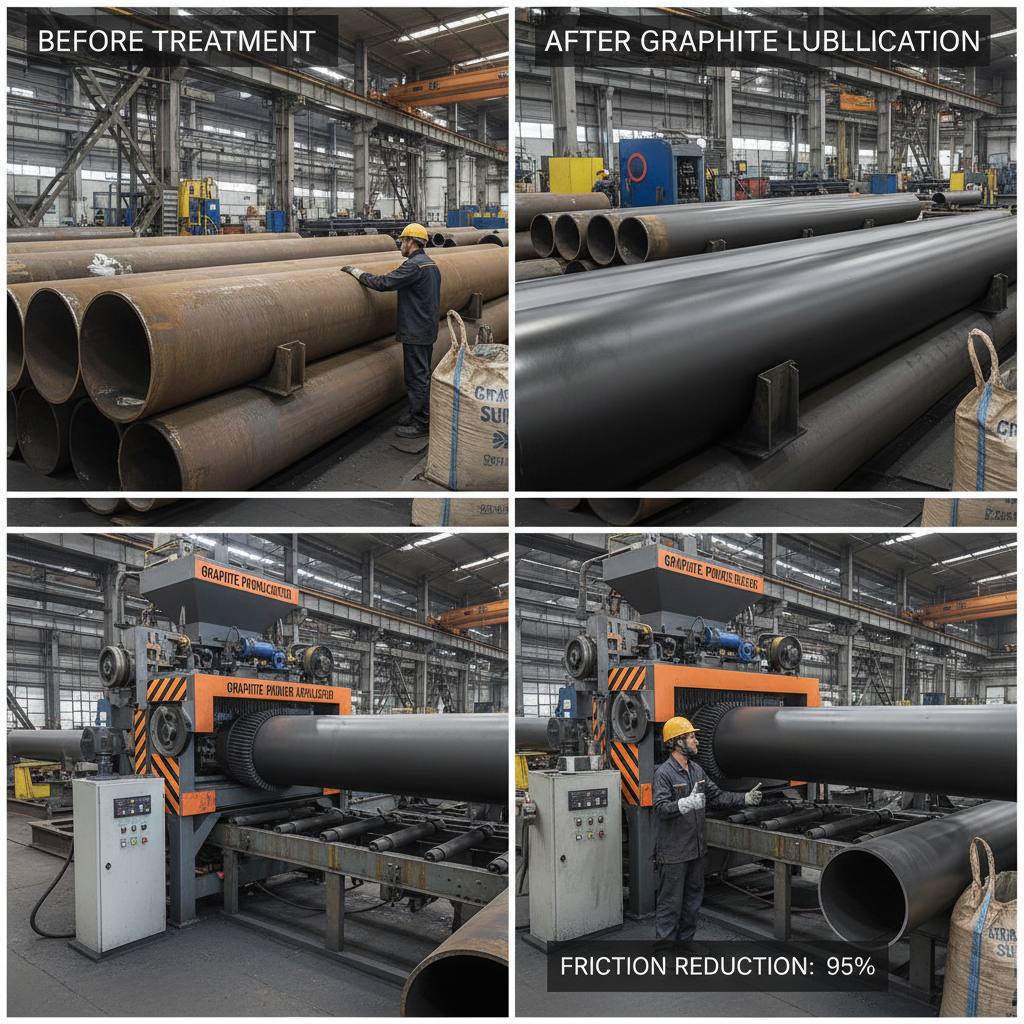
The versatility of synthetic graphite powder lends itself to a diverse array of applications. A major use is in lithium-ion battery anodes, where its conductivity and stability are essential for battery performance. It’s also widely utilized as a lubricant in various industrial processes, reducing friction and wear. Furthermore, synthetic graphite is a crucial component in refractories, high-temperature materials used in furnaces and other industrial applications. Other applications include carbon brushes for electric motors, conductive plastics, and brake linings.
Synthetic vs. Natural Graphite Powder: A Comparison
While both synthetic and natural graphite offer excellent properties, there are key differences. Synthetic graphite generally exhibits higher purity and more consistent properties due to its controlled manufacturing process. Natural graphite can contain impurities that may affect performance in certain applications. Synthetic graphite also allows for greater control over particle size and shape, tailoring the powder to specific needs. However, natural graphite is often less expensive, making it a viable option for less demanding applications.
Choosing the Right Synthetic Graphite Powder Supplier
Selecting a reliable supplier is crucial for ensuring consistent quality and performance. Consider factors such as the supplier's production capacity, quality control processes, technical expertise, and ability to customize powders to your specific requirements. A supplier with strong research and development capabilities can also provide valuable support in optimizing your application. NL Graphite is committed to providing high-quality synthetic graphite powder and exceptional customer service.
Conclusion: The Future of Synthetic Graphite Powder
As demand for high-performance materials continues to grow, synthetic graphite powder will play an increasingly important role in diverse industries. Its unique combination of properties, combined with the ability to customize its characteristics, makes it an indispensable material for a wide range of applications. By partnering with a trusted supplier like NL Graphite, you can ensure access to the highest quality synthetic graphite powder and unlock its full potential.
Frequently Asked Questions (FAQs)
What are the key advantages of using synthetic graphite over natural graphite in lithium-ion batteries?
Synthetic graphite offers superior purity and a more consistent particle size distribution compared to natural graphite. This leads to improved battery performance, including higher capacity, better cycle life, and reduced internal resistance. The controlled manufacturing process of synthetic graphite allows for optimization of these parameters, resulting in a more reliable and efficient battery. Impurities in natural graphite can negatively impact battery performance and lifespan.
What particle sizes of synthetic graphite powder are available?
Synthetic graphite powder is available in a wide range of particle sizes, from sub-micron to several microns. The optimal particle size depends on the specific application. For lithium-ion batteries, smaller particle sizes are generally preferred to maximize surface area and improve electrochemical performance. NL Graphite offers a variety of particle sizes and can also customize powders to meet your specific requirements.
How is the purity of synthetic graphite powder measured?
The purity of synthetic graphite powder is typically measured by determining the carbon content and the concentration of impurities, such as ash, sulfur, and metals. Techniques like elemental analysis and loss on ignition (LOI) are commonly used. High-purity synthetic graphite typically contains over 99.9% carbon. NL Graphite provides detailed Certificates of Analysis (COAs) for all its products, guaranteeing consistent quality and purity.
 Pervious
 Next
Next