

- Englist



Comprehensive Analysis of Petroleum Coke Market Price Trends and Future Outlook

Petroleum Coke Market Price: A Comprehensive Analysis
The petroleum coke market price is a crucial indicator for various industries, including aluminum, steel, and cement production. Understanding the factors influencing this price is essential for businesses reliant on petcoke as a key input. This article delves into the current market dynamics, price trends, regional variations, and future outlook of the petroleum coke market, offering valuable insights for informed decision-making. For reliable sourcing and competitive pricing, explore NL Graphite’s petcoke offerings.

Factors Influencing Petroleum Coke Market Price
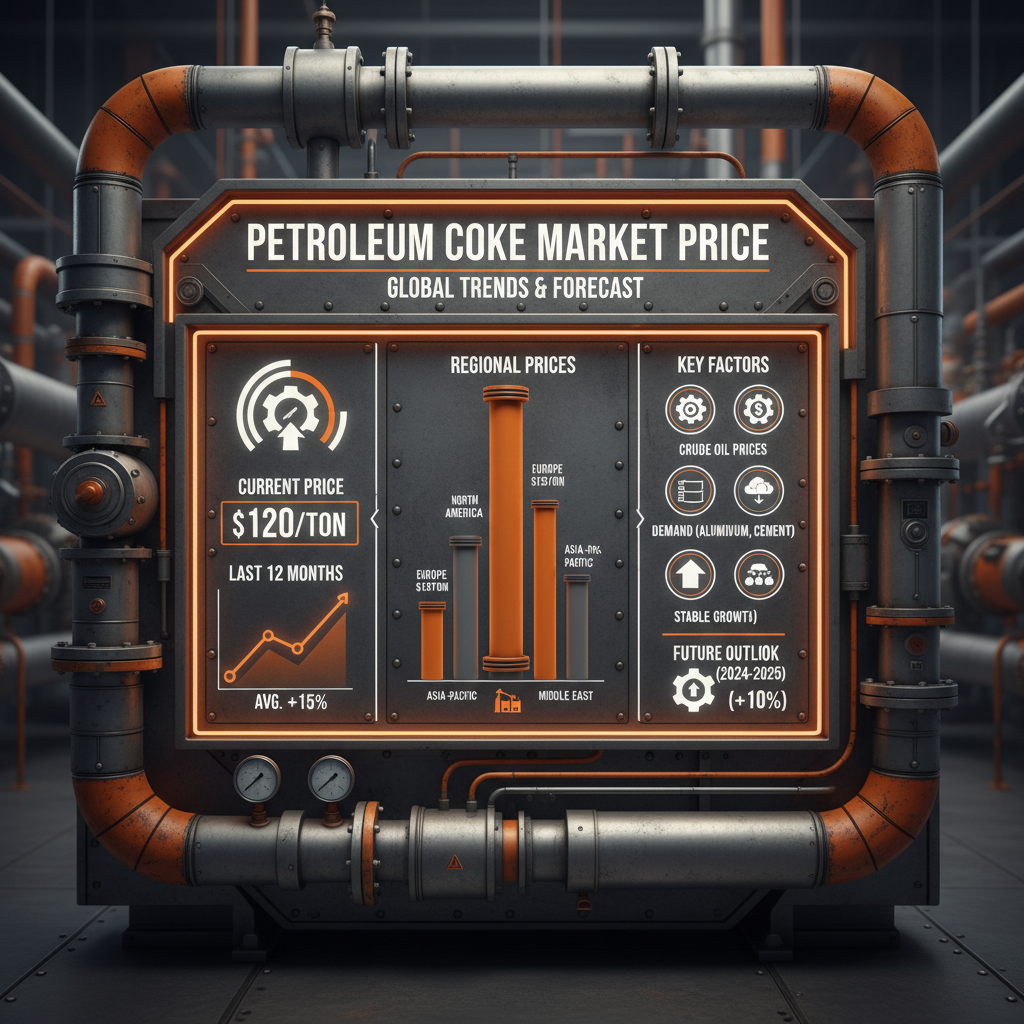
Several key factors contribute to fluctuations in the petroleum coke market price. Crude oil prices have a significant impact, as petcoke is a byproduct of the oil refining process. Refinery output and capacity utilization rates directly affect the supply of petcoke. Global economic conditions, particularly demand from key consuming industries like aluminum smelters, also play a vital role. Furthermore, transportation costs, environmental regulations, and geopolitical events can introduce volatility into the market. Changes in these factors can cause substantial shifts in pricing, impacting businesses across the supply chain.
Key Influencers: Crude oil prices, Refinery capacity, Global economic growth, Transportation costs, and Environmental regulations.
Regional Variations in Petroleum Coke Pricing
The petroleum coke market price exhibits significant regional variations due to differences in supply, demand, transportation infrastructure, and regulatory environments. The US Gulf Coast, a major refining hub, typically has lower petcoke prices compared to regions with limited supply or high transportation costs. Asia, particularly China and India, represents a substantial demand center, often leading to higher prices. Europe's prices are influenced by its dependence on imported petcoke and stricter environmental regulations. Understanding these regional dynamics is crucial for optimizing sourcing strategies and minimizing costs.
Regional Price Influencers:
• US Gulf Coast: Lower prices due to high supply.
• Asia (China & India): Higher prices due to strong demand.
• Europe: Influenced by import dependence & regulations.
Petroleum Coke Market Price: Current Trends (2023-2024)
Recent trends in the petroleum coke market price have been characterized by volatility due to geopolitical uncertainties and fluctuations in crude oil prices. In 2023, prices saw a moderate increase driven by rising demand from the aluminum sector. However, economic slowdowns in key regions led to some price corrections in late 2023 and early 2024. Supply chain disruptions and logistical challenges continue to contribute to price instability. Demand for lower-sulfur petcoke is increasing due to tightening environmental regulations. Explore competitive pricing and reliable supply through NL Graphite.
Impact of Environmental Regulations on Petcoke Pricing
Increasingly stringent environmental regulations are significantly impacting the petroleum coke market price. Regulations limiting sulfur emissions are driving demand for low-sulfur petcoke, which commands a premium price. Restrictions on petcoke handling and storage due to dust emissions are also increasing compliance costs for users. The move towards cleaner energy sources and carbon reduction targets may further constrain petcoke demand in the long term. Businesses must adapt to these evolving regulations to remain competitive and ensure sustainable operations.
Future Outlook for the Petroleum Coke Market
The future of the petroleum coke market price remains uncertain, with both opportunities and challenges. While demand from the aluminum and cement industries is expected to continue, the long-term outlook is contingent on factors such as the adoption of alternative materials and technologies, advancements in carbon capture and storage, and the pace of energy transition. Increased scrutiny of environmental impact will likely drive further demand for low-sulfur petcoke and necessitate investments in cleaner handling and storage practices. Reliable suppliers, like NL Graphite, will play a crucial role in navigating these complexities and ensuring a stable supply chain.
Conclusion: Navigating the Petroleum Coke Market
Understanding the dynamics of the petroleum coke market price is paramount for businesses relying on this essential commodity. Factors ranging from crude oil prices to environmental regulations impact market fluctuations. Staying informed, diversifying sourcing, and partnering with reliable suppliers like NL Graphite are crucial for mitigating risk and ensuring long-term success.
Frequently Asked Questions (FAQs)
What is the typical sulfur content in petroleum coke?
The sulfur content in petroleum coke varies depending on the crude oil source and refining process. Typically, sulfur content ranges from 1% to 6%. However, low-sulfur petcoke, with sulfur content below 1%, is becoming increasingly prevalent due to environmental regulations. The demand for low-sulfur petcoke is driving up its price compared to high-sulfur varieties. Selecting the appropriate sulfur content is crucial for compliance with local environmental standards and optimizing combustion efficiency in end-use applications.
How is petcoke transported?
Petcoke is typically transported by rail, barge, or truck. Rail is often the most cost-effective option for long-distance transport, while barges are suitable for moving large volumes along waterways. Trucking is used for shorter distances and last-mile delivery. The transportation method chosen depends on factors such as distance, volume, and infrastructure availability. Transportation costs contribute significantly to the overall petroleum coke market price, particularly for regions lacking efficient transport networks.
What are the main applications of petroleum coke?
The primary applications of petroleum coke are in the aluminum smelting industry, where it serves as a carbon source for the electrolytic process. It is also widely used in the cement industry as a fuel and reducing agent. Other applications include steel production, power generation, and the production of titanium dioxide. The demand from these key industries significantly influences the petroleum coke market price and overall market dynamics.
What are the alternatives to petroleum coke?
Alternatives to petroleum coke include coal, biomass, and various forms of renewable energy. In the aluminum industry, there is ongoing research into alternative carbon materials and technologies to reduce reliance on petcoke. The cement industry is exploring the use of alternative fuels and clinker substitutes to lower its carbon footprint. The adoption of these alternatives is influenced by factors such as cost, availability, and environmental regulations.
 Pervious
 Next
Next