

- Englist



Comprehensive Calcined Petroleum Coke Price Chart and Market Analysis

Calcined Petroleum Coke Price Chart: A Comprehensive Guide
Understanding calcined petroleum coke (CPC) prices is crucial for businesses across various industries, including aluminum, steel, and titanium dioxide production. This article provides a detailed overview of CPC pricing trends, factors influencing price fluctuations, and where to find reliable calcined petroleum coke price chart data. We will explore current market dynamics and offer insights into forecasting future price movements. Staying informed about CPC pricing allows for better budgeting and procurement strategies.

Factors Influencing Calcined Petroleum Coke Prices
Several key factors contribute to the fluctuations in CPC prices. The primary driver is crude oil pricing, as CPC is a byproduct of oil refining. Global supply and demand dynamics, particularly from the aluminum smelting industry, significantly impact price levels. Geopolitical events, transportation costs (including shipping rates), and environmental regulations also play a role. Increased demand from industries like graphite electrode production further pressures the market. Understanding these factors is essential for predicting price trends and making informed purchasing decisions.
Key Influencers: Crude oil prices, Global supply and demand, Geopolitical factors, Transportation costs, Environmental regulations.
Recent Calcined Petroleum Coke Price Trends
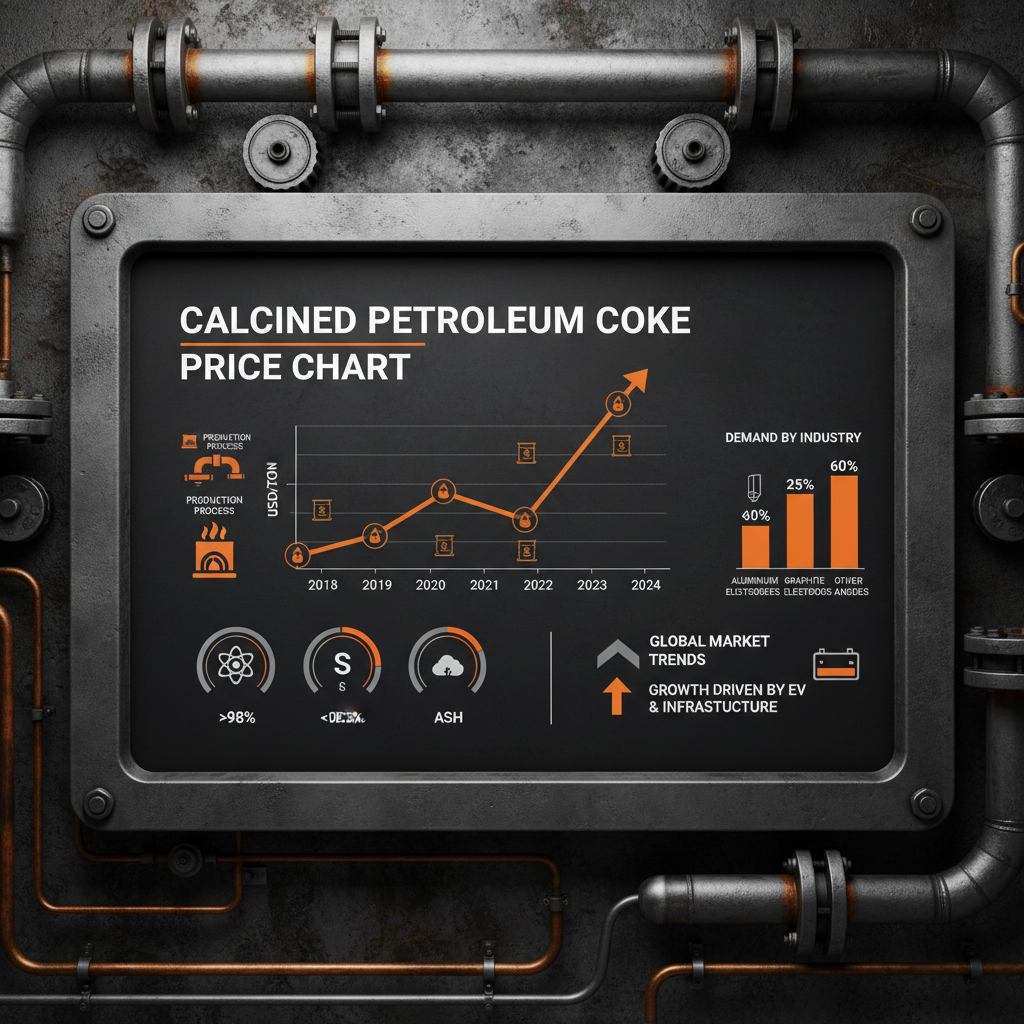
CPC prices have experienced volatility in recent years, mirroring fluctuations in the energy market. Following a period of relative stability, prices saw a notable increase in 2022 due to geopolitical tensions and supply chain disruptions. While prices have cooled somewhat in 2023, they remain sensitive to changes in crude oil prices and global economic conditions. Demand from China, a major consumer of CPC, significantly impacts overall market trends. To get a more precise view, examining a current CPC price chart is vital.
CPC Price Trend Highlights:
• Increase in 2022 due to geopolitical tensions.
• Sensitivity to crude oil price fluctuations.
• Significant impact from Chinese demand.
Calcined Petroleum Coke Price Chart (2023-2024)
The following table presents a snapshot of recent CPC pricing trends. Please note that these prices are indicative and may vary depending on quality, supplier, and delivery location. For the most up-to-date information, refer to industry reports and consult with reliable suppliers like NL Graphite.
Choosing a Reliable CPC Supplier
Selecting a reputable supplier is crucial for ensuring consistent quality and competitive pricing. Consider factors such as supplier experience, production capacity, quality control procedures, and logistical capabilities. Look for suppliers who can provide detailed calcined petroleum coke price chart data and offer transparent pricing structures. NL Graphite is a trusted supplier known for its high-quality products and reliable service.
CPC Product Specifications
Understanding the different grades and specifications of CPC is important for matching the product to your specific application. Key specifications include sulfur content, ash content, and fixed carbon percentage. Different industries have different requirements for these parameters. NL Graphite offers a range of CPC grades to meet diverse industrial needs.
Conclusion: Navigating the CPC Market
Staying informed about calcined petroleum coke price chart trends and working with a reliable supplier like NL Graphite are key to success. By understanding the factors influencing prices and selecting the appropriate grade for your application, you can optimize your procurement strategies and maintain a competitive edge.
Frequently Asked Questions (FAQs)
What is the typical lead time for CPC orders?
Lead times for CPC orders can vary depending on the quantity, supplier location, and current market conditions. Generally, lead times range from 2 to 6 weeks. It’s always best to confirm lead times directly with your supplier, particularly during periods of high demand or supply chain disruptions. NL Graphite strives to offer competitive lead times and efficient logistics.
How is CPC transported?
CPC is typically transported in bulk by sea or rail. Smaller quantities may be shipped in bags or containers. Proper packaging and handling are essential to prevent contamination and ensure the product arrives in good condition. Transportation costs are a significant factor influencing CPC prices, so it’s important to consider logistics when sourcing the material.
What industries utilize calcined petroleum coke?
Calcined petroleum coke is a vital raw material for numerous industries. The aluminum industry is the largest consumer, using it as an anode material in the smelting process. It's also used in the production of steel, titanium dioxide pigment, graphite electrodes, and various other industrial applications. The demand from these industries drives the overall CPC market.
 Pervious
 Next
Next