

- Englist



Industrial Applications and Properties of graphite fine powder

The Ultimate Guide to Graphite Fine Powder: Properties and Applications
In the world of industrial materials, graphite fine powder serves as a cornerstone for innovation across countless sectors. Known for its exceptional electrical conductivity, thermal stability, and self-lubricating properties, this versatile carbon material is essential for everything from high-tech batteries to heavy-duty machinery. Understanding the nuances of particle size, purity, and grade is critical for engineers and procurement specialists aiming to optimize performance in their final products. In this comprehensive guide, we will explore the technical advantages and diverse industrial roles of this remarkable powder.

Core Technical Properties of Graphite Fine Powder
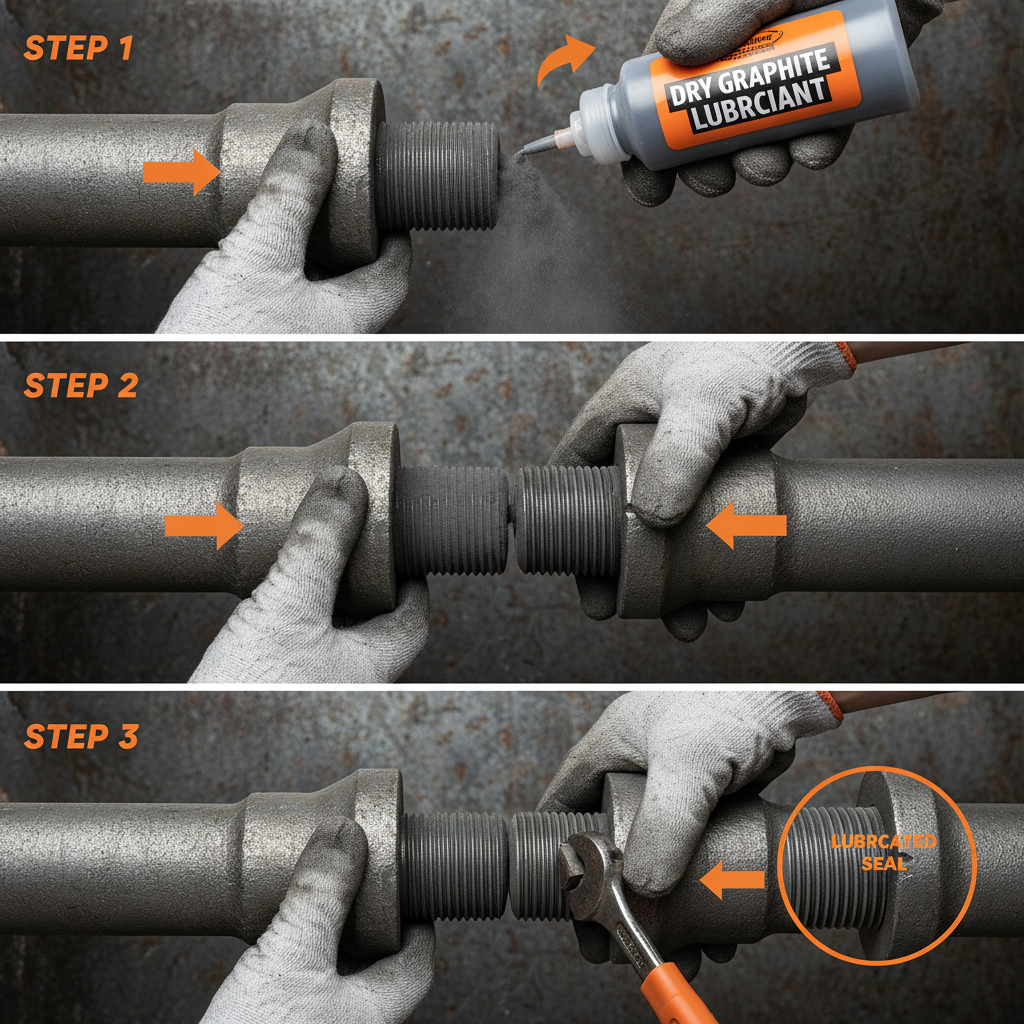
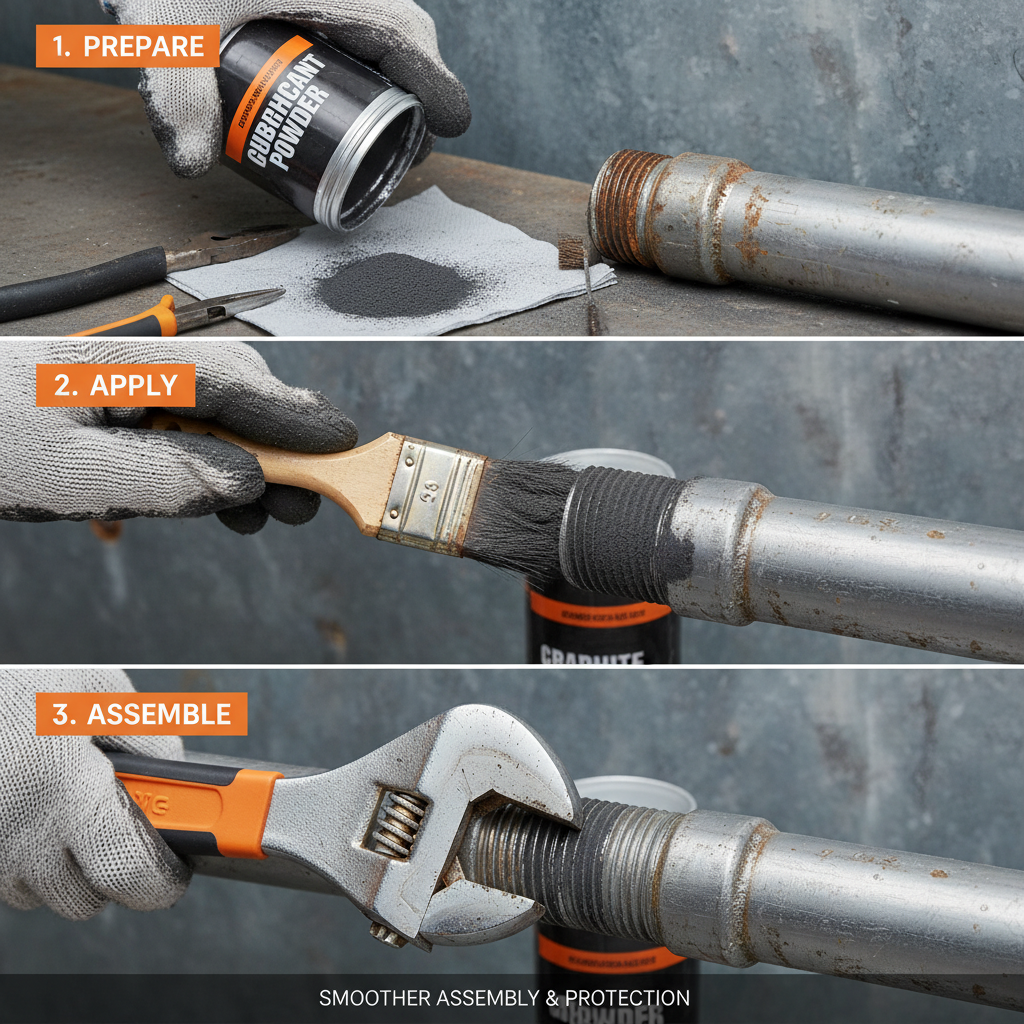
The efficiency of graphite fine powder stems from its unique hexagonal crystal structure. This arrangement allows layers of carbon atoms to slide over one another easily, creating the signature "slippery" feel that makes it an ideal dry lubricant. Beyond lubrication, its high thermal conductivity allows it to dissipate heat rapidly, while its electrical properties make it indispensable for electrode production and conductive coatings. High purity levels are often required to prevent contamination in sensitive electronic applications, ensuring that the material maintains a consistent conductive path.
Key Highlights: Graphite fine powder is characterized by its low coefficient of friction, high melting point, and excellent chemical resistance, making it stable even in corrosive environments or extreme temperature fluctuations.
Industrial Applications for Graphite Fine Powder
The versatility of graphite fine powder allows it to be utilized in a vast array of industries. In the automotive sector, it is used in brake linings and clutches to reduce wear. In the energy sector, it is a critical component in the production of lithium-ion battery anodes, where the fine particle size increases the surface area for better ion exchange. Additionally, it is widely used in the metallurgy industry as a lining for crucibles and furnaces due to its ability to withstand intense heat without degrading. From aerospace components to simple household locks, this material provides essential functionality.
Common Use Cases:
• Battery Technology: Anode materials for enhanced energy density.
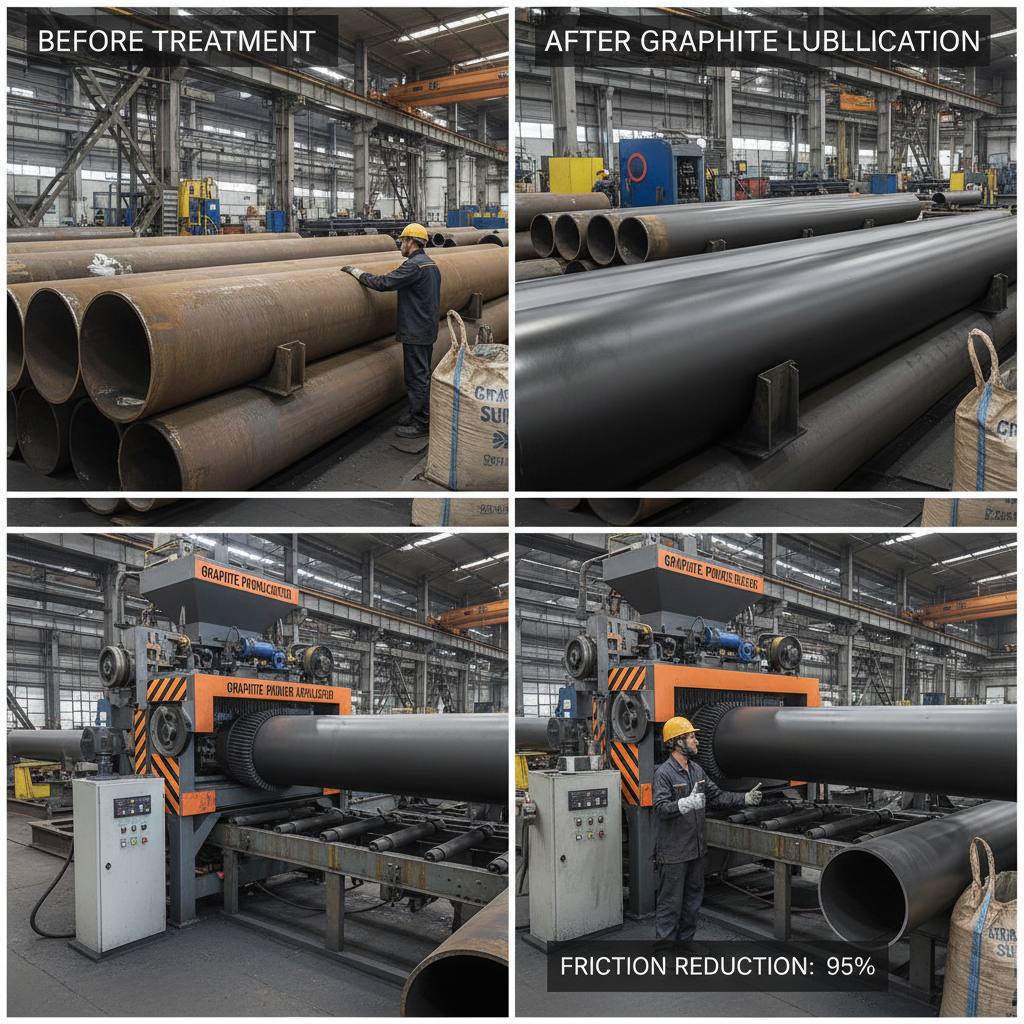
• Lubrication: Dry lubricant for high-temperature machinery.
• Metallurgy: Refractory materials and casting molds.
• Electronics: Conductive inks and EMI shielding coatings.
Comparing Graphite Fine Powder Grades
Not all graphite fine powder is created equal. Depending on the manufacturing process—whether it is natural flake graphite or synthetic graphite—the resulting powder will have different properties. Natural graphite is often preferred for lubrication and battery applications due to its inherent structure, while synthetic graphite offers superior purity and controlled particle size for specialized electronic components. Choosing the right grade is the difference between a product that lasts for years and one that fails prematurely under stress.
Optimizing Performance with Graphite Fine Powder
To achieve the best results when integrating graphite fine powder into a composite or lubricant, the mixing process is paramount. Agglomeration can lead to "hot spots" or uneven lubrication, which reduces the lifespan of the machinery. Using high-shear mixing or ultrasonic dispersion can ensure that the particles are evenly distributed throughout the matrix. Furthermore, considering the particle size distribution (PSD) is key; finer powders provide better coverage and higher conductivity but may increase the viscosity of liquid mixtures.
Technical Specifications for Industrial Sourcing
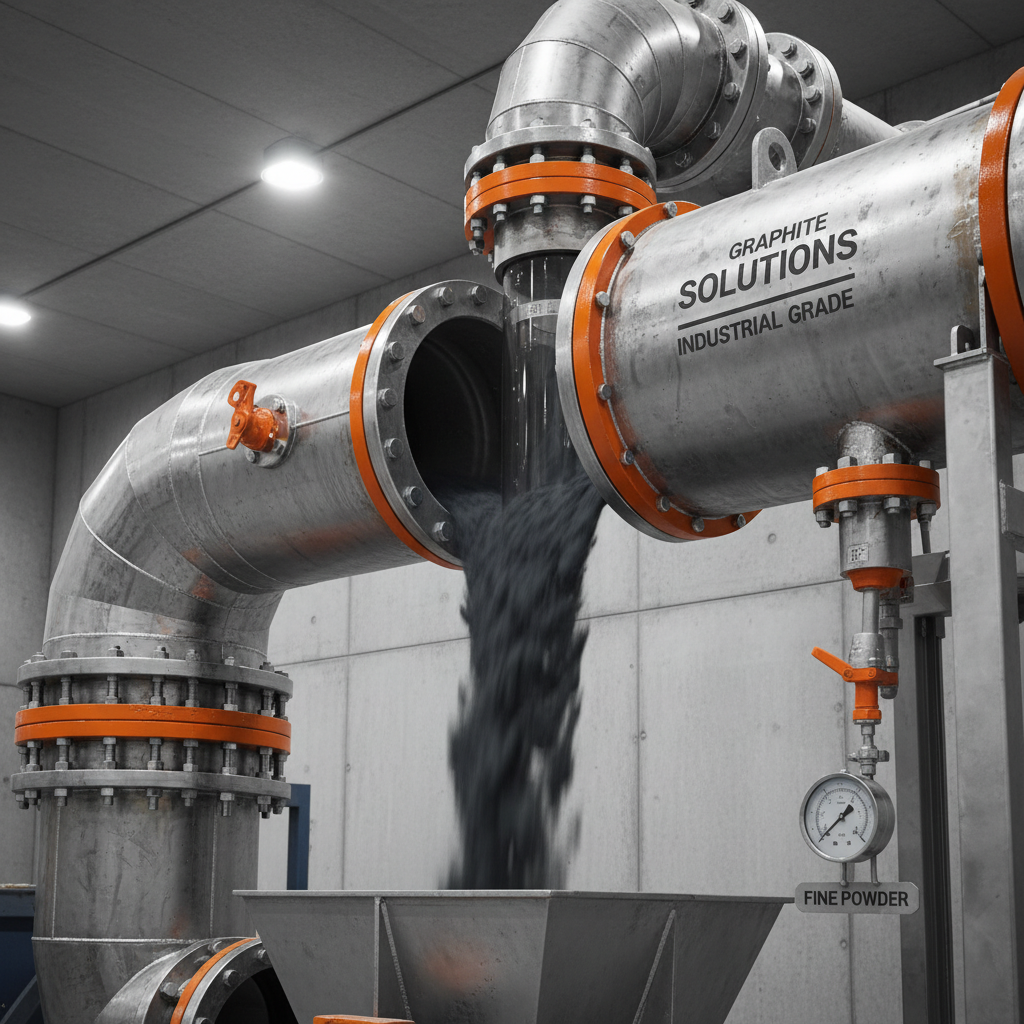
When sourcing graphite fine powder, procurement teams should look for a detailed Certificate of Analysis (CoA). This document ensures that the carbon content, ash content, and moisture levels meet the specific requirements of the application. High moisture can lead to clumping, while excessive ash (mineral impurities) can compromise the electrical conductivity. Below is a standard specification table typically used for high-grade industrial powders.
Sustainability and Future Trends of Graphite Powders
As the global shift toward green energy accelerates, the demand for graphite fine powder is reaching unprecedented levels. The expansion of the electric vehicle (EV) market has placed a premium on sustainably sourced carbon. Many manufacturers are now exploring "green graphite," produced through recycled carbon sources or synthetic processes with lower CO2 emissions. Additionally, the development of nano-graphite powders is opening new doors in the field of supercapacitors and quantum computing, where atomic-level precision is required for maximum efficiency.
Conclusion: The Strategic Value of High-Quality Graphite
Whether you are enhancing the lifespan of industrial machinery or developing the next generation of energy storage, graphite fine powder provides the technical foundation necessary for success. By focusing on purity, particle size, and sourcing quality, businesses can unlock superior product performance and operational efficiency. As technology evolves, this simple carbon powder will continue to be an indispensable asset in the pursuit of industrial excellence.
Frequently Asked Questions (FAQs)
How do I choose the right particle size for graphite fine powder?
Choosing the right particle size depends entirely on your end application. For lubrication, a slightly larger particle size may provide a more durable protective film. However, for battery anodes or conductive coatings, a much finer powder (often in the micron or nano-range) is required to maximize the surface area and electrical contact. We recommend analyzing your viscosity requirements and desired conductivity levels before selecting a grade. Consulting with a technical specialist can help you find the perfect balance between cost and performance.
Can graphite fine powder be used in wet environments?
Yes, graphite is naturally hydrophobic, meaning it repels water, which makes it an excellent lubricant in damp conditions where oil-based lubricants might wash away or emulsify. However, if the powder is being used as a conductive additive in a liquid medium, you must ensure proper dispersion using surfactants or high-shear mixing to prevent the powder from floating or clumping. Its chemical inertness ensures that it will not react with most water-based solutions, maintaining stability over time.
What is the difference between natural and synthetic graphite powder?
Natural graphite is mined from the earth and processed; it typically has a higher lubricity and is more cost-effective, making it ideal for general industrial use. Synthetic graphite is produced by heating petroleum coke or coal tar at extremely high temperatures (graphitization). This process allows for near-perfect purity and precise control over the crystal structure and particle size, which is why it is preferred for high-end electronics, nuclear applications, and specific battery chemistries. You can find both options at nlgraphite.com.
How should graphite fine powder be stored for maximum shelf life?
To maintain the quality of graphite fine powder, it should be stored in a cool, dry, and well-ventilated area. The most significant threat to the powder is moisture, which can cause agglomeration and affect the flowability of the material. Using airtight containers or moisture-proof bags is highly recommended. Additionally, because it is a fine powder, it should be kept away from strong oxidizing agents and handled in areas with proper dust extraction to ensure workplace safety and prevent contamination.
 Pervious
 Next
Next