

- Englist



Industrial Efficiency Guide for Graphite Lubricant Powder Use

The Ultimate Guide to Graphite Lubricant Powder for Industrial Efficiency
In the world of industrial maintenance and high-performance machinery, reducing friction is the key to longevity and operational efficiency. graphite lubricant powder has emerged as a superior dry lubrication solution, offering unmatched stability in environments where traditional oils and greases fail. Whether you are dealing with extreme temperatures or vacuum conditions, this specialized powder provides a sleek, protective layer that prevents wear and tear. In this comprehensive guide, we will explore why graphite is the gold standard for dry lubrication and how to choose the right grade for your specific industrial application.
What Exactly is Graphite Lubricant Powder?
At its core, graphite lubricant powder is a form of crystalline carbon. Its unique hexagonal structure allows layers of atoms to slide over one another with minimal resistance, creating a "slippery" effect. Unlike liquid lubricants, this powder does not attract dust, grit, or moisture, which often turn oils into abrasive pastes that damage machinery. This makes it an ideal choice for locks, hinges, and precision instruments where cleanliness is as important as lubrication. Because it is chemically inert, it doesn't react with most metals, ensuring that your components remain corrosion-free over long periods of operation.
The Core Benefits of Using Graphite Lubricant Powder
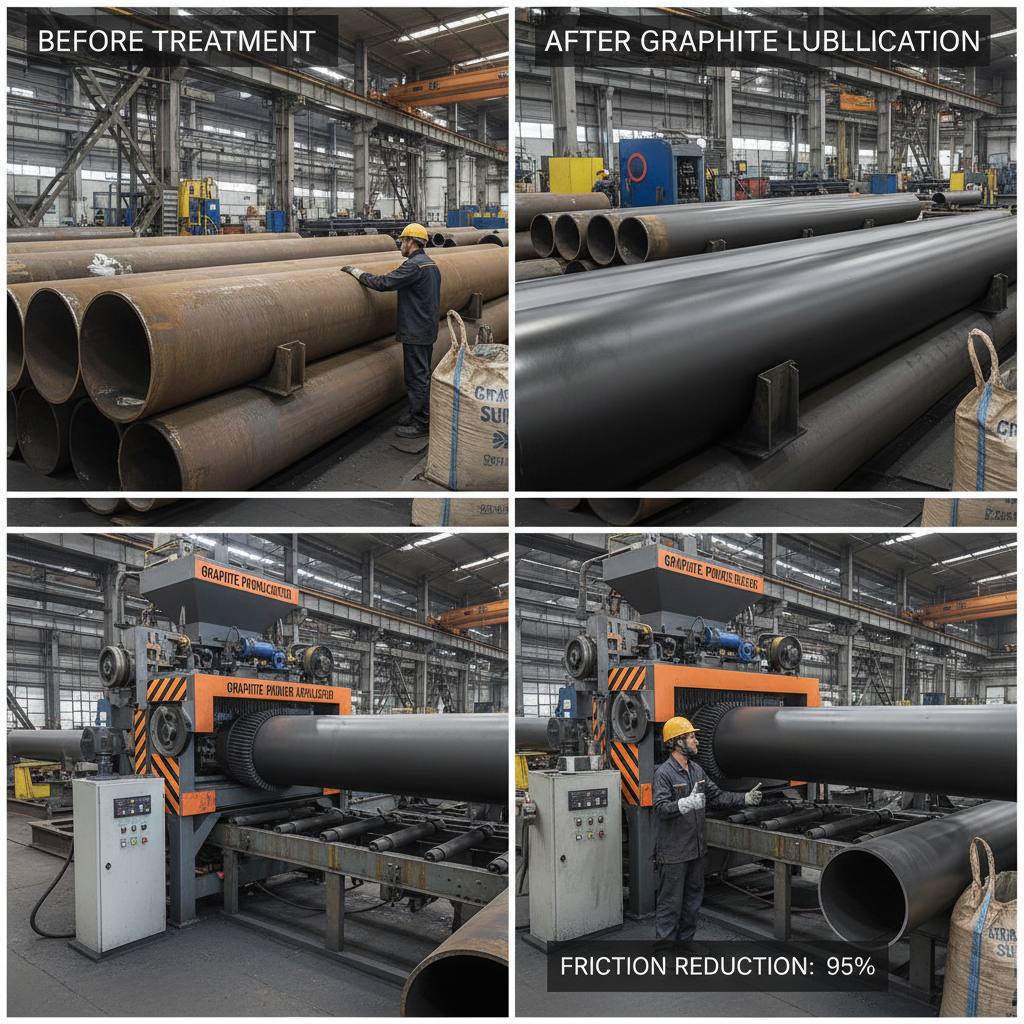
The primary advantage of switching to a dry lubricant is the elimination of "wet" messes and the reduction of maintenance downtime. High-quality graphite lubricant powder provides a stable coefficient of friction even under heavy loads. Furthermore, its ability to withstand extreme thermal fluctuations—ranging from cryogenic temperatures to intense heat—makes it indispensable in aerospace and automotive engineering. By applying a thin, consistent layer of graphite, operators can significantly extend the mean time between failures (MTBF) for moving parts, resulting in lower operational costs and higher safety standards across the production line.
Industry Insight: Dry graphite lubrication is particularly effective in oxygen-poor environments or vacuums where liquid lubricants would evaporate or outgas, making it the primary choice for space-grade components.
Comparing Graphite Lubricant Powder vs. Traditional Grease
When deciding between dry and wet lubrication, the environmental context is everything. While grease is excellent for sealing out contaminants in wet environments, it becomes a liability in dusty workshops or high-heat zones. graphite lubricant powder excels where grease fails: it doesn't drip, it doesn't attract debris, and it remains stable at temperatures that would cause grease to liquefy and run off. The following comparison highlights the critical differences in performance and application.
Key Applications of Graphite Lubricant Powder
The versatility of graphite lubricant powder allows it to be used across a staggering array of sectors. In the automotive industry, it is used for lock cylinders and sliding door tracks to prevent sticking without attracting road grime. In heavy industry, it lubricates conveyor belts and high-temperature ovens where oils would ignite or vaporize. It is also widely used in the production of molds and dies to ensure a smooth release of cast parts. By integrating this powder into your maintenance routine, you ensure that critical components operate smoothly regardless of the external environmental pressure.
Technical Specifications of Professional Grade Graphite
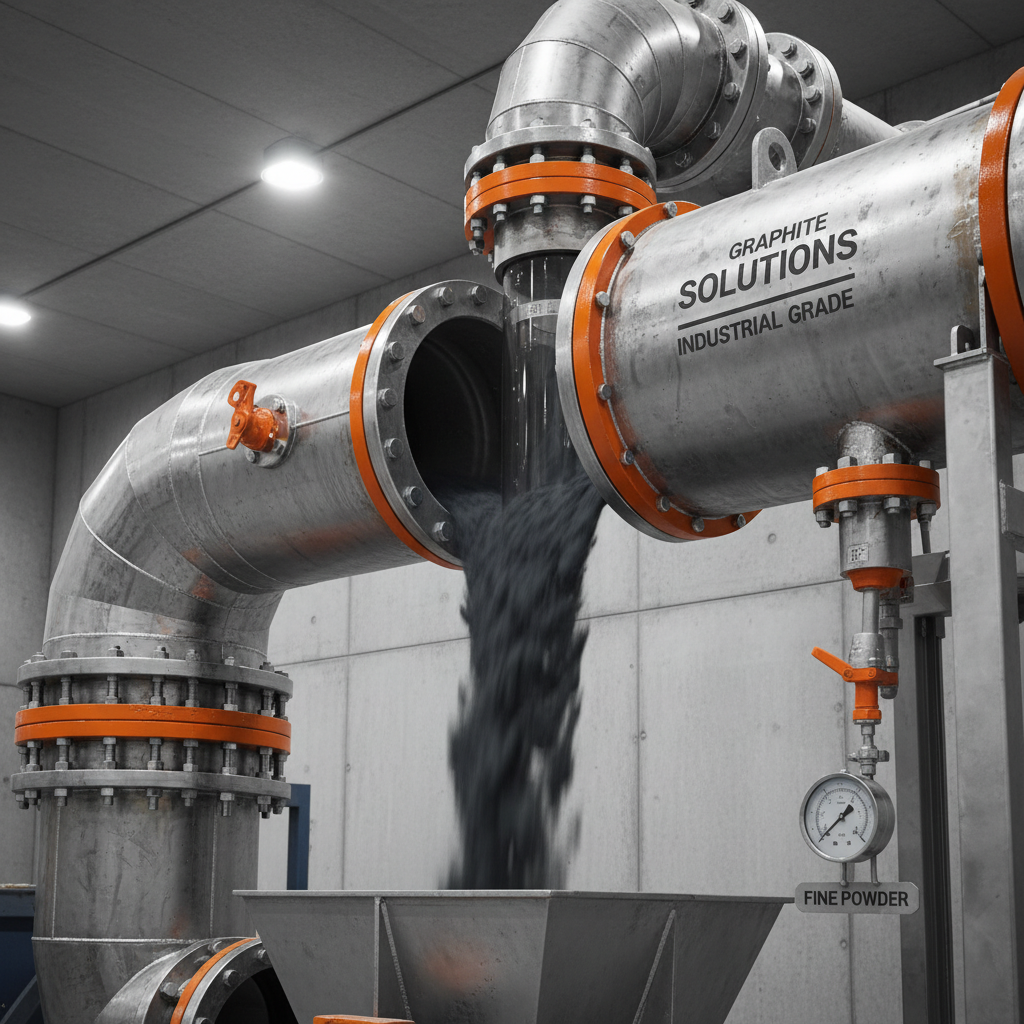
Not all graphite powders are created equal. The effectiveness of graphite lubricant powder depends heavily on its purity and particle size distribution. A finer powder ensures a more uniform coating and deeper penetration into tight tolerances. Industrial-grade graphite is typically processed to remove impurities that could cause abrasive wear. Below is a specification table typically found in high-performance graphite lubricants designed for heavy-duty industrial use.
How to Apply Graphite Lubricant Powder for Best Results
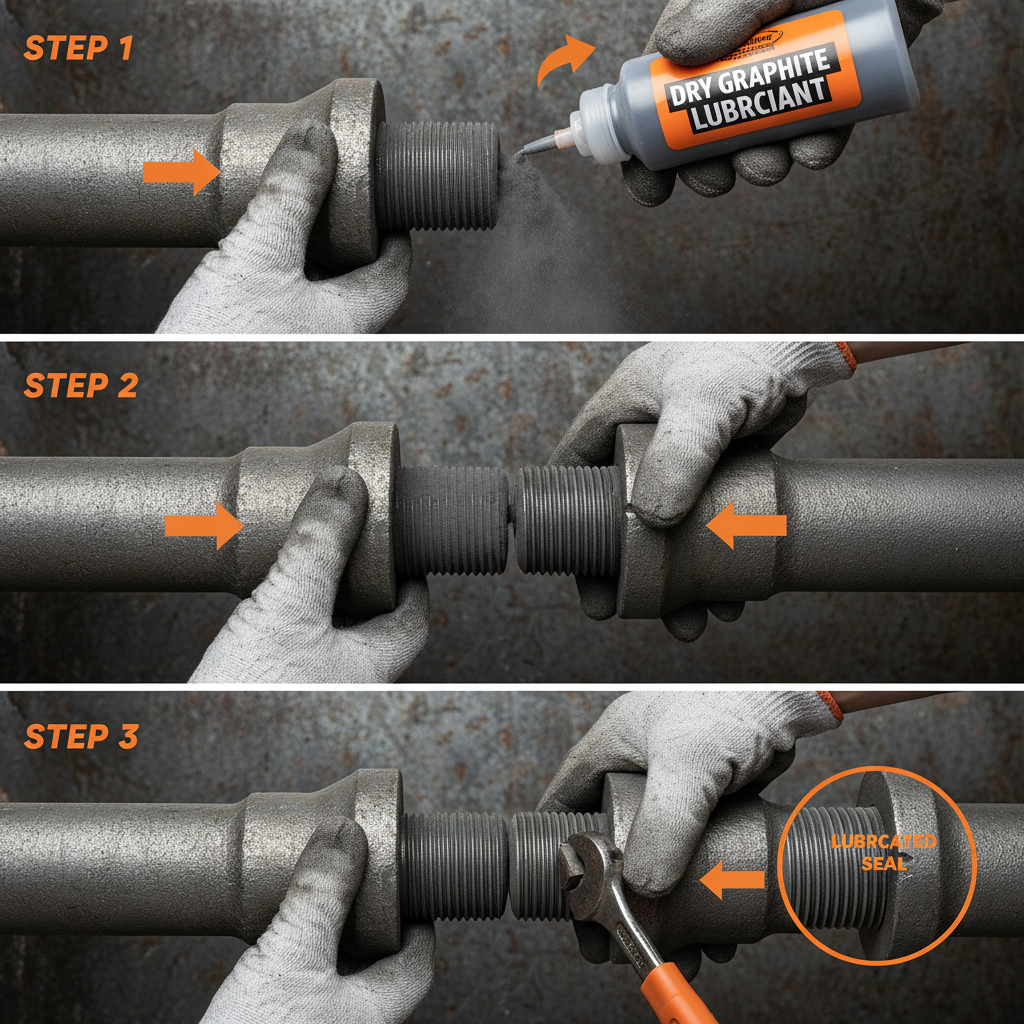
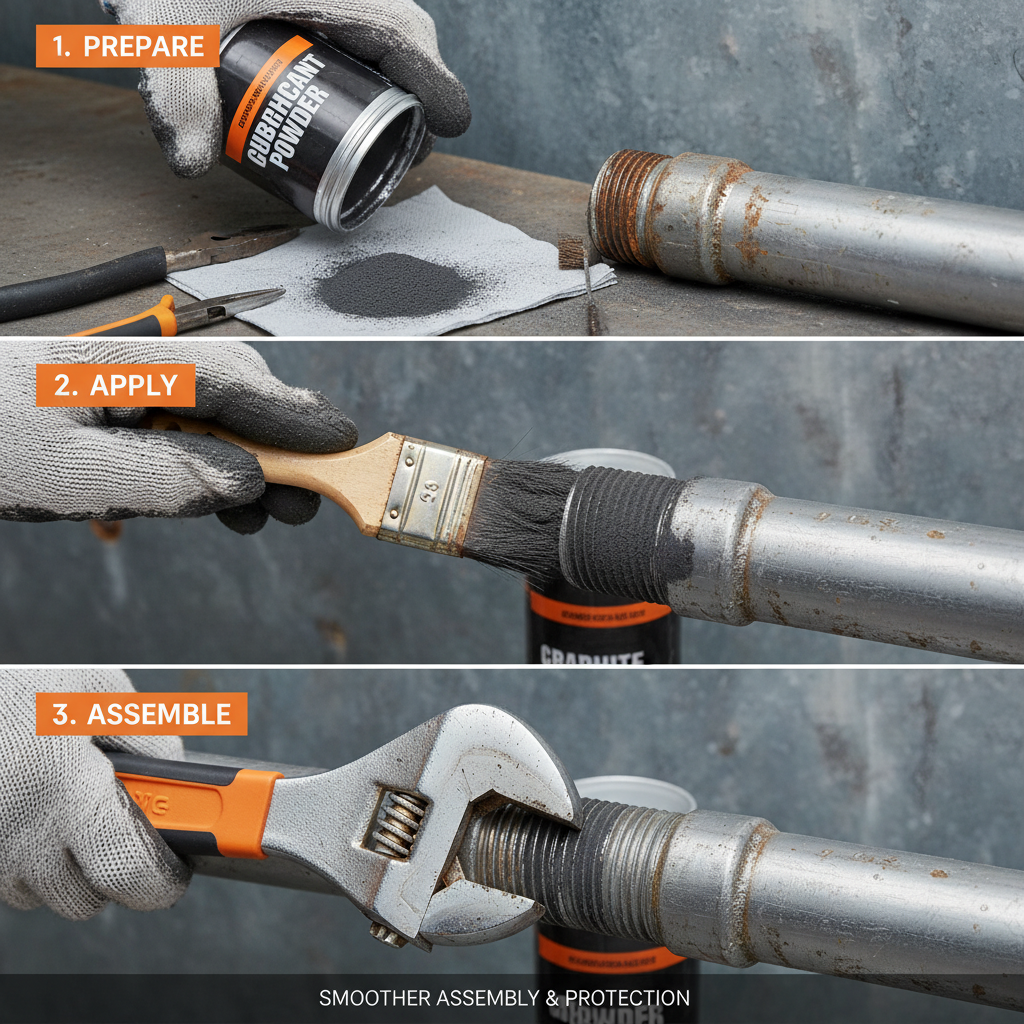
To maximize the efficiency of graphite lubricant powder, proper surface preparation is essential. First, ensure the surface is clean and free of old grease or oil, as these can prevent the powder from adhering. The powder can be applied using a puff bottle for locks, a brush for larger gears, or mixed with a volatile solvent to create a temporary liquid spray that leaves a dry residue upon evaporation. Once applied, a light "burnishing" or running-in period helps the graphite particles align with the direction of motion, creating the lowest possible friction coefficient for long-term use.
Conclusion: Optimizing Performance with Graphite Lubrication
Choosing the right lubrication strategy is critical for industrial longevity. As we have explored, graphite lubricant powder offers a clean, heat-resistant, and highly stable alternative to traditional oils. By reducing friction without attracting contaminants, it ensures that machinery runs smoother for longer. For businesses looking to reduce maintenance costs and improve mechanical reliability, investing in premium-grade graphite is a strategic move toward operational excellence. Visit our official site to find the perfect graphite solution for your needs.
Frequently Asked Questions (FAQs)
Can I mix graphite powder with oil or grease?
While some specialized "graphited greases" exist, using graphite lubricant powder as a standalone dry lubricant is generally preferred for applications where cleanliness is key. Mixing it with oil may negate the primary benefit of the dry lubricant, which is the ability to avoid attracting dust and grit. If your application requires a wet lubricant for sealing purposes, look for a pre-formulated graphited grease rather than mixing raw powder into standard oils, as this ensures a homogeneous distribution of particles.
Is graphite powder conductive? Does it pose a risk to electronics?
Yes, graphite is an excellent conductor of electricity. Because of this property, caution should be exercised when applying graphite lubricant powder near open electrical circuits or sensitive electronic components. If the powder settles on a circuit board or across electrical contacts, it could potentially cause a short circuit. Always ensure that electronic components are shielded or that the lubricant is applied only to the mechanical parts of the assembly, far away from the electrical current paths.
How often should I re-apply graphite lubricant?
The re-application frequency depends on the load and the speed of the moving parts. For low-friction applications like door locks or hinges, a single application can last for years. For industrial conveyor systems or heavy-duty molds, a regular maintenance schedule (e.g., monthly or quarterly) is recommended. A good rule of thumb is to re-apply when you notice an increase in noise or a slight increase in resistance during operation. Because it is a dry lubricant, it doesn't "wash away" as easily as oil, which typically leads to longer intervals between applications.
Is graphite lubricant powder safe for all types of metals?
Graphite is chemically inert and generally safe for almost all metals, including steel, aluminum, copper, and brass. It does not cause oxidation or corrosion. However, in very specific high-pressure environments involving certain aluminum alloys, some engineers prefer other dry lubricants. For the vast majority of industrial and household uses, graphite lubricant powder is the safest and most effective choice for reducing friction without risking a chemical reaction with the substrate metal.
 Pervious
 Next
Next