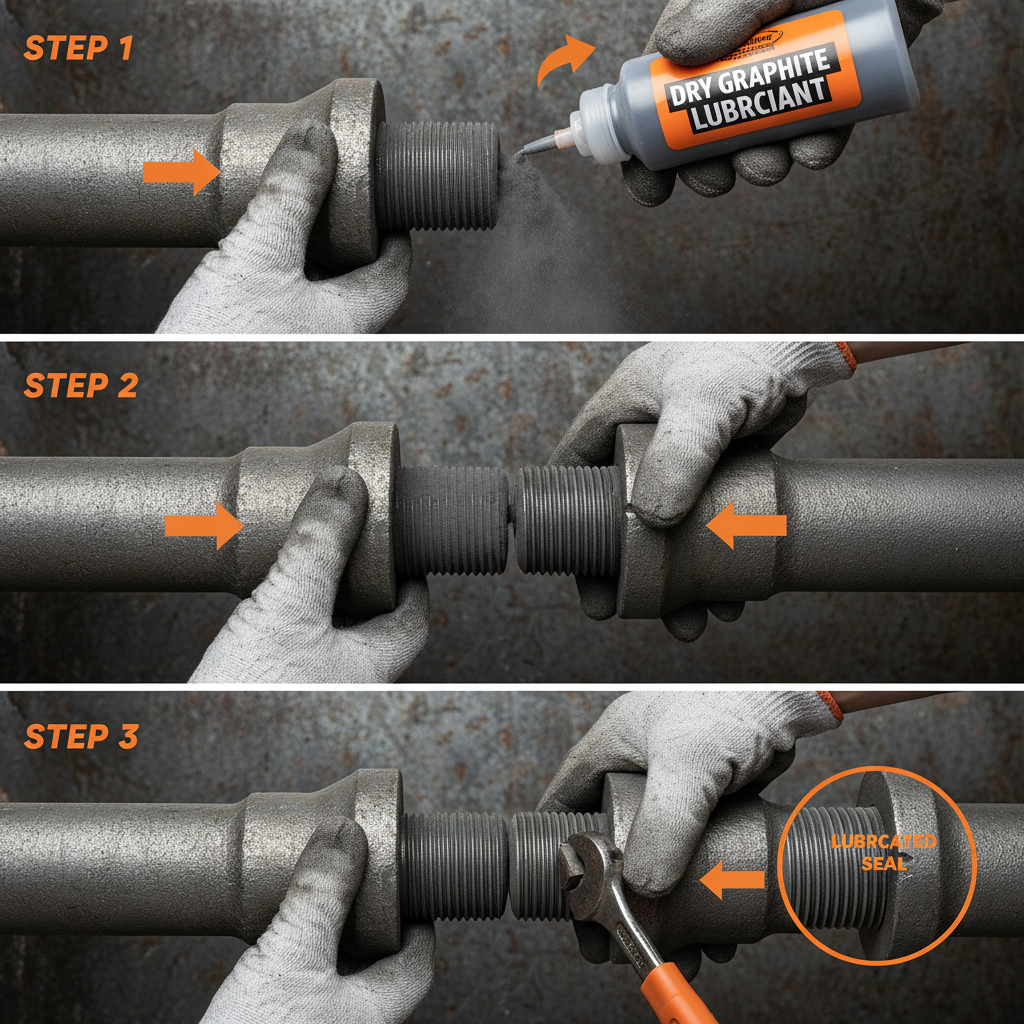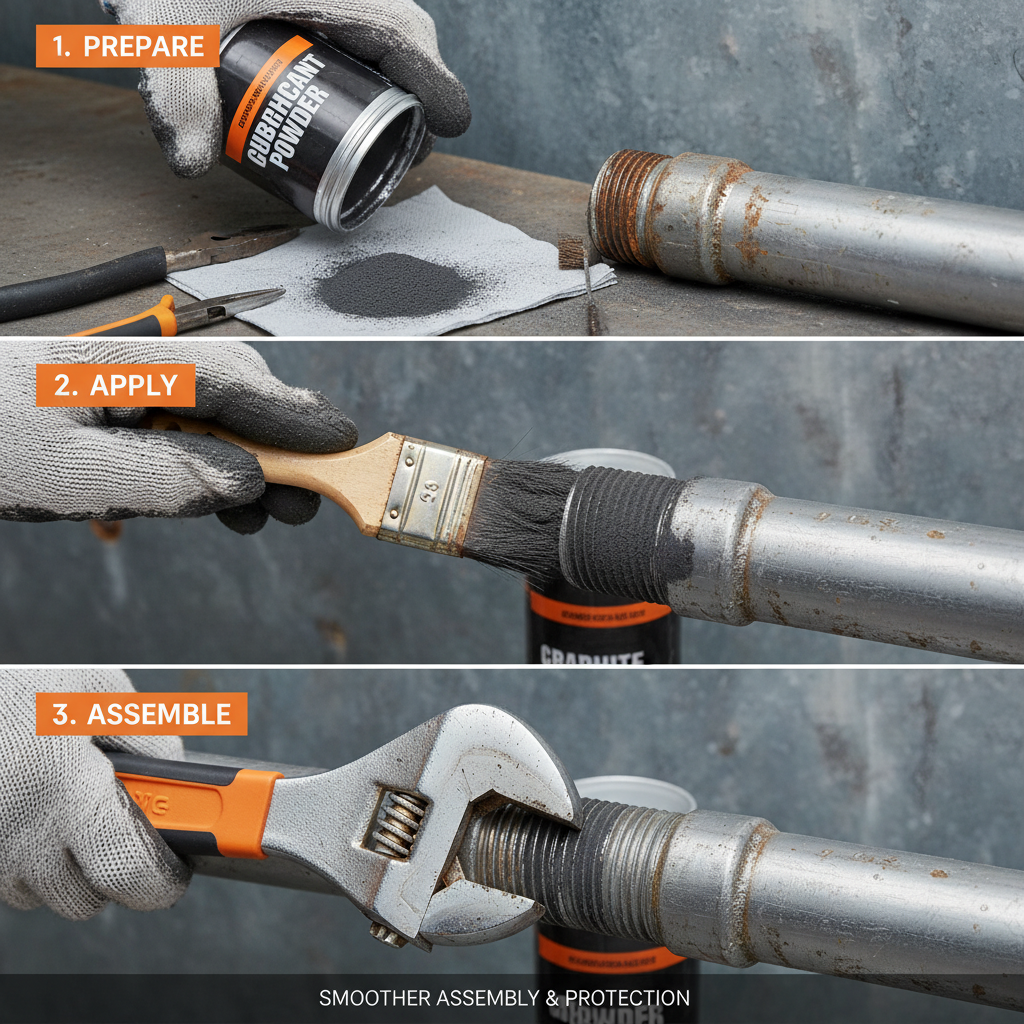


- Englist



Industrial Uses and Properties of Extra Fine Graphite Powder

The Ultimate Guide to Extra Fine Graphite Powder: Properties and Uses
In the realm of industrial lubrication and material science, extra fine graphite powder is an indispensable resource. Known for its exceptional lubricity, thermal conductivity, and electrical properties, this specialized carbon form is used across diverse sectors from automotive engineering to advanced electronics. Achieving a specific "extra fine" particle size is critical because it directly influences the material's ability to penetrate tight tolerances and create a seamless protective layer. Whether you are looking to reduce friction in heavy machinery or enhance the conductivity of a composite, understanding the nuances of this material is key to optimizing performance.
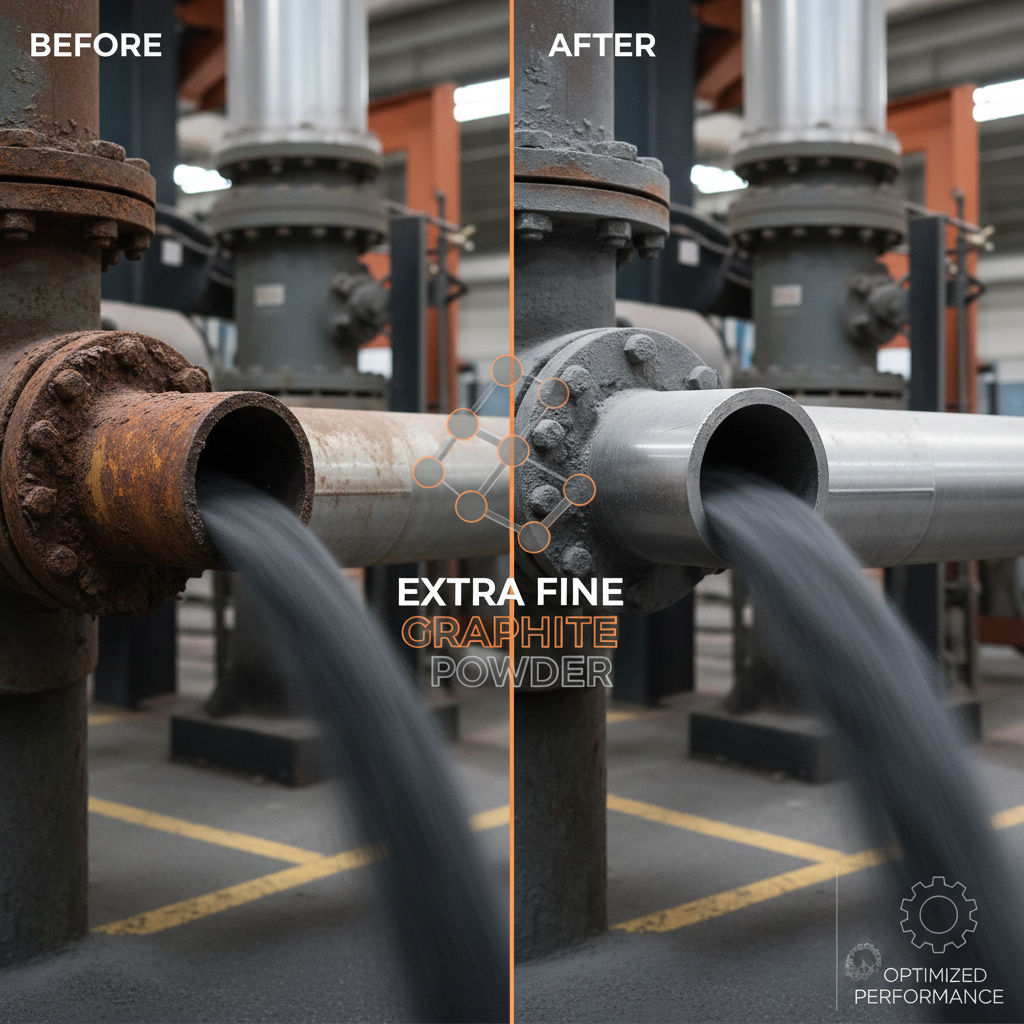
Why Particle Size Matters for Extra Fine Graphite Powder
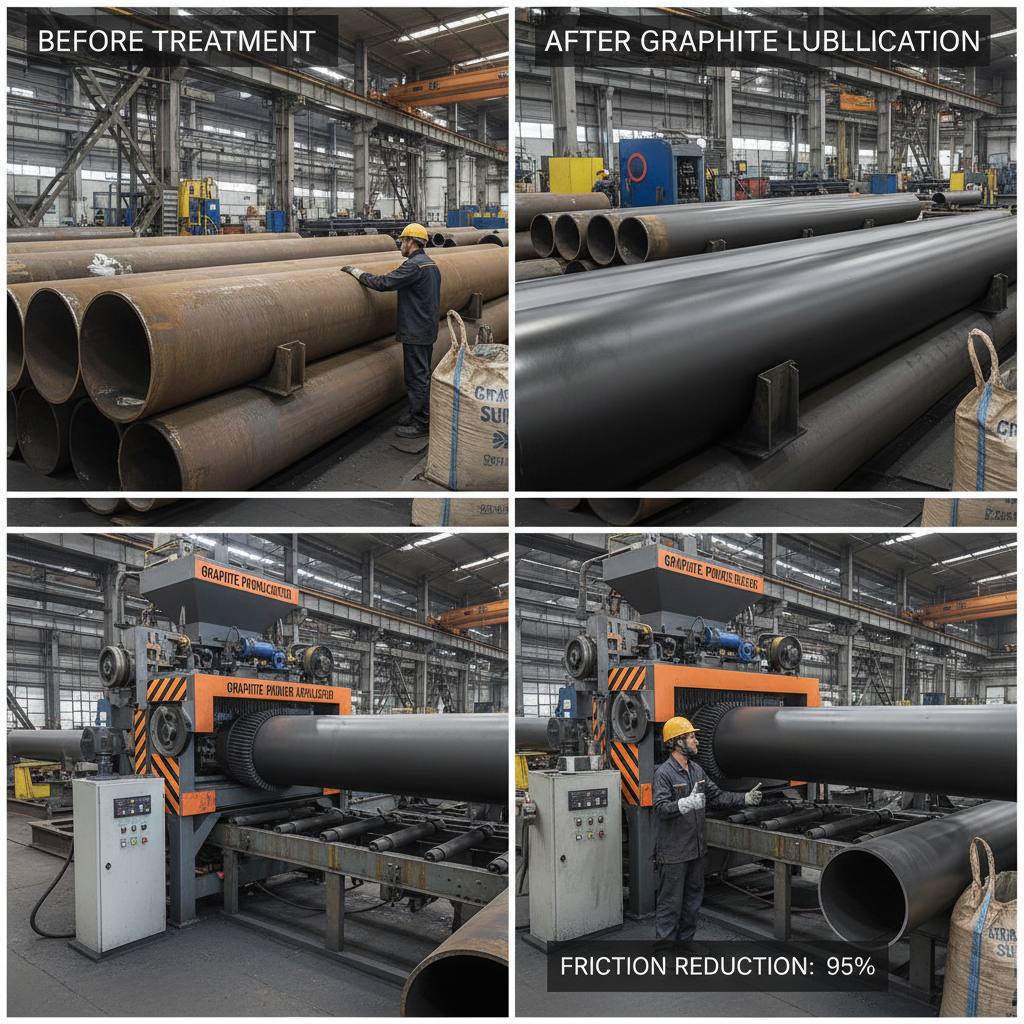
The effectiveness of extra fine graphite powder is primarily defined by its micron size. Unlike standard graphite, the "extra fine" grade is processed to ensure particles are uniformly small, which enhances the surface area-to-volume ratio. This allows the powder to adhere more effectively to metal surfaces, creating a microscopic film that prevents metal-on-metal contact. In high-precision applications, larger particles could act as abrasives, whereas extra fine powder acts as a fluid-like lubricant, significantly reducing wear and tear on delicate components.
Pro Tip: For maximum efficiency in dry lubrication, ensure the powder is free of clumps; the finer the grade, the easier it is to disperse evenly across the target surface.
Key Industrial Applications of Extra Fine Graphite Powder
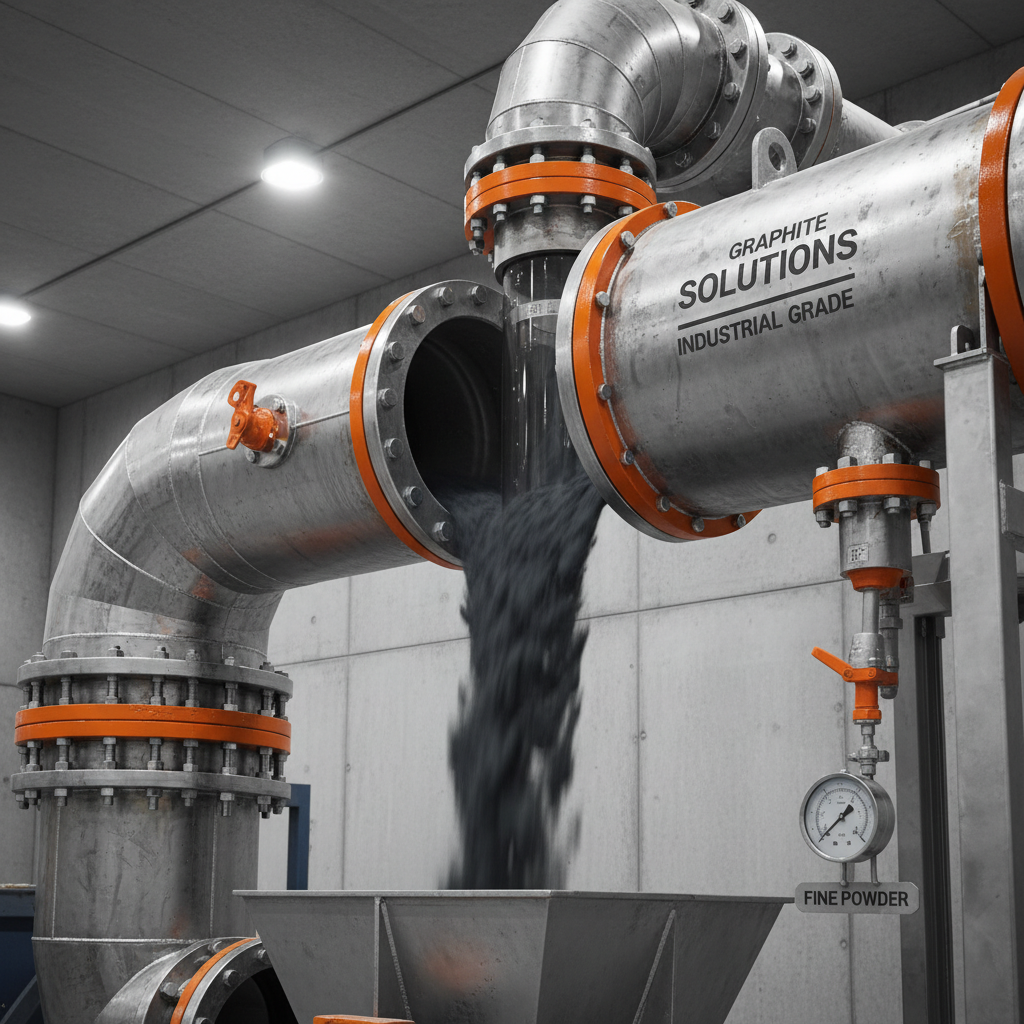
The versatility of extra fine graphite powder allows it to serve multiple critical functions. In the automotive industry, it is frequently used in lock cylinders and hinge mechanisms where liquid oils would attract dust and grime. In metallurgy, it serves as a carbon additive to control the properties of steel and iron. Furthermore, its ability to conduct electricity while remaining chemically stable makes it a preferred choice for conductive coatings and gaskets in the chemical processing industry.
Comparing Extra Fine Graphite Powder vs. Standard Graphite
When deciding between grades, it is essential to understand the performance gap. Standard graphite is often sufficient for bulk molds or basic carbon brushes. However, when the application requires high-precision lubrication or the creation of high-quality conductive inks, only extra fine graphite powder provides the necessary consistency. The following table highlights the primary differences in a side-by-side comparison.
Technical Specifications for Quality Assurance
To ensure that extra fine graphite powder meets industrial standards, several parameters must be monitored. Purity is the most critical factor, as impurities can lead to oxidation or unwanted chemical reactions. Additionally, the carbon content determines the electrical conductivity and heat resistance of the final application. Below are the standard specifications typically sought by procurement managers in the high-tech industry.
How to Store and Handle Graphite Powder Safely
Because extra fine graphite powder consists of extremely small particles, it can easily become airborne, leading to inhalation risks or contamination of the workspace. It is recommended to store the powder in airtight, moisture-proof containers to prevent agglomeration. When applying the powder, using a mask and ensuring proper ventilation is essential. Furthermore, since graphite is conductive, it should be kept away from open electrical circuits to avoid potential short circuits during the application process.
Handling Checklist:
• Use PPE (Dust masks and gloves)
• Store in a cool, dry environment
• Avoid storage near strong oxidizing agents
• Ensure containers are sealed tightly after each use
Conclusion: Enhancing Efficiency with Extra Fine Graphite Powder
Incorporating high-quality extra fine graphite powder into your industrial processes can lead to significant improvements in equipment longevity and product performance. From its role as a superior dry lubricant to its use in advanced conductive materials, the benefits of a controlled, ultra-fine particle size are undeniable. By choosing a supplier that prioritizes purity and precise specification, businesses can ensure their operations remain smooth and efficient. Invest in the right grade of graphite to stay ahead in precision engineering.
Frequently Asked Questions (FAQs)
What makes graphite "extra fine" compared to regular powder?
The "extra fine" designation refers to the micron size of the particles, typically falling below 10-20 microns. Regular graphite powder has a much broader and larger particle distribution. The ultra-fine nature allows the powder to migrate into the microscopic peaks and valleys of a metal surface, providing a more continuous and effective lubricating film. This results in lower friction coefficients and better protection against wear in precision components where standard powder would be too coarse.
Can extra fine graphite powder be mixed with other lubricants?
Yes, extra fine graphite powder is often used as a solid additive in grease or oil-based lubricants to create "composite lubricants." These mixtures combine the flow properties of liquids with the extreme-pressure resistance of solid graphite. This is particularly useful in environments where the liquid lubricant might leak or evaporate, as the graphite remains behind to provide a baseline level of protection. However, ensure the graphite is well-dispersed to avoid settling at the bottom of the mixture.
Is this powder safe for use in home locks and hinges?
Absolutely. In fact, extra fine graphite powder is the preferred choice for home lock maintenance. Unlike WD-40 or oil-based lubricants, graphite does not attract dust, lint, or moisture, which can eventually clog a lock cylinder. Because it is a dry lubricant, it slides easily into the tumblers and pins without creating a sticky residue, ensuring the lock operates smoothly for a much longer period of time without requiring professional cleaning.
How do I determine the purity of the graphite powder I purchase?
The best way to determine purity is to request a Certificate of Analysis (COA) from the manufacturer. A COA provides the exact chemical composition, including the percentage of carbon and the levels of impurities like sulfur, iron, or ash. For premium industrial applications, you should look for a carbon content of 99% or higher. Additionally, checking for the absence of clumps and a uniform, deep black color can be a basic visual indicator of quality, though laboratory testing remains the only definitive method.
 Pervious
 Next
Next