

- Englist


Petcoke China A Comprehensive Guide for Global Trade and Sourcing

Petcoke China: A Comprehensive Overview for Global Trade
Petcoke, a byproduct of oil refining, has become a critical component in various industries, particularly cement manufacturing, aluminum production, and power generation. China is both a significant producer and consumer of petcoke. This article dives deep into the petcoke landscape in China, exploring its production, quality variations, key suppliers, and the nuances of importing from this major market. Understanding the dynamics of petcoke China is crucial for businesses seeking cost-effective and reliable sourcing options. We'll cover everything from specifications to logistical considerations, providing a valuable resource for international traders.
Understanding Petcoke Production in China
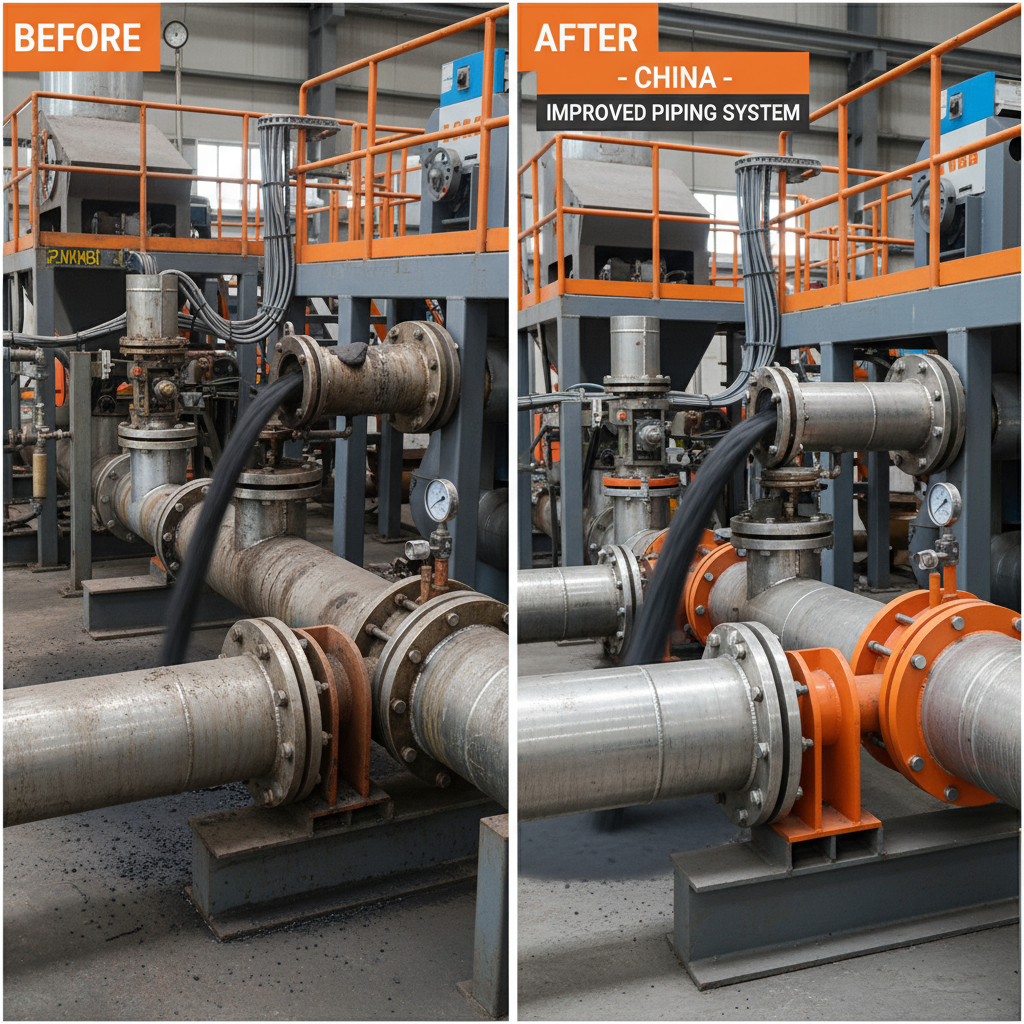
China's petcoke production is heavily linked to its massive oil refining capacity. The country’s refining industry generates a substantial amount of petcoke as a byproduct, making it a key player in the global market. However, unlike some other regions, a significant portion of Chinese petcoke originates from smaller, independent refineries. This can lead to variations in quality and consistency. The primary use of petcoke within China remains the cement industry, owing to its high calorific value and cost-effectiveness as a fuel source. The demand from cement plants drives a large percentage of domestic production, influencing both price and availability for export.
Key Takeaway: China's petcoke supply is linked to its refining capacity and heavily consumed by its cement industry, impacting export availability and pricing.
Petcoke Quality Variations: A Critical Assessment
The quality of petcoke from China can vary significantly. Key factors influencing quality include the refining process used, the type of crude oil processed, and the level of quality control implemented by the supplier. Important quality parameters include sulfur content, ash content, volatile matter, and fixed carbon. High sulfur content can pose environmental challenges, while excessive ash content can reduce efficiency in combustion processes. Different applications require different specifications, so understanding these parameters is critical for ensuring the petcoke meets your needs. The presence of heavy metals is another concern that necessitates careful supplier vetting and quality testing.
Key Quality Parameters:
• Sulfur Content (Typically 1-8%)
• Ash Content (Typically 5-15%)
• Volatile Matter (Typically 5-15%)
• Fixed Carbon (Typically 75-90%)
Petcoke China: Comparing Different Grades & Applications
Different industries demand different grades of petcoke. Here’s a comparison of common grades and their typical applications:
Key Petcoke Suppliers in China
Several companies dominate the petcoke export market from China. These include Sinopec, CNPC, and numerous independent refineries. Working directly with these major players or reputable trading companies is vital to ensuring consistent quality and reliable supply. Due diligence is crucial; verifying certifications, conducting site visits (when possible), and establishing clear quality control protocols are essential steps. NL Graphite facilitates connections to reliable petcoke suppliers within China, offering sourcing solutions and quality assurance.
Logistics and Import Considerations for Petcoke China
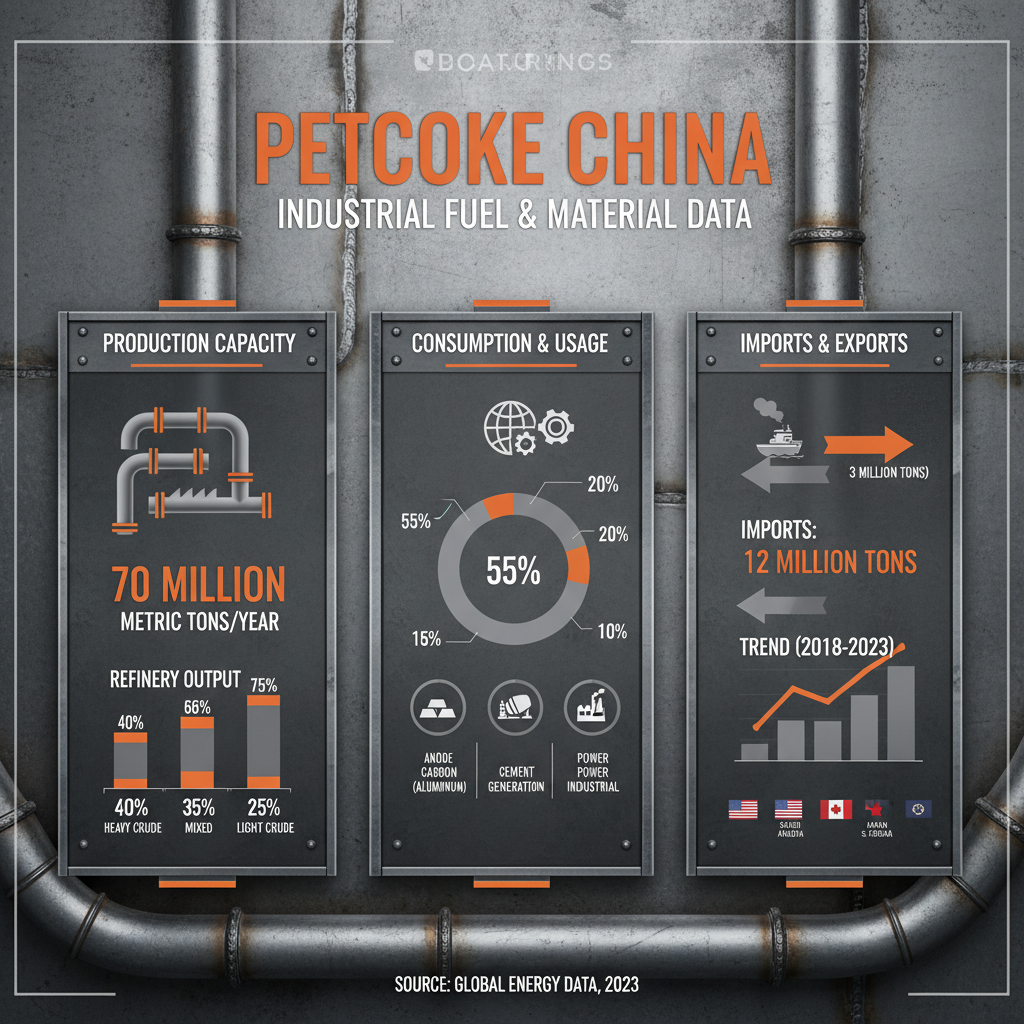
Importing petcoke from China involves navigating complex logistical challenges. Commonly, petcoke is shipped in bulk via ocean freight. Port congestion, particularly at major Chinese ports, can cause delays. It’s crucial to factor in these potential disruptions when planning shipments. Furthermore, importing countries often have strict regulations regarding sulfur content and other environmental factors. Ensuring compliance with these regulations is essential to avoid costly delays or rejections. Working with experienced freight forwarders and customs brokers is highly recommended. Understanding Incoterms is also vital to clarify responsibilities for shipping costs, insurance, and customs clearance.
Conclusion: Navigating the Petcoke China Market
Sourcing petcoke from China offers significant cost advantages, but requires careful planning and due diligence. Understanding quality variations, supplier capabilities, logistical considerations, and import regulations is paramount. By partnering with reputable suppliers and experienced logistics providers, businesses can successfully navigate this complex market and secure a reliable supply of this crucial commodity.
Frequently Asked Questions (FAQs)
What are the typical payment terms when importing petcoke from China?
Common payment terms include Letter of Credit (L/C) at sight, Telegraphic Transfer (T/T) with a down payment and the balance upon shipment, or a combination thereof. L/C provides the highest level of security for both parties, but can be more complex and costly. T/T is often preferred for established relationships with trusted suppliers. The specific terms will depend on the supplier's policies and the buyer's creditworthiness. Negotiating favorable payment terms is crucial for managing cash flow and mitigating risk.
How can I ensure the quality of petcoke before it is shipped?
Third-party inspection is highly recommended. Hire an independent inspection agency to verify the quality and quantity of the petcoke at the supplier's facility before shipment. Request a detailed inspection report that includes analysis of sulfur content, ash content, volatile matter, and other key parameters. Review the supplier's quality control certifications and request samples for your own laboratory analysis. Establishing clear quality specifications and acceptance criteria in the sales contract is also essential.
What are the environmental regulations regarding petcoke imports?
Environmental regulations vary by importing country. Many countries have restrictions on the sulfur content of petcoke to minimize air pollution. It's crucial to verify the specific regulations in your country before importing. Suppliers should be able to provide documentation demonstrating compliance with these regulations. Failure to comply can result in fines, delays, or rejection of the shipment. Staying informed about evolving environmental standards is also essential.
What is the typical lead time for a petcoke order from China?
Typical lead times range from 30 to 60 days, depending on the supplier's production schedule, order quantity, and shipping availability. Port congestion can also contribute to delays. It's advisable to plan well in advance and factor in potential disruptions. Maintaining close communication with the supplier and freight forwarder throughout the process can help mitigate delays and ensure timely delivery.
 Pervious
 Next
Next