

- Englist


Understanding the Versatile Applications and Benefits of Graphite Rods

Understanding Graphite Rods: Applications and Benefits
Graphite rods are versatile materials finding increasing application across a diverse range of industries. From electrical engineering and aerospace to metallurgy and even artistic pursuits, their unique properties – high electrical conductivity, thermal stability, and resistance to corrosion – make them invaluable. This article will explore the characteristics of graphite rods, their key applications, the benefits of using them, and highlight why NL Graphite is a trusted source for high-quality graphite products. Choosing the right graphite rod for your application is essential for optimal performance and longevity.
What are Graphite Rods and What Makes Them Special?
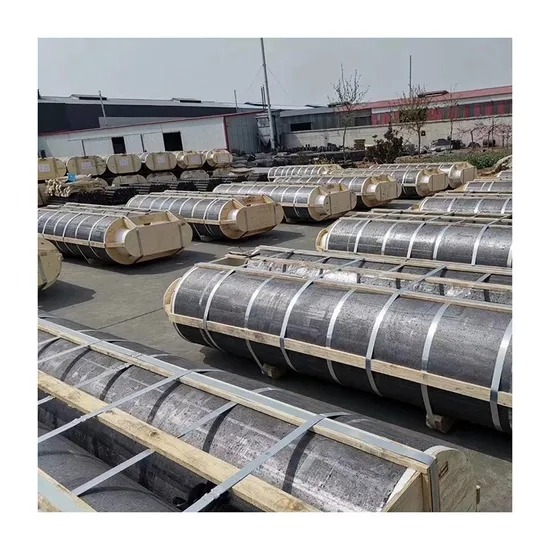
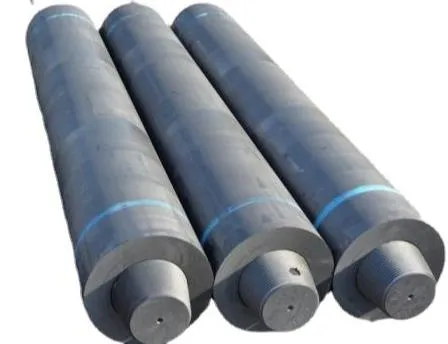
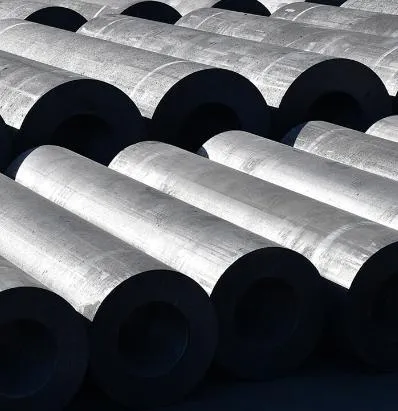
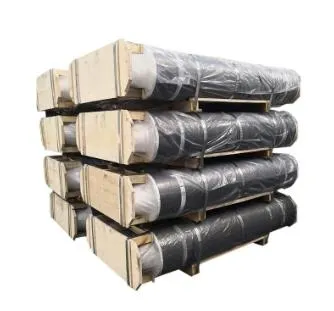
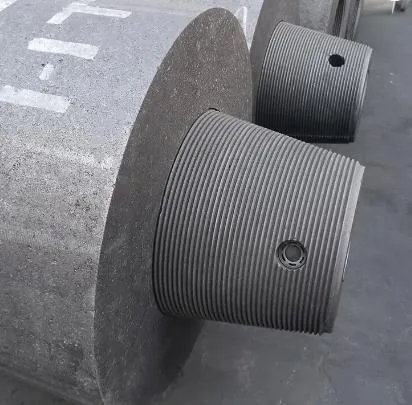
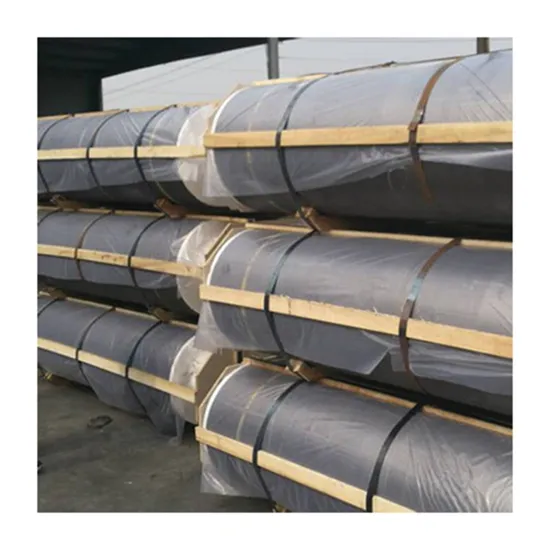
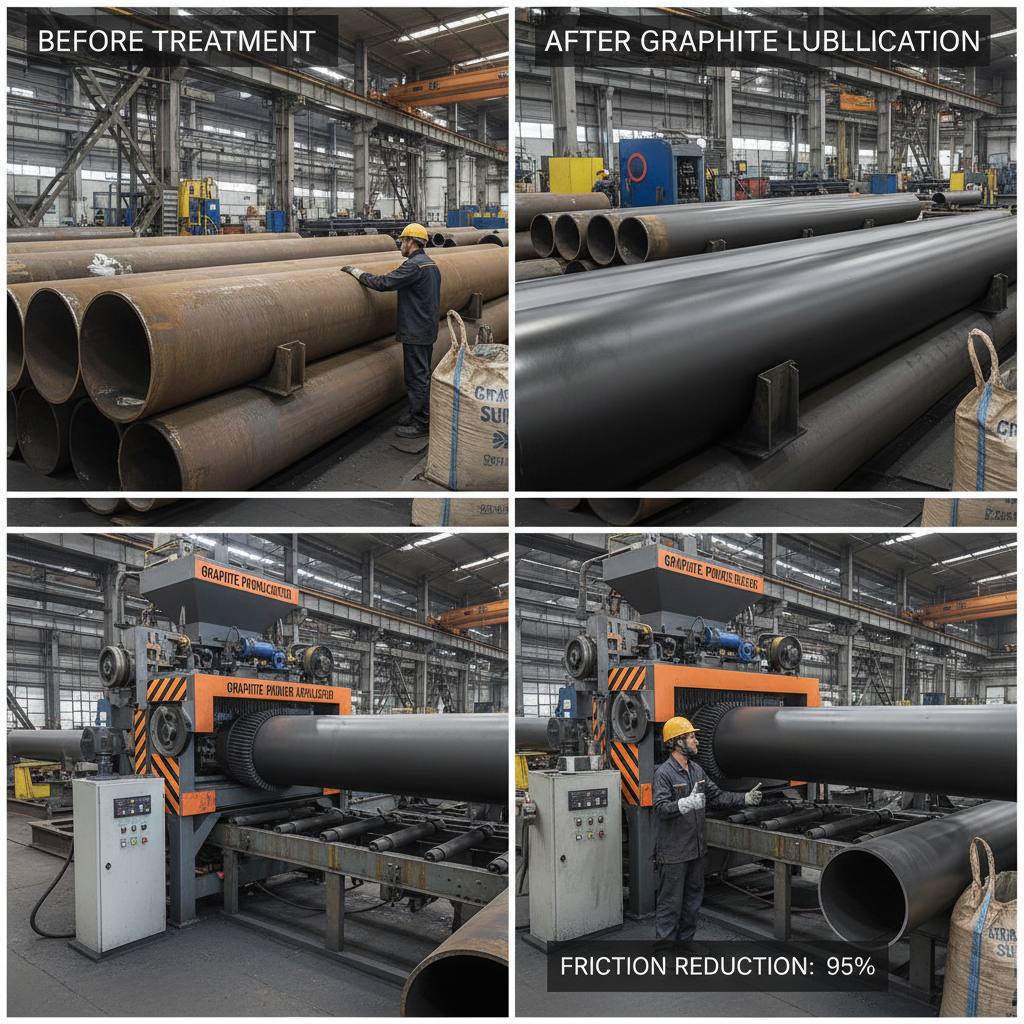
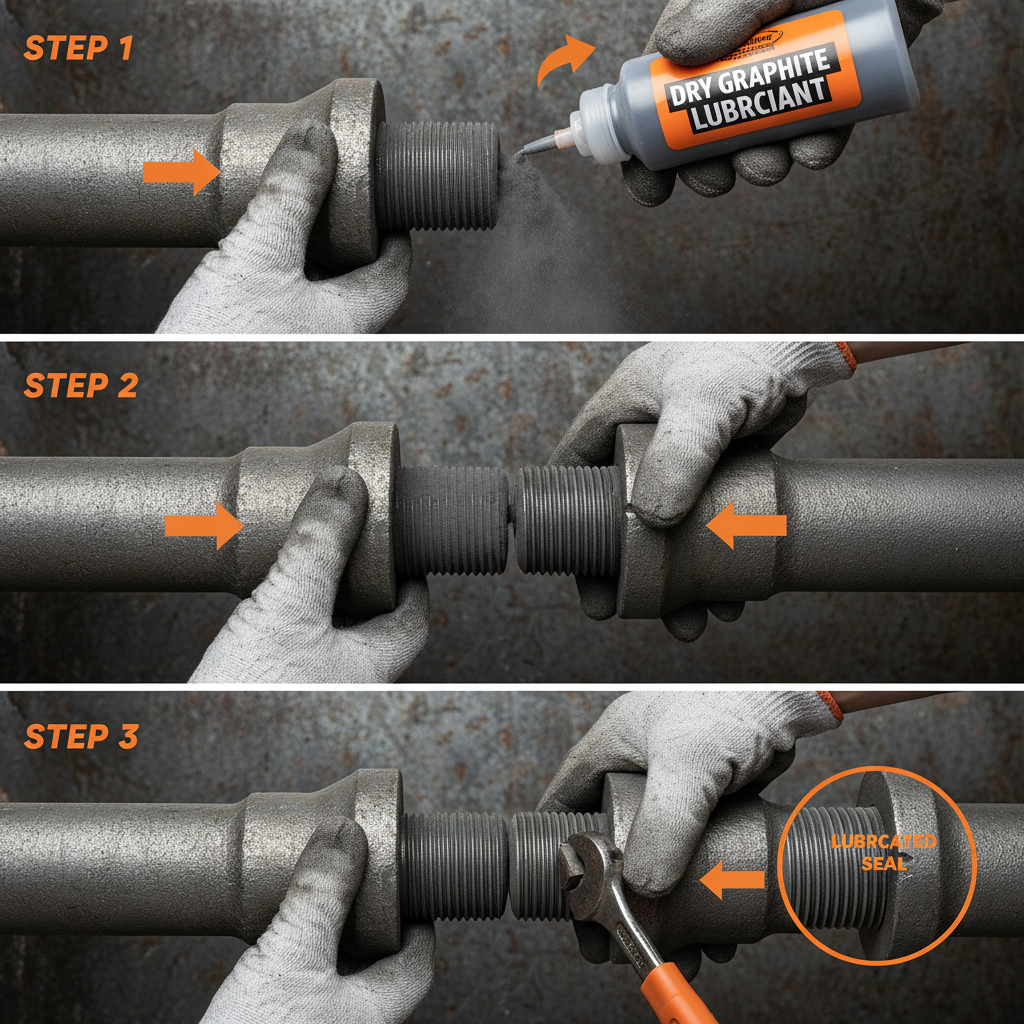
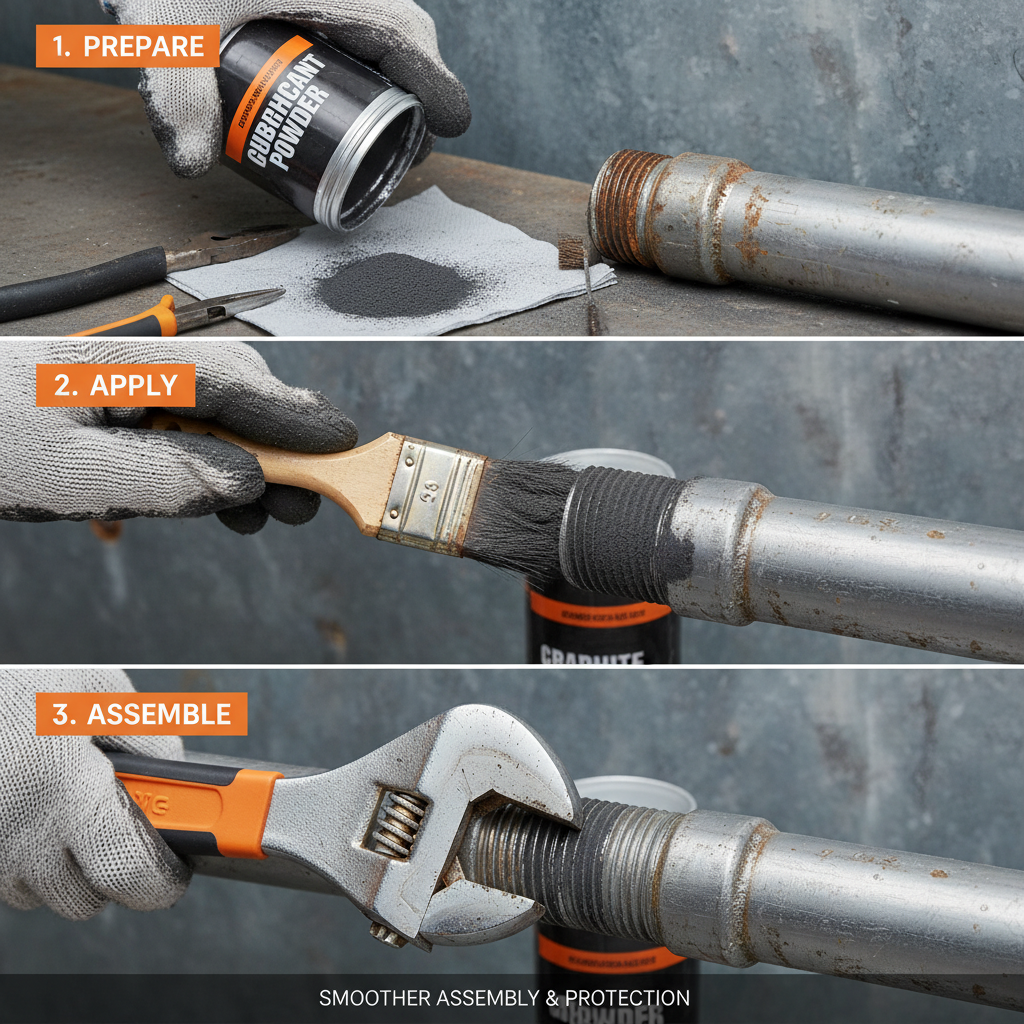
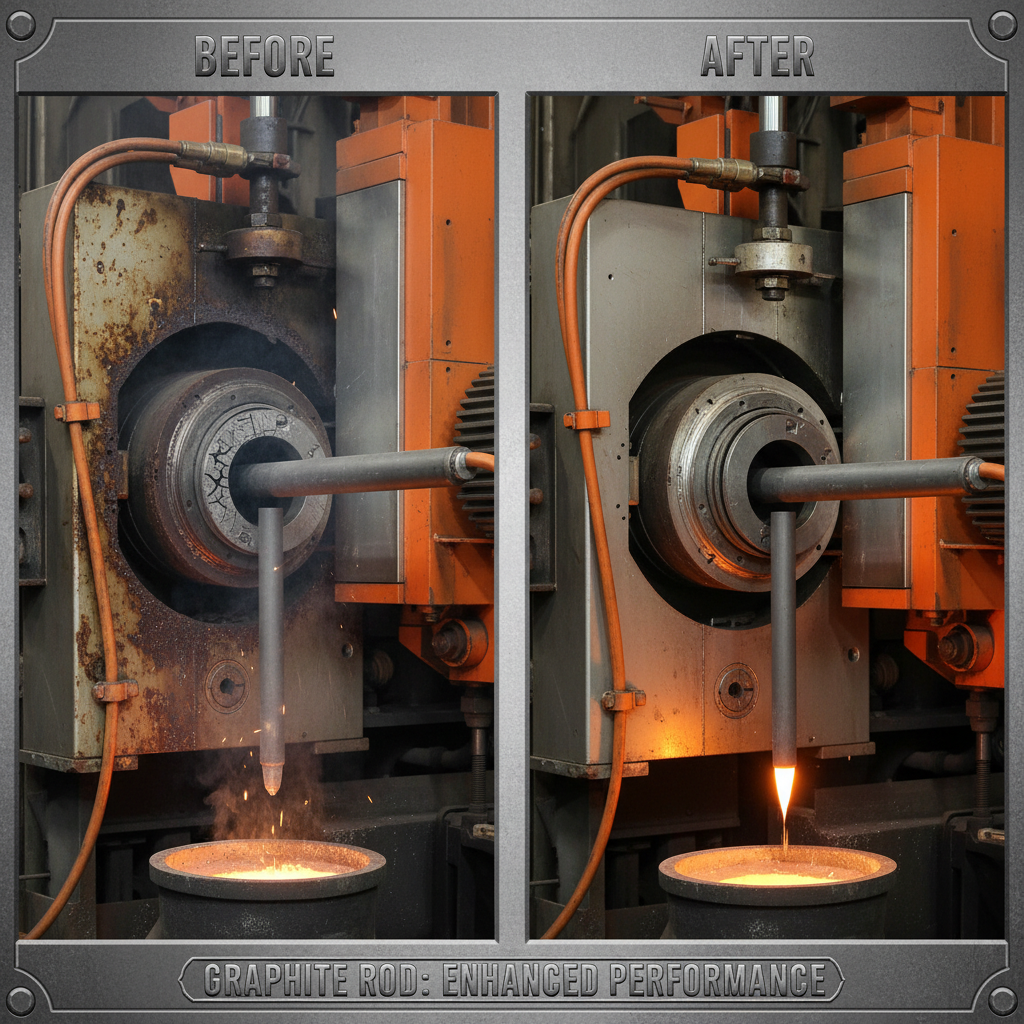
Graphite rods are cylindrical components manufactured from graphite, a crystalline form of carbon. Unlike diamond, another carbon allotrope, graphite possesses a layered structure allowing for easy delamination and making it a superb lubricant. Crucially, graphite exhibits exceptional thermal and electrical conductivity. Its high melting point (over 3,652°F or 2,011°C) and resistance to chemical corrosion further extend its usefulness in demanding environments. The quality and properties of a graphite rod are significantly impacted by the manufacturing process and the purity of the graphite used.
Key Highlights: Graphite rods are known for their high electrical and thermal conductivity, chemical inertness, and high-temperature resistance.
Key Applications of Graphite Rods
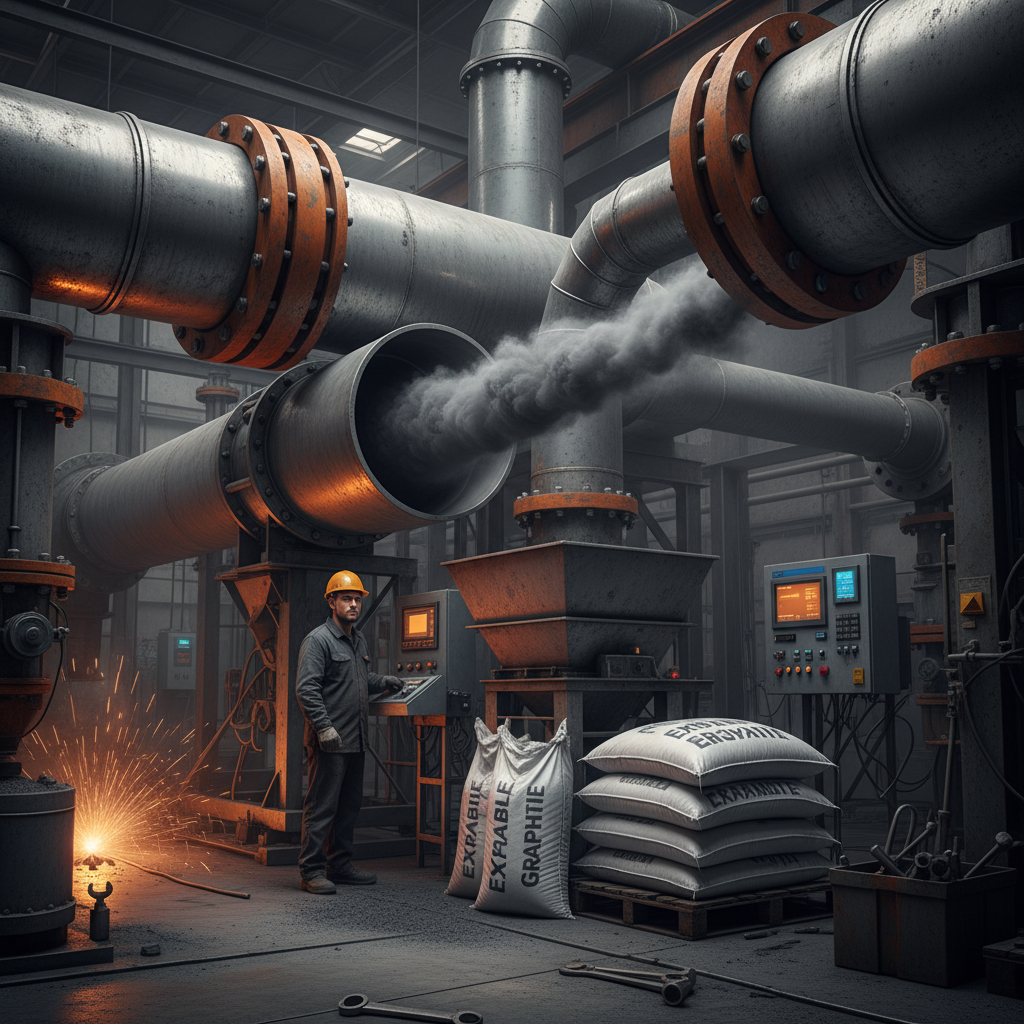
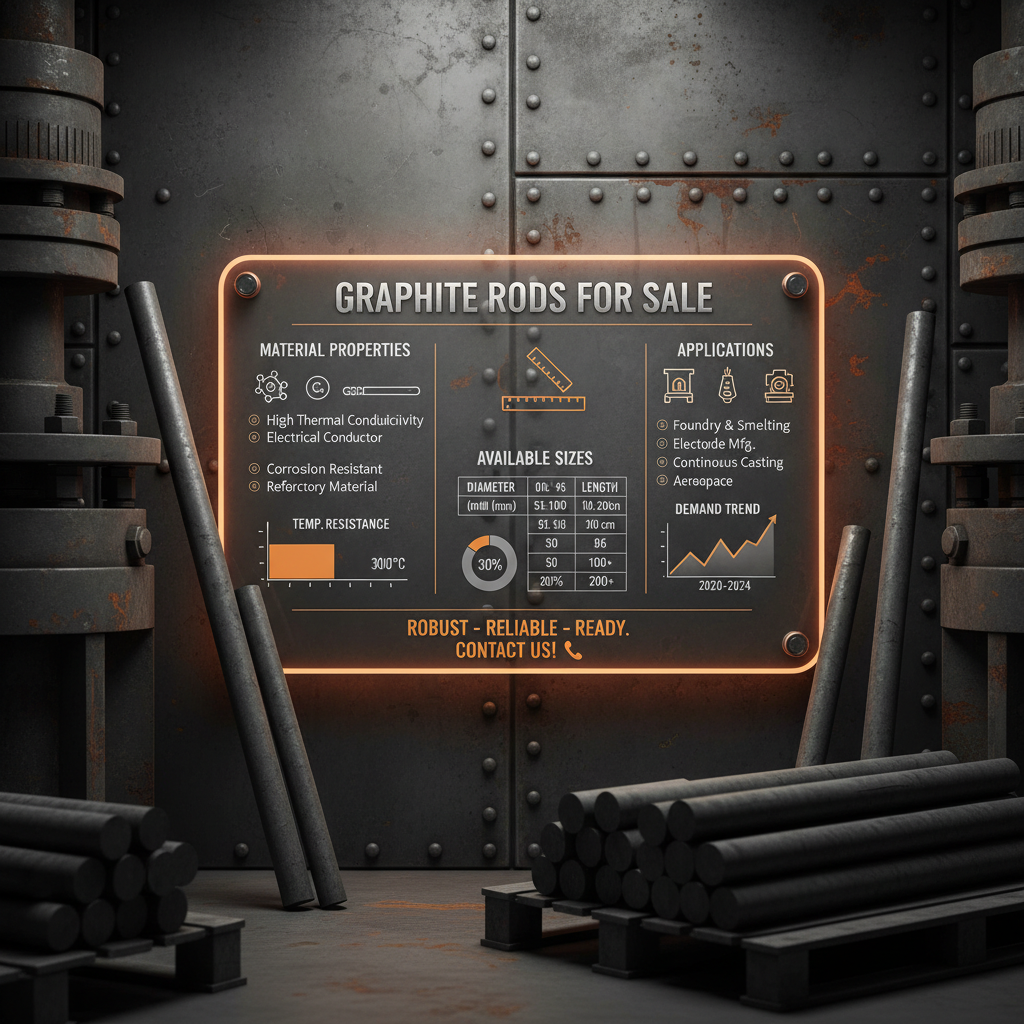
The unique properties of graphite rods drive their application across diverse fields. In the metallurgical industry, they are extensively used in continuous casting as molds and nozzles due to their resistance to molten metal attack. Electrical discharge machining (EDM) relies heavily on graphite electrodes – precision-machined graphite rods – to create complex shapes in metal workpieces. Semiconductor manufacturing utilizes graphite rods in furnace components and crucibles for silicon crystal growth. Furthermore, they are used in brushes for electric motors, chemical processing equipment, and even as components in high-temperature reactors.
Application Areas:
• Metallurgy (Continuous Casting)
• Electrical Discharge Machining (EDM)
• Semiconductor Manufacturing
• Electric Motor Brushes
Choosing the Right Graphite Rod: Grades and Specifications
Not all graphite rods are created equal. Different grades of graphite offer varying properties tailored to specific applications. Factors like grain size, density, and purity influence conductivity, strength, and resistance to oxidation. For example, fine-grained graphite offers higher strength while coarse-grained graphite exhibits better thermal shock resistance. Understanding these nuances is crucial for selecting the optimal rod for your needs. NL Graphite offers a wide range of graphite grades and can provide expert guidance on material selection.
The Benefits of Choosing NL Graphite
At NL Graphite, we specialize in the production of high-quality graphite rods tailored to meet diverse industrial needs. We leverage advanced manufacturing techniques and stringent quality control processes to ensure consistent performance and reliability. Our expertise extends beyond product supply – we offer custom machining, material consulting, and prompt delivery to support your operations. We are dedicated to providing solutions that enhance efficiency and reduce downtime for our clients.
Conclusion: Partner with NL Graphite for Superior Graphite Solutions
Graphite rods are indispensable components in numerous industries, offering a unique combination of properties. Selecting the right grade and sourcing from a reputable supplier are paramount to achieving optimal results. NL Graphite is committed to delivering exceptional quality, expertise, and customer service. Contact us today to discuss your specific requirements and discover how we can help you optimize your processes with our superior graphite solutions.
Frequently Asked Questions (FAQs)
What is the typical lifespan of a graphite rod used in EDM?
The lifespan of a graphite rod in EDM is heavily dependent on several factors including the amperage used, the material being machined, and the quality of the graphite itself. Generally, a rod can last from a few hours to several days of continuous operation. Signs of wear include rounding of the electrode tip, increased machining time, and changes in surface finish. Using a high-quality, fine-grained graphite rod from a reputable supplier like NL Graphite can significantly extend its lifespan and improve machining precision. Regular inspection and proper maintenance are also crucial for maximizing performance.
Can graphite rods be machined to custom sizes and shapes?
Yes, graphite rods are readily machinable using conventional metalworking techniques such as sawing, milling, drilling, and grinding. However, due to graphite's abrasive nature and the creation of dust, specialized tooling and dust extraction systems are recommended. NL Graphite offers custom machining services, allowing us to produce graphite rods to your exact specifications, including precise dimensions, complex shapes, and threaded ends. This ensures a perfect fit for your application and eliminates the need for in-house machining.
What safety precautions should be taken when working with graphite rods?
Graphite dust is a potential irritant to the respiratory system and skin. It’s essential to wear appropriate personal protective equipment (PPE) such as a dust mask or respirator, safety glasses, and gloves when handling or machining graphite rods. Ensure adequate ventilation in the work area to minimize dust exposure. Avoid creating excessive dust and clean up any spills promptly. Dispose of graphite waste properly in accordance with local regulations. Consult the Material Safety Data Sheet (MSDS) for detailed safety information.
 Pervious
 Next
Next