

- Englist



Understanding the Versatile Applications of Pure Graphite Rods in Modern Industries

Understanding Pure Graphite Rods: Applications and Benefits
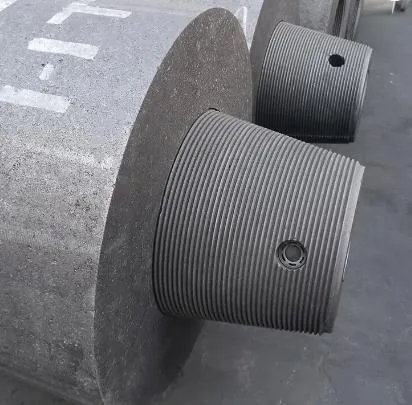
In various industrial applications, the demand for materials with exceptional thermal and electrical conductivity, combined with chemical inertness, is paramount. Pure graphite rods emerge as a crucial component, offering a unique blend of properties that cater to these needs. From EDM processes to semiconductor manufacturing, these rods play a vital role. This article delves into the characteristics, applications, and advantages of using high-purity graphite rods, providing a comprehensive overview for engineers, procurement specialists, and industry professionals. Choosing the right graphite grade is crucial for optimal performance and longevity.
The Unique Properties of Pure Graphite
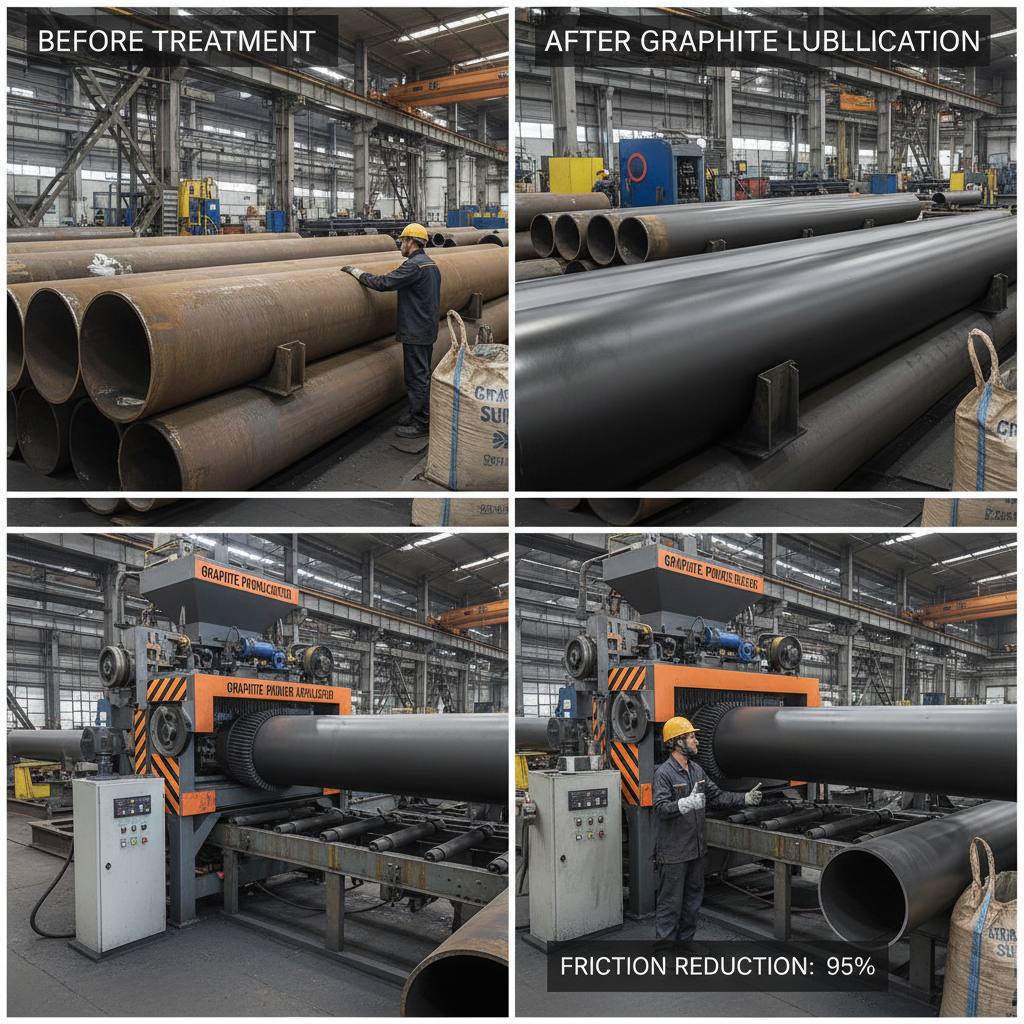
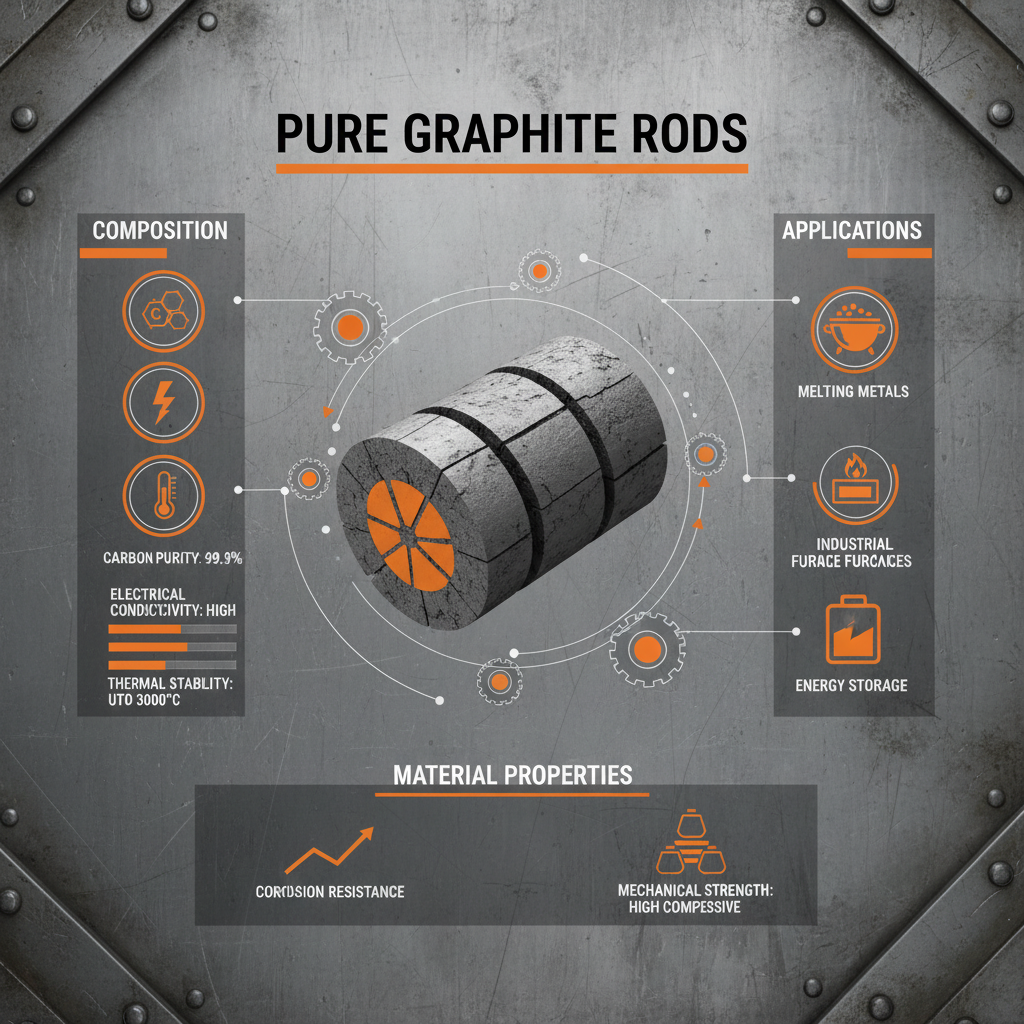
What sets pure graphite rods apart is their remarkable combination of physical and chemical properties. Firstly, they exhibit exceptional thermal conductivity, allowing for efficient heat dissipation. Secondly, they boast excellent electrical conductivity, making them ideal for electrode applications. Furthermore, graphite is chemically inert, resisting corrosion and reaction with most substances. Its self-lubricating properties reduce friction and wear, extending the lifespan of components. Finally, graphite has a high melting point, making it suitable for high-temperature environments. These characteristics contribute to the widespread use of graphite across diverse industries.
Key Highlights: Exceptional thermal and electrical conductivity, chemical inertness, self-lubricating properties, and a high melting point. These characteristics make them indispensable in numerous industrial processes.
Key Applications Utilizing Pure Graphite Rods
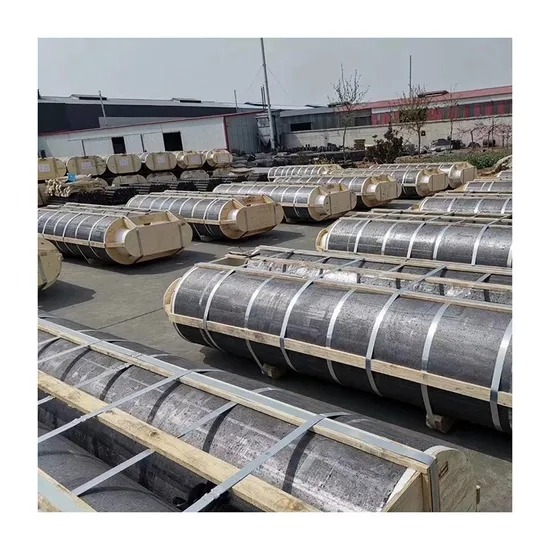
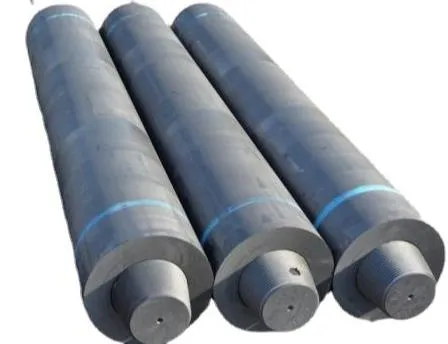
The versatile properties of pure graphite rods drive their utilization across a broad spectrum of industries. Electrical Discharge Machining (EDM) is a primary application, where the rods serve as electrodes for precision material removal. Semiconductor manufacturing utilizes them for creating silicon wafers. Continuous casting processes benefit from their thermal conductivity. Furthermore, they're used in furnace components, molds, and crucibles due to their high-temperature resistance. Chemical processing leverages their inertness in corrosive environments. These varied applications demonstrate the adaptability of graphite to meet diverse industrial challenges.
Application Benefits:
• EDM: Precise material removal and fine surface finishes.
• Semiconductor: High-purity materials for wafer production.
• Casting: Efficient heat transfer and mold stability.
• Furnaces: Resistance to high temperatures and thermal shock.
Comparing Graphite Grades: Choosing the Right Rod for Your Needs
Not all graphite rods are created equal. Different grades possess varying levels of purity, density, and mechanical strength. Choosing the optimal grade is crucial for maximizing performance and longevity. Higher purity grades are essential for semiconductor applications to avoid contamination. Higher density grades offer improved mechanical strength and wear resistance for EDM. Understanding the specific requirements of your application and consulting with a graphite supplier like NL Graphite is key to making the right decision.
Benefits of Sourcing from a Reputable Supplier
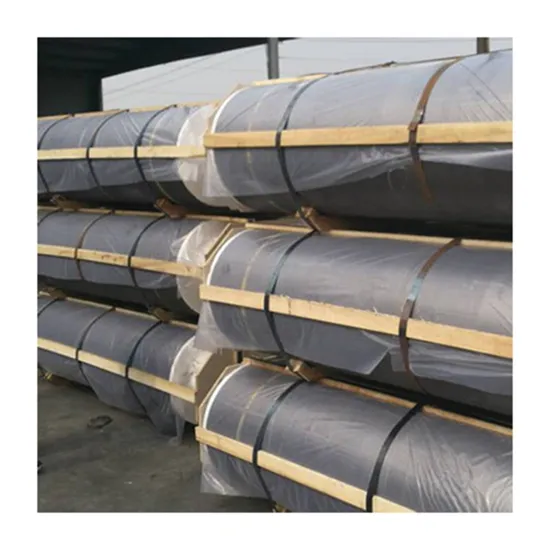
Partnering with a reputable graphite rod manufacturer like NL Graphite ensures consistent quality, reliable supply, and expert technical support. We offer a wide range of grades to meet diverse application needs. Our rigorous quality control processes guarantee adherence to industry standards. Furthermore, we provide custom machining services to tailor rods to specific dimensions and requirements. Choosing a trusted supplier minimizes downtime and maximizes the efficiency of your operations.
Conclusion: Optimizing Performance with Quality Graphite
In conclusion, pure graphite rods are essential components in numerous industrial applications, offering a unique combination of properties that enhance performance and efficiency. Selecting the appropriate grade and partnering with a reliable supplier like NL Graphite are crucial for achieving optimal results. By prioritizing quality and expertise, businesses can unlock the full potential of this versatile material.
Frequently Asked Questions (FAQs)
What is the typical lifespan of a pure graphite rod used in EDM?
The lifespan of a pure graphite rod used in Electrical Discharge Machining (EDM) varies significantly based on factors like current settings, machining parameters, and the material being cut. Generally, rods can last from a few hours to several weeks of continuous use. Regular inspection for wear and tear, such as rounding of edges, is crucial. Proper maintenance, including cleaning and consistent settings, can extend the rod’s life. Choosing a higher-density grade can also increase durability and reduce wear rates. Contacting NL Graphite for specific recommendations for your EDM application can help optimize rod lifespan.
Are pure graphite rods conductive of electricity?
Yes, pure graphite rods are excellent conductors of electricity. This property is one of the primary reasons they're used in applications like EDM and as electrodes in various electrochemical processes. Graphite's unique atomic structure allows electrons to move freely, facilitating electrical current flow. However, the conductivity can vary slightly based on the purity and density of the graphite. Higher purity grades generally exhibit higher electrical conductivity.
Can graphite rods be machined to custom sizes?
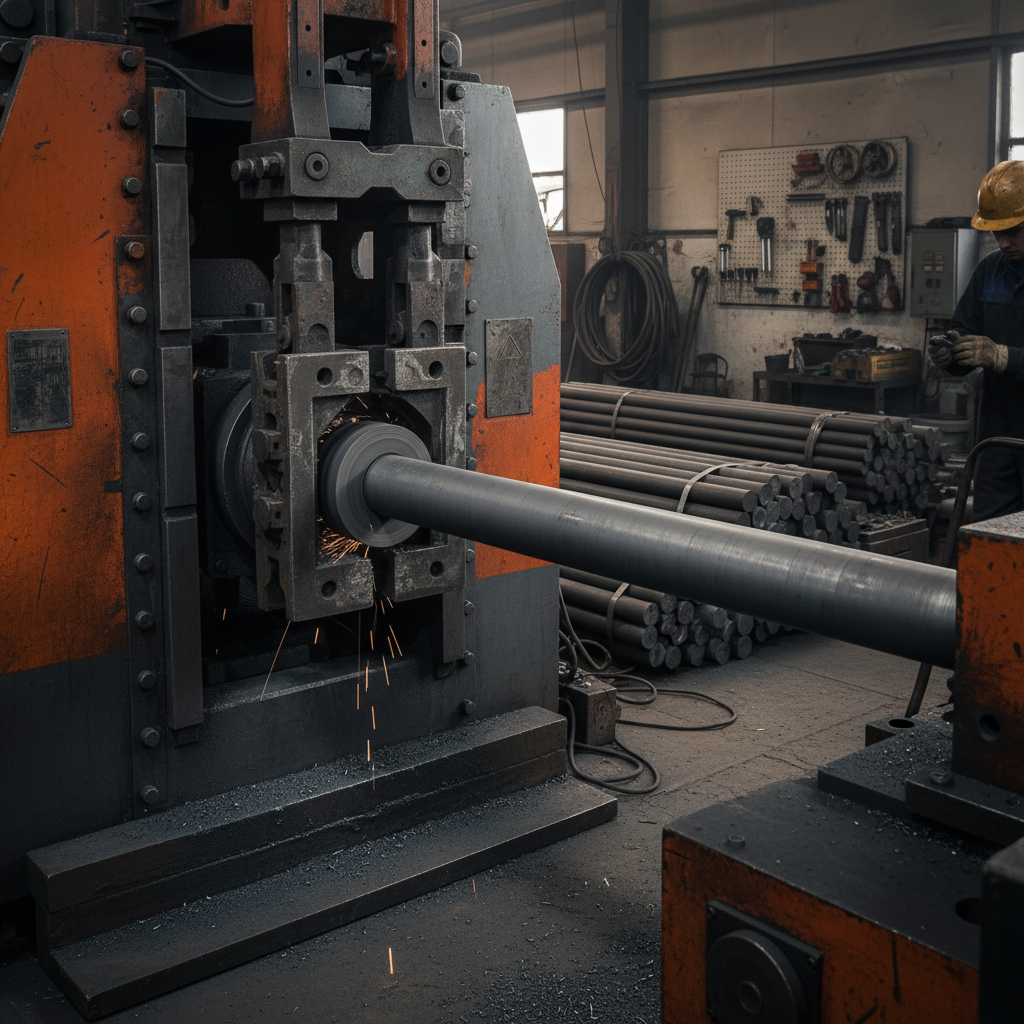
Absolutely. Graphite is a relatively soft material, making it readily machinable. NL Graphite offers custom machining services to produce graphite rods to precise dimensions and specifications. This includes cutting, grinding, drilling, and threading. Custom machining allows for optimal fit and performance in specialized applications. We work closely with clients to understand their requirements and deliver tailored solutions.
What safety precautions should be taken when handling graphite rods?
While graphite itself is generally inert, handling pure graphite rods requires some safety precautions. Graphite dust can be irritating to the respiratory system and skin, so wearing a dust mask and gloves is recommended during machining or handling. Avoid creating excessive dust, and ensure adequate ventilation. Additionally, graphite can conduct electricity, so avoid contact with live electrical sources. Always follow standard safety procedures for handling materials in a workshop or industrial setting.
 Pervious
 Next
Next