

- Englist



Understanding Petcoke Price Dynamics and Procurement Strategies

Understanding the Petcoke Price Landscape
The price of petcoke, a crucial carbon material used in various industries, is subject to complex fluctuations driven by global supply and demand, geopolitical factors, and refining processes. Understanding these dynamics is vital for businesses reliant on this resource. At NL Graphite, we specialize in providing high-quality graphite solutions alongside a deep understanding of the petcoke market. This article will delve into the key factors influencing petcoke price, current trends, and strategies for effective procurement.
Factors Influencing Petcoke Price
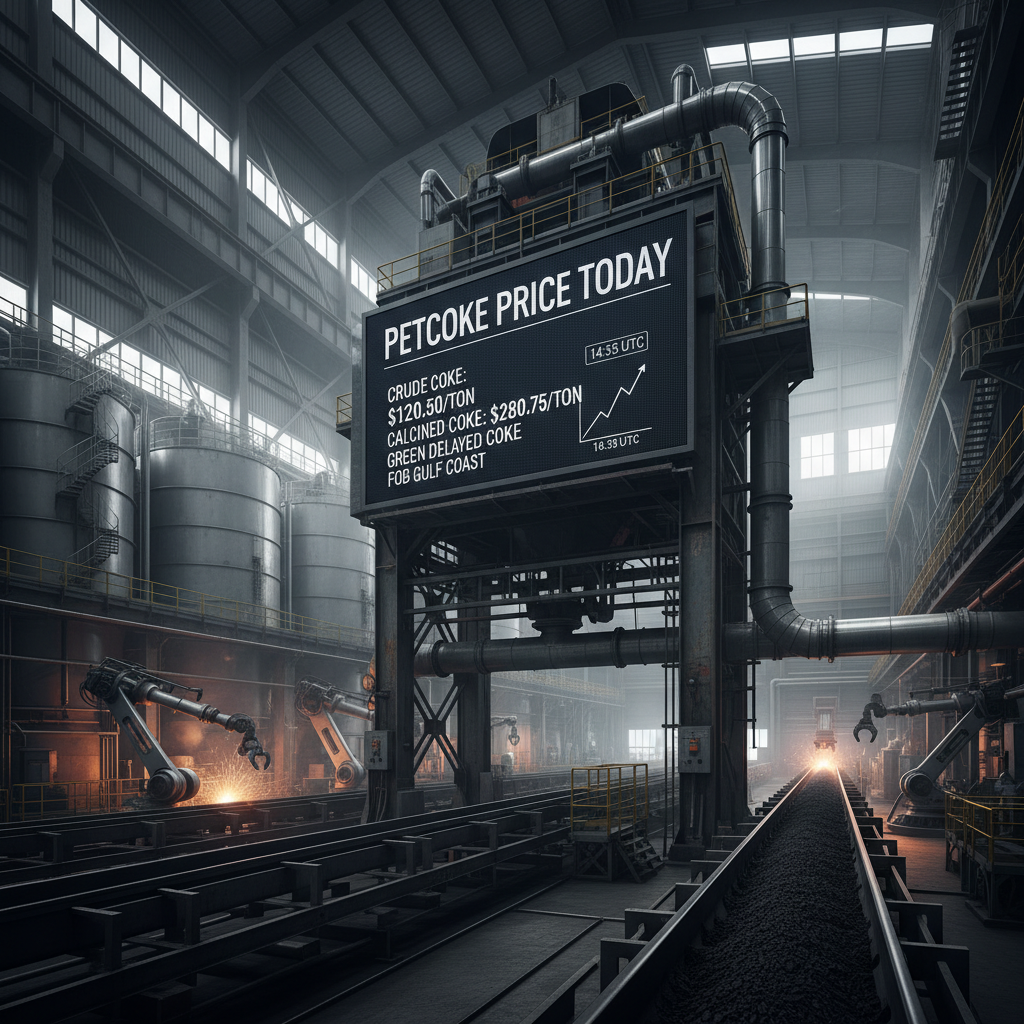
Several key factors contribute to the variability of petcoke prices. Firstly, crude oil prices significantly impact refining margins, subsequently influencing the availability and cost of petcoke as a byproduct. Secondly, demand from aluminum smelters, the largest consumers of petcoke, dictates a substantial portion of the price. Increased aluminum production typically drives up petcoke prices, while reduced demand can lead to price declines. Thirdly, logistical constraints, including transportation costs (shipping, rail, and trucking) and port congestion, play a crucial role, particularly for international buyers. Finally, environmental regulations and the increasing focus on sustainable energy sources are beginning to shape the long-term supply and demand equation.
Key Highlights: The price of petcoke is affected by crude oil prices, demand from the aluminum industry, logistical costs, and environmental regulations.
Current Petcoke Price Trends (2023-2024)
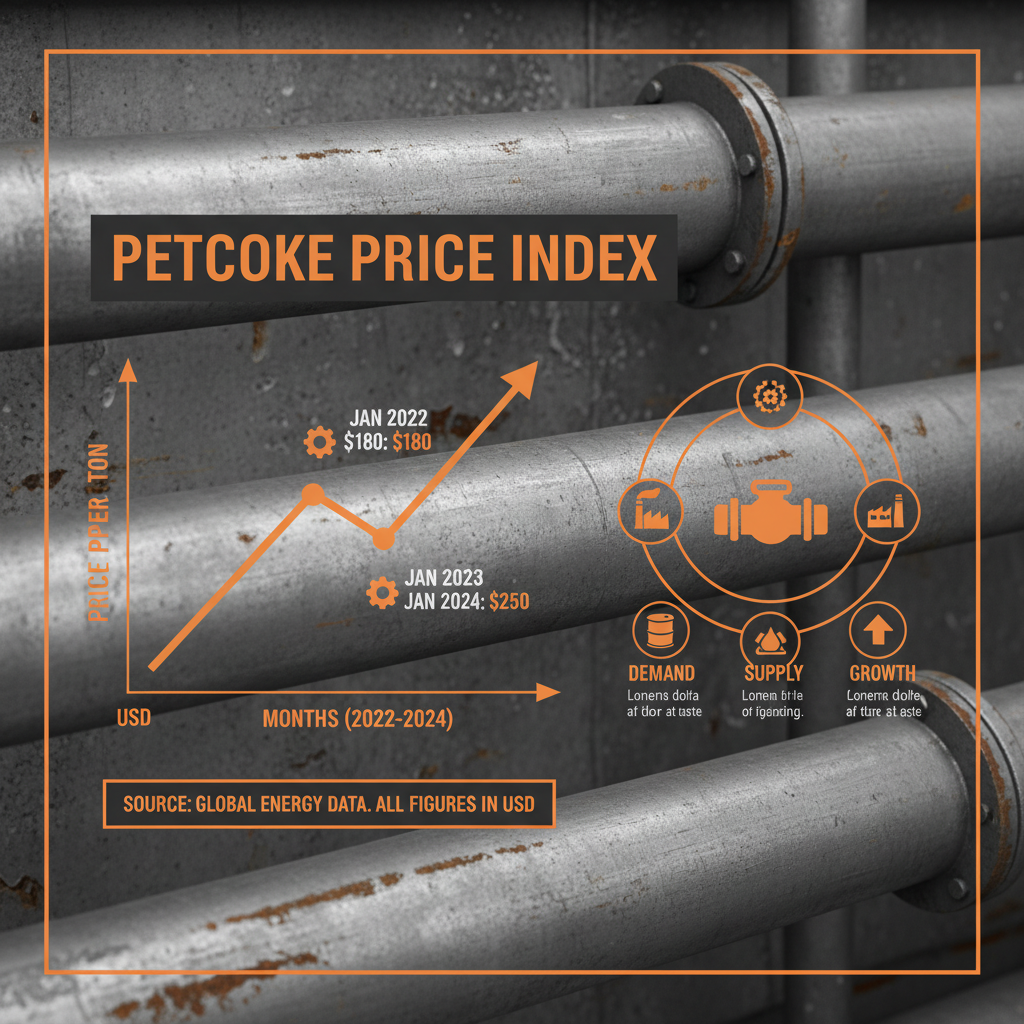
In recent years, the petcoke market has experienced considerable volatility. 2023 saw a period of relative stability following the post-pandemic recovery, but geopolitical tensions and fluctuating energy prices injected renewed uncertainty in late 2023 and early 2024. Demand from China, a major aluminum producer, remains a dominant force. Supply chain disruptions, caused by weather events and logistical bottlenecks, continue to influence prices regionally. The shift towards greener aluminum production methods could also lead to a gradual decrease in petcoke demand in the long run, though this transition is expected to be slow. Staying informed about these trends is critical for making sound purchasing decisions.
Petcoke Price Trends:
• 2023: Relative stability followed by increased volatility.
• 2024 (YTD): Continued uncertainty due to geopolitical factors and supply chain disruptions.
• Long-term: Potential for decreased demand due to green aluminum production.
Petcoke Price Variations by Grade and Region
Petcoke is categorized into different grades based on sulfur content and other impurities, influencing its price. Low-sulfur petcoke generally commands a premium due to its suitability for demanding applications like aluminum smelting. Delayed petcoke, produced through a slower coking process, also typically fetches a higher price than fluid petcoke. Regionally, prices vary significantly due to transportation costs, local demand, and availability. North America generally has lower petcoke prices compared to Asia and Europe due to abundant domestic supply. NL Graphite offers competitive pricing and efficient logistics to meet your specific needs, regardless of location.
Strategic Procurement of Petcoke
Effective petcoke procurement requires a proactive approach. Diversifying your supplier base can mitigate risk and improve negotiating leverage. Consider long-term contracts to secure stable pricing, but ensure flexibility to adapt to market changes. Closely monitor global economic indicators, refining margins, and aluminum production trends. Partnering with a reliable supplier like NL Graphite, who offers market insights and supply chain expertise, is essential for optimizing your procurement strategy.
Looking Ahead: The Future of Petcoke Pricing
The petcoke market is likely to remain dynamic and subject to fluctuations in the foreseeable future. The transition towards sustainable aluminum production will undoubtedly play a significant role, potentially curbing long-term demand. Geopolitical events and economic uncertainties will continue to introduce volatility. Staying informed, developing robust procurement strategies, and partnering with experienced suppliers will be crucial for navigating these challenges. NL Graphite is dedicated to providing our customers with the latest market intelligence and reliable supply solutions.
Conclusion: Navigating the Petcoke Market
Understanding the factors influencing petcoke price is paramount for businesses relying on this essential material. By staying informed about market trends, employing strategic procurement practices, and partnering with a reliable supplier like NL Graphite, you can mitigate risk and optimize your supply chain.
Frequently Asked Questions (FAQs)
What factors cause sudden spikes in petcoke prices?
Sudden spikes in petcoke prices are often triggered by a combination of factors, including disruptions to crude oil supply, unexpected increases in aluminum production, logistical bottlenecks (such as port congestion or railcar shortages), and geopolitical events that impact energy markets. Severe weather events can also disrupt supply chains and contribute to price increases. Monitoring these factors closely is crucial for anticipating and mitigating price volatility.
How can I secure a stable petcoke supply?
Securing a stable petcoke supply involves diversifying your supplier base, negotiating long-term contracts with price adjustment clauses, and building strong relationships with reputable suppliers like NL Graphite. Maintaining adequate inventory levels can also provide a buffer against short-term supply disruptions. Regularly reviewing and adjusting your procurement strategy based on market conditions is essential.
What is the difference between delayed and fluid petcoke, and how does it affect the price?
Delayed petcoke is produced through a slower coking process, resulting in larger, more uniform particles with lower moisture content. Fluid petcoke, on the other hand, is produced more rapidly and has a finer, more powdery consistency. Delayed petcoke typically commands a higher price due to its superior handling characteristics and suitability for aluminum smelting. It’s also often easier to transport and store. The difference in production cost and quality leads to this price variance.
How do environmental regulations impact petcoke prices?
Increasingly stringent environmental regulations regarding sulfur emissions and carbon footprint are impacting petcoke prices. Regulations that limit the use of high-sulfur petcoke or impose carbon taxes can increase the cost of production and reduce supply, driving up prices for low-sulfur grades. The transition to greener aluminum production methods, which utilize alternative carbon sources, may also lead to a long-term decline in petcoke demand and potentially affect prices.
 Pervious
 Next
Next