

- Englist



Understanding the Petcoke Price Index for Global Trade and Industry Insights

Understanding the Petcoke Price Index and its Impact on Graphite Production
The petcoke price index is a crucial indicator for businesses involved in various industries, most notably graphite production. Petcoke, a byproduct of oil refining, serves as a vital raw material in the creation of graphite electrodes, essential for steelmaking and other metallurgical processes. Understanding the fluctuations of the petcoke price index is critical for effective cost management and strategic decision-making. This article explores the intricacies of the petcoke price index, its influencing factors, and its direct correlation with graphite production costs, particularly at NL Graphite. We will delve into historical trends, regional variations, and future outlooks to provide a comprehensive understanding of this important economic indicator.
What is the Petcoke Price Index?
The petcoke price index represents a weighted average of prices for petroleum coke, reflecting the market value of this commodity. It’s typically tracked by various industry sources and provides a benchmark for assessing the cost of petcoke in different regions. The index isn't a single, universally accepted figure; different reporting agencies may utilize slightly different methodologies for calculation. However, they all aim to provide a reliable overview of the market. The index can be reported on a daily, weekly, or monthly basis, offering varying degrees of granularity. Crucially, this index directly affects the input costs for graphite manufacturers like NL Graphite, impacting production margins and ultimately, pricing strategies.
Key Takeaway: The petcoke price index serves as a vital benchmark for assessing petcoke costs globally and directly influences the production costs for graphite manufacturers.
Factors Influencing the Petcoke Price Index
Several factors contribute to the volatility of the petcoke price index. Crude oil prices are a primary driver, as petcoke is a byproduct of the refining process. Supply and demand dynamics within the refining industry also play a significant role. Increased refinery output generally leads to higher petcoke availability, potentially lowering prices. Conversely, refinery shutdowns or reduced capacity can tighten supply and push prices upwards. Geopolitical events, transportation costs (especially shipping rates), and environmental regulations can also have a considerable impact. Furthermore, seasonal demand fluctuations, particularly during peak steel production periods, can affect the index.
Key Influencing Factors:
• Crude Oil Prices
• Refinery Output & Capacity
• Geopolitical Events
• Transportation Costs
• Environmental Regulations
Petcoke Price Index and Graphite Production Costs
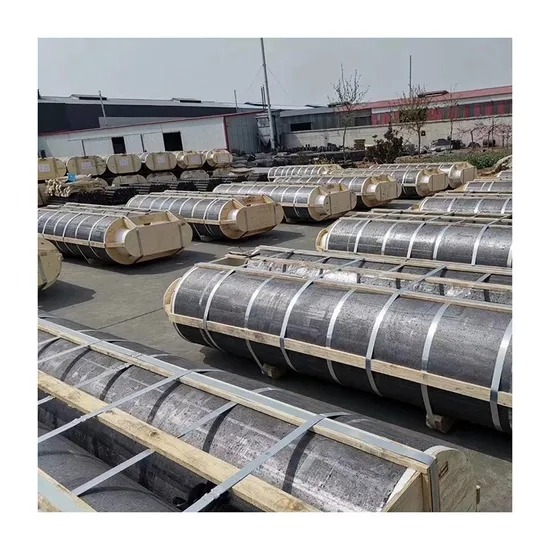
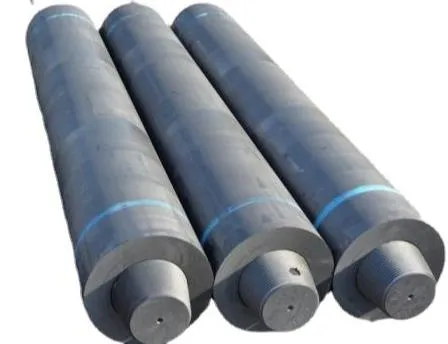
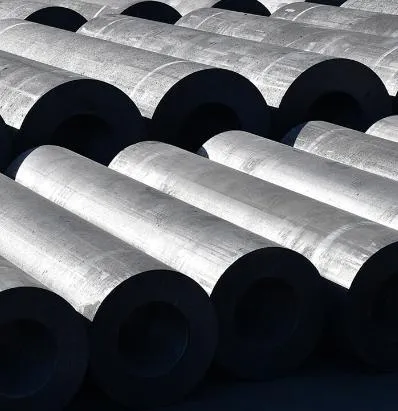
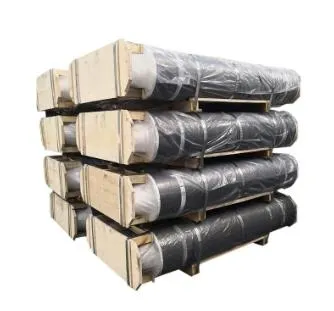
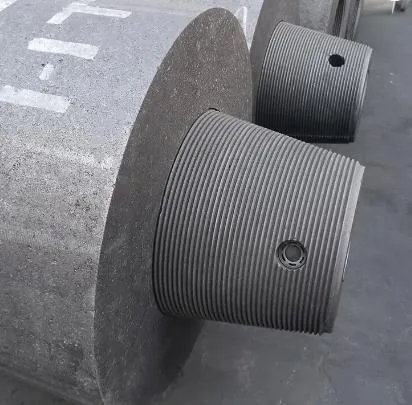
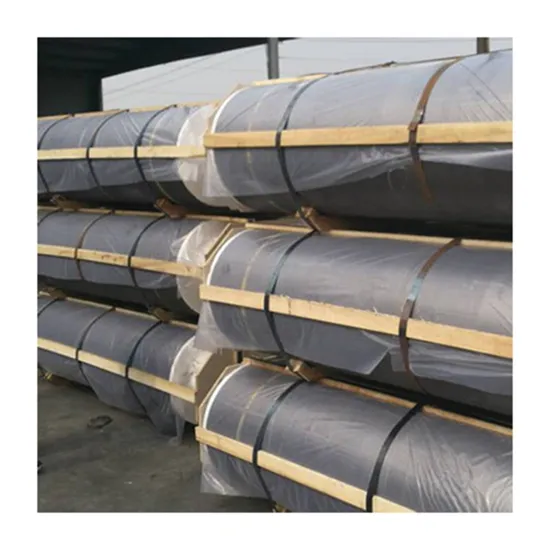
Petcoke is a critical input material in the production of graphite electrodes, used extensively in electric arc furnaces (EAFs) for steelmaking. The cost of petcoke directly influences the cost of these electrodes, representing a significant portion of the overall production expense. When the petcoke price index rises, graphite producers like NL Graphite face increased raw material costs, which can either be absorbed (reducing profit margins) or passed on to customers (potentially affecting market competitiveness). Efficient sourcing strategies and long-term supply contracts are therefore essential for mitigating the impact of price fluctuations. Understanding and forecasting the petcoke price index allows for proactive cost management and optimized production planning.
Regional Variations in Petcoke Pricing
The petcoke price index isn't uniform globally. Pricing variations exist due to logistical factors, regional supply/demand imbalances, and local regulations. For instance, petcoke prices in the US Gulf Coast, a major refining hub, often differ from those in Asia or Europe. Shipping costs, port congestion, and import/export tariffs can all contribute to these disparities. Producers need to monitor regional price differences to optimize sourcing strategies and minimize transportation expenses. NL Graphite actively monitors these trends to secure cost-effective petcoke supplies.
Future Outlook for the Petcoke Price Index
The future of the petcoke price index remains somewhat uncertain, influenced by evolving energy market dynamics and environmental pressures. The transition towards renewable energy sources and the potential decline in oil consumption could affect refining output and, consequently, petcoke supply. However, demand from the steel industry, particularly in emerging economies, is expected to remain robust. Furthermore, stricter environmental regulations on petcoke handling and emissions may add to production costs. Monitoring these developments will be crucial for graphite producers to navigate the evolving market landscape and maintain profitability.
Conclusion
Understanding the petcoke price index is paramount for success in the graphite production industry. By closely monitoring influencing factors and regional variations, companies like NL Graphite can proactively manage costs, optimize sourcing, and maintain a competitive edge. Staying informed about future market trends is essential for long-term sustainability.
Frequently Asked Questions (FAQs)
Where can I find reliable data on the petcoke price index?
Several industry sources track and report on the petcoke price index. Argus Media, S&P Global Platts, and IHS Markit are reputable providers of market data. These sources typically offer subscription-based access to their reports and analyses. Additionally, industry associations and commodity trading platforms may provide relevant information. NL Graphite leverages these data sources to inform its procurement decisions and manage its cost structure effectively.
How does geopolitical instability impact petcoke prices?
Geopolitical instability, such as conflicts or trade disputes, can significantly disrupt the supply chain for crude oil and, consequently, petcoke. Events that impact oil production or transportation can lead to price spikes. Furthermore, political tensions can create uncertainty in the market, increasing price volatility. Sanctions imposed on oil-producing nations can also restrict supply and drive up prices. Companies must carefully assess geopolitical risks when making long-term sourcing plans.
What are the environmental concerns associated with petcoke, and how might they affect its price?
Petcoke combustion can release pollutants such as sulfur dioxide and particulate matter, raising environmental concerns. Stricter environmental regulations on petcoke handling, storage, and emissions are being implemented in many regions. These regulations can increase compliance costs for petcoke users, potentially driving up prices. Additionally, public pressure to reduce reliance on fossil fuels may lead to decreased demand for petcoke in the long term. NL Graphite is committed to sustainable practices and actively explores ways to minimize its environmental impact.
How can graphite producers mitigate the risks associated with petcoke price fluctuations?
Graphite producers can employ several strategies to mitigate the risks associated with petcoke price volatility. These include negotiating long-term supply contracts with fixed or indexed pricing, diversifying sourcing to reduce dependence on a single supplier, implementing hedging strategies, and investing in energy-efficient production processes to reduce overall input costs. Maintaining strong relationships with petcoke suppliers and actively monitoring market trends are also crucial.
 Pervious
 Next
Next