

- Englist



Exploring Pet Coke Uses A Comprehensive Industrial Guide

Pet Coke Uses: A Comprehensive Guide
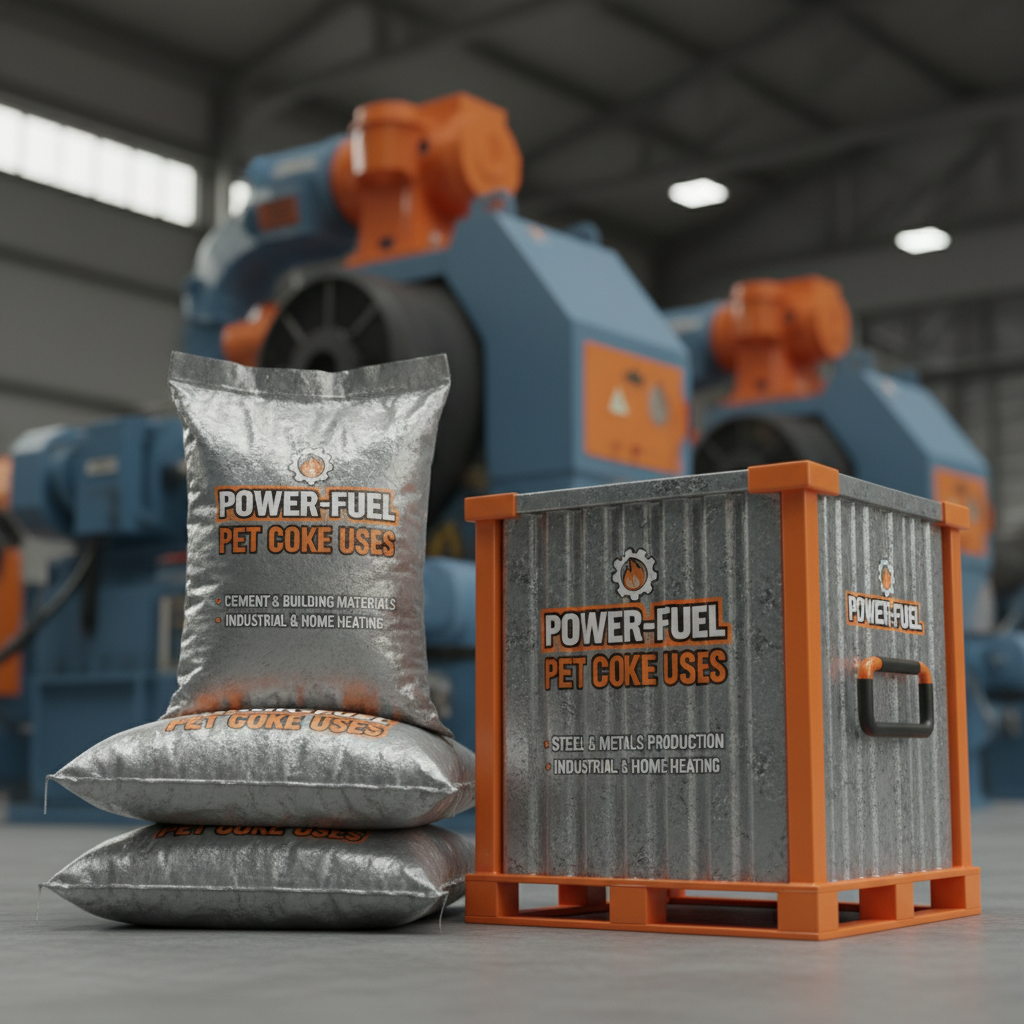
Petroleum coke (pet coke) is a carbon-rich solid derived from oil refining processes. While often considered a byproduct, it has a surprisingly wide range of industrial applications, and is becoming increasingly important in various sectors. This article explores the diverse pet coke uses, its properties, and considerations for its responsible application. Understanding the versatility of this material is key to maximizing its value and minimizing environmental impact.
Understanding Petroleum Coke: Types and Properties
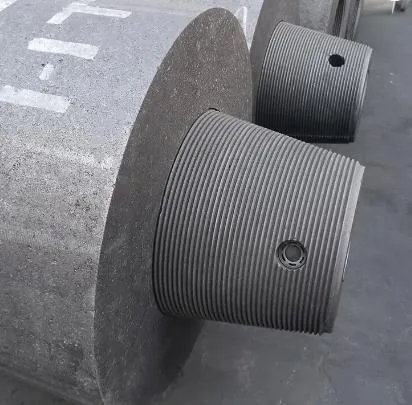
Pet coke isn't a single uniform product. It's broadly classified into two main types: needle coke and sponge coke. Needle coke, characterized by its elongated, needle-like crystals, is primarily used in the production of graphite electrodes for the aluminum smelting industry. Sponge coke, with a more porous structure, is utilized in a broader range of applications, including fuel, carbon additives, and the production of anodes. The key properties of pet coke, such as its high carbon content (typically over 90%), low sulfur content (in high-quality grades), and high energy density, contribute to its industrial value. Its physical form, ranging from powder to larger granules, also influences its specific applications.
Key Highlights: Pet coke boasts a high carbon content (over 90%) and low sulfur levels (in high-quality grades), making it a valuable material in diverse industries.
Pet Coke Uses in the Aluminum Industry
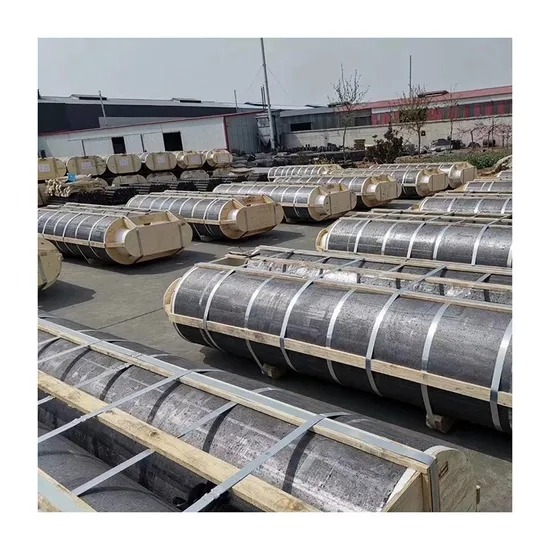
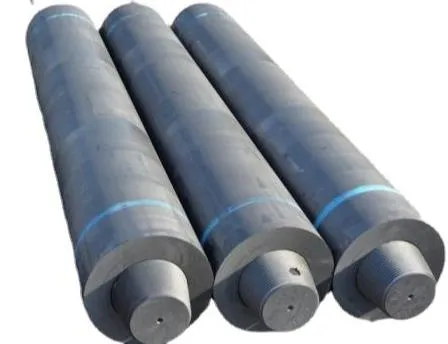
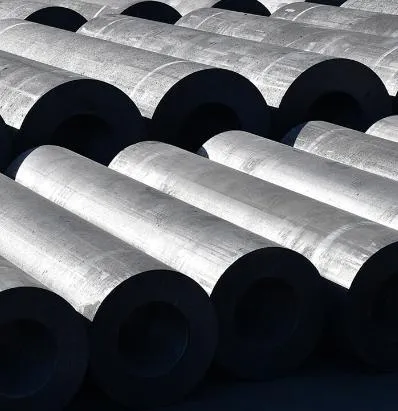
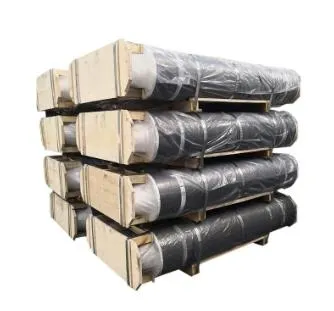
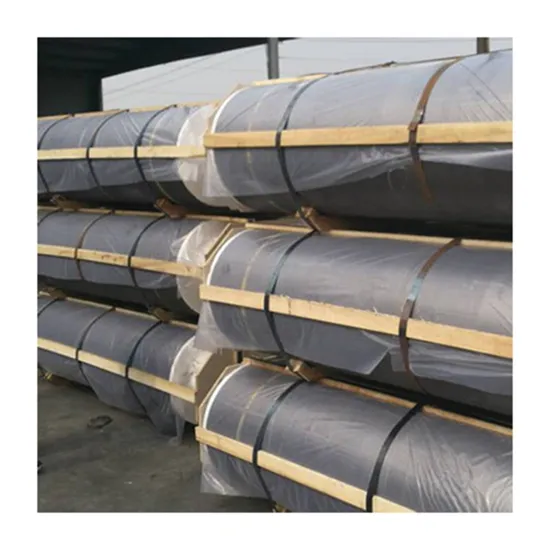
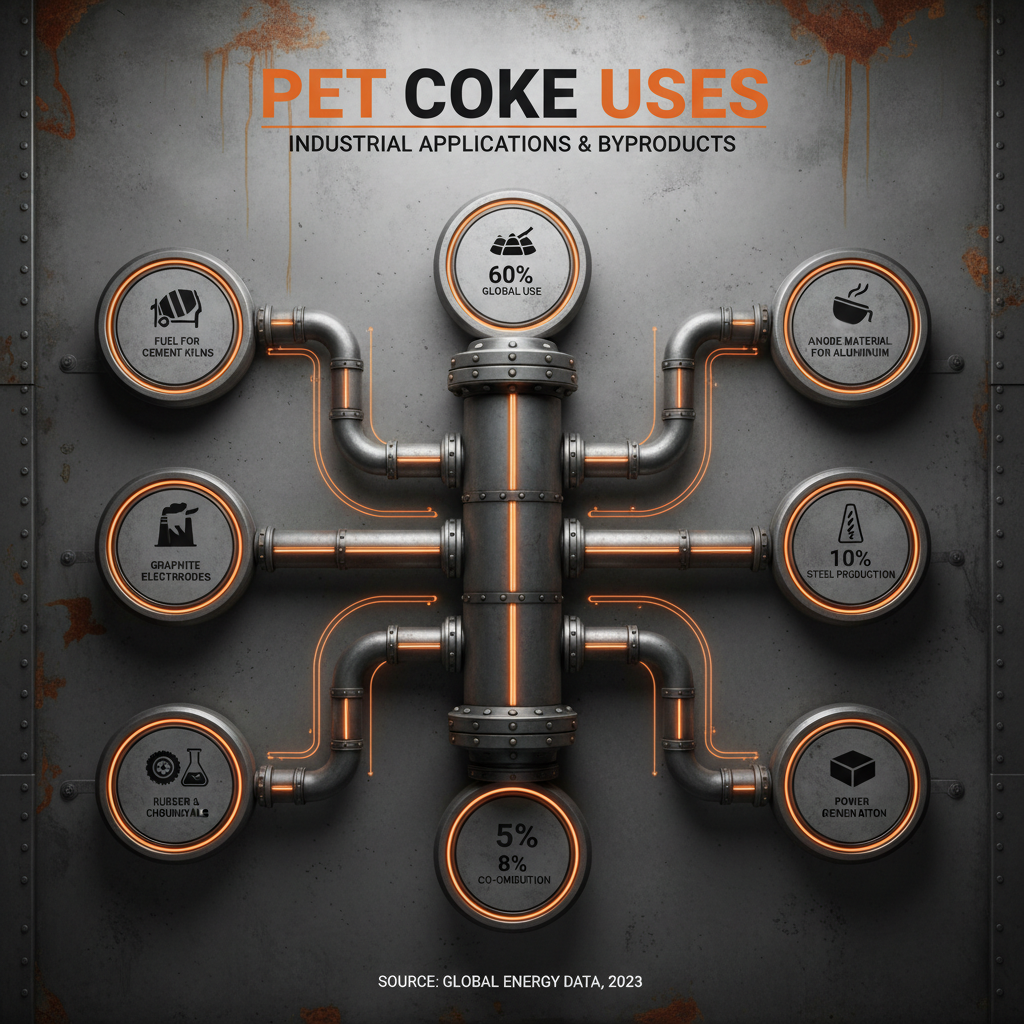
The aluminum industry is by far the largest consumer of pet coke. Specifically, needle coke is crucial in the manufacture of graphite electrodes used in the Hall–Héroult process for aluminum smelting. These electrodes conduct electricity to melt the alumina (aluminum oxide) and separate aluminum metal. The quality of the pet coke directly impacts the performance and efficiency of the smelting process. Demand for aluminum continues to drive the need for high-quality needle coke, making this application a significant factor in the pet coke market. NL Graphite provides various grades of pet coke suited to the aluminum industry.
Aluminum Industry Benefits:
• Essential for graphite electrode production
• Impacts smelting process efficiency
• High demand due to aluminum industry growth
Pet Coke as a Fuel Source: Power Generation and Cement Production
Sponge coke is often used as a fuel source due to its high energy content. It serves as a supplemental fuel in power plants, particularly those with coal-firing capabilities. However, its use as a direct coal replacement is becoming less common due to environmental concerns related to emissions. A significant application remains in the cement industry, where pet coke is used to provide the high temperatures needed for clinker production. The cement industry's need for cost-effective and high-heat fuels ensures a consistent demand for pet coke.
Pet Coke Uses in Steel Manufacturing and Other Metallurgical Applications
Beyond aluminum and cement, pet coke finds applications in the steel industry. It acts as a carbon raiser, adding carbon to molten steel to achieve the desired composition and mechanical properties. It's also used in the production of various metallurgical products, including ferroalloys. In addition, the carbon black derived from pet coke is used in the production of tires, plastics, and inks. This diverse range of metallurgical applications demonstrates the broad utility of this carbon-rich material.
Environmental Considerations and Sustainable Practices
The use of pet coke is not without environmental concerns. Combustion of pet coke can release sulfur dioxide, nitrogen oxides, and particulate matter, contributing to air pollution. Therefore, stringent emission controls and the use of low-sulfur pet coke grades are crucial. Responsible sourcing and handling are also paramount. NL Graphite is committed to sustainable practices in the supply of pet coke, including quality control and adherence to environmental regulations.
Conclusion: The Continued Importance of Pet Coke
Petroleum coke remains a valuable resource across various industries, from aluminum production to cement manufacturing. Its high carbon content and energy density make it an economically attractive material. However, responsible use, stringent emission controls, and a commitment to sustainable practices are essential to mitigate its environmental impact. NL Graphite provides reliable and quality pet coke solutions, with a focus on sustainability.
Frequently Asked Questions (FAQs)
What is the difference between needle coke and sponge coke?
Needle coke and sponge coke differ in their crystalline structure and primary applications. Needle coke possesses elongated, needle-like crystals and is primarily used in graphite electrode production for the aluminum industry. Sponge coke has a porous structure and is utilized as a fuel source, carbon additive, and in the production of anodes. Needle coke demands higher purity and specific properties crucial for electrode performance, while sponge coke's applications are broader and may tolerate varying quality levels.
What are the environmental concerns associated with pet coke usage?
The main environmental concern is the emission of pollutants during combustion, including sulfur dioxide, nitrogen oxides, and particulate matter. These emissions contribute to air pollution and potential health issues. Additionally, the handling and storage of pet coke can create dust problems. Mitigating these concerns requires using low-sulfur pet coke grades, implementing effective emission control technologies, and following best practices for handling and storage.
Is pet coke a renewable resource?
No, pet coke is not a renewable resource. It is a byproduct of petroleum refining, a process that relies on finite fossil fuel reserves. While it utilizes a byproduct that would otherwise be discarded, the ultimate source—crude oil—is non-renewable. Ongoing research focuses on exploring alternative carbon sources and promoting sustainable practices to reduce reliance on fossil fuel-derived products like pet coke.
 Pervious
 Next
Next