

- Englist



Exploring the Diverse Use of Pet Coke in Modern Industrial Applications

The Diverse Use of Pet Coke in Modern Industry
Petroleum coke, often shortened to ‘pet coke’, is a carbon-rich byproduct of oil refining. While sometimes viewed with environmental concerns, its unique properties make it a valuable resource in numerous industrial applications. This article will delve into the diverse uses of pet coke, exploring its benefits, limitations, and the future outlook for this essential material. From aluminum production to the steel industry, pet coke plays a critical role in global manufacturing processes. Understanding its applications is key to appreciating its economic significance.
Pet Coke as a Critical Component in Aluminum Production
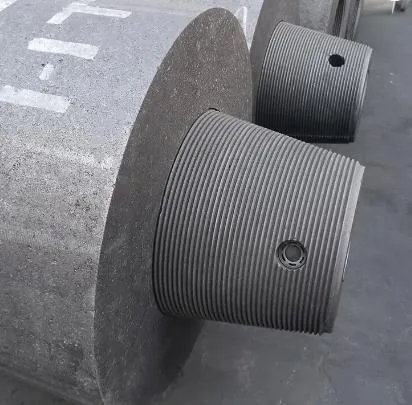
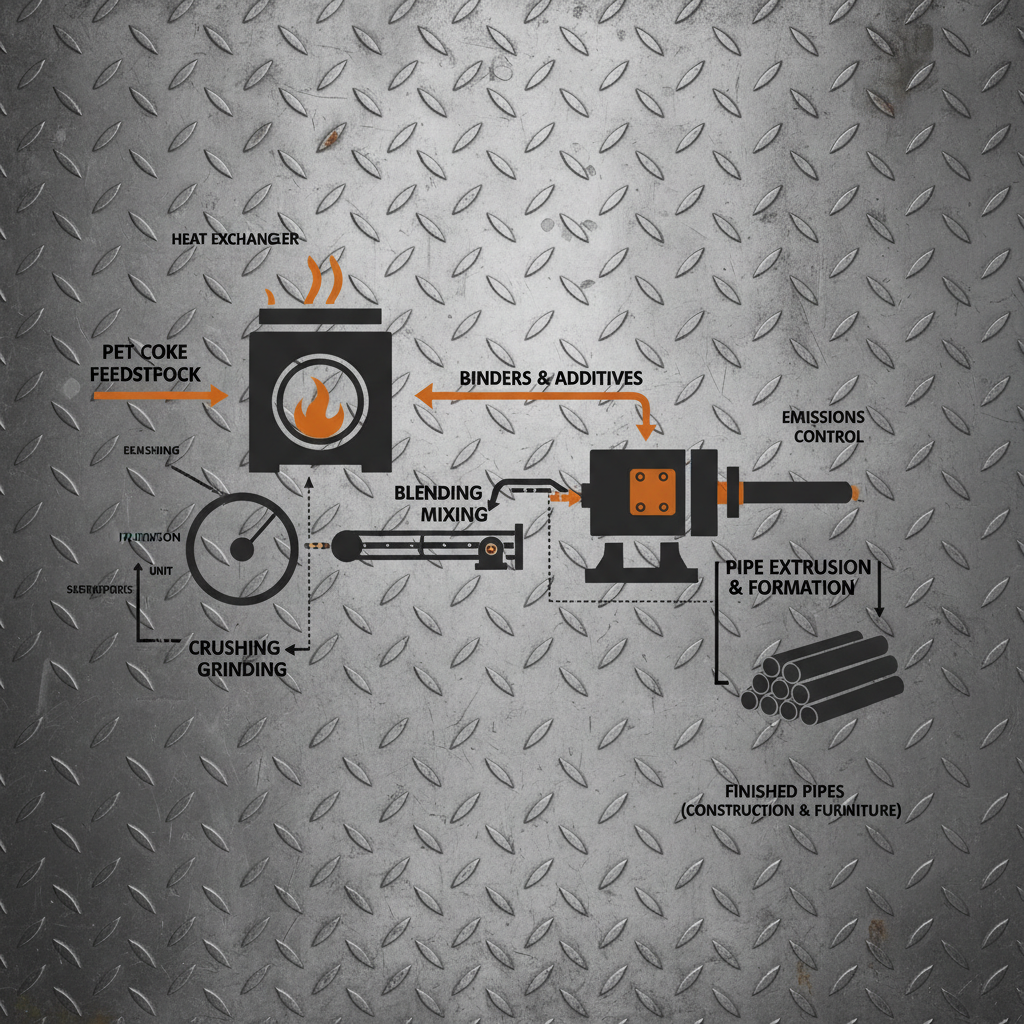
The largest single consumer of pet coke is the aluminum industry. It serves as a vital carbon source in the Hall-Héroult process, the primary method for aluminum smelting. During electrolysis, pet coke is used to create anodes – the electrodes that conduct electricity through the molten alumina. The carbon from the pet coke reacts with oxygen, facilitating the reduction of aluminum oxide into pure aluminum. Without a consistent and high-quality supply of pet coke, aluminum production would be severely hampered. The purity and reactivity of the pet coke directly impact the efficiency of the smelting process and the final quality of the aluminum produced. NL Graphite provides high-quality solutions for this vital process.
Key Highlights: Pet coke is a vital carbon source in the Hall-Héroult process, essential for creating anodes in aluminum smelting. Its purity significantly impacts the efficiency and quality of aluminum production.
Use of Pet Coke in the Steel Industry
Beyond aluminum, pet coke finds substantial application in the steel industry. It’s used as a charge material in blast furnaces, replacing a portion of the more expensive coke derived from coal. This substitution lowers production costs and helps steelmakers optimize their processes. Pet coke also acts as a reducing agent, helping to remove oxygen from iron ore and produce molten iron. Its high carbon content and relatively low sulfur content make it a suitable alternative, particularly when stringent environmental regulations limit the use of traditional coal-based coke. Using pet coke also allows steel manufacturers to be more flexible and responsive to market fluctuations in raw material prices.
Pet Coke in Steel Production Benefits:
• Reduces production costs by partially replacing coal-based coke.
• Acts as a reducing agent in blast furnaces.
• Offers flexibility in response to raw material price changes.
Pet Coke vs. Coal Coke: A Comparative Analysis
While both pet coke and coal coke serve similar functions in industrial processes, key differences influence their suitability for specific applications. Coal coke is produced from heating coal in the absence of oxygen, while pet coke is a byproduct of oil refining. Pet coke generally has a higher carbon content and lower ash content than coal coke, leading to higher energy efficiency. However, coal coke often has a more consistent physical structure, making it preferred in certain metallurgical processes. The choice between the two depends on factors like cost, availability, environmental regulations, and the specific requirements of the industrial application. The increasing demand for lower-sulfur fuels is driving the adoption of pet coke over coal coke in many instances.
Other Industrial Applications of Pet Coke
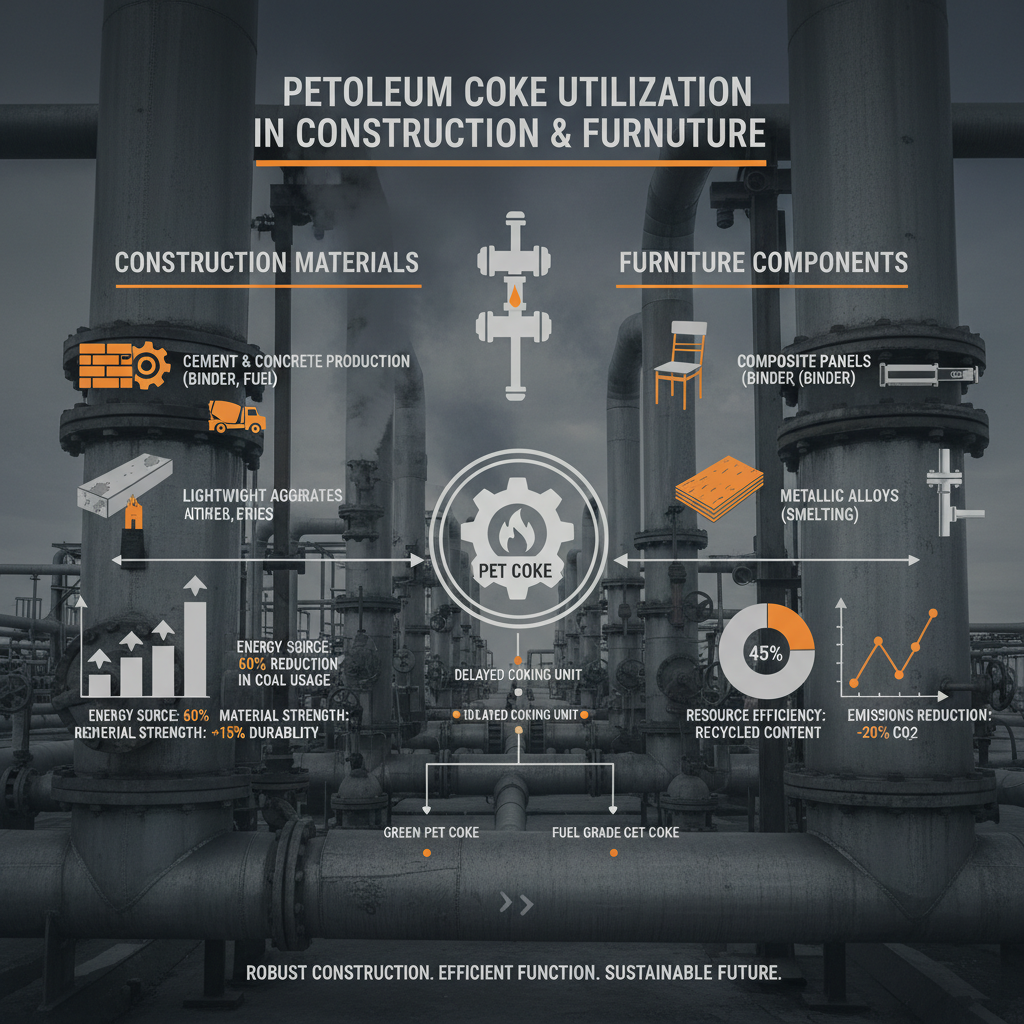
Beyond aluminum and steel, pet coke is utilized in a range of other industries. It’s employed in the production of titanium dioxide, a crucial pigment used in paints, plastics, and paper. It also serves as a fuel source in cement kilns, providing the high temperatures required for clinker production. Furthermore, pet coke finds applications in the manufacturing of carbon brushes for electric motors and as a component in certain metallurgical processes. Its versatility and cost-effectiveness continue to drive its adoption in diverse industrial sectors. NL Graphite's products cater to these varied needs.
The Future of Pet Coke: Sustainability and Emerging Technologies
The future of pet coke is intertwined with evolving sustainability concerns and the development of new technologies. While its use offers economic advantages, its production and handling can raise environmental issues, particularly related to emissions and dust control. Ongoing research focuses on developing cleaner pet coke production processes and improving handling practices to minimize environmental impact. Furthermore, the exploration of alternative carbon sources and the development of more efficient industrial processes could potentially reduce reliance on pet coke in the long term. However, for the foreseeable future, pet coke will remain a crucial material for numerous industries, demanding a commitment to responsible production and utilization.
Conclusion: A Vital Material with a Complex Future
Pet coke continues to be a significant material in modern industry, particularly for aluminum and steel production. While environmental concerns necessitate sustainable practices, its cost-effectiveness and unique properties ensure its continued relevance. NL Graphite is committed to providing high-quality pet coke solutions while prioritizing responsible sourcing and environmental stewardship.
Frequently Asked Questions (FAQs)
What are the primary environmental concerns associated with pet coke?
The main environmental concerns surrounding pet coke relate to air quality. During handling, storage, and transportation, pet coke dust can be released into the atmosphere, contributing to particulate matter pollution. Additionally, the combustion of pet coke can release sulfur dioxide (SO2), a precursor to acid rain, and greenhouse gases. Responsible handling practices, dust suppression measures, and the implementation of emission control technologies are crucial to mitigate these impacts. Sustainable sourcing and processing also play a vital role in minimizing the environmental footprint of pet coke.
What quality control measures are in place for pet coke production?
Rigorous quality control measures are implemented throughout the pet coke production process. These include monitoring sulfur content, ash content, moisture levels, and particle size distribution. Regular testing and analysis ensure that the pet coke meets specific industrial requirements. Producers also conduct quality checks to verify the absence of contaminants that could affect the performance of the material in its intended application. Certification and adherence to industry standards further guarantee the quality and consistency of pet coke supplies.
Is pet coke considered a renewable resource?
No, pet coke is not considered a renewable resource. It is a byproduct of oil refining, which relies on finite fossil fuel reserves. While it utilizes a byproduct that would otherwise be wasted, it still stems from a non-renewable source. Ongoing research explores alternative carbon sources, such as biomass-derived coke, to promote more sustainable practices. However, currently, pet coke remains a non-renewable material.
What are the logistical challenges associated with transporting pet coke?
Pet coke's tendency to oxidize and create dust presents logistical challenges during transportation. It requires specialized handling and storage to prevent environmental contamination and ensure safety. Covered railcars and trucks are commonly used, along with dust suppression systems at loading and unloading facilities. The bulk density of pet coke also necessitates careful planning for storage and transport capacity. Proper packaging and adherence to transportation regulations are essential to mitigate these challenges.
 Pervious
 Next
Next