

- Englist



Industrial Applications and Benefits of Graphite Nanopowder

Unlocking the Potential of Graphite Nanopowder in Modern Industry
In the rapidly evolving landscape of material science, graphite nanopowder has emerged as a cornerstone for technological breakthroughs. This advanced carbon-based material, characterized by its incredibly small particle size and high purity, offers unparalleled electrical conductivity and thermal management properties. From enhancing the efficiency of next-generation batteries to creating ultra-durable composite materials, the versatility of this nanopowder is transforming how we approach engineering challenges. Whether you are an industrial manufacturer or a research scientist, understanding the nuances of this material is key to unlocking superior product performance. In this guide, we will explore its unique characteristics and the diverse applications that make it an essential asset in today's market.
What Exactly is Graphite Nanopowder?
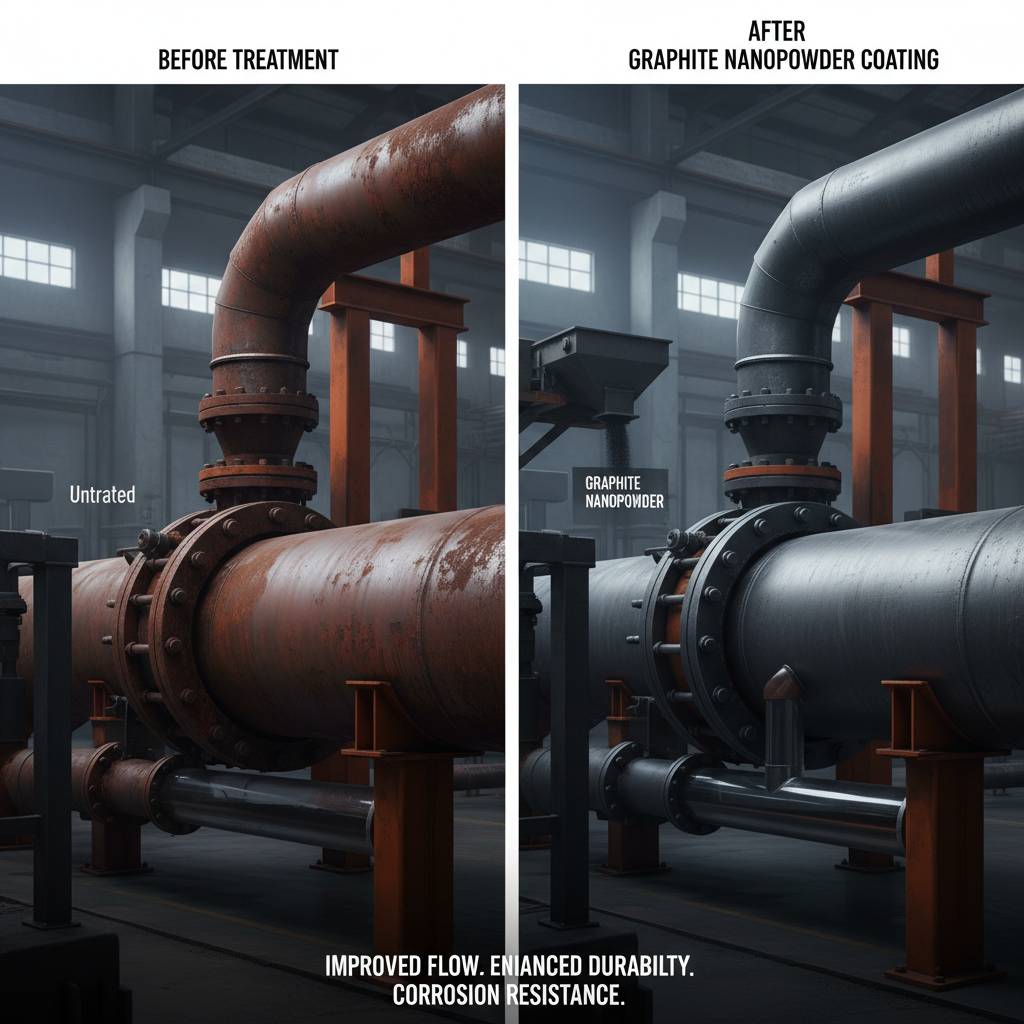
At its core, graphite nanopowder is a nano-scale version of graphite, consisting of particles typically measured in nanometers. Unlike bulk graphite, the nanopowder form significantly increases the surface-area-to-volume ratio, which dramatically enhances its reactivity and interaction with other materials. This structural advantage allows it to be integrated into polymers and metals more effectively, creating a seamless network for electron and heat flow. The manufacturing process involves precise milling or chemical vapor deposition to ensure that the hexagonal lattice structure of the carbon atoms remains intact while reducing the size to the nanoscale.
Material Insight: The high purity of nano-grade graphite is critical; even trace impurities can disrupt the electrical pathways, making professional-grade sourcing from NL Graphite essential for high-precision applications.
Key Advantages of Using Graphite Nanopowder
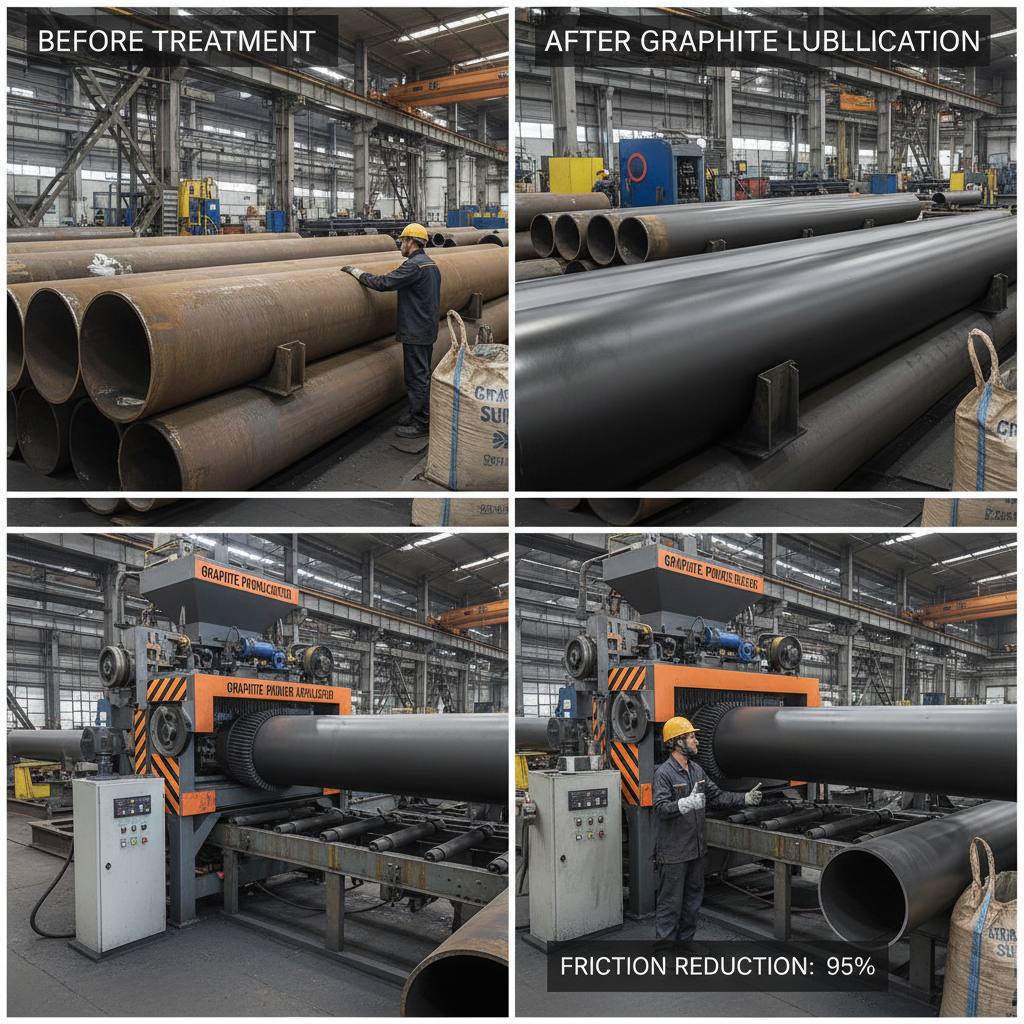
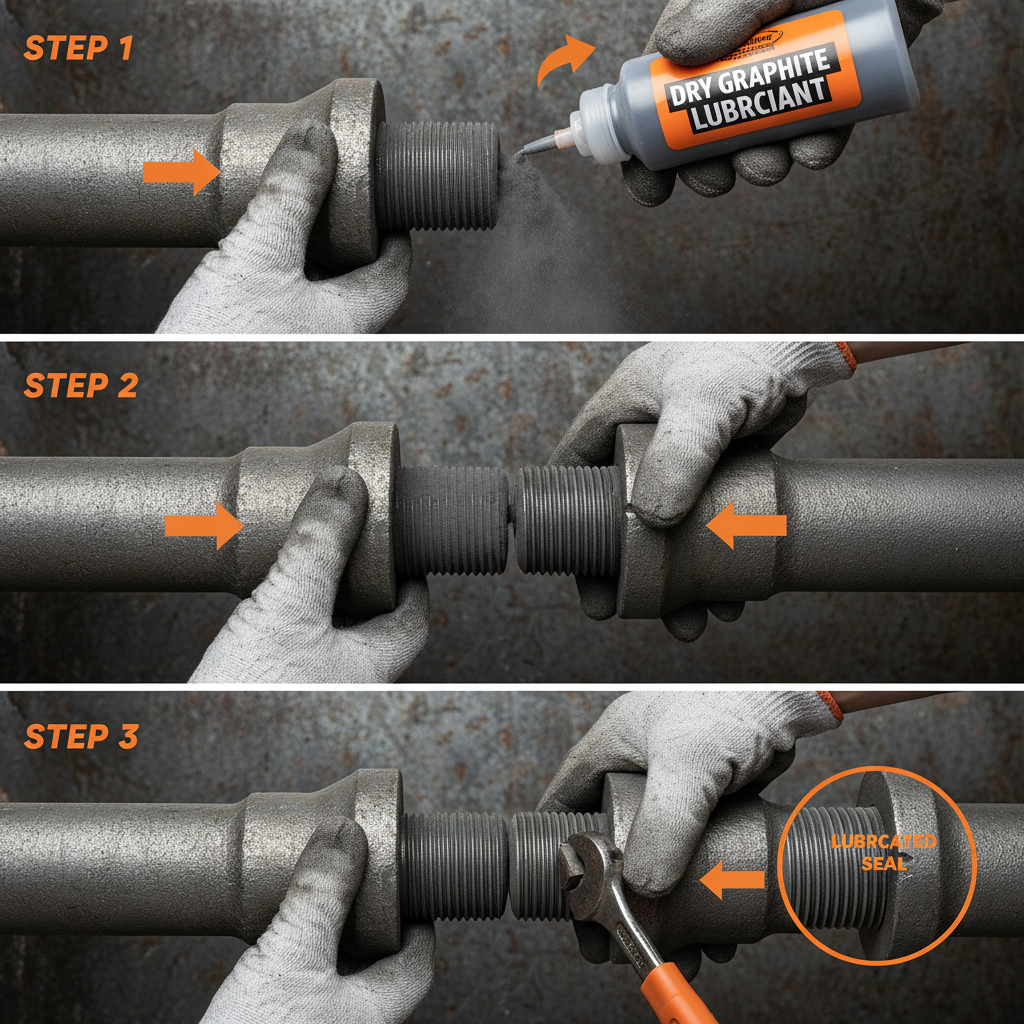
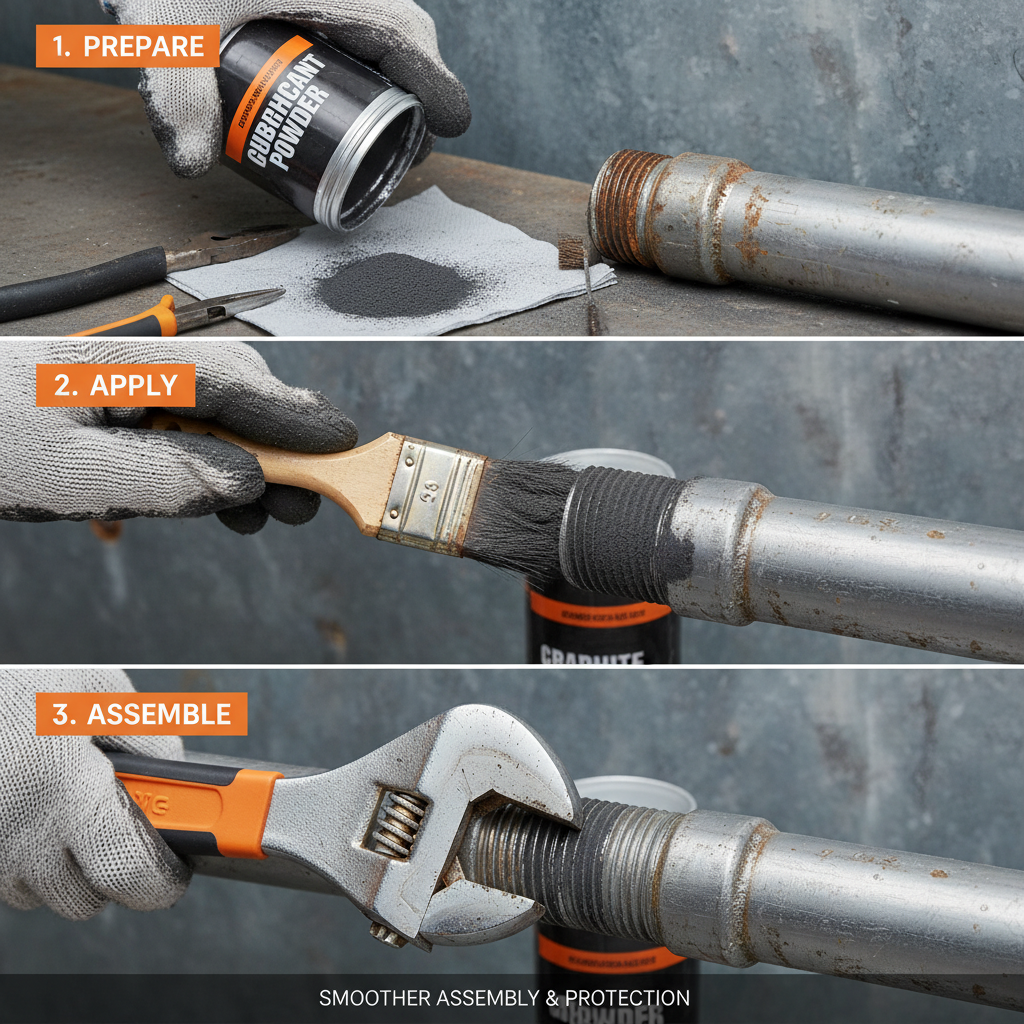
The primary allure of graphite nanopowder lies in its dual ability to act as both a lubricant and a conductor. In mechanical systems, its nano-structure allows particles to slide over one another with minimal friction, reducing wear and tear on moving parts. Simultaneously, its exceptional electrical conductivity makes it an ideal additive for conductive plastics and coatings. Furthermore, its thermal conductivity helps dissipate heat rapidly, which is crucial for preventing overheating in compact electronic devices. These combined properties provide a competitive edge in developing sustainable, high-efficiency industrial components.
Core Performance Benefits:
• Ultra-low coefficient of friction for extended machinery life
• Superior electrical conductivity for ESD protection
• High thermal dissipation to improve electronic stability
• Enhanced structural reinforcement in composite materials
Comparing Graphite Nanopowder to Traditional Graphite
When deciding between standard graphite and graphite nanopowder, the difference often comes down to the required precision and performance. Traditional graphite is excellent for bulk lubrication and electrode production, but it lacks the dispersion capabilities needed for modern nano-composites. The nano-version allows for a much lower loading percentage to achieve the same conductive effect, which means the host material (like a polymer) retains more of its original mechanical strength and flexibility. This makes the nano-powder far more cost-effective for high-tech applications where material weight and strength are critical.
Industrial Applications of Graphite Nanopowder
The application spectrum for graphite nanopowder is vast, spanning multiple high-growth sectors. In the energy sector, it is used to create high-performance anodes for lithium-ion batteries, facilitating faster charging and longer cycle lives. In the aerospace industry, it is blended with resins to create lightweight, heat-resistant components that can withstand extreme atmospheric conditions. Additionally, the automotive industry utilizes it in the production of conductive gaskets and high-efficiency lubricants for electric vehicle (EV) drivetrains. By optimizing the interface between particles, manufacturers can create materials that are both lighter and stronger than their traditional counterparts.
Technical Specifications of Premium Nano-Graphite
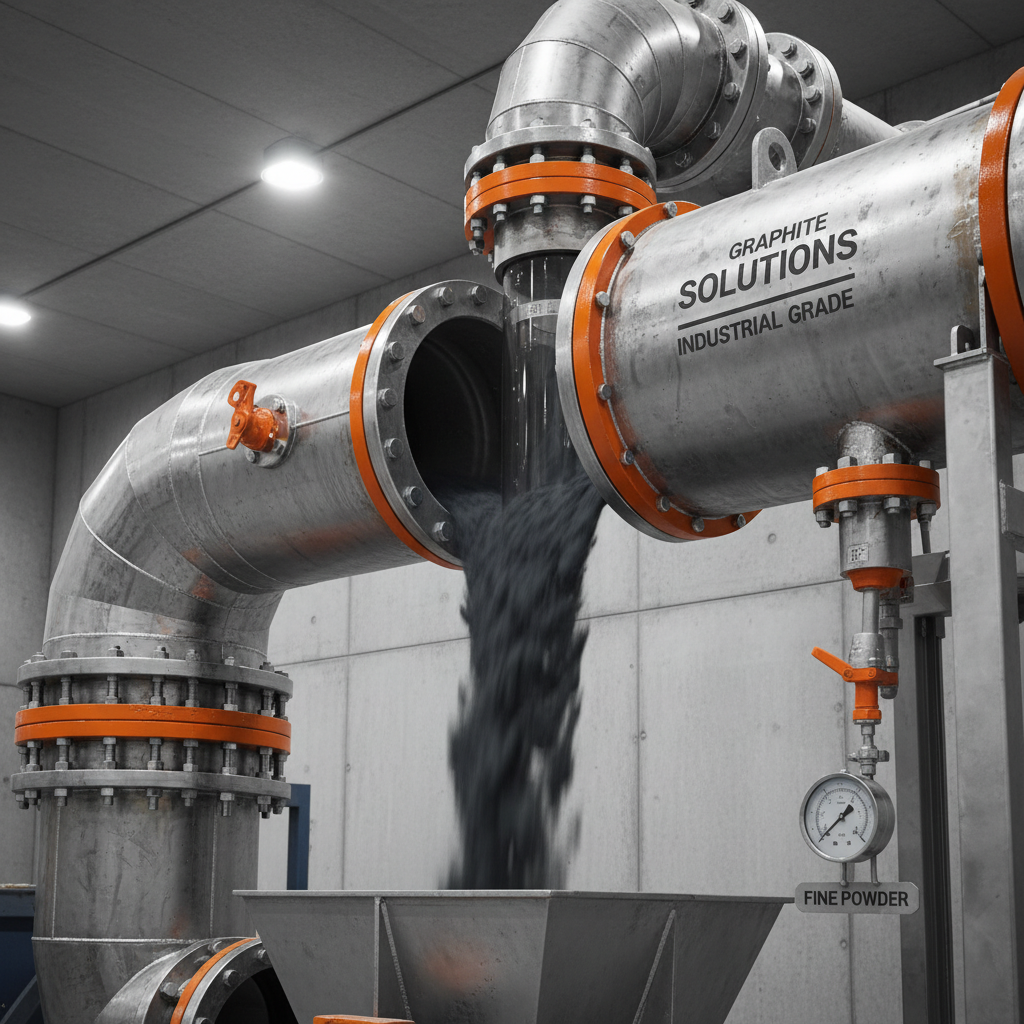
When sourcing graphite nanopowder, technical precision is paramount. The purity level, typically exceeding 99.9%, ensures that there are no metallic contaminants that could cause short circuits in electronic applications. The average particle size and the distribution curve are critical metrics that determine how the powder will behave during the mixing process. Below is a typical specification table for industrial-grade nano-graphite used in high-end manufacturing.
Best Practices for Handling and Storage
Working with graphite nanopowder requires specific safety and handling protocols due to its fine particle size. To prevent inhalation and environmental contamination, it is recommended to handle the powder within a controlled environment, such as a fume hood or using appropriate PPE (Personal Protective Equipment). Storage should be in tightly sealed, moisture-proof containers in a cool, dry area. Because nano-particles can be prone to electrostatic buildup, grounding equipment during transfer is essential to prevent sparks and ensure a safe working environment. Proper handling not only protects the operator but also maintains the integrity and purity of the material.
Conclusion: Shaping the Future with Nano-Carbon
The adoption of graphite nanopowder is more than just a material upgrade; it is a strategic move toward higher efficiency and sustainability in industrial production. By leveraging its extreme conductivity, lubricating properties, and thermal stability, companies can develop products that were previously thought impossible. From the batteries in our pockets to the wings of next-gen aircraft, nano-graphite is the invisible force driving innovation. For those seeking the highest quality and technical support, partnering with a professional supplier like NL Graphite ensures that your projects are built on a foundation of purity and performance.
Frequently Asked Questions (FAQs)
How does graphite nanopowder improve battery life?
Graphite nanopowder improves battery life primarily by increasing the available surface area for lithium-ion intercalation. In standard graphite anodes, ions must travel deeper into larger particles, which can slow down charging and cause stress on the material. The nano-scale structure shortens the diffusion path for ions, allowing for faster charge and discharge cycles. Additionally, the high purity of the nanopowder reduces the formation of side reactions (like the solid electrolyte interphase layer), which preserves the battery's capacity over hundreds of cycles, leading to a longer overall lifespan for the device.
Is graphite nanopowder conductive enough to replace copper?
While graphite nanopowder is highly conductive, it is generally not used to replace bulk copper wiring due to the fundamental difference in conductivity levels. However, it is a superior replacement for copper in specific "conductive filler" applications. For example, in conductive plastics or anti-static coatings, using graphite nanopowder is far more effective than copper powder because it creates a percolating network at much lower volumes. This allows the final product to remain lightweight and flexible while still providing the necessary electrical path to prevent static buildup or to enable touch-sensing capabilities.
How do I ensure the powder is evenly dispersed in a polymer?
Achieving a uniform dispersion of nanopowders is one of the biggest challenges in material science. To prevent agglomeration, we recommend using high-shear mixing or ultrasonic processing. Ultrasonic dispersion uses sound waves to break apart nano-clusters, ensuring that each particle is surrounded by the polymer matrix. Additionally, using a compatible surfactant or coupling agent can help the graphite particles bond more effectively with the resin. For the best results, it is critical to use a high-purity powder from a trusted source, as contaminants can act as nucleation sites for clumps, hindering the dispersion process and creating weak points in the final composite.
What is the difference between nano-graphite and graphene?
Although both are carbon-based, they differ in structure. Graphene is a single layer of carbon atoms arranged in a 2D honeycomb lattice. Graphite nanopowder, while nano-sized, still consists of many layers of graphene stacked together (though much thinner than bulk graphite). Think of graphene as a single sheet of paper and graphite nanopowder as a tiny, nano-sized stack of those sheets. While graphene often has higher theoretical properties, graphite nanopowder is significantly more scalable for industrial mass production and is more cost-effective for applications like lubrication, thermal management, and battery anodes where a bulk nano-material is required.
 Pervious
 Next
Next