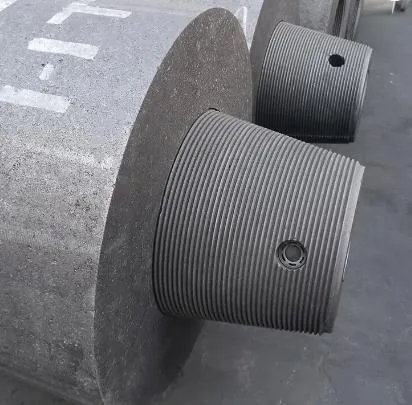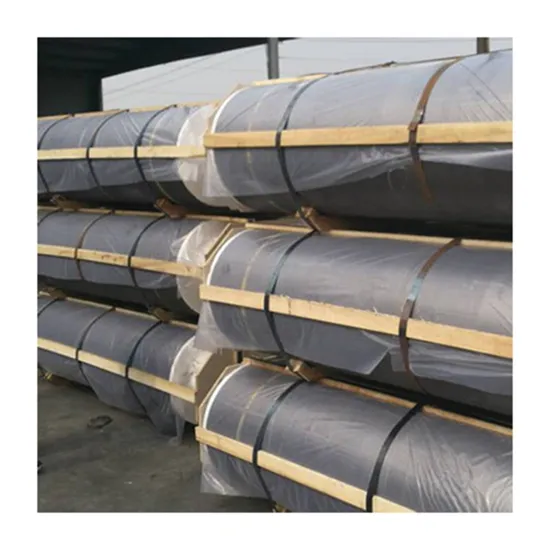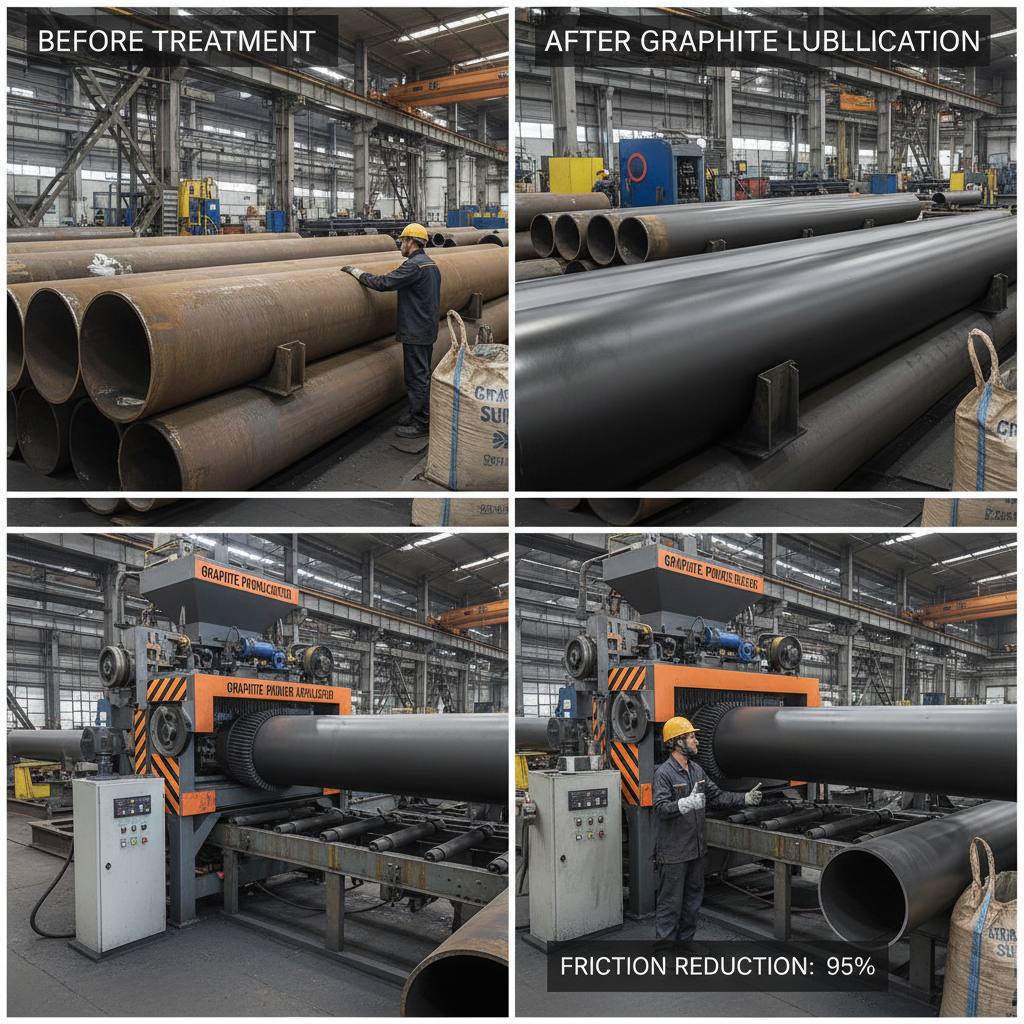
In the industrial sector, high-performance materials like calcined petroleum coke and graphite products are indispensable—whether you’re leveraging calcined petroleum coke usage for metal production, exploring graphite powder use in electronics and metallurgy, deploying graphite powder application across 化工 and machinery, relying on powdered graphite lubricant uses for high-temperature equipment, or selecting graphite lubricant powder for precision lubrication. These materials blend durability, functionality, and adaptability, solving critical challenges in manufacturing, energy, and engineering.
Calcined Petroleum Coke Usage: High-Carbon Core for Metal & Energy Industries
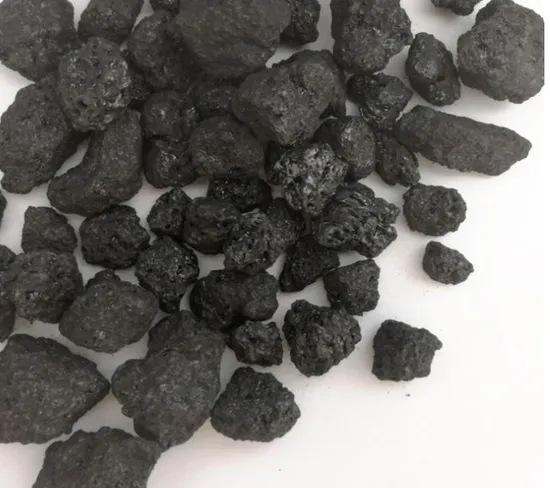
Calcined Petroleum Coke Usage centers on its ultra-high carbon content (98–99%) and low impurities, making it a foundational material for industries that demand pure carbon sources. Produced by heating raw petroleum coke to 1,200–1,350°C (to remove moisture, sulfur, and volatile components), calcined petroleum coke (CPC) excels in scenarios where carbon purity directly impacts product quality and process efficiency.
The primary calcined petroleum coke usage is in aluminum smelting: it serves as the main raw material for manufacturing carbon anodes, which conduct electricity to dissolve aluminum oxide (bauxite) into molten aluminum. CPC’s low sulfur content (<0.5%) prevents harmful emissions during electrolysis, while its high density ensures anode durability—reducing replacement frequency and cutting production costs. Beyond aluminum, calcined petroleum coke usage extends to steelmaking (as a recarburizer, adding carbon to molten steel to adjust hardness) and energy storage (as a precursor for lithium-ion battery anodes, where its porous structure enhances charge storage). For example, a global aluminum plant using high-quality CPC can increase electrolysis efficiency by 5–8%, while reducing anode consumption by 10% annually. This focus on purity and performance makes calcined petroleum coke usage irreplaceable in metal and energy sectors.
Graphite Powder Use: Versatile Carbon for Conductivity & Functionality
Graphite Powder Use spans dozens of industries, driven by its unique properties: excellent electrical conductivity, thermal conductivity, chemical inertness, and lubricity. Available in varying particle sizes (from microscale to nanoscale) and purities (90–99.99%), graphite powder adapts to diverse needs—from enhancing material performance to enabling specialized processes.
Key graphite powder use cases include electronics: it acts as a conductive additive in lithium-ion battery cathodes and anodes, boosting charge transfer efficiency and extending battery life. In metallurgy, it serves as a refractory material (resisting high temperatures up to 3,600°C) for furnace linings, protecting equipment during steel or copper smelting. In coatings, graphite powder use adds anti-corrosion and anti-static properties—for example, in marine coatings to prevent metal hulls from rusting, or in industrial floor coatings to reduce static buildup. Even in emerging fields like 3D printing, graphite powder is mixed with polymers to create conductive 3D-printed parts for sensors or electronics. Its versatility means graphite powder use is not just widespread, but often irreplaceable—no other material combines conductivity, heat resistance, and cost-effectiveness as effectively.
Graphite Powder Application: Industry-Specific Solutions for Critical Needs
Graphite Powder Application goes beyond general use to address niche, industry-specific challenges, with tailored formulations and usage methods. Unlike broad graphite powder use, these applications are optimized for unique process requirements—whether it’s chemical resistance in pharmaceuticals or precision in aerospace.
Graphite Powder Application in Pharmaceutical & Chemical Processing
A key graphite powder application is in pharmaceutical and chemical manufacturing, where its chemical inertness shines. Graphite powder is used as a lubricant for tablet presses (preventing drug formulations from sticking to machinery) and as a catalyst support (stabilizing catalysts in reactions like hydrogenation). Its non-toxicity (when purified to food-grade standards) makes it safe for direct contact with drug ingredients—critical for complying with FDA or EMA regulations. In chemical processing, graphite powder application includes lining reaction vessels to resist corrosive chemicals (like acids or alkalis), extending equipment lifespan by 2–3 times compared to unlined vessels. For example, a pharmaceutical plant using food-grade graphite powder in tablet presses can reduce downtime from sticking issues by 30%, while ensuring drug tablets meet size and weight uniformity standards.
Powdered Graphite Lubricant Uses: High-Temperature Lubrication for Extreme Environments
Powdered Graphite Lubricant Uses are defined by its ability to lubricate under extreme conditions—high temperatures (up to 550°C), heavy loads, and harsh chemicals—where traditional oil or grease lubricants fail (they oxidize, burn, or wash away). Composed of fine graphite particles (typically 1–50 μm) with optional binders (for adhesion), powdered graphite lubricant creates a dry, slippery film that reduces friction between moving parts.
Powdered Graphite Lubricant Uses in Heavy Machinery & Automotive
The most critical powdered graphite lubricant uses are in heavy machinery and automotive sectors. In construction equipment (e.g., excavator bucket pins or crane cables), it lubricates under high loads and dust exposure, preventing wear and seizure. In automotive applications, powdered graphite lubricant uses include lubricating brake shoes (reducing squeal and wear) and valve stems (withstanding engine heat up to 400°C). Unlike oil-based lubricants, it doesn’t attract dirt or gum up—ideal for outdoor or dusty environments. A construction company using powdered graphite lubricant on excavator pins can extend maintenance intervals from 2 weeks to 2 months, cutting labor and lubricant costs by 40%. Its ability to perform where others can’t makes powdered graphite lubricant uses essential for heavy-duty equipment.
Graphite Lubricant Powder: Formulated for Precision & Ease of Use
Graphite Lubricant Powder is the ready-to-use formulation of powdered graphite lubricant, designed for convenience and consistent performance. Unlike raw graphite powder (which may need blending), graphite lubricant powder is pre-processed with additives (e.g., dry binders for adhesion, anti-caking agents for flowability) to suit specific application methods—brushing, spraying, or pouring.
Available in grades ranging from industrial (for machinery) to food-grade (for equipment like bakery conveyors) and aerospace (for high-precision components), graphite lubricant powder meets strict industry standards. For example, food-grade graphite lubricant powder complies with FDA 21 CFR 178.3297, ensuring it’s safe for contact with edible products—used in conveyor belts for chocolate or bread production, where oil-based lubricants would contaminate food. Industrial-grade variants, meanwhile, are engineered for high adhesion—applied to chain drives in cement kilns, where heat and vibration would dislodge unformulated graphite. Its pre-formulated nature eliminates guesswork: users simply apply it directly, ensuring uniform lubrication and reducing waste. For businesses prioritizing efficiency and compliance, graphite lubricant powder is the most reliable choice for dry lubrication.
Graphite & Calcined Petroleum Coke FAQs
1. What makes calcined petroleum coke usage different from raw petroleum coke?
Raw petroleum coke has high sulfur, moisture, and volatile content, making it unsuitable for high-purity applications. Calcined petroleum coke usage relies on heat-treated CPC (1,200–1,350°C) with 98–99% carbon, low sulfur (<0.5%), and minimal volatiles—critical for aluminum anodes or battery materials, where impurities would damage processes or products.
2. Can graphite powder use include high-temperature electrical applications?
Absolutely—graphite powder use is common in high-temperature electrical components, like heating elements or fuel cell bipolar plates. Its thermal stability (resists decomposition up to 3,600°C) and electrical conductivity let it function as both a conductor and heat dissipator, even in environments like industrial furnaces.
3. How is graphite powder application in electronics different from its use in coatings?
In electronics, graphite powder application uses high-purity (99.9%+) fine particles (5–10 μm) to maximize conductivity—mixed into battery electrodes or printed circuit boards. In coatings, it uses coarser particles (20–50 μm) with binders to create anti-static or anti-corrosion layers, prioritizing coverage over ultra-high conductivity.
4. What temperature range is suitable for powdered graphite lubricant uses?
Powdered graphite lubricant uses excel between -200°C and 550°C. Below freezing, it remains slippery (unlike grease, which thickens); above 550°C, it oxidizes slowly—but still outperforms oil (which burns at 200°C+). For temperatures above 550°C, look for graphite lubricants with ceramic additives.
5. How do I choose the right graphite lubricant powder for my needs?
Consider three factors: (1) Application environment (e.g., food-grade for edible contact, industrial for heavy machinery); (2) Particle size (fine powder for precision parts, coarse for large surfaces); (3) Adhesion needs (choose powder with binders for vertical or vibrating parts, unbound for horizontal surfaces). Always check compliance with industry standards (e.g., FDA for food, ISO for aerospace).
From calcined petroleum coke usage in aluminum production to graphite lubricant powder in food processing, these materials are the backbone of efficient, reliable industrial operations. By understanding their unique properties and applications, businesses can solve complex challenges, reduce costs, and enhance product performance—proving that even “simple” carbon-based materials can drive industrial innovation.
In the modern industrial landscape, the quality of raw materials often dictates the success of the final product. For sectors ranging from lubrication and metallurgy to battery technology, partnering with a reliable graphite powder supplier is not just a procurement choice, but a strategic advantage. High-purity graphite powder provides essential properties such as superior electrical conductivity, thermal stability, and an incredibly low coefficient of friction. However, with numerous options in the global market, distinguishing a premium supplier from a mediocre one requires a deep understanding of material grades and quality control standards.
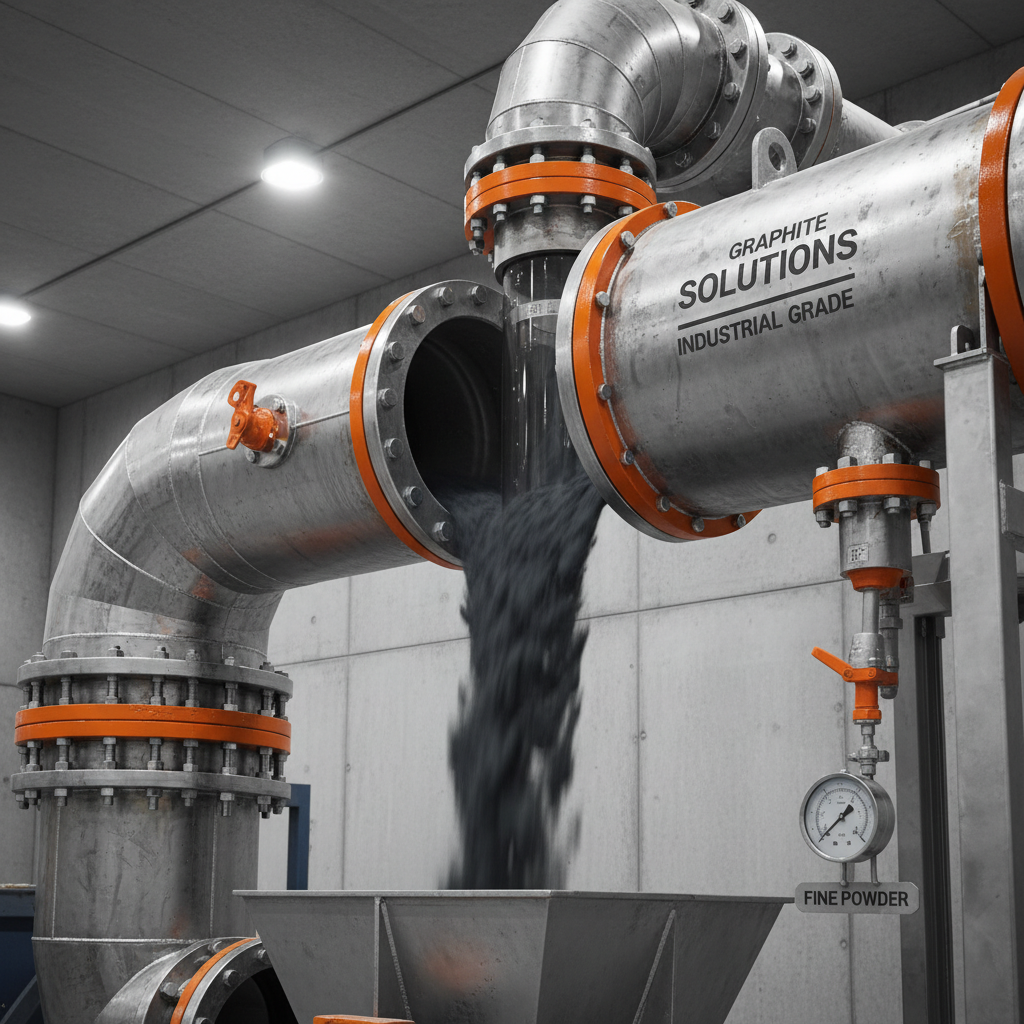
In the modern industrial landscape, the quality of raw materials can make or break the efficiency of a production line. Finding a reliable graphite powder manufacturer is essential for businesses requiring high-performance lubricants, conductive additives, or heat-resistant materials. Graphite powder, known for its exceptional lubricity and thermal conductivity, serves as a cornerstone in everything from automotive parts to advanced electronics. Selecting a partner who understands the nuance of particle size distribution and purity levels ensures that your end product meets rigorous international standards. In this guide, we will explore the critical factors to consider when sourcing graphite

In the world of industrial materials, precision is everything. micronized graphite represents the pinnacle of carbon engineering, offering an ultra-fine powder form of graphite that provides exceptional lubricating and conductive properties. Unlike standard graphite, the micronized version is processed to achieve a specific, consistent particle size, making it indispensable for high-tech applications where friction reduction and thermal management are critical. Whether you are formulating advanced lubricants or enhancing composite materials, understanding the nuances of this material is key to optimizing your product's performance. In this guide, we will explore the technical advantages and diverse industrial applications of this versatile material.

In the world of industrial materials, graphite fine powder serves as a cornerstone for innovation across countless sectors. Known for its exceptional electrical conductivity, thermal stability, and self-lubricating properties, this versatile carbon material is essential for everything from high-tech batteries to heavy-duty machinery. Understanding the nuances of particle size, purity, and grade is critical for engineers and procurement specialists aiming to optimize performance in their final products. In this comprehensive guide, we will explore the technical advantages and diverse industrial roles of this remarkable powder.

In the realm of advanced material science, expandable graphite powder has emerged as a revolutionary additive for thermal management and fire safety. Known for its unique ability to expand significantly when exposed to heat, this material transforms from a dense powder into a voluminous, porous structure known as worm-like graphite. This expansion creates an insulating layer that protects underlying substrates from extreme temperatures. Whether you are developing next-generation flame retardants or high-performance thermal interface materials, understanding the nuances of this material is essential for achieving optimal industrial results.
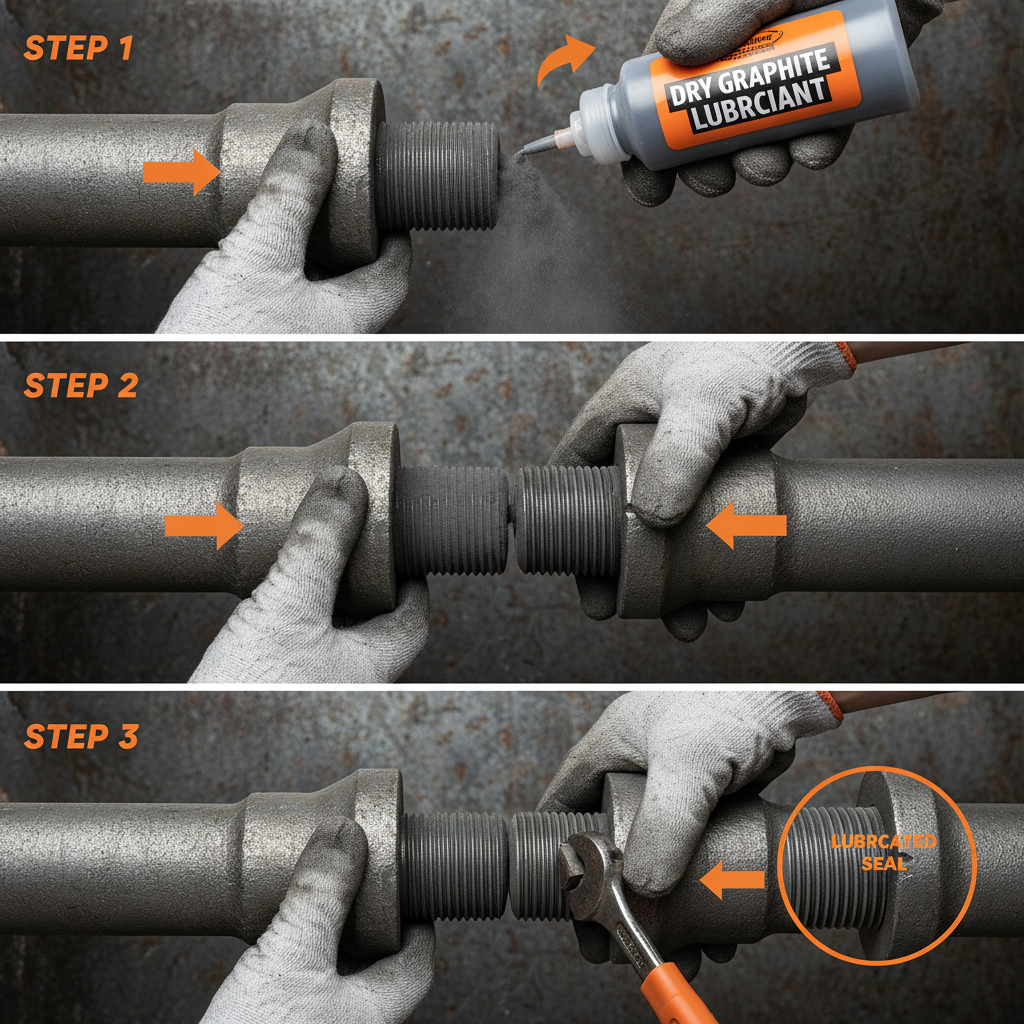
In the world of high-performance machinery and precision engineering, reducing friction is the key to longevity and efficiency. dry graphite lubricant powder has emerged as a superior alternative to traditional oil-based lubricants, especially in environments where cleanliness and extreme temperature resistance are critical. Unlike wet lubricants, dry graphite creates a stable, low-friction film that doesn't attract dust or debris. This article explores the technical advantages, versatile applications, and strategic benefits of integrating high-purity graphite powders into your maintenance routine to ensure seamless operation and reduced downtime.
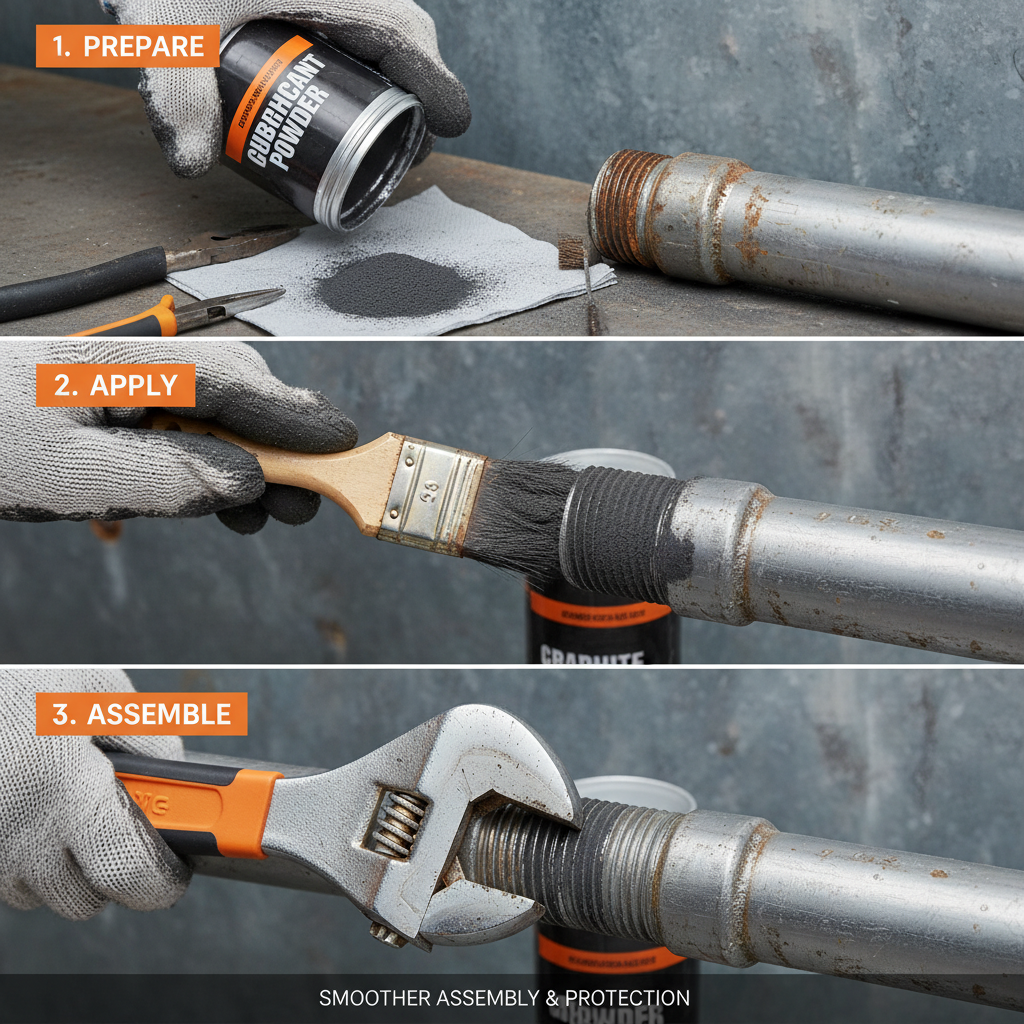
In the world of industrial maintenance and high-performance machinery, reducing friction is the key to longevity and operational efficiency. graphite lubricant powder has emerged as a superior dry lubrication solution, offering unmatched stability in environments where traditional oils and greases fail. Whether you are dealing with extreme temperatures or vacuum conditions, this specialized powder provides a sleek, protective layer that prevents wear and tear. In this comprehensive guide, we will explore why graphite is the gold standard for dry lubrication and how to choose the right grade for your specific industrial application.

In the realm of advanced materials, expanded graphite has emerged as a versatile powerhouse, offering unparalleled thermal and electrical properties. Through a process of intercalation and thermal expansion, natural graphite is transformed into a worm-like structure with a significantly increased surface area and lower density. This unique morphology makes it indispensable in industries ranging from energy storage to fire protection. Whether you are looking to improve heat dissipation in electronics or enhance the safety of architectural coatings, understanding the nuances of this material is key to optimizing your product's performance. In this guide, we will explore why this material is becoming the gold standard

If you are interested in our products, you can choose to leave your information here, and we will be in touch with you shortly.