

- Englist



Industrial Applications and Properties of Fine Graphite Powder

The Ultimate Guide to Fine Graphite Powder: Properties and Applications
In the world of industrial materials, fine graphite powder is an indispensable resource known for its exceptional conductivity and lubricating properties. Whether it is used in high-tech electronics, heavy machinery, or specialized chemical formulations, the purity and particle size of the powder determine the success of the final application. For engineers and procurement managers, understanding the nuances of this material is key to optimizing performance and reducing wear and tear in mechanical systems. In this comprehensive guide, we will explore the technical specifications and versatile uses of high-quality graphite powders to help you make an informed choice for your business.
Unlocking the Core Properties of Fine Graphite Powder
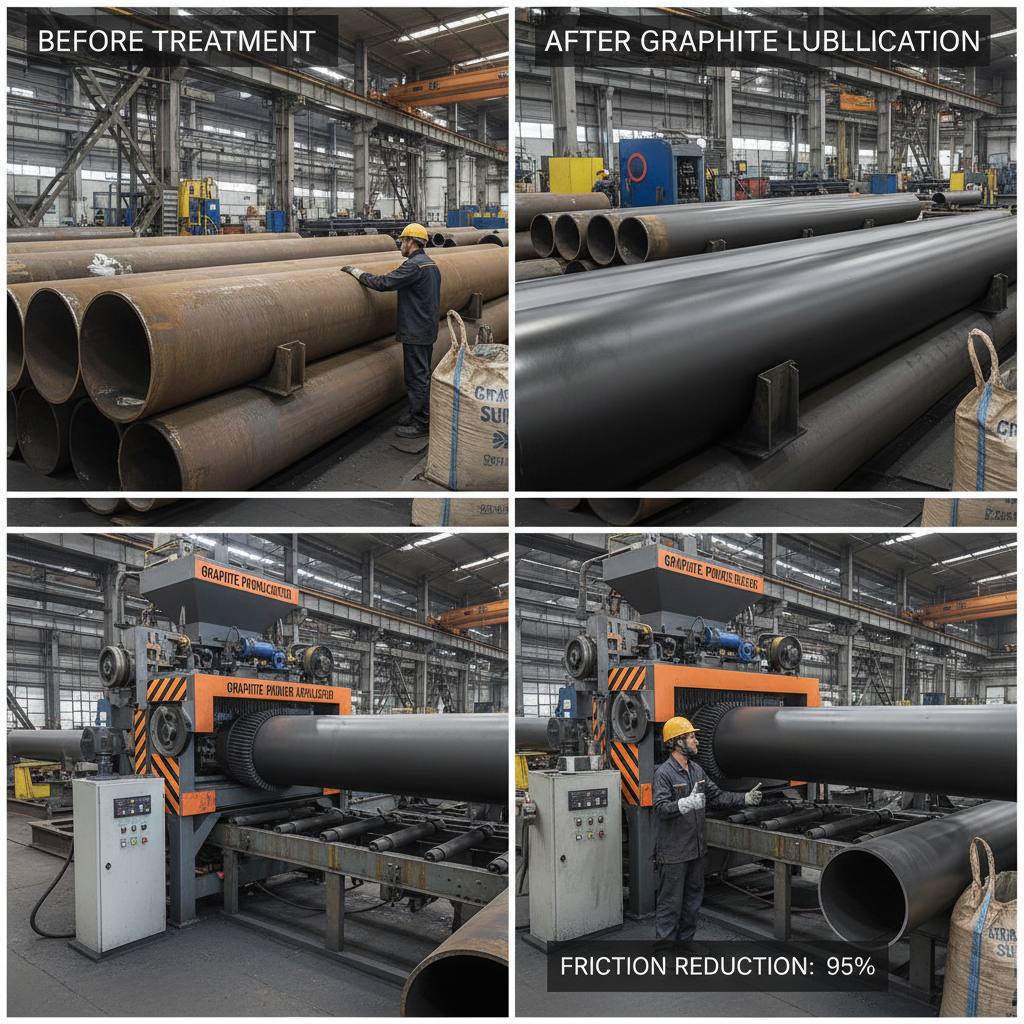
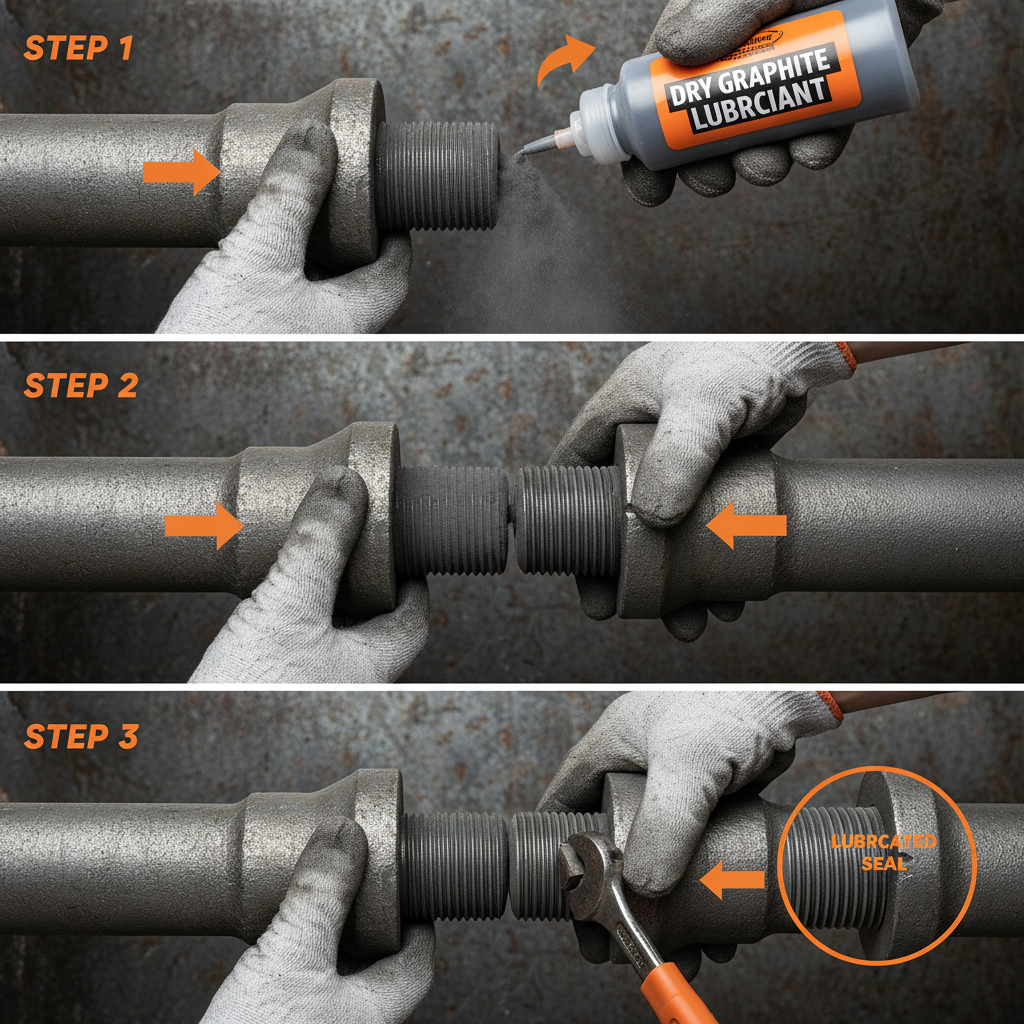
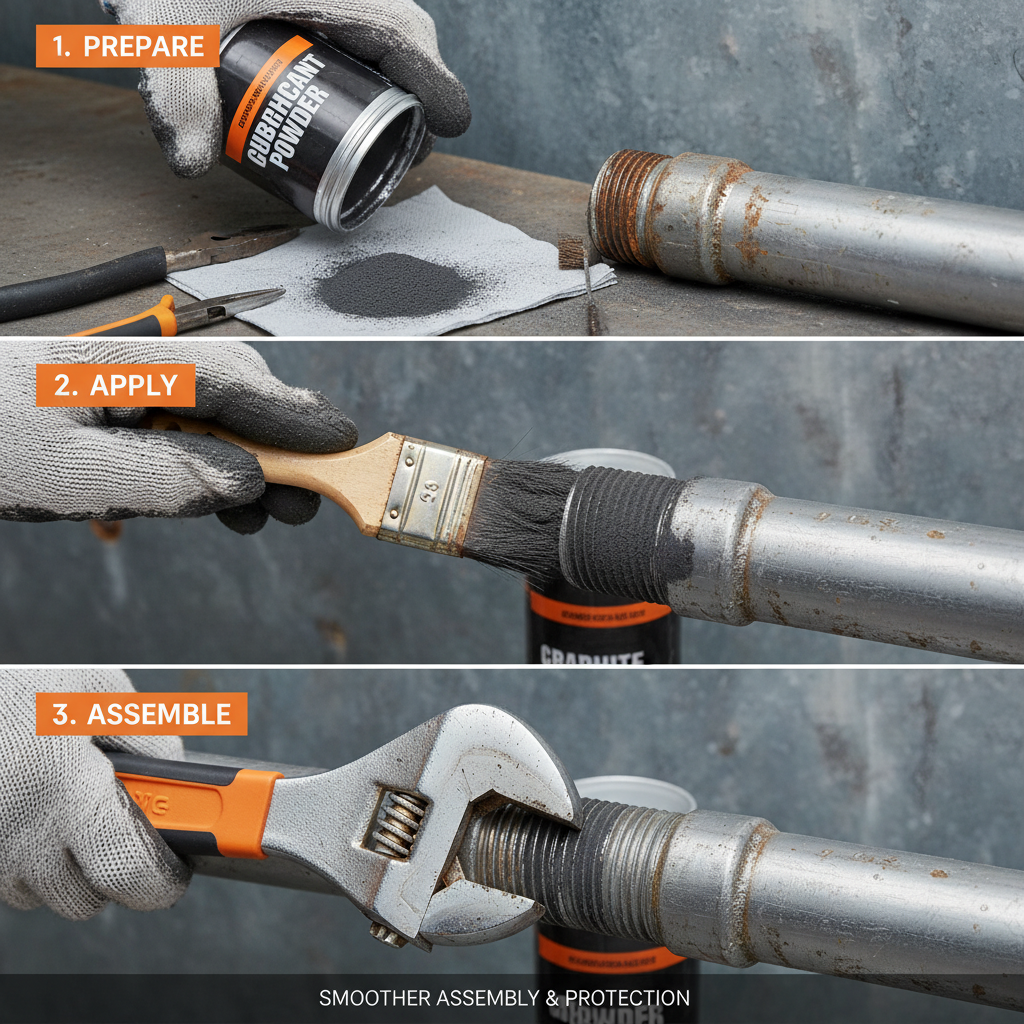
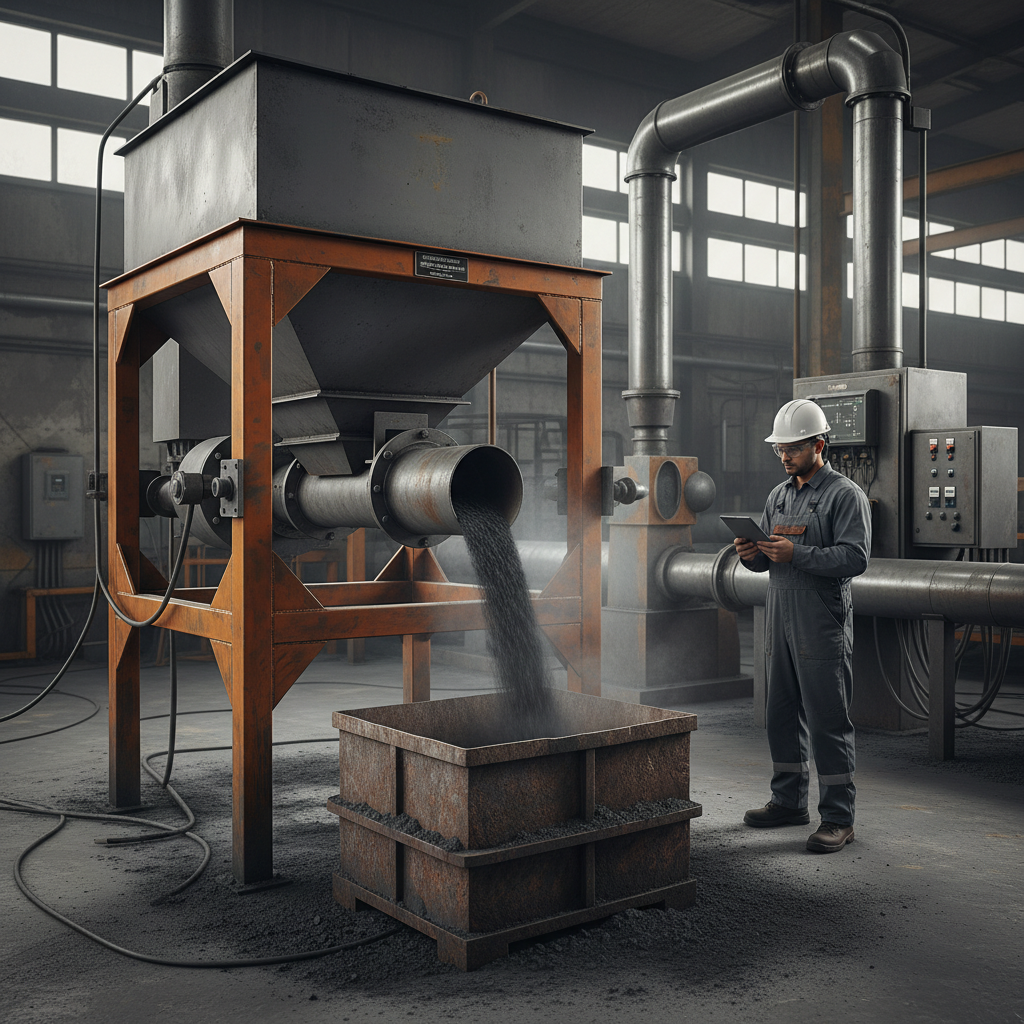
The effectiveness of fine graphite powder stems from its unique crystalline structure. Composed of layers of carbon atoms arranged in a hexagonal lattice, these layers can slide over each other with minimal friction. This inherent "slipperiness" makes it an ideal dry lubricant, especially in environments where oil or grease would be contaminated or evaporate. Beyond lubrication, its high thermal conductivity allows it to dissipate heat rapidly, making it vital for thermal management in electronic components. Furthermore, its chemical stability ensures that it remains inert even when exposed to aggressive acids or high temperatures, providing a reliable barrier and conductive medium.
Key Highlights: High thermal stability, exceptional electrical conductivity, and a low coefficient of friction. These properties make graphite powder essential for reducing mechanical wear in extreme environments.
Industrial Applications of Fine Graphite Powder
The versatility of fine graphite powder allows it to penetrate various sectors. In the automotive industry, it is used in locks and hinges where liquid lubricants would attract dust. In the metallurgical sector, it acts as a carbon raiser for steel production to improve hardness and strength. Additionally, in the energy sector, it is a critical component in the production of batteries and fuel cells due to its ability to facilitate electron transport. Its role as a mold release agent in casting processes further highlights its utility, ensuring that molded parts can be removed without damage to the surface.
Comparing Fine Graphite Powder Grades
Not all graphite powders are created equal. Depending on the application, you may require different levels of purity or particle size distribution. For instance, ultra-fine powders are preferred for conductive coatings, while slightly coarser powders are better suited for bulk lubrication. The choice between natural flake graphite and synthetic graphite also impacts the performance. Natural graphite offers cost-efficiency and high purity, while synthetic graphite provides a more uniform structure for specialized high-tech applications. Choosing the right grade of fine graphite powder ensures maximum efficiency and longevity of your equipment.
Technical Specifications for Fine Graphite Powder
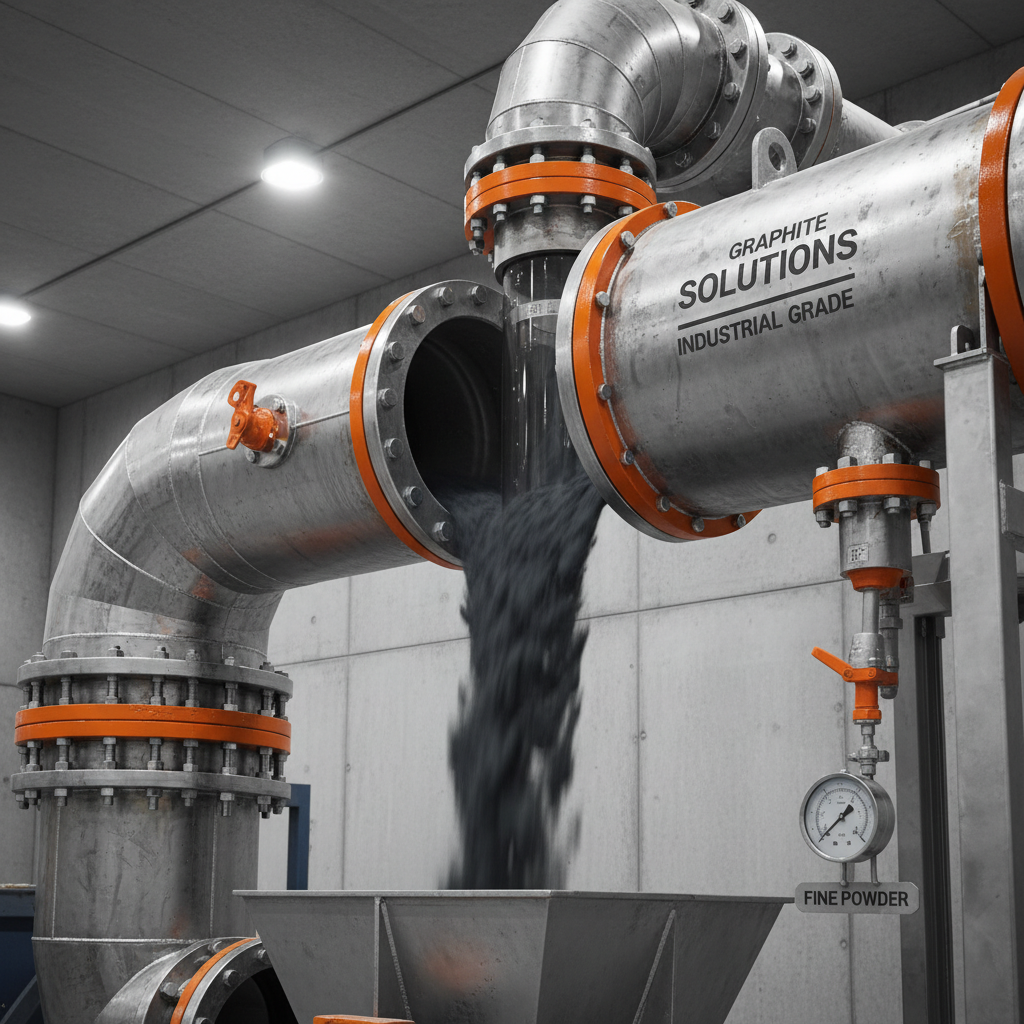
When sourcing fine graphite powder, reviewing the technical data sheet is critical. Parameters such as the specific gravity, ash content, and moisture levels can significantly affect the material's behavior in a chemical reaction or its flowability in an automated dispensing system. High-quality powder should have low moisture content to prevent clumping and ensure a smooth application. Below is a typical specification table for a standard premium grade powder used in industrial coatings and lubrication.
Best Practices for Handling and Storage
To maintain the integrity of fine graphite powder, proper storage is essential. Because it is a fine powder, it can be prone to airborne dispersion, which may lead to respiratory irritation or contamination of the workspace. It is recommended to store the powder in a cool, dry, and well-ventilated area, away from strong oxidizing agents. Using sealed containers prevents moisture absorption, which could otherwise lead to agglomeration. During application, the use of dust masks and vacuum systems is advised to maintain a clean environment and ensure worker safety.
Storage Tips:
• Use airtight HDPE or steel drums to prevent moisture ingress
• Keep away from open flames or high-spark environments
• Implement a "First-In, First-Out" (FIFO) inventory system
• Store on pallets to avoid direct contact with damp floors
Conclusion: Optimizing Your Process with High-Quality Graphite
The strategic use of fine graphite powder can lead to significant improvements in mechanical efficiency and product durability. From its role as a superior dry lubricant to its essential function in modern battery technology, graphite continues to be a cornerstone of industrial innovation. By selecting the appropriate grade and adhering to strict handling standards, businesses can ensure long-term operational success. Invest in quality materials to safeguard your equipment and enhance your output.
Frequently Asked Questions (FAQs)
What is the difference between graphite powder and powdered carbon?
While both are forms of carbon, graphite powder has a specific crystalline structure—hexagonal layers—that gives it lubricity and electrical conductivity. Regular "powdered carbon" or amorphous carbon lacks this organized structure and does not provide the same sliding properties or conductivity. Therefore, for lubrication or electrical applications, fine graphite powder is the only suitable choice. Its ability to reduce friction between moving parts is what sets it apart from other carbon forms.
Can fine graphite powder be used in water-based lubricants?
Graphite is naturally hydrophobic, meaning it does not mix easily with water. However, it can be suspended in water-based fluids with the help of dispersing agents or surfactants. This creates a lubricant that combines the cooling properties of water with the friction-reducing capabilities of graphite. Many industrial cutting fluids use this approach to protect tools while keeping temperatures low during high-speed machining processes.
How do I choose the right particle size for my application?
The choice depends on the desired surface finish and functionality. If you are creating a conductive coating or a thin film, you should opt for ultra-fine powders (below 5 microns) as they provide better coverage and a smoother surface. For bulk lubrication of heavy gears or as a carbon raiser in smelting, a coarser grade (10-50 microns) is often more cost-effective and provides sufficient performance. Always consult with the experts at NL Graphite to match the powder size to your specific mechanical requirements.
Is graphite powder safe for all types of metal surfaces?
Graphite is generally safe and inert for most metals. However, caution should be exercised when using it with aluminum in certain electrolytic environments, as graphite can potentially promote galvanic corrosion. For the vast majority of steel, iron, and copper applications, graphite is an ideal lubricant because it does not react chemically with the metal surface, ensuring that the substrate remains protected from wear without being degraded by the lubricant itself.
 Pervious
 Next
Next