

- Englist



Comprehensive Analysis of Graphite vs Carbon Rod for Industrial Applications

Graphite vs Carbon Rod: A Comprehensive Comparison
When selecting materials for various industrial applications, the choice between graphite and carbon rod is a common consideration. Both materials offer unique properties, making them suitable for different purposes. This article provides a detailed comparison of graphite and carbon rods, exploring their characteristics, applications, advantages, and disadvantages. Understanding these differences is crucial for making informed decisions and optimizing performance in your specific application. Nanjing Linhe Graphite Products Co., Ltd. offers a diverse range of graphite and carbon solutions to meet diverse industrial needs.
Understanding the Fundamental Properties
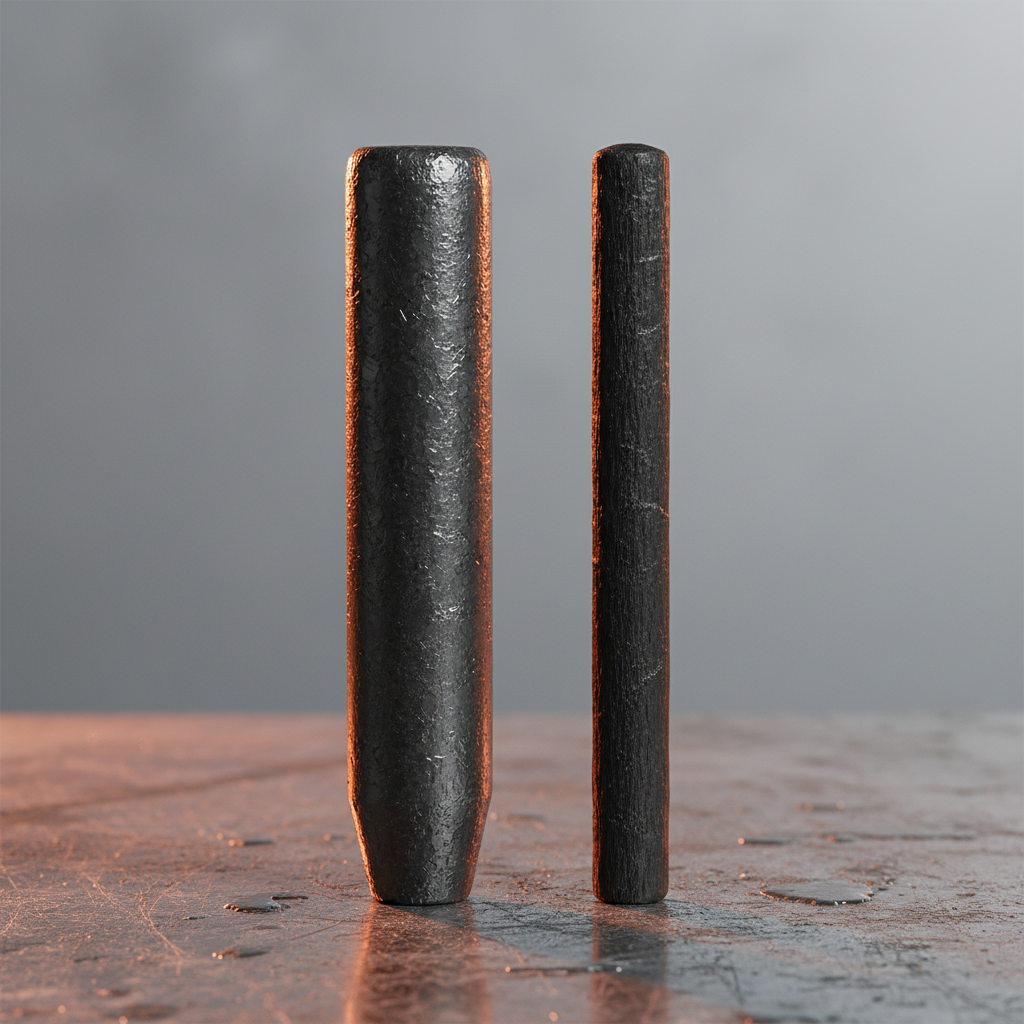
Graphite is a crystalline form of carbon, known for its excellent thermal conductivity, electrical conductivity, and lubricating properties. It’s naturally occurring and can be synthetically produced. Carbon rods, on the other hand, are typically manufactured from carbon materials like carbon fiber or graphite powder, often with binders. The manufacturing process for carbon rods allows for greater control over density and purity compared to naturally sourced graphite. The key difference lies in their structure – graphite has a layered structure allowing easy shearing, while carbon rods can be more homogeneous depending on the production method.
Key Highlights: Graphite is a naturally occurring mineral with layered structure, while carbon rods are manufactured, offering greater control over properties.
Graphite vs Carbon Rod: A Detailed Comparison
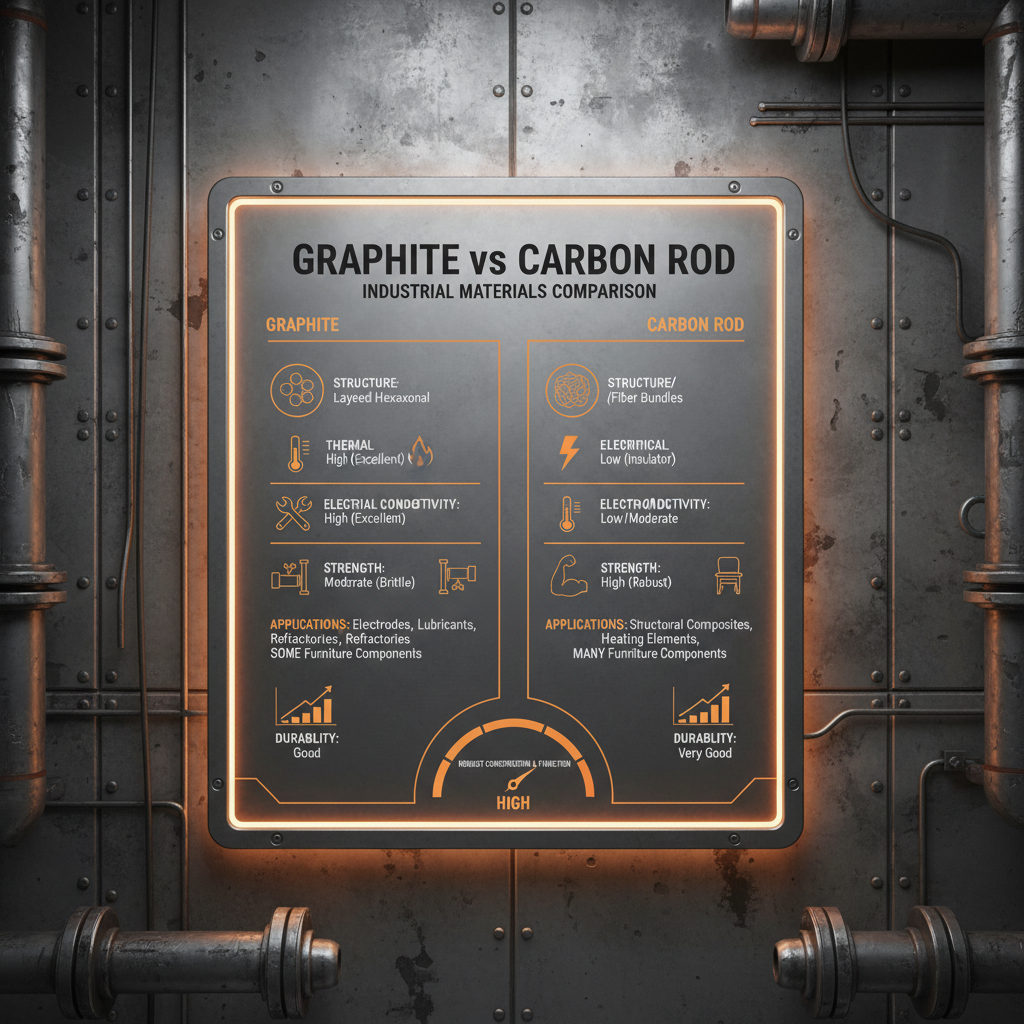
Choosing between graphite and carbon rod often depends on the specific demands of the application. Graphite materials excel in high-temperature environments and applications requiring lubrication, while carbon rods often provide superior mechanical strength and consistency. For instance, in electrical discharge machining (EDM), graphite electrodes are favored for their erosion characteristics, while carbon rods find use in applications needing structural support with minimal weight. Understanding the strengths and weaknesses of each material is vital for optimal performance and cost-effectiveness.
Key Differences:
• Thermal Conductivity: Graphite generally has higher thermal conductivity.
• Mechanical Strength: Carbon rods often exhibit greater mechanical strength.
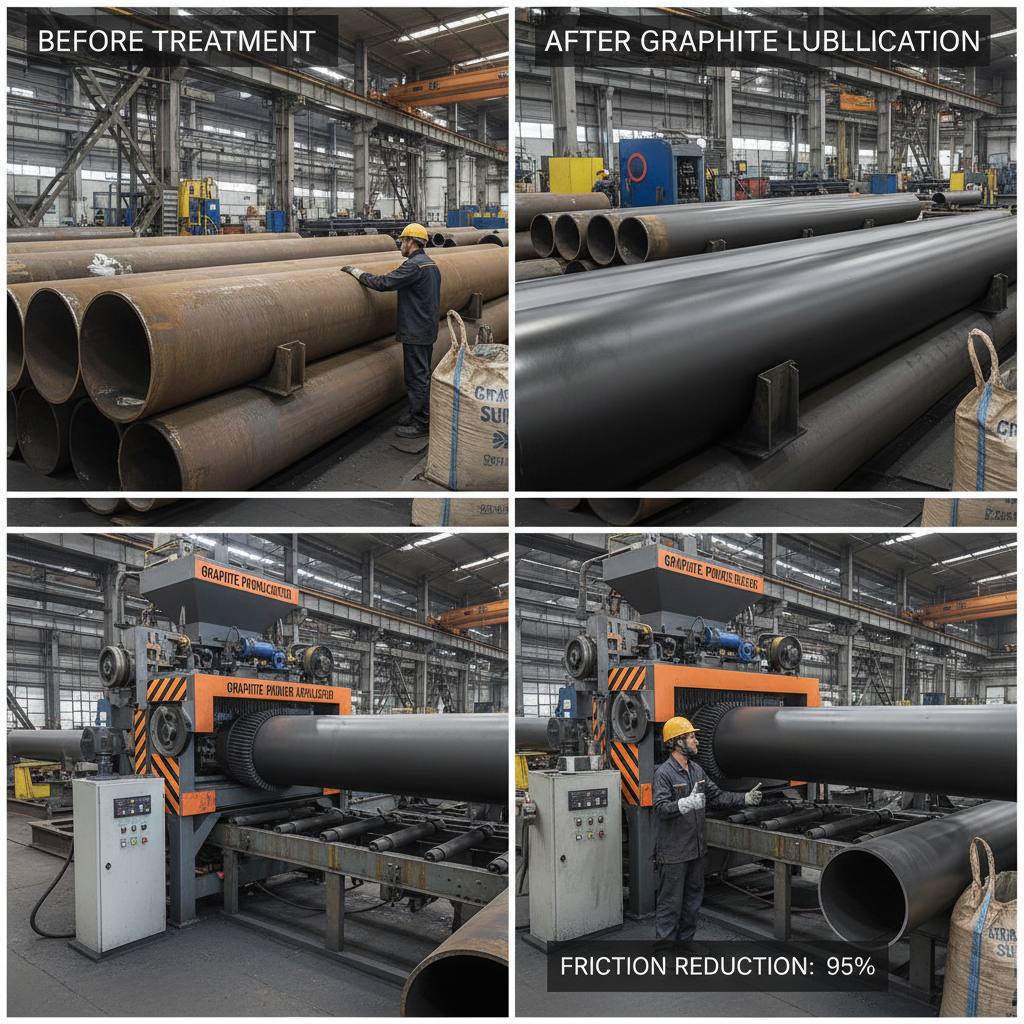
• Lubrication: Graphite is an excellent dry lubricant.
• Purity & Consistency: Carbon rods offer greater control over purity and consistency.
Applications of Graphite and Carbon Rods
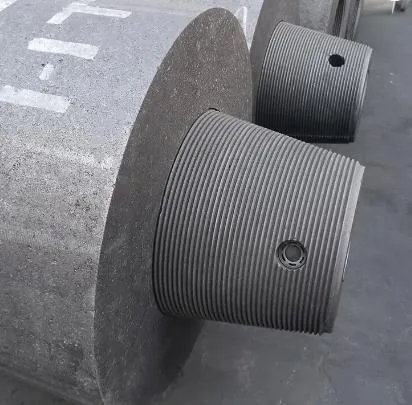
The diverse properties of graphite and carbon rods lead to applications across various industries. Graphite finds use in furnace linings, lubricants, brake linings, and as a moderator in nuclear reactors. Carbon rods are commonly employed in EDM, electrodes for arc furnaces, brushes for electric motors, and structural components in aerospace and automotive industries. The choice depends on the specific performance criteria of the application. Linhe Graphite provides tailored solutions for a wide spectrum of applications.
Factors Influencing Cost and Availability
The cost of graphite and carbon rods can vary depending on purity, grade, and manufacturing process. Naturally sourced graphite is often less expensive than high-purity synthetic graphite or precision-engineered carbon rods. Availability can also fluctuate based on global supply chains and demand. Working with a reputable supplier like Nanjing Linhe Graphite ensures consistent quality and reliable delivery.
Conclusion: Choosing the Right Material for Your Needs
Ultimately, the choice between graphite and carbon rod hinges on the specific requirements of your application. Graphite excels in high-temperature lubrication and electrical conductivity, while carbon rods offer superior mechanical strength and consistency. Carefully evaluating these factors, alongside cost and availability, is crucial for making the optimal decision. Contacting experts at Linhe Graphite can provide valuable guidance and tailored solutions for your specific needs.
Final Thoughts
Choosing the right material, whether it's graphite or a carbon rod, is critical for ensuring optimal performance, efficiency, and longevity in your specific applications. A thorough understanding of their respective strengths and weaknesses, coupled with expert guidance, will lead to informed decisions and successful outcomes.
Frequently Asked Questions (FAQs)
What are the main differences in thermal conductivity between graphite and carbon rods?
Graphite generally possesses higher thermal conductivity compared to carbon rods. This is due to its unique layered crystalline structure, which facilitates efficient heat transfer. The degree of this difference can vary based on the purity and density of both materials, but graphite typically outperforms carbon rods in applications where efficient heat dissipation is critical. For instance, in applications like heat sinks or furnace linings, graphite is often the preferred choice. Carbon rods can be engineered with enhanced thermal properties, but achieving comparable levels to graphite requires specialized manufacturing processes.
How does the manufacturing process affect the properties of carbon rods?
The manufacturing process significantly influences the properties of carbon rods. Different techniques, such as extrusion, molding, and carbonization, result in variations in density, porosity, and fiber alignment. Higher density rods generally exhibit greater mechanical strength, while controlled porosity can enhance permeability for specific applications. The type of carbon precursor material (e.g., carbon fiber, pitch) also impacts the final properties. Sophisticated processes allow for tailored carbon rods with optimized characteristics for specific applications, ensuring consistency and performance.
Are graphite and carbon rods electrically conductive?
Yes, both graphite and carbon rods are electrically conductive. Graphite’s layered structure allows for free electron movement, making it an excellent conductor. Carbon rods also exhibit conductivity, although their resistance can vary based on the carbon source and manufacturing process. They are widely used in electrical contacts, brushes for motors, and EDM applications. The conductivity of both materials can be further enhanced through doping or specific heat treatments.
 Pervious
 Next
Next