

- Englist


Expandable Graphite Powder Properties and Industrial Applications

The Ultimate Guide to Expandable Graphite Powder: Properties and Applications
In the realm of advanced material science, expandable graphite powder has emerged as a revolutionary additive for thermal management and fire safety. Known for its unique ability to expand significantly when exposed to heat, this material transforms from a dense powder into a voluminous, porous structure known as "worm-like" graphite. This expansion creates an insulating layer that protects underlying substrates from extreme temperatures. Whether you are developing next-generation flame retardants or high-performance thermal interface materials, understanding the nuances of this material is essential for achieving optimal industrial results.
What is Expandable Graphite Powder and How It Works
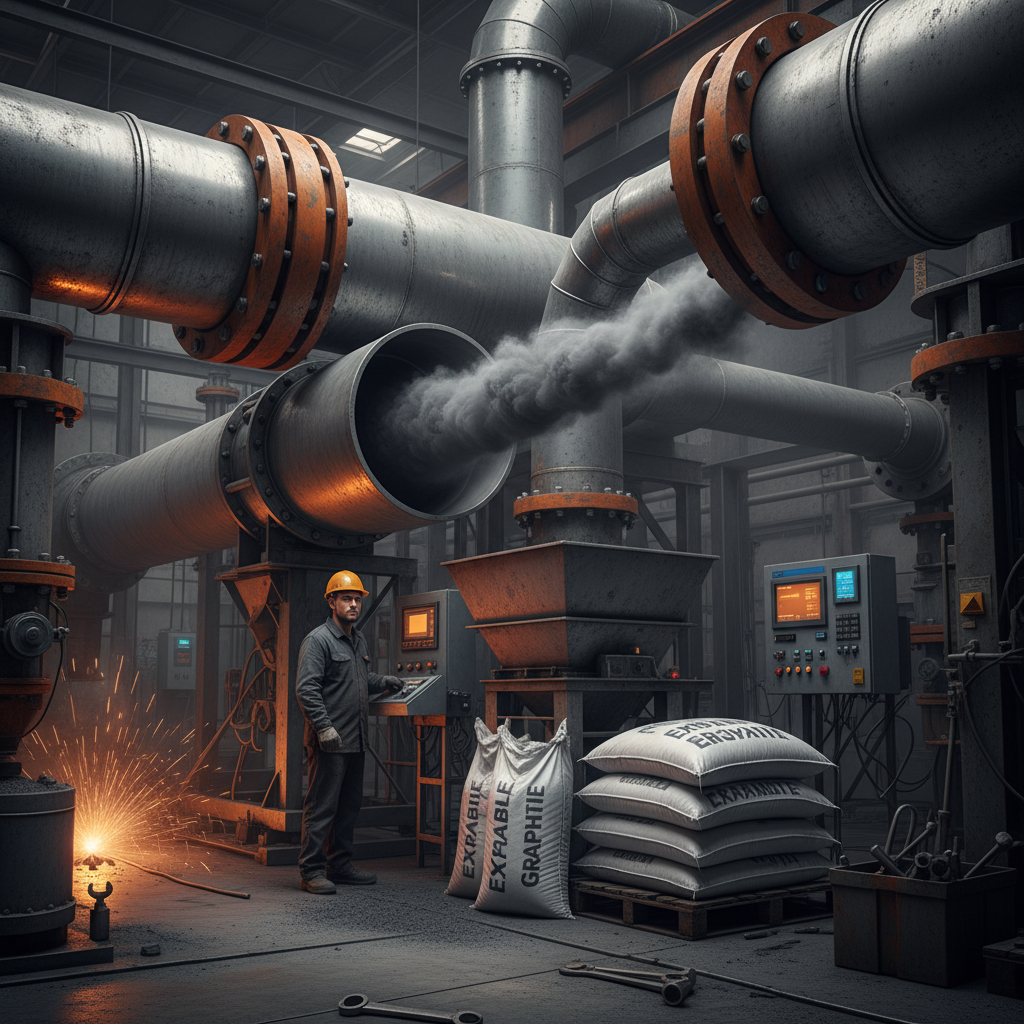
At its core, expandable graphite powder is produced through a process called intercalation. Natural flake graphite is treated with an oxidizing agent, which inserts molecules between the graphene layers. When the powder is heated, these intercalants decompose rapidly, releasing gases that push the layers apart. This results in a dramatic increase in volume, often exceeding 100 times the original size. This mechanism is the secret behind its efficiency as an intumescent material, effectively blocking heat and oxygen from reaching the combustible material beneath.
Pro Tip: The expansion ratio and temperature of expansion are critical parameters that determine the suitability of the powder for specific fire-protection coatings or battery anode materials.
Key Industrial Applications of Expandable Graphite
The versatility of expandable graphite powder allows it to be used across diverse sectors. In the plastics and rubber industry, it serves as a highly effective halogen-free flame retardant. In the electronics sector, it is utilized for EMI shielding and as a thermal interface material to dissipate heat from CPUs and power modules. Additionally, it is gaining traction in the energy sector for the production of high-capacity battery electrodes due to its increased surface area after expansion, which facilitates faster ion transport.
Technical Specifications of Expandable Graphite Powder
When sourcing expandable graphite powder, engineers must consider specific technical grades. The performance of the final product depends heavily on the carbon content, particle size distribution, and the specific expansion temperature. High-purity grades are typically required for electronic applications to avoid conductive impurities, while industrial grades are sufficient for flame-retardant coatings. Below is a typical specification table for standard industrial grades.
Comparing Expandable Graphite with Traditional Flame Retardants
When compared to halogenated flame retardants, expandable graphite powder offers a significantly more eco-friendly profile. Halogenated compounds often release toxic smoke and corrosive gases during combustion, whereas graphite acts as a physical barrier. This "charring" effect not only suppresses the fire but also reduces the smoke density, which is a critical safety factor in enclosed spaces. Furthermore, the additive nature of graphite typically has a lower impact on the mechanical properties of the host polymer compared to bulk chemical additives.
Why Choose Expandable Graphite?
• Environmental compliance (Halogen-free)
• Superior heat insulation through rapid expansion
• Low toxicity and smoke emission during fire
• High thermal conductivity in its non-expanded state
Best Practices for Integrating Graphite Powder in Manufacturing
To maximize the efficiency of expandable graphite powder, proper dispersion is key. In plastic extrusion or injection molding, it is recommended to use low-shear mixing to avoid prematurely crushing the flake structure, which could reduce the expansion potential. Additionally, combining graphite with other synergistic flame retardants, such as ammonium polyphosphate, can create a more robust intumescent system. Ensuring the processing temperature remains below the expansion threshold is critical to preventing premature activation within the machinery.
Conclusion: The Future of Thermal Protection
The adoption of expandable graphite powder represents a shift toward safer, more sustainable industrial materials. By combining exceptional thermal insulation with an environmentally friendly chemical profile, it solves the dual challenge of efficiency and ecology. As industries move toward stricter fire safety regulations and higher thermal demands, the role of advanced graphite materials will only grow. For those seeking a reliable supplier of high-purity graphite solutions, visiting the official website is the first step toward innovation.
Frequently Asked Questions (FAQs)
What is the difference between natural graphite and expandable graphite powder?
Natural graphite is a mineral used primarily for lubrication and conductivity. Expandable graphite powder, however, is a chemically modified version of natural flake graphite. Through a process called intercalation, sulfuric acid or other agents are inserted between the layers. While natural graphite remains stable under heat, expandable graphite expands dramatically when heated, making it suitable for fire-blocking and specialized thermal applications where a volume increase is required to create an insulating barrier.
At what temperature does expandable graphite powder begin to expand?
The expansion temperature varies depending on the grade and the intercalation process used. Most industrial grades typically begin to expand between 160°C and 220°C. This range is carefully engineered to ensure the material remains stable during normal processing (like plastic molding) but activates immediately during a fire or overheating event. Custom grades can be produced to meet specific thermal trigger points depending on the end-use application of the customer.
Is expandable graphite powder safe for the environment?
Yes, one of the primary advantages of using expandable graphite powder is that it is a halogen-free flame retardant. Unlike traditional bromine or chlorine-based retardants, graphite does not release toxic, corrosive fumes when it decomposes. It is considered a "green" alternative in the industry, helping manufacturers comply with global environmental regulations such as RoHS and REACH, while still providing high-level fire protection.
How should expandable graphite powder be stored to maintain its quality?
Expandable graphite should be stored in a cool, dry, and well-ventilated area. It is crucial to keep the powder away from moisture and high-heat sources, as humidity can affect the intercalation stability and heat can trigger premature expansion. We recommend keeping the material in its original airtight packaging. If the powder is exposed to moisture, it may clump, which can negatively impact the dispersion process during manufacturing and reduce the overall efficiency of the expansion.
 Pervious
 Next
Next