

- Englist


Exploring the Versatility and Benefits of Graphite Pipes for Industrial Applications

Understanding Graphite Pipes: Applications, Benefits & NL Graphite's Expertise
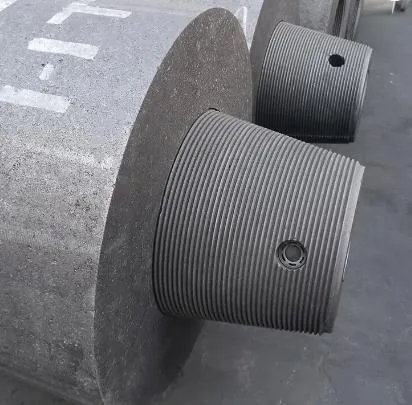
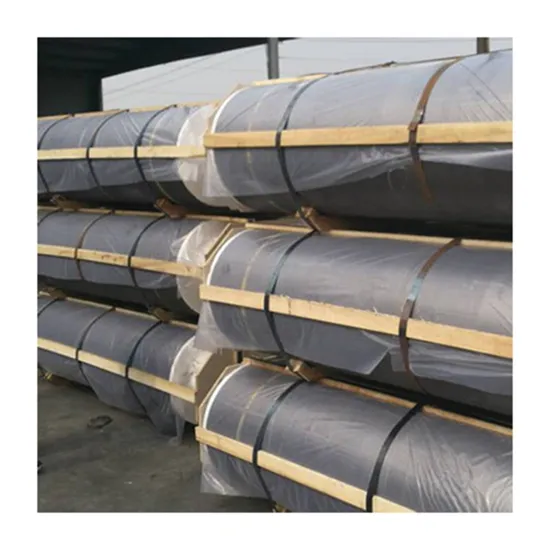
Graphite pipes are a specialized component increasingly utilized across diverse industrial applications due to their unique combination of properties. From chemical processing to semiconductor manufacturing, their resistance to corrosion, high temperatures, and thermal shock makes them indispensable. At NL Graphite, we specialize in providing high-quality graphite pipes tailored to meet the demanding needs of our global clientele. This article explores the benefits, applications, and key considerations when selecting graphite piping solutions.
Key Properties of Graphite Pipes
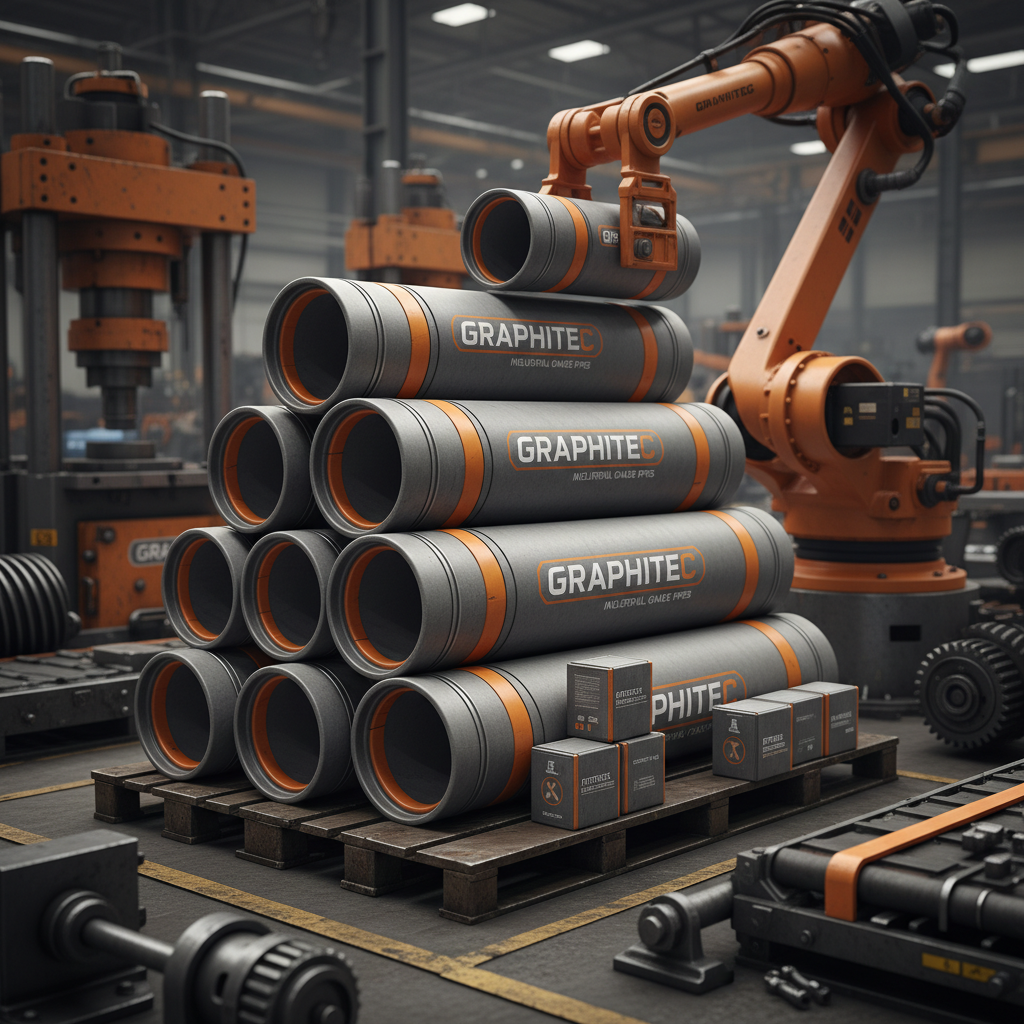
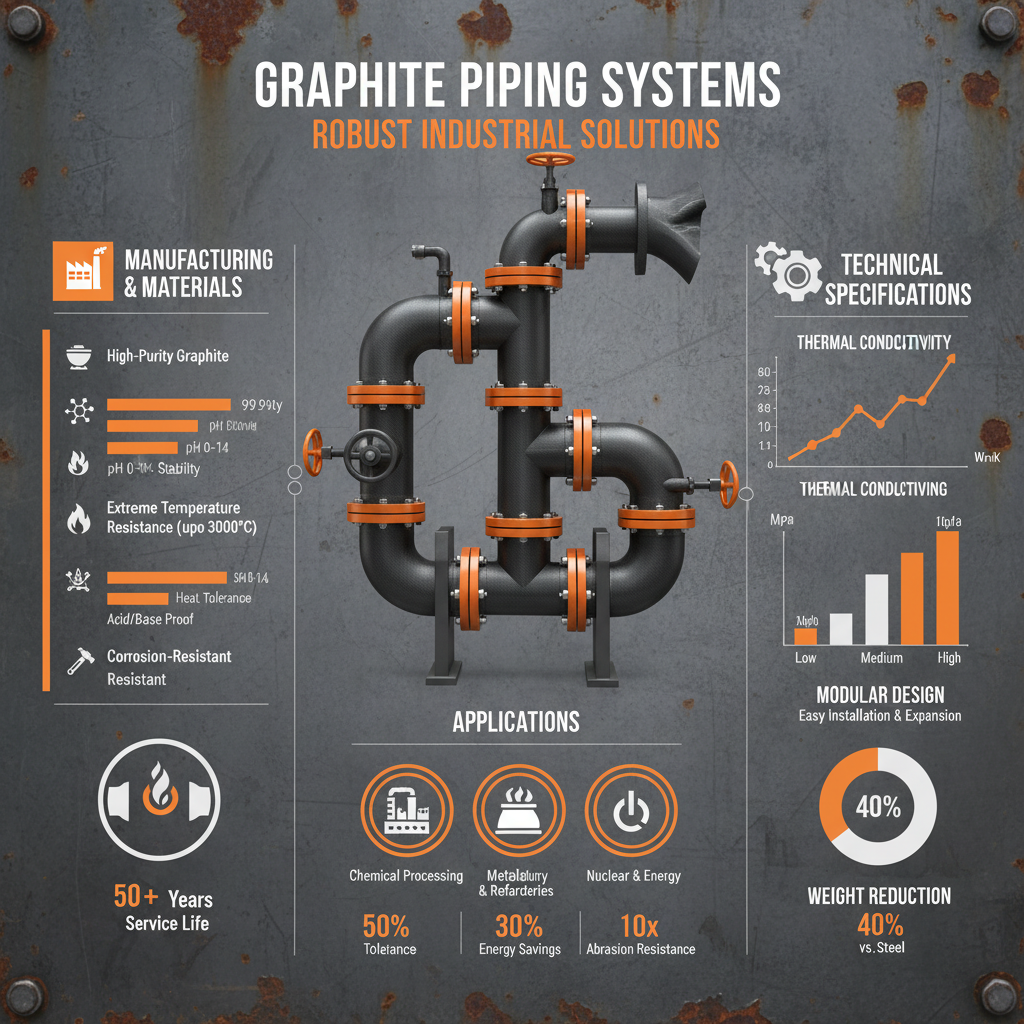
Graphite’s inherent characteristics are what make its pipes stand out. Firstly, graphite is incredibly resistant to a wide range of corrosive chemicals, including strong acids and bases, surpassing many metals and alloys. Secondly, it exhibits exceptional thermal stability, withstanding temperatures up to 3000°C in inert atmospheres. Its high thermal conductivity facilitates efficient heat transfer, while its low thermal expansion minimizes stress during temperature fluctuations. Finally, graphite is electrically conductive, a property valuable in certain electrochemical processes. These combined properties make graphite pipes ideal for challenging industrial environments.
Key Highlights: Exceptional chemical resistance, high thermal stability (up to 3000°C), high thermal conductivity, and electrical conductivity.
Applications of Graphite Pipes
The versatile properties of graphite pipes lead to a broad spectrum of applications. In the chemical processing industry, they handle corrosive fluids and gases where metal pipes would quickly degrade. Semiconductor manufacturing utilizes them for transporting highly purified chemicals. Waste water treatment facilities rely on them for their resistance to aggressive chemicals and biological attack. Furthermore, they are used in high-temperature furnaces, heat exchangers, and as linings for reaction vessels. NL Graphite caters to these diverse needs with customized piping solutions.
Application Areas:
• Chemical Processing
• Semiconductor Manufacturing
• Waste Water Treatment
• High-Temperature Furnaces
Graphite Pipes vs. Other Materials: A Comparative Analysis
When considering piping solutions, it’s crucial to compare graphite to other common materials like stainless steel, PVC, and fiberglass. While stainless steel offers good strength, it’s susceptible to corrosion in many chemical environments. PVC is cost-effective but lacks temperature and pressure resistance. Fiberglass is corrosion-resistant but can be brittle. Graphite excels in environments demanding both chemical resistance and high-temperature performance, often outperforming traditional materials. The initial cost of graphite pipes may be higher, but their extended lifespan and reduced maintenance costs often provide a lower total cost of ownership.
Selecting the Right Graphite Pipe: Considerations
Choosing the correct graphite pipe requires careful consideration of several factors. The operating temperature, chemical composition of the fluid being transported, pressure requirements, and dimensional specifications are all crucial. The grade of graphite (e.g., fine-grained, coarse-grained, impregnated) impacts its strength, permeability, and resistance to oxidation. NL Graphite's experienced engineers can assist you in selecting the optimal graphite pipe for your specific application, ensuring longevity and reliable performance.
NL Graphite: Your Trusted Graphite Pipe Supplier
At NL Graphite, we are dedicated to providing high-quality graphite pipes and exceptional customer service. We offer a comprehensive range of sizes, grades, and customized solutions to meet your unique needs. Our commitment to quality control and rigorous testing ensures the reliability and performance of our products. Contact us today to discuss your requirements and experience the NL Graphite difference.
Conclusion: Choosing Graphite for Long-Term Reliability
Investing in graphite pipes from a reputable supplier like NL Graphite is a strategic decision that can yield significant long-term benefits. Their superior chemical resistance, thermal stability, and durability minimize downtime, reduce maintenance costs, and enhance overall process efficiency. Partner with us to secure a reliable and high-performing piping solution tailored to your specific industrial needs.
Frequently Asked Questions (FAQs)
What is the typical lifespan of a graphite pipe in a chemical processing environment?
The lifespan of a graphite pipe in a chemical processing environment varies depending on the specific chemicals involved, their concentration, temperature, and flow rate. However, with proper selection of the graphite grade and operating within recommended parameters, a graphite pipe can reliably last for 5-10 years or even longer. Regular inspections are crucial to identify any signs of erosion or degradation. NL Graphite provides expert guidance on selecting the optimal graphite for your specific chemical environment to maximize its lifespan.
Can graphite pipes be joined using standard welding techniques?
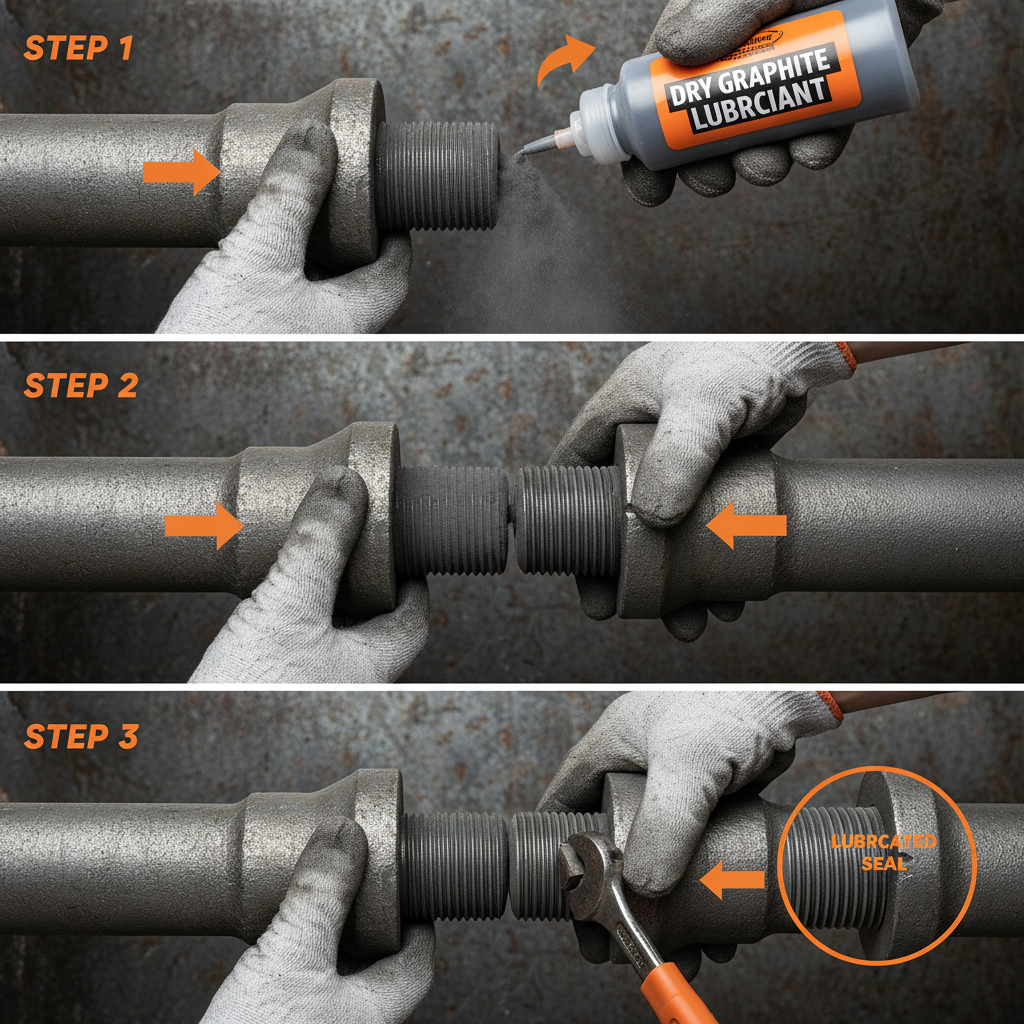
No, graphite cannot be welded using traditional welding methods. Graphite is typically joined using specialized techniques such as graphite brazing, mechanical joining with flanges, or using graphite adhesives. Brazing utilizes a filler metal that melts at a lower temperature than graphite, creating a strong and leak-proof joint. NL Graphite offers fabrication and joining services to ensure the proper installation of your graphite piping system.
Are graphite pipes susceptible to oxidation at high temperatures?
Yes, graphite can oxidize at high temperatures in the presence of oxygen. However, the rate of oxidation is relatively slow at moderate temperatures. For applications involving very high temperatures and oxidizing environments, we offer impregnated graphite pipes, where the pores of the graphite are filled with a material like silicon carbide to enhance oxidation resistance. Choosing the right graphite grade and considering the operating environment are essential for preventing oxidation.
What is the role of NL Graphite in assisting with graphite pipe selection?
At NL Graphite, our team of experienced engineers provides comprehensive support throughout the graphite pipe selection process. We analyze your application requirements, including chemical compatibility, temperature, pressure, and flow rate, to recommend the most suitable graphite grade and dimensions. We also offer custom fabrication, joining, and machining services to meet your specific needs. Our goal is to ensure you receive a reliable and cost-effective graphite piping solution that delivers optimal performance.
 Pervious
 Next
Next