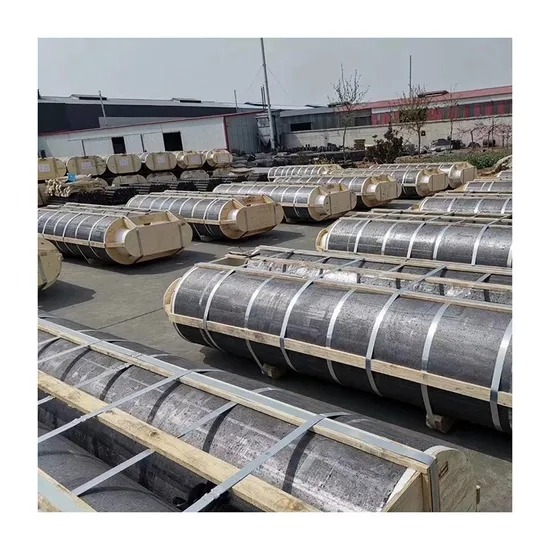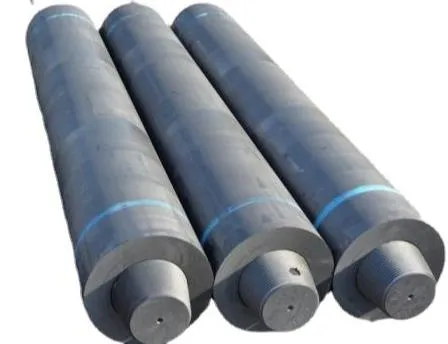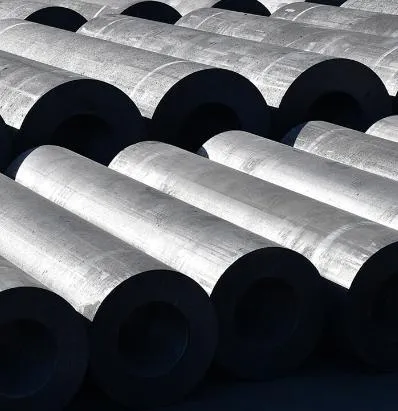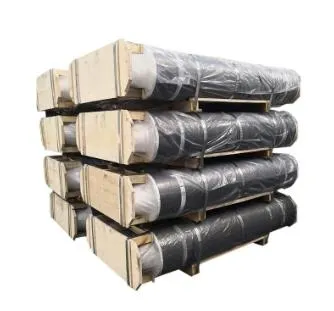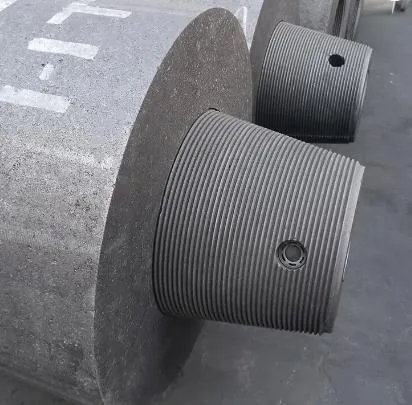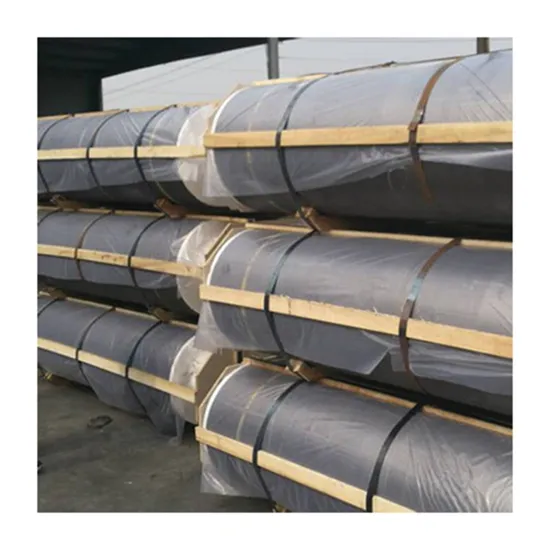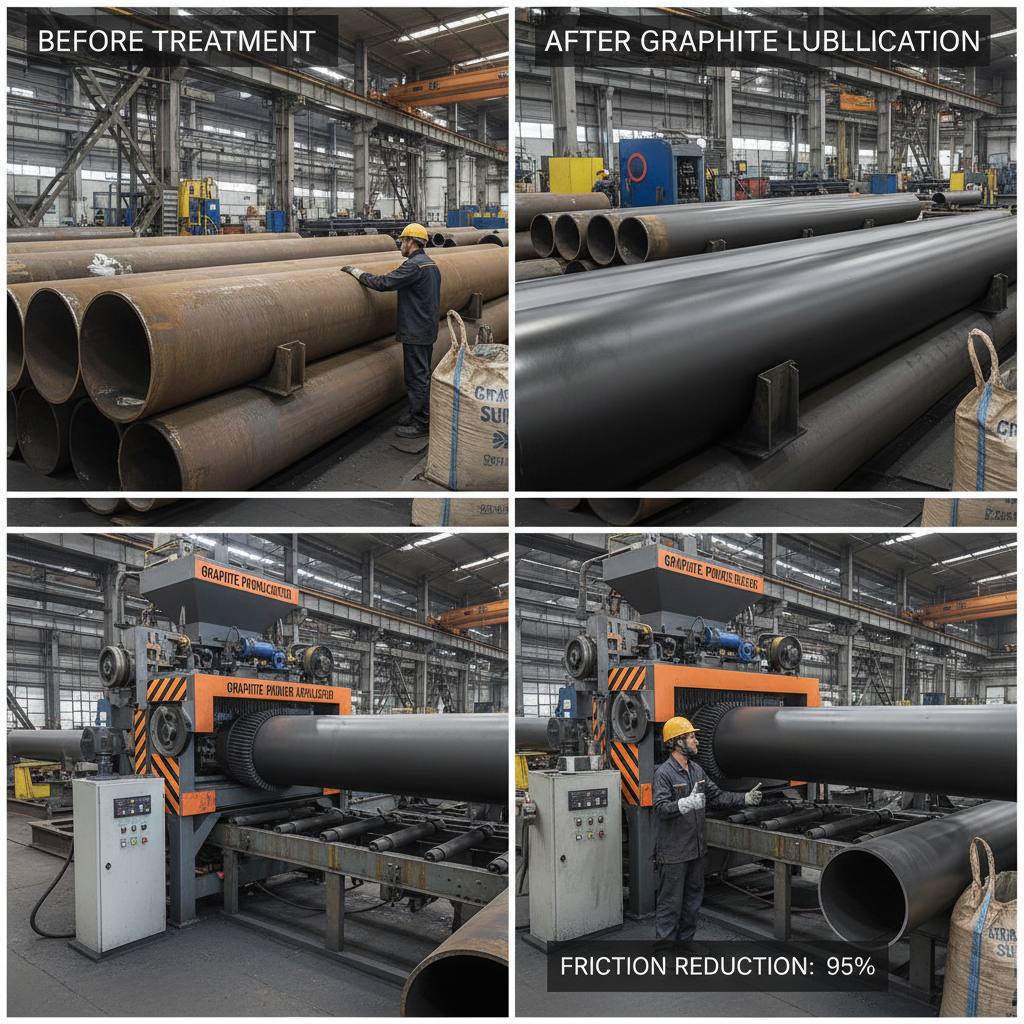
In the dynamic world of industrial materials, graphite blocks and carbon anode blocks stand as cornerstones for a wide array of applications. Whether you are in the market to Buy Graphite block for your manufacturing processes, seeking reliable graphite blocks manufacturer and graphite block supplier partnerships, or simply curious about graphite block price trends, this comprehensive guide has got you covered. These blocks, with their unique properties, play pivotal roles in industries ranging from metallurgy and electronics to energy production.
Graphite Blocks Manufacturer: Precision and Quality in Production
Graphite blocks manufacturer are the driving force behind the creation of these essential industrial components. Using high - grade raw materials, often sourced from trusted mines around the world, these manufacturers employ advanced techniques to produce graphite blocks with consistent quality. The manufacturing process typically begins with the selection of graphite powder, which is then formed into blocks through methods such as isostatic pressing or vibration molding.
For instance, in isostatic pressing, the graphite powder is placed in a flexible mold and subjected to equal pressure from all directions. This results in a highly dense and uniform graphite block, ideal for applications where precision and durability are crucial, like in electrical discharge machining (EDM) tooling. Some manufacturers also offer additional treatments, such as impregnation with resins or metals, to enhance the properties of the graphite blocks. This not only improves their performance but also extends their lifespan, making them a cost - effective choice in the long run. Reputable graphite blocks manufacturer adhere to strict quality control measures, ensuring that each block meets international standards for purity, density, and conductivity.
Graphite Block Supplier: Connecting Industries with Quality Products
Graphite block supplier serve as the vital link between manufacturers and end - users. They maintain extensive inventories of graphite blocks in various sizes, grades, and specifications, making it convenient for businesses to source the exact product they need. These suppliers work with multiple manufacturers, giving them the ability to offer a diverse range of graphite blocks, from standard rectangular shapes to custom - designed blocks for unique applications.
A good graphite block supplier also provides value - added services such as machining, cutting, and drilling of graphite blocks. This is particularly useful for customers who require blocks with specific dimensions or features. For example, a customer in the semiconductor industry may need a graphite block with precise holes for use in a manufacturing process. The supplier can work with the manufacturer to have the block machined to the exact specifications. In addition, reliable suppliers offer timely delivery, often with options for express shipping for urgent orders. They also provide technical support, helping customers choose the right type of graphite block for their particular application, taking into account factors like temperature resistance, electrical conductivity, and chemical compatibility.
Carbon Anode Block Suppliers: Powering the Aluminum and Steel Industries
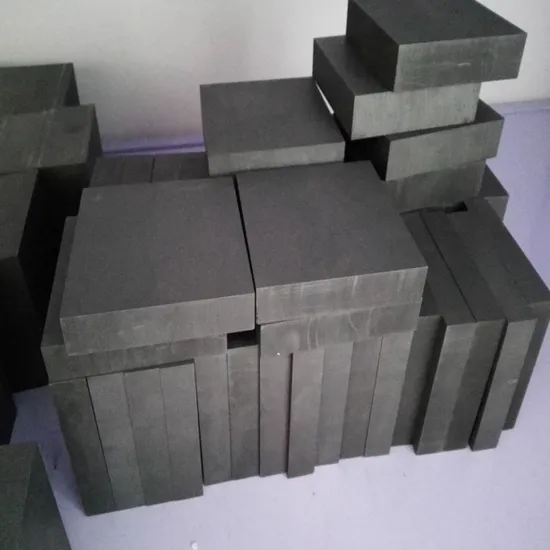
Carbon anode block suppliers are specialized in providing a crucial component for the aluminum and steel production processes. Carbon anode blocks, which are primarily made from calcined petroleum coke and pitch, are used in the electrolysis of aluminum oxide to produce aluminum. In the steel industry, they are used as a source of carbon to adjust the carbon content in molten steel.
These suppliers source high - quality raw materials to ensure the production of carbon anode blocks with low ash content, high electrical conductivity, and excellent oxidation resistance. The manufacturing process involves mixing the calcined petroleum coke with pitch, forming the mixture into blocks, and then baking them at high temperatures. This results in a dense and stable carbon anode block that can withstand the harsh conditions of the electrolysis or steelmaking processes. Carbon anode block suppliers also work closely with their customers to understand their specific requirements, whether it's for large - scale aluminum smelters or small - to - medium - sized steel mills. They offer customized solutions, such as blocks with different sizes, shapes, and carbon contents, to meet the diverse needs of the industry.
Buying Graphite Blocks: Making the Right Choice
When it comes to Buy Graphite block, there are several factors to consider. First and foremost is the intended application. For EDM applications, a fine - grained graphite block with high electrical conductivity is required. In contrast, for high - temperature furnace linings, a graphite block with excellent thermal stability and low thermal expansion is more suitable. The purity of the graphite block is also crucial, especially in applications where chemical reactions are involved. High - purity graphite blocks are less likely to introduce impurities into the process, ensuring consistent results.
Another important consideration is the graphite block price. While it may be tempting to opt for the cheapest option, it's essential to balance cost with quality. A lower - priced block may not have the same performance or lifespan as a higher - quality one, ultimately costing more in the long run. It's advisable to get quotes from multiple graphite block supplier and compare not only the prices but also the services they offer, such as delivery times, customization options, and after - sales support. Additionally, look for suppliers with a good reputation in the industry, as this is often an indicator of the quality of their products and services.
Graphite Block Price: Understanding the Market Trends
The graphite block price is influenced by several factors, including the cost of raw materials, manufacturing processes, and market demand. The price of graphite powder, the primary raw material for graphite blocks, can fluctuate based on global supply and demand. For example, if there is a shortage of high - quality graphite mines or an increase in demand from emerging industries like electric vehicle battery production, the price of graphite powder will likely rise, which in turn will affect the price of graphite blocks.
The manufacturing process also plays a role in the graphite block price. Blocks produced through more complex and energy - intensive methods, such as isostatic pressing, tend to be more expensive than those made through simpler processes. Custom - designed graphite blocks, which require additional machining and quality control, are also priced higher. Market demand is another significant factor. In industries where graphite blocks are in high demand, such as the aluminum and steel industries, prices may be higher due to limited supply. However, with increased competition among graphite block supplier and graphite blocks manufacturer, prices can also be kept competitive. Staying informed about these market trends can help businesses make more informed decisions when purchasing graphite blocks.
Graphite and Carbon Anode Block FAQs
1. How do I choose the right graphite block manufacturer?
Look for manufacturers with a proven track record of quality, as demonstrated by customer reviews and certifications. Check their production capabilities, including the types of manufacturing processes they use (e.g., isostatic pressing, vibration molding), and ensure they can meet your specific requirements in terms of size, grade, and quantity. Also, consider their ability to offer additional services like impregnation or machining.
2. What services can I expect from a graphite block supplier?
A reliable graphite block supplier should offer a wide range of graphite blocks in various sizes, grades, and specifications. They should also provide value - added services such as machining, cutting, and drilling to customize the blocks to your needs. Timely delivery, including options for express shipping, and technical support for choosing the right product are also standard services.
3. What are the key differences between graphite blocks used in EDM and those used in furnace linings?
Graphite blocks for EDM need to have high electrical conductivity and a fine - grained structure to ensure precise material removal. In contrast, graphite blocks for furnace linings require excellent thermal stability, low thermal expansion, and good resistance to high temperatures and chemical corrosion. The purity requirements may also differ, with EDM blocks often needing higher purity to prevent contamination during the machining process.
4. How do carbon anode block suppliers ensure the quality of their products?
Carbon anode block suppliers source high - quality raw materials, such as low - ash calcined petroleum coke. They follow strict manufacturing processes, including proper mixing of the raw materials, precise forming of the blocks, and high - temperature baking. Quality control measures are in place to test for properties like electrical conductivity, density, and oxidation resistance, ensuring that the carbon anode blocks meet the industry standards for use in aluminum and steel production.
5. How can I get the best price when buying graphite blocks?
Get quotes from multiple graphite block supplier and compare not only the prices but also the overall value, including services, delivery times, and product quality. Consider the long - term cost, as a higher - quality block may be more cost - effective in the long run. Buying in bulk can also often result in lower per - unit prices. Additionally, stay informed about market trends, as prices can fluctuate based on raw material costs and market demand.
Whether you are in search of high - quality graphite blocks for your manufacturing operations, need reliable carbon anode blocks for the aluminum or steel industry, or are simply looking to understand more about the market, the right graphite blocks manufacturer, graphite block supplier, or carbon anode block suppliers can make all the difference. By considering the factors outlined above, you can make informed decisions that will benefit your business in terms of quality, cost - effectiveness, and efficiency.
In the modern industrial landscape, the quality of raw materials often dictates the success of the final product. For sectors ranging from lubrication and metallurgy to battery technology, partnering with a reliable graphite powder supplier is not just a procurement choice, but a strategic advantage. High-purity graphite powder provides essential properties such as superior electrical conductivity, thermal stability, and an incredibly low coefficient of friction. However, with numerous options in the global market, distinguishing a premium supplier from a mediocre one requires a deep understanding of material grades and quality control standards.
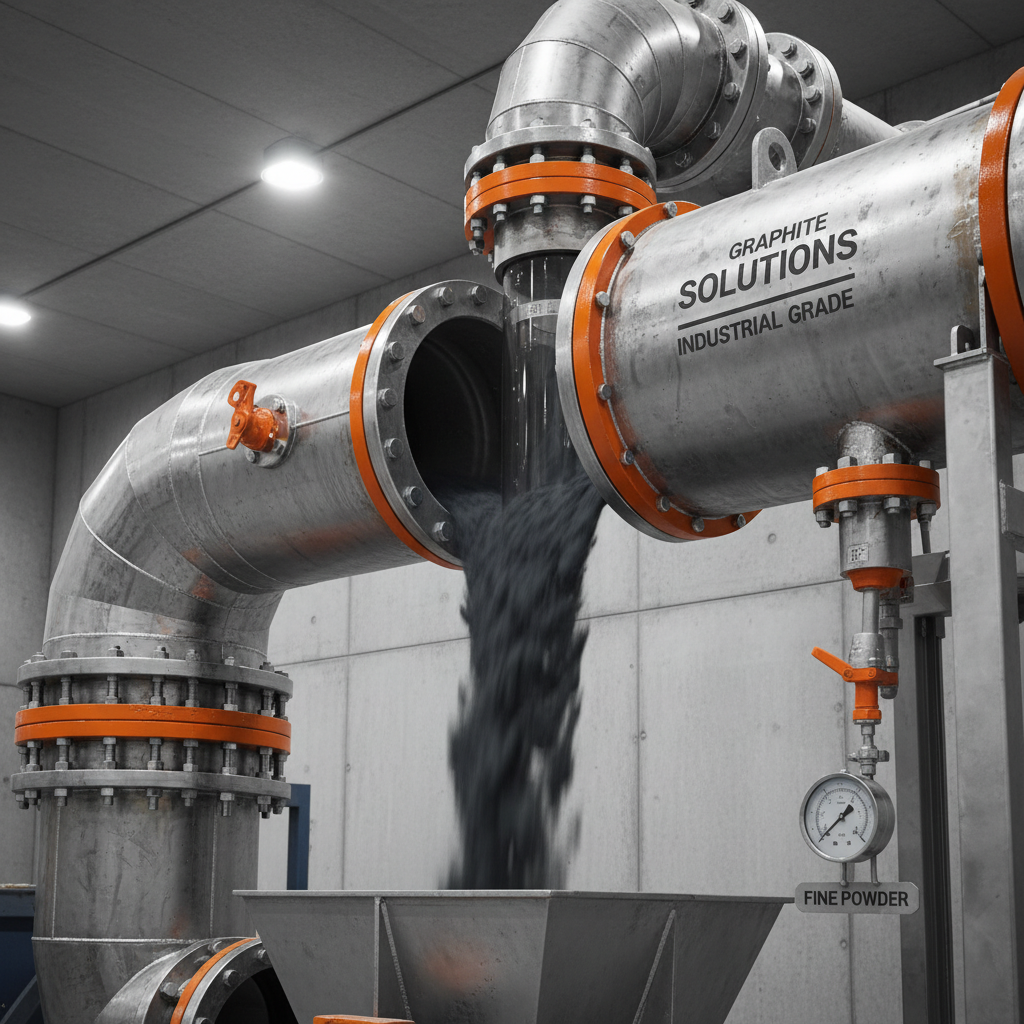
In the modern industrial landscape, the quality of raw materials can make or break the efficiency of a production line. Finding a reliable graphite powder manufacturer is essential for businesses requiring high-performance lubricants, conductive additives, or heat-resistant materials. Graphite powder, known for its exceptional lubricity and thermal conductivity, serves as a cornerstone in everything from automotive parts to advanced electronics. Selecting a partner who understands the nuance of particle size distribution and purity levels ensures that your end product meets rigorous international standards. In this guide, we will explore the critical factors to consider when sourcing graphite

In the world of industrial materials, precision is everything. micronized graphite represents the pinnacle of carbon engineering, offering an ultra-fine powder form of graphite that provides exceptional lubricating and conductive properties. Unlike standard graphite, the micronized version is processed to achieve a specific, consistent particle size, making it indispensable for high-tech applications where friction reduction and thermal management are critical. Whether you are formulating advanced lubricants or enhancing composite materials, understanding the nuances of this material is key to optimizing your product's performance. In this guide, we will explore the technical advantages and diverse industrial applications of this versatile material.

In the world of industrial materials, graphite fine powder serves as a cornerstone for innovation across countless sectors. Known for its exceptional electrical conductivity, thermal stability, and self-lubricating properties, this versatile carbon material is essential for everything from high-tech batteries to heavy-duty machinery. Understanding the nuances of particle size, purity, and grade is critical for engineers and procurement specialists aiming to optimize performance in their final products. In this comprehensive guide, we will explore the technical advantages and diverse industrial roles of this remarkable powder.

In the realm of advanced material science, expandable graphite powder has emerged as a revolutionary additive for thermal management and fire safety. Known for its unique ability to expand significantly when exposed to heat, this material transforms from a dense powder into a voluminous, porous structure known as worm-like graphite. This expansion creates an insulating layer that protects underlying substrates from extreme temperatures. Whether you are developing next-generation flame retardants or high-performance thermal interface materials, understanding the nuances of this material is essential for achieving optimal industrial results.
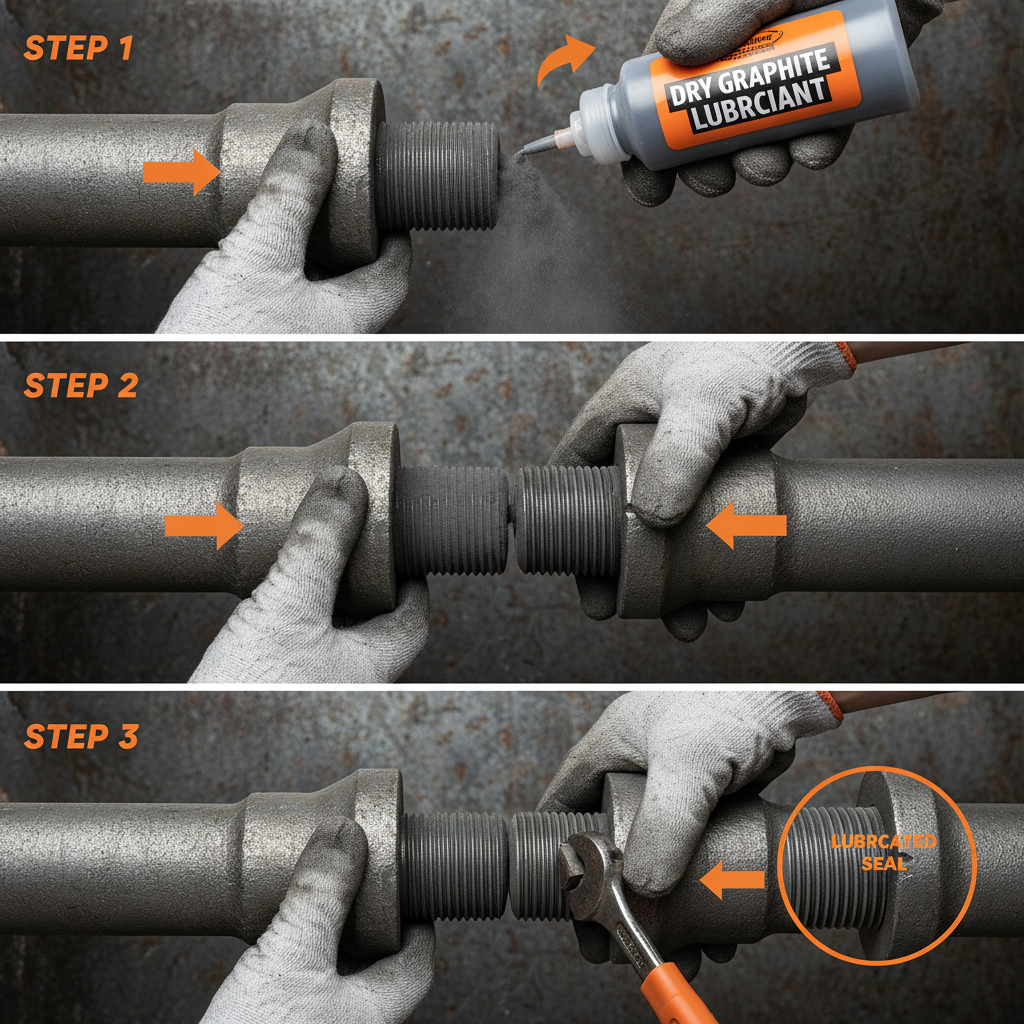
In the world of high-performance machinery and precision engineering, reducing friction is the key to longevity and efficiency. dry graphite lubricant powder has emerged as a superior alternative to traditional oil-based lubricants, especially in environments where cleanliness and extreme temperature resistance are critical. Unlike wet lubricants, dry graphite creates a stable, low-friction film that doesn't attract dust or debris. This article explores the technical advantages, versatile applications, and strategic benefits of integrating high-purity graphite powders into your maintenance routine to ensure seamless operation and reduced downtime.
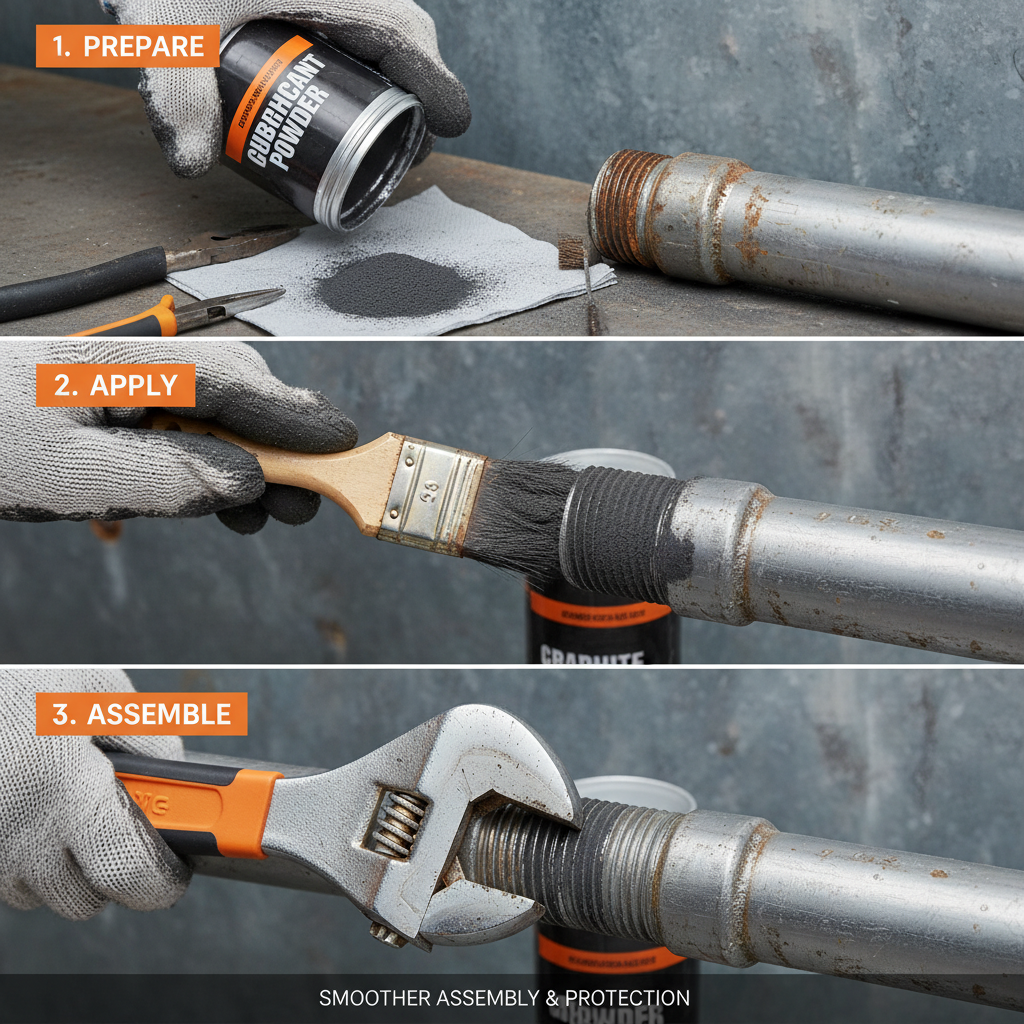
In the world of industrial maintenance and high-performance machinery, reducing friction is the key to longevity and operational efficiency. graphite lubricant powder has emerged as a superior dry lubrication solution, offering unmatched stability in environments where traditional oils and greases fail. Whether you are dealing with extreme temperatures or vacuum conditions, this specialized powder provides a sleek, protective layer that prevents wear and tear. In this comprehensive guide, we will explore why graphite is the gold standard for dry lubrication and how to choose the right grade for your specific industrial application.

In the realm of advanced materials, expanded graphite has emerged as a versatile powerhouse, offering unparalleled thermal and electrical properties. Through a process of intercalation and thermal expansion, natural graphite is transformed into a worm-like structure with a significantly increased surface area and lower density. This unique morphology makes it indispensable in industries ranging from energy storage to fire protection. Whether you are looking to improve heat dissipation in electronics or enhance the safety of architectural coatings, understanding the nuances of this material is key to optimizing your product's performance. In this guide, we will explore why this material is becoming the gold standard

If you are interested in our products, you can choose to leave your information here, and we will be in touch with you shortly.