

- Englist



Industrial Guide to Graphite Fine Powder Extra Pure for Precision

The Ultimate Guide to Graphite Fine Powder Extra Pure for Industrial Precision
In the realm of high-performance materials, purity is the cornerstone of quality. Graphite fine powder extra pure is a specialized carbon material engineered for applications where even the slightest impurity can compromise the final result. Whether used in advanced lubrication, electrical conductivity, or chemical synthesis, this ultra-refined powder provides the consistency and reliability that industrial professionals demand. This guide explores the technical nuances, advantages, and diverse applications of this premium material, helping you understand why opting for "extra pure" grade is a critical decision for your production efficiency.

What Defines Graphite Fine Powder Extra Pure?
The term "extra pure" refers to a rigorous purification process that removes metallic impurities, ash, and volatile organic compounds. Standard graphite powders may contain trace elements like iron or silicon, which can cause unwanted reactions in sensitive environments. However, graphite fine powder extra pure undergoes advanced chemical treatment and thermal refining to achieve a carbon content often exceeding 99.9%. This ensures a high degree of crystallinity and a uniform particle size distribution, which are essential for maintaining stable electrical properties and superior lubricating films.
Purity Advantage: By eliminating impurities, the material reduces the risk of contamination in semiconductor manufacturing and ensures high-precision performance in laboratory-grade chemical reactions.
Technical Specifications of Graphite Fine Powder Extra Pure
To ensure the material meets the strict requirements of aerospace and electronics industries, it is crucial to examine the physical and chemical properties. The particle size of graphite fine powder extra pure is typically micronized to ensure easy dispersion and a smooth finish. Below is a detailed specification table showcasing the typical values for this high-grade material.
Key Applications of Graphite Fine Powder Extra Pure
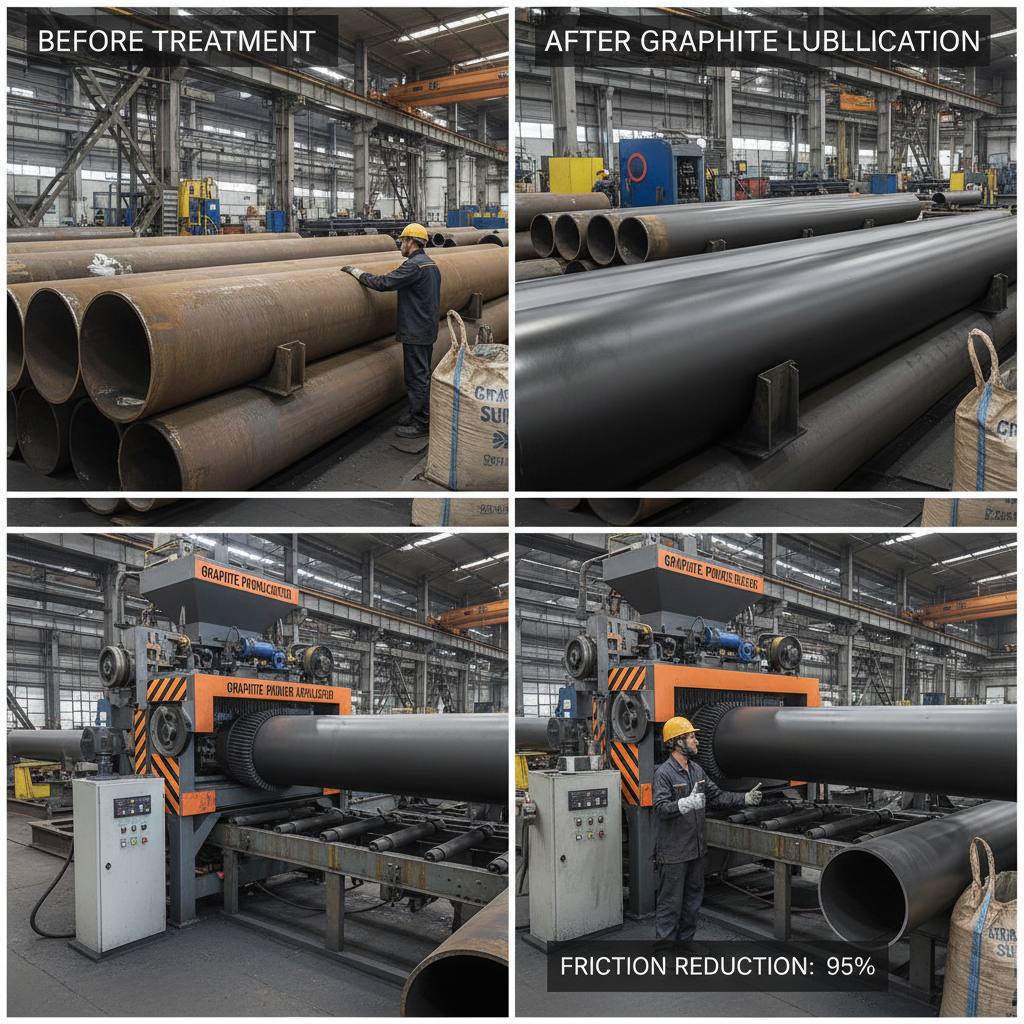
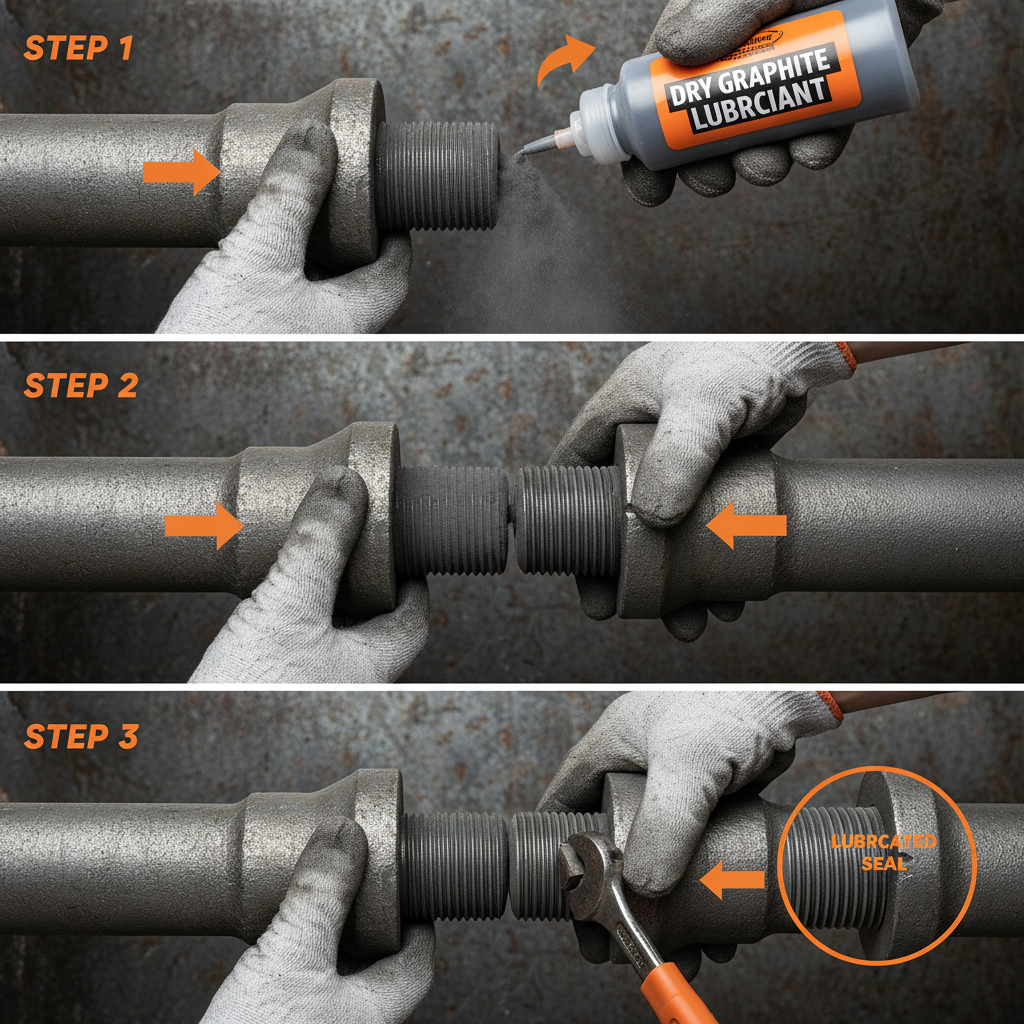
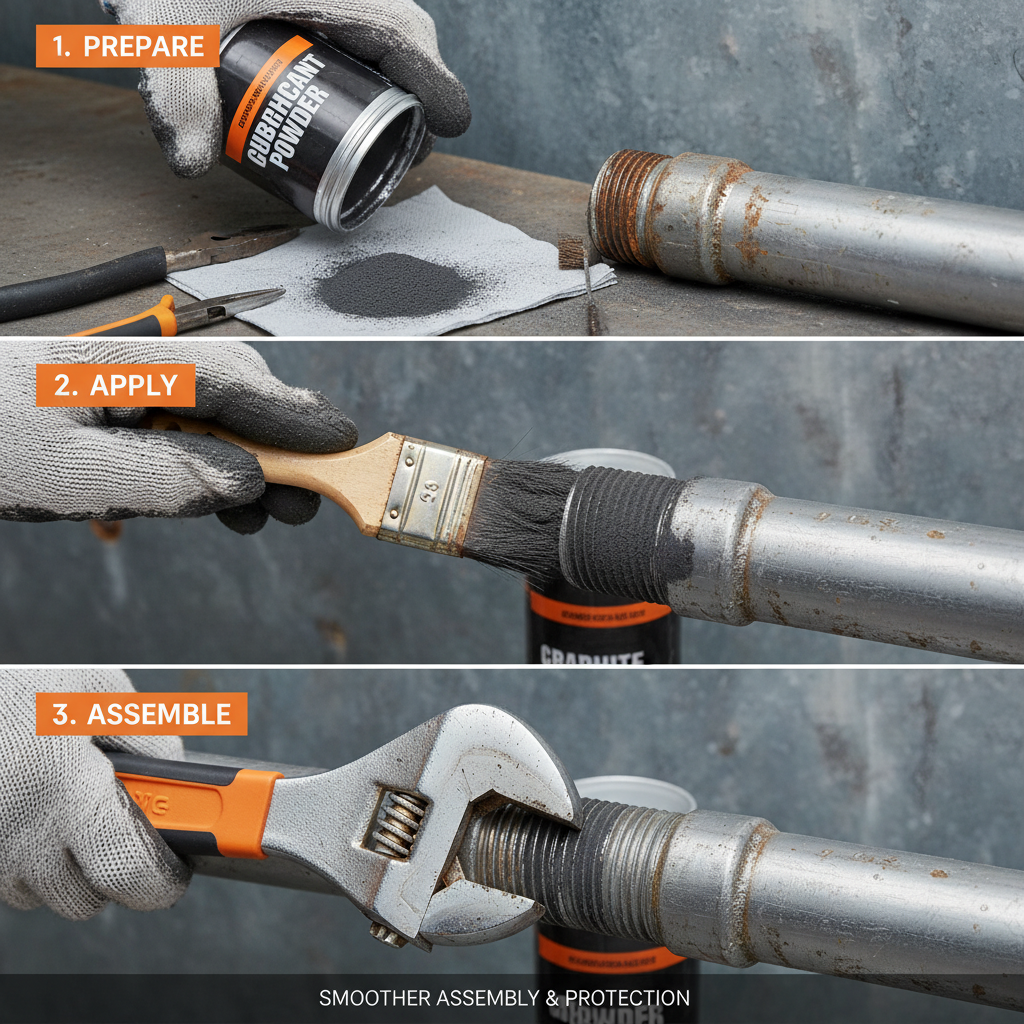
The versatility of graphite fine powder extra pure makes it an indispensable component in several high-tech sectors. In battery technology, it serves as a high-purity anode material, significantly improving energy density and cycle life. In the electronics industry, it is used for conductive coatings and EMI shielding, where purity prevents short-circuits caused by metallic debris. Furthermore, in precision lubrication, the fine particle size allows it to penetrate the tightest tolerances of machinery, reducing friction without causing abrasive wear.
Why Choose Extra Pure Over Standard Graphite?
Many procurement managers wonder if the cost of "extra pure" grade is justified. The answer lies in the long-term reliability of the end product. Standard graphite can introduce sulfur or iron, which may act as catalysts for corrosion in high-temperature environments. By using graphite fine powder extra pure, manufacturers eliminate these risks. This results in fewer product recalls, longer component lifespans, and a more consistent manufacturing process, ultimately lowering the total cost of ownership despite the higher initial material price.
Comparative Benefits:
• Higher Conductivity: Pure carbon paths offer lower resistance.
• Chemical Inertness: Less likely to react with sensitive reagents.
• Superior Finish: Finer particles create a more uniform surface coating.
• Better Stability: Maintains properties under extreme thermal stress.
Storage and Handling of Graphite Fine Powder Extra Pure
Due to its ultra-fine nature and high purity, graphite fine powder extra pure requires specific handling protocols to prevent contamination. It should be stored in airtight, moisture-proof containers, ideally in a cool, dry environment. Because the powder is highly conductive, it is essential to keep it away from open electrical circuits to avoid accidental shorts. When transferring the material, the use of stainless steel or plastic tools is recommended to avoid introducing metallic impurities back into the pure carbon matrix.
Selecting the Right Supplier for High-Purity Graphite
Finding a reliable source for graphite fine powder extra pure involves more than just comparing prices. It requires a supplier who can provide a comprehensive Certificate of Analysis (CoA) for every batch. A professional supplier will offer transparency regarding the purification method and provide detailed particle size distribution charts. By partnering with experts like NL Graphite, you ensure that your supply chain is backed by quality control standards that meet international benchmarks, ensuring your production never halts due to material inconsistency.
Conclusion: Elevating Quality with Graphite Fine Powder Extra Pure
In today's competitive industrial landscape, the difference between a good product and a great one often lies in the purity of the raw materials. Graphite fine powder extra pure provides the necessary chemical stability, electrical efficiency, and lubricating power to push the boundaries of engineering. By choosing extra-pure grades, you are investing in the longevity of your equipment and the precision of your output. Ensure your next project is powered by the highest standards of carbon purity.
Frequently Asked Questions (FAQs)
What is the main difference between "Pure" and "Extra Pure" graphite?
While "pure" graphite typically refers to material with high carbon content, "extra pure" graphite undergoes additional refining stages to remove trace elements down to the parts-per-million (ppm) level. This is critical for applications like semiconductor doping or high-end battery anodes where even a tiny amount of metallic impurity can cause failure or decrease efficiency. Extra pure graphite ensures maximum chemical inertness and the most consistent electrical conductivity across the entire batch.
Can graphite fine powder extra pure be used in water-based lubricants?
Yes, it can, but because graphite is naturally hydrophobic, it requires the addition of a dispersing agent or surfactant to remain suspended in water. The "extra pure" grade is actually preferred for these formulations because the absence of impurities prevents unwanted chemical reactions between the graphite and the lubricant base. This results in a more stable emulsion and a more consistent lubricating film on the target surface, reducing wear and tear over time.
How do I verify the purity of the graphite powder I receive?
The most reliable way to verify purity is through a Certificate of Analysis (CoA) provided by the supplier, which should include results from ICP-OES (Inductively Coupled Plasma Optical Emission Spectroscopy) or similar analytical techniques. You can also perform a "loss on ignition" test to check for volatile impurities or use a laser diffraction particle size analyzer to confirm the "fine" nature of the powder. For critical projects, we recommend third-party lab validation to ensure the material meets your exact specifications.
Is extra pure graphite powder safe for all environments?
While chemically inert and non-toxic, graphite fine powder is a physical hazard in certain environments. Because it is electrically conductive, it can cause short circuits if it settles on open circuit boards or sensitive electronic components. Additionally, as a fine powder, it should be handled with proper ventilation or dust masks to avoid inhalation. When handled according to the Safety Data Sheet (SDS), it is safe and highly effective for a vast array of industrial and laboratory uses.
 Pervious
 Next
Next