

- Englist



Understanding Green Pet Coke Price Trends and Influencing Factors

Understanding the Green Pet Coke Price Landscape
Green pet coke, a byproduct of oil refining, is a crucial carbon material used in various industries, including aluminum production, steelmaking, and cement manufacturing. Understanding the green pet coke price is critical for businesses reliant on this resource. This article provides an in-depth look at the factors influencing the price of green pet coke, current market trends, and how to navigate the procurement process effectively. We'll examine the supply and demand dynamics, quality considerations, and the role of geopolitical events in shaping pricing.
Factors Influencing Green Pet Coke Pricing
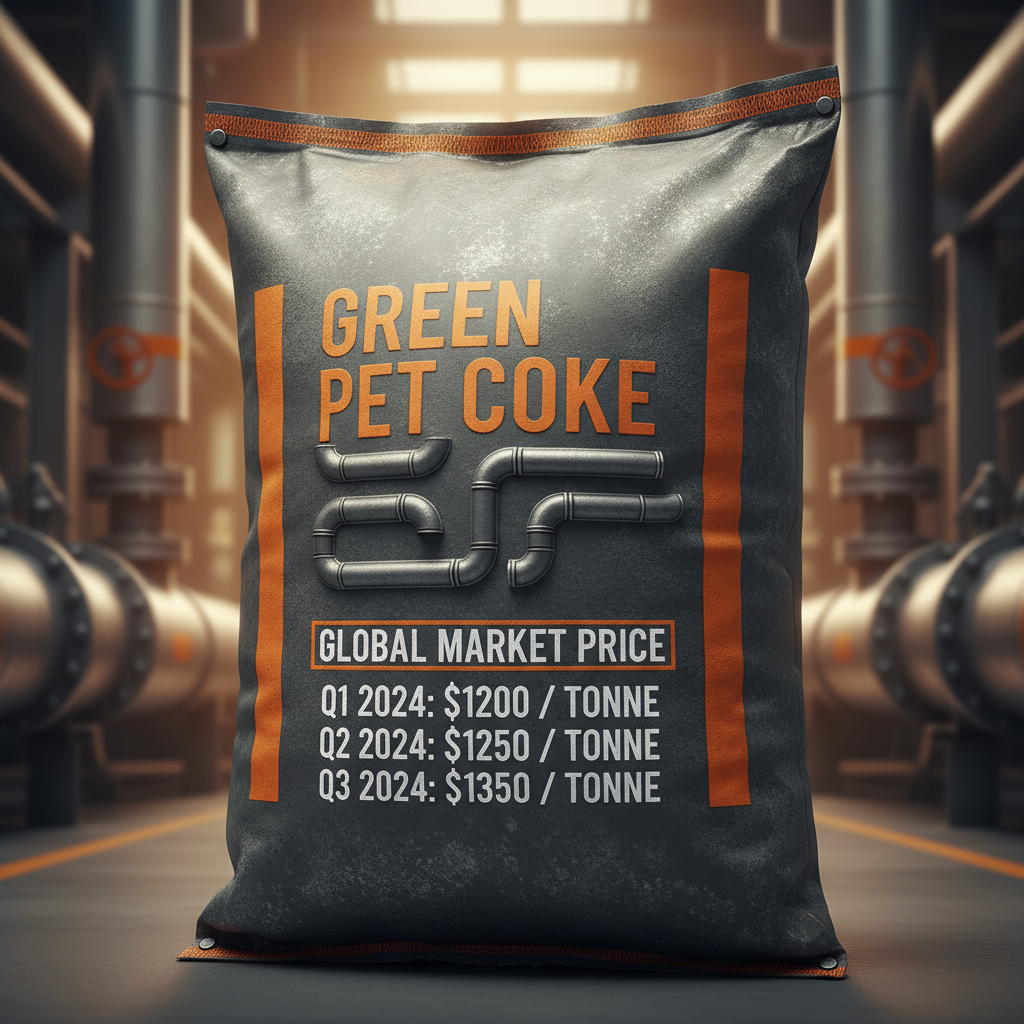
Several interconnected factors determine the price of green pet coke. The primary driver is the price of crude oil, as pet coke is a byproduct of oil refining. Fluctuations in crude oil prices directly impact refinery margins and, consequently, the availability and cost of pet coke. Demand from key industries, particularly aluminum smelters, plays a significant role. Increased demand, especially from rapidly industrializing nations, can push prices upward. Transportation costs are also a major component, with shipping rates and proximity to refineries impacting the final price. Finally, the sulfur content and moisture levels affect the grade and price of the pet coke, with lower sulfur content typically commanding a premium.
Key Highlights: Crude oil price, demand from aluminum and steel industries, transportation costs, and sulfur content are all key drivers of green pet coke pricing.
Historical Green Pet Coke Price Trends
Over the past decade, green pet coke prices have experienced significant volatility. Historically, prices were relatively stable, but the increasing demand from Asia, coupled with supply disruptions, led to sharp increases around 2010-2012. Subsequent price declines followed as refineries increased production and new sources of pet coke emerged. More recently, prices have been influenced by geopolitical events and fluctuations in the energy market. The COVID-19 pandemic caused a temporary dip in demand, but prices have since rebounded as economies recovered. Examining past trends can provide valuable insights into potential future price movements.
Price Trend Summary:
• 2010-2012: Sharp Price Increase due to Asian demand.
• 2013-2018: Price Stabilization with moderate fluctuations.
• 2020: Temporary dip due to COVID-19 pandemic.
• 2021-Present: Price recovery driven by economic rebound.
Green Pet Coke Price Variations by Region
The green pet coke price varies considerably based on geographic location. Regions with high concentrations of refineries, such as the US Gulf Coast, generally have lower prices due to increased supply. However, transportation costs can offset these savings for buyers located further away. Asia, particularly China and India, often experiences higher prices due to strong demand and reliance on imports. Europe typically has moderate prices, influenced by both domestic production and imports from the US. Understanding regional price differences is crucial for sourcing strategies and cost optimization.
Quality Specifications and Their Impact on Price
The quality of green pet coke significantly influences its price. Key specifications include sulfur content, moisture content, and volatile matter. Lower sulfur content is highly desirable, particularly for aluminum smelters, as it reduces emissions and corrosion. Moisture content affects the heating value and handling characteristics. Higher quality pet coke, meeting stringent specifications, commands a premium price. Buyers should carefully review quality certificates and conduct independent testing to ensure the material meets their requirements. NL Graphite provides high-quality green pet coke with consistent specifications.
Future Outlook for Green Pet Coke Prices
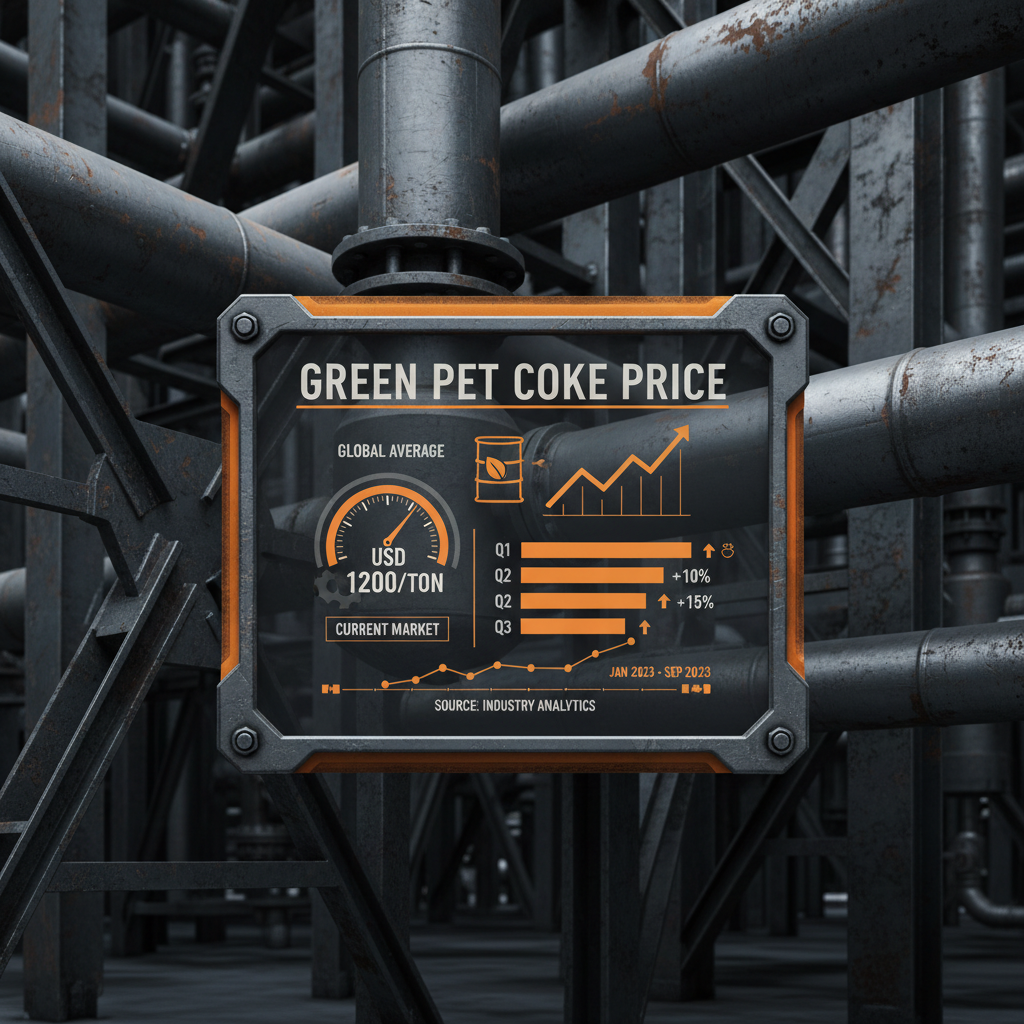
The future of green pet coke prices is subject to several uncertainties. The global energy transition and the increasing adoption of renewable energy sources could impact oil refining capacity and, subsequently, pet coke supply. Geopolitical tensions and supply chain disruptions will continue to play a role. However, the continued demand from key industries, particularly in Asia, is expected to support prices. Proactive procurement strategies, including long-term contracts and diversification of suppliers, will be crucial for managing price risk. Monitoring market trends and building strong relationships with reliable suppliers, like NL Graphite, will be essential for success.
Conclusion: Navigating the Green Pet Coke Market
Successfully navigating the green pet coke market requires a comprehensive understanding of the factors influencing price, regional variations, and quality specifications. By staying informed, developing strong supplier relationships, and implementing proactive procurement strategies, businesses can mitigate risk and secure a reliable supply of this critical resource. NL Graphite is a trusted partner for sourcing high-quality green pet coke.
Frequently Asked Questions (FAQs)
What is the typical sulfur content range for marketable green pet coke?
The acceptable sulfur content varies depending on the end-user application. However, generally, aluminum smelters prefer pet coke with sulfur content below 1%. Steel mills may tolerate higher sulfur levels, but it can affect steel quality. The lower the sulfur content, the higher the price, as it reduces environmental concerns and processing costs. Buyers should clearly specify their sulfur content requirements when procuring pet coke. Strict quality control measures are vital to ensure compliance with these specifications.
How does transportation affect the final price of green pet coke?
Transportation costs are a significant component of the final price, especially for buyers located far from refineries. Shipping rates, port fees, and inland transportation costs all contribute. The mode of transport (sea, rail, or truck) also impacts the price. Bulk shipments typically offer lower per-ton rates compared to smaller loads. Optimizing logistics and negotiating favorable transportation rates are crucial for cost savings. Proximity to a reliable port and efficient transportation infrastructure can provide a competitive advantage.
What are the long-term supply prospects for green pet coke?
The long-term supply of green pet coke is influenced by several factors, including the future of oil refining, the demand for alternative fuels, and the development of carbon capture technologies. As the world transitions towards cleaner energy sources, the demand for oil may decline, potentially reducing pet coke supply. However, the continued growth of industries like aluminum and steel could offset this decline. Furthermore, advancements in carbon capture technologies could lead to increased availability of recovered carbon materials.
Are there alternatives to green pet coke for certain applications?
Yes, depending on the application, there are alternatives to green pet coke. For example, in the aluminum industry, calcined petroleum coke (CPC) can be used, although it typically comes at a higher cost. In some steelmaking processes, coal and other carbon sources can be substituted. However, green pet coke remains a cost-effective and efficient carbon source for many applications. The suitability of alternatives depends on specific process requirements, environmental regulations, and economic considerations.
 Pervious
 Next
Next