

- Englist



Understanding the Pet Coke Manufacturing Process and Industrial Applications

Pet Coke Manufacturing Process: A Comprehensive Overview
Petroleum coke (pet coke) is a carbon-rich solid derived from the final stage of crude oil refining. It’s a crucial byproduct used in various industrial applications, including aluminum production, steel manufacturing, and power generation. Understanding the pet coke manufacturing process is vital for appreciating its quality, properties, and efficient utilization. This article provides a detailed exploration of the process, from feedstock to final product, highlighting key stages and quality control measures. We’ll explore how NL Graphite contributes to the efficient and responsible production of pet coke.
Feedstock and Initial Processing
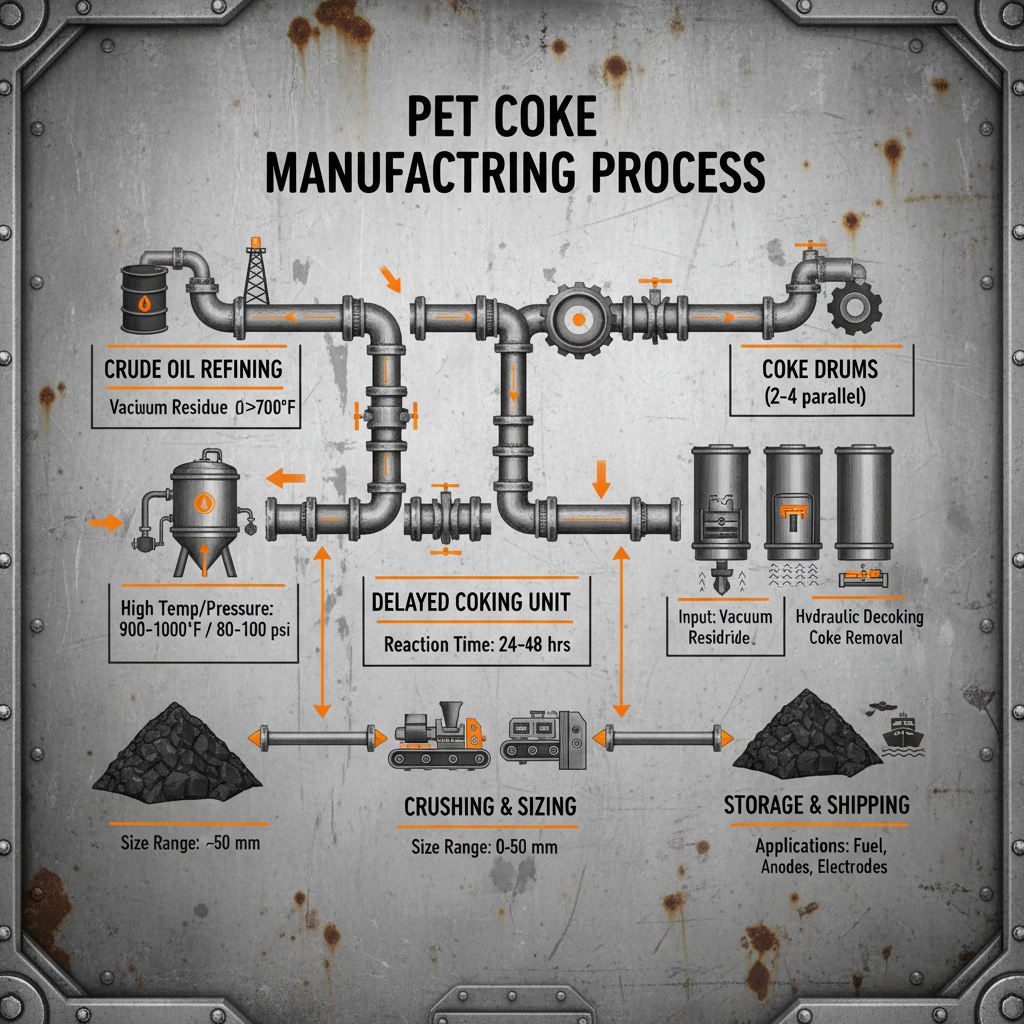
The primary feedstock for pet coke production is residue, the heaviest fraction remaining after crude oil distillation. This residue undergoes further processing in delayed coking units. Delayed coking involves heating the residue to high temperatures (around 480-520°C or 900-970°F) under low pressure. This thermal cracking process breaks down large hydrocarbon molecules into smaller ones, producing gaseous hydrocarbons and a solid carbonaceous material – green pet coke. This initial step is crucial as it determines the initial quality and yield of the final product. The type of crude oil used directly influences the characteristics of the resulting pet coke, impacting its sulfur content and other key properties.
Delayed Coking Unit Operation
The delayed coking process involves several key operations. The heated residue is transferred to large coke drums where it remains for an extended period (typically 24-36 hours) allowing the cracking reactions to complete. As the process progresses, the solid coke accumulates within the drum. Once the drum is full, steam is injected to cool the coke and strip out residual hydrocarbons. The coke is then cut into manageable pieces using high-pressure water jets and discharged from the drum. The recovered hydrocarbons are further processed and recycled back into the refining stream. The efficiency of the delayed coking unit is a critical factor in optimizing pet coke production.
Calcination: Enhancing Pet Coke Quality
Green pet coke, as it emerges from the coking drums, contains volatile compounds and has a high moisture content. To improve its handling characteristics and enhance its performance in various applications, it undergoes a calcination process. Calcination involves heating the green pet coke to significantly higher temperatures (typically 1000-1300°C or 1830-2370°F) in a rotary kiln or fluid bed calciner. This process drives off remaining hydrocarbons, reduces moisture content, and improves the coke's hardness and electrical conductivity. The duration and temperature of calcination are carefully controlled to achieve desired properties.
Calcination Benefits: Reduces volatile matter, lowers moisture content, increases hardness, enhances electrical conductivity, and improves handling characteristics.
Pet Coke Quality and Grade Classification
Pet coke is categorized into different grades based on its sulfur content, ash content, and metal content. Lower sulfur content is generally preferred, particularly for aluminum smelting applications. The American Society for Testing and Materials (ASTM) defines standards for pet coke quality. Common grades include Metallurgical Coke (low sulfur), Foundry Coke, and Fuel Grade Coke. The quality control process involves rigorous testing throughout the manufacturing process, ensuring compliance with industry standards. NL Graphite specializes in delivering high-quality pet coke meeting stringent specifications.
Handling and Storage of Pet Coke
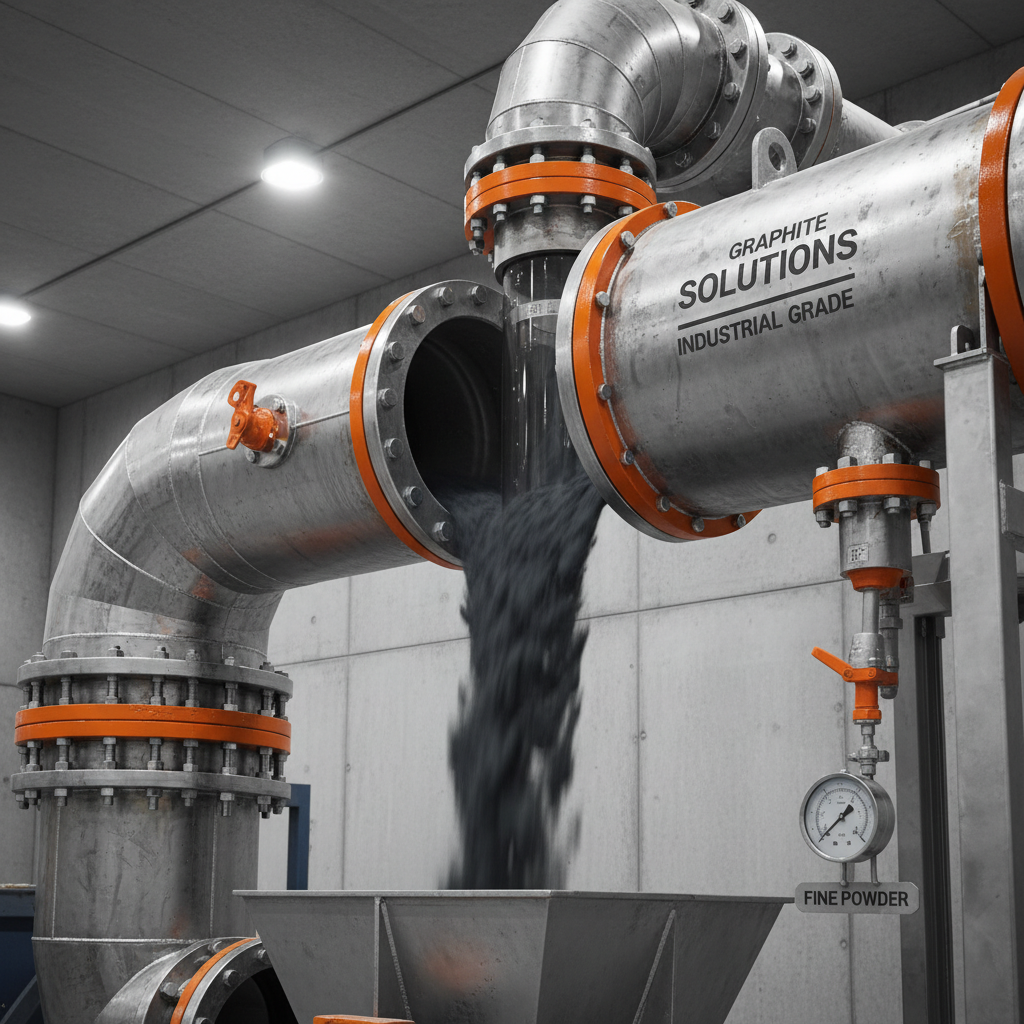
Due to its fine particle size, pet coke can generate dust during handling and storage. Proper dust control measures, such as enclosed conveyor systems and water sprays, are essential for mitigating environmental concerns and ensuring worker safety. Storage areas should be well-ventilated and protected from moisture. Pet coke is combustible, so it should be stored away from ignition sources. Safe handling practices are paramount throughout the entire supply chain, from manufacturing to end-user application.
Conclusion: A Vital Industrial Material
Understanding the pet coke manufacturing process highlights its importance as a valuable industrial material. From the initial cracking of residue to the final calcination and quality control, each stage plays a critical role in determining its properties and suitability for diverse applications. NL Graphite is committed to responsible pet coke production, delivering high-quality products and contributing to sustainable industrial practices.
Frequently Asked Questions (FAQs)
What are the primary applications of pet coke?
Pet coke finds widespread use in several industries. Its primary application is in the aluminum smelting industry as a carbon source for the Hall-Héroult process. It’s also utilized in steel manufacturing as a reducing agent and in power plants as a fuel source. Furthermore, it’s used in the production of titanium dioxide, cement, and various other industrial processes. The specific grade of pet coke required depends on the application, with the aluminum industry demanding the highest purity and lowest sulfur content.
What environmental considerations are associated with pet coke?
Pet coke handling and combustion can raise environmental concerns, primarily related to dust emissions and sulfur dioxide (SO2) release. Dust control measures are vital during handling and storage to minimize air pollution. When used as fuel, the sulfur content of the pet coke determines the amount of SO2 emitted, requiring appropriate emission control technologies. Responsible producers like NL Graphite focus on minimizing these impacts through efficient production processes and promoting responsible handling practices.
How does the sulfur content affect pet coke’s usability?
Sulfur content is a crucial parameter determining pet coke’s usability. Lower sulfur content is highly desirable, particularly for aluminum smelting, as sulfur can negatively impact the efficiency of the process and the quality of the aluminum produced. Higher sulfur content pet coke is generally used as fuel, but even in this application, sulfur emissions need to be managed. The grade of pet coke is largely determined by its sulfur level, influencing its market value and application.
 Pervious
 Next
Next