

- Englist


Exploring Solid Graphite Rods Applications Benefits and Optimal Performance

Understanding Solid Graphite Rods: Applications and Benefits
In the realm of industrial materials, solid graphite rods stand out for their unique properties and versatile applications. From EDM machining to semiconductor production, these rods play a critical role in various high-tech industries. This article will explore the characteristics, manufacturing processes, and diverse uses of solid graphite rods, highlighting their advantages and considerations for optimal performance. We’ll delve into why NL Graphite’s solid graphite rods are a trusted solution for demanding applications.
What are Solid Graphite Rods?
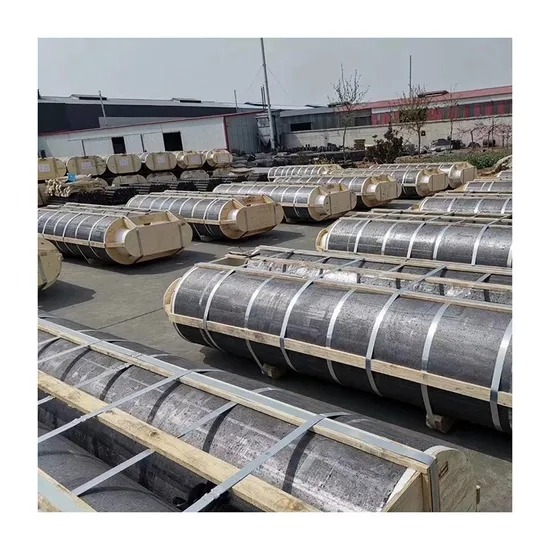
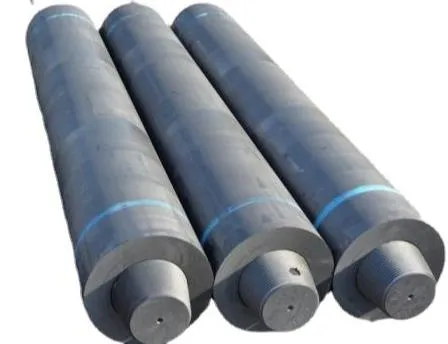
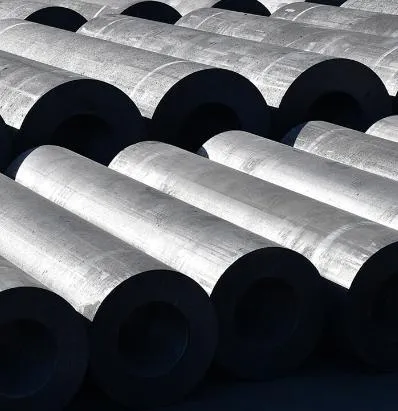
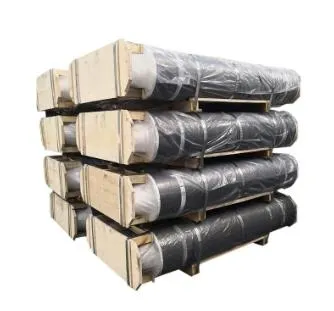
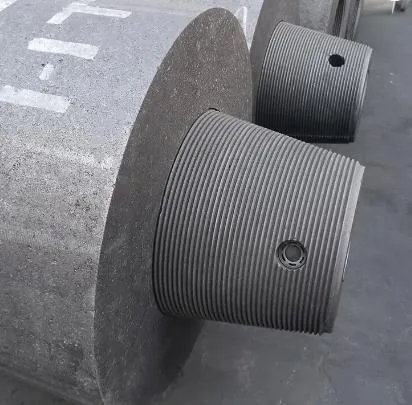
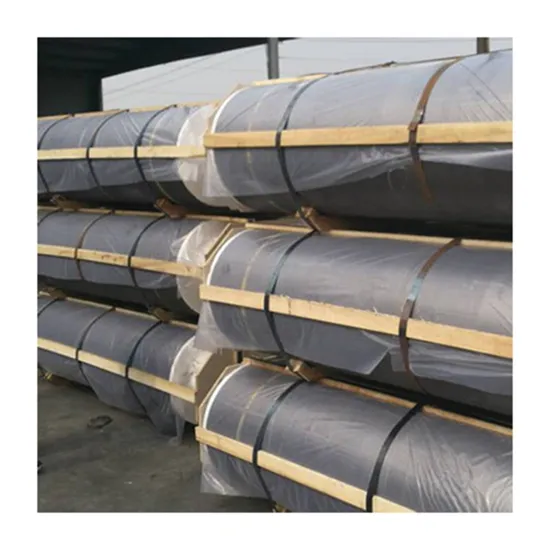
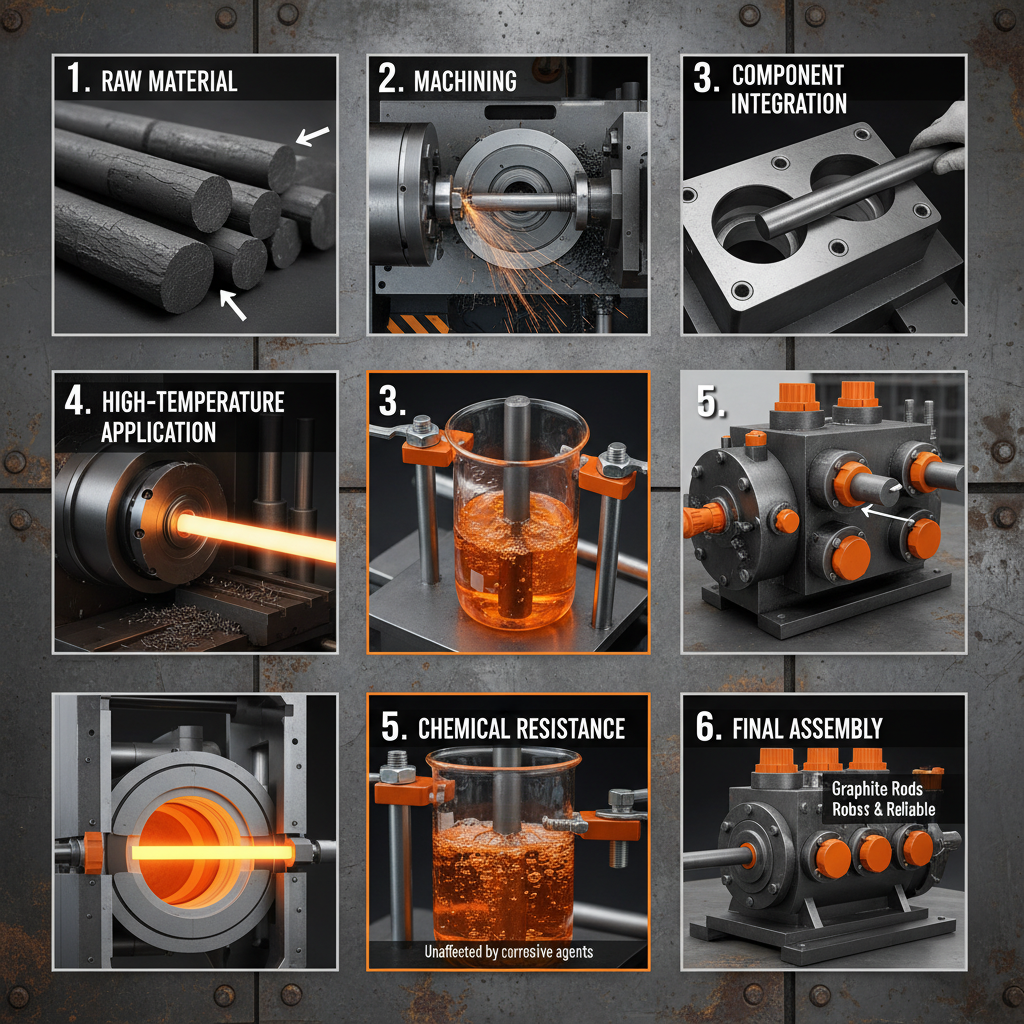
Solid graphite rods are cylindrical components manufactured from high-purity graphite. Graphite, a crystalline form of carbon, possesses exceptional properties like high thermal conductivity, electrical conductivity, self-lubrication, and resistance to thermal shock. These attributes make solid graphite rods ideal for applications where these characteristics are crucial. The manufacturing process typically involves molding graphite powder, compacting it under high pressure, and then sintering it at elevated temperatures to achieve the desired density and mechanical strength. The purity of the graphite used significantly influences the rod’s performance and suitability for specific applications.
Key Characteristics: High thermal conductivity, electrical conductivity, self-lubrication, and resistance to thermal shock are essential properties.
Key Applications of Solid Graphite Rods
The versatility of solid graphite rods leads to their utilization across diverse industries. A primary application is in Electrical Discharge Machining (EDM), where their high electrical conductivity and erosion resistance are paramount. They serve as electrodes to precisely shape metal components. In the semiconductor industry, they are used in crucible liners for crystal growing processes, benefiting from their high purity and resistance to chemical attack. Furthermore, they find use in continuous casting, molds, and as heating elements due to their excellent thermal properties. Another growing application is in the production of lithium-ion batteries as current collectors.
Application Areas:
• Electrical Discharge Machining (EDM)
• Semiconductor Crystal Growing
• Continuous Casting
• Lithium-ion Battery Production
Solid Graphite Rod Grades and Their Properties
Different applications demand different graphite grades. The key differentiators are purity, grain size, and density. Fine-grained graphite provides a smoother surface finish and better EDM performance, while high-density graphite offers superior strength and thermal conductivity. NL Graphite offers a range of grades tailored to specific needs, including grades optimized for EDM, crystal growing, and high-temperature applications.
Choosing the Right Solid Graphite Rod Supplier
Selecting a reliable supplier is crucial for ensuring consistent quality and performance. Consider factors like purity levels, dimensional tolerances, lead times, and technical support. A supplier with strong quality control procedures and the ability to customize products to specific requirements is highly desirable. NL Graphite is dedicated to providing high-quality solid graphite rods with precise specifications, backed by expert technical assistance.
Conclusion: The Importance of Quality Graphite Rods
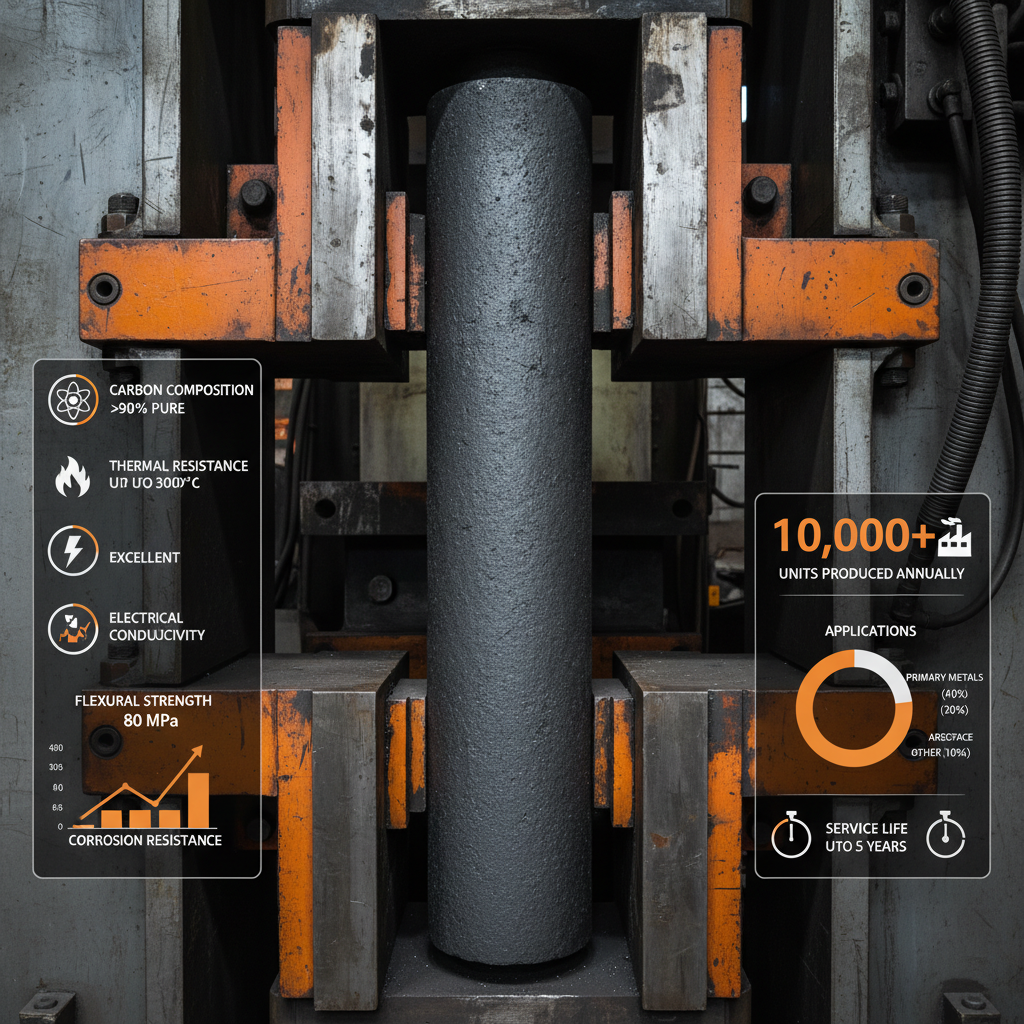
Solid graphite rods are indispensable components in numerous high-tech applications. Choosing the right grade and supplier, like NL Graphite, is critical for optimal performance, efficiency, and longevity.
Investing in quality graphite rods translates to improved production processes, reduced downtime, and enhanced product quality.
Frequently Asked Questions (FAQs)
What is the typical lifespan of a solid graphite rod used in EDM?
The lifespan of a solid graphite rod in EDM depends on several factors including the current used, the material being machined, and the rod's quality. Typically, a rod can last anywhere from a few hours to several weeks with proper maintenance and usage. Regular inspection for wear and tear is crucial, as is the use of appropriate flushing fluids to prevent overheating and erosion. Choosing a high-purity graphite rod with fine grain size will also contribute to a longer lifespan, as these materials erode more evenly. NL Graphite offers rods specifically engineered for prolonged EDM performance.
How is the grain size of graphite related to its performance?
Grain size significantly influences a graphite rod's performance. Fine-grained graphite typically offers a smoother surface finish during machining and improved erosion resistance in EDM applications. This is because smaller grains allow for more uniform erosion, leading to greater precision. Coarse-grained graphite, on the other hand, is generally stronger and more resistant to thermal shock, making it suitable for high-temperature applications. The optimal grain size depends on the specific application requirements.
Can solid graphite rods be machined or modified after purchase?
Yes, solid graphite rods can be machined and modified to specific dimensions and shapes. However, due to the brittle nature of graphite, specialized machining techniques and tools are required. It's important to use sharp tools and low cutting speeds to avoid chipping or fracturing the material. Common machining operations include cutting, drilling, and grinding. NL Graphite can also offer custom machining services to meet your precise needs.
 Pervious
 Next
Next