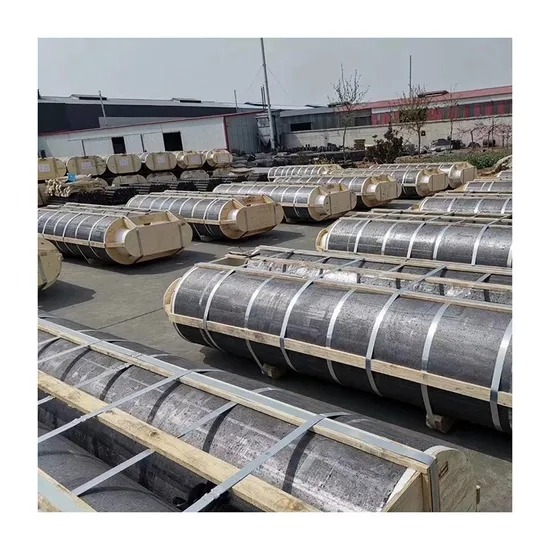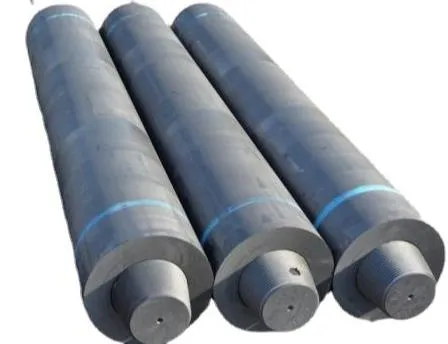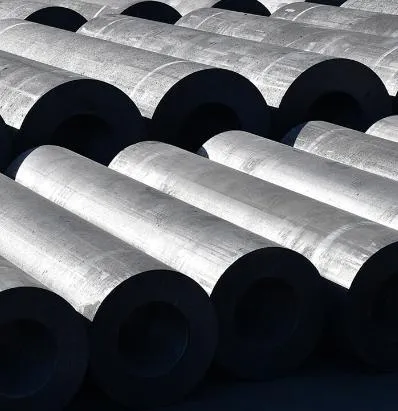
graphite blocks suppliers
search
Search
  • Englist
  • HOME
  • PRODUCTS
    • Petroleum Coke
    • Graphite Tube
    • Graphite Rod
    • Graphite Powder
    • Graphite Plate
    • Graphite Electrode
    • Graphite Crucible
    • Graphite Block
    • Electrode Paste
    • Cellulose Acetate Tow
    • Carburizing Agent
    • Graphite paper
  • ABOUT US
  • CASE
  • RESOURCES
    • Download
    • Video
  • FAQs
  • NEWS
  • CONTACT US
Search
Hit enter to search or ESC to close
graphite blocks suppliers
tel
Phone:
tel:+8615511858977
info@nalaibio.com
Email:
info@nalaibio.com
graphite blocks suppliers
  • HOME
  • PRODUCTS
    • Petroleum Coke
    • Graphite Tube
    • Graphite Rod
    • Graphite Powder
    • Graphite Plate
    • Graphite Electrode
    • Graphite Crucible
    • Graphite Block
    • Electrode Paste
    • Cellulose Acetate Tow
    • Carburizing Agent
    • Graphite paper
  • ABOUT US
  • CASE
  • RESOURCES
    • Download
    • Video
  • FAQs
  • NEWS
  • CONTACT US
English
Graphite Rods & Carbon Rods: A Comprehensive Comparison of Properties, Uses, and Selection

Graphite Rods & Carbon Rods: A Comprehensive Comparison of Properties, Uses, and Selection

Graphite Rods & Carbon Rods: A Comprehensive Comparison of Properties, Uses, and Selection Home News Graphite Rods & Carbon Rods: A Comprehensive Comparison of Properties, Uses, and Selection
share:


In industrial, laboratory, and manufacturing settings, carbon-based rods—graphite rods and carbon rods—are vital for tasks ranging from high-temperature heating to electrical conduction. Whether you’re clarifying carbon rod vs graphite core differences, diving into detailed carbon rod vs graphite rod performance comparisons, evaluating carbon vs graphite rod for specific applications, understanding graphite rod material composition, or weighing graphite rod vs carbon for cost and efficiency, this guide helps you make informed choices. These rods, while both carbon-based, have distinct properties that tailor them to unique needs, ensuring optimal performance in every scenario.

Carbon Rod vs Graphite: Core Differences in Composition and Structure


To start, carbon rod vs graphite begins with their fundamental composition and atomic structure—two factors that define their performance. Carbon rods are typically made from amorphous or partially graphitized carbon (e.g., pressed and baked coal tar pitch or carbon black), with a disorganized atomic arrangement. This structure gives them high density but low conductivity and brittleness at extreme temperatures.


Graphite rods, by contrast, are composed of highly ordered graphite—a crystalline form of carbon where atoms are arranged in hexagonal layers. This layered structure is what sets carbon rod vs graphite apart: graphite’s layers slide easily (enabling lubricity) and allow electrons to move freely (boosting conductivity). For example, a carbon rod used in basic arc welding relies on its high density to withstand melting, while a graphite rod in a laboratory furnace leverages its ordered structure for uniform heat distribution. Understanding this core difference—amorphous vs. crystalline carbon—is key to recognizing why graphite rods excel in precision applications, while carbon rods suit cost-sensitive, low-demand tasks.

Carbon Rod vs Graphite Rod: Detailed Performance and Application Comparisons


Carbon rod vs graphite rod is a critical comparison for industries prioritizing performance, as their differences in conductivity, temperature resistance, and durability directly impact results. Carbon rods have moderate electrical conductivity (10–30 S/m) and can withstand temperatures up to 1,200°C, but they tend to oxidize quickly at high heat and are prone to cracking under thermal shock. This makes them ideal for low-intensity tasks like basic heating elements in small appliances or as electrodes in simple electroplating setups.

Carbon Rod vs Graphite Rod: Performance in High-Temperature Scenarios

A key carbon rod vs graphite rod distinction shines in high-temperature environments. Graphite rods, with their crystalline structure, tolerate temperatures up to 3,000°C in inert atmospheres (e.g., argon or nitrogen) and retain conductivity even at extreme heat—critical for applications like semiconductor manufacturing, where precise heating is non-negotiable. They also resist thermal shock: a graphite rod can be heated from room temperature to 1,500°C and cooled rapidly without cracking, unlike a carbon rod that would shatter. For instance, in a laboratory’s atomic absorption spectrometer, a graphite rod’s thermal stability ensures accurate sample analysis, while a carbon rod would degrade, skewing results. This high-temperature resilience makes graphite rods the top choice for aerospace, electronics, and metallurgy, where carbon rod vs graphite rod performance gaps are most impactful.

Carbon vs Graphite Rod: Choosing Based on Application Needs


When evaluating carbon vs graphite rod, application requirements—from conductivity to cost—dictate the right choice. Carbon rods are cost-effective (typically 30–50% cheaper than graphite rods) and work well for low-precision, short-term tasks. For example, in hobbyist metalworking, a carbon rod suffices for small-scale arc welding, as its lower cost offsets its shorter lifespan. In disposable devices like smoke detectors, carbon rods act as simple electrodes, where performance demands are minimal.


Graphite rods, however, are indispensable for applications requiring precision, durability, or high performance—making carbon vs graphite rod a clear choice here. In solar panel production, graphite rods conduct electricity uniformly to deposit thin films on panels, ensuring consistent energy output. In foundries, graphite rods stir molten metals without reacting (thanks to their chemical inertness), while carbon rods would dissolve or contaminate the metal. Even in everyday items like lithium-ion batteries, graphite rods (as anodes) use their layered structure to store lithium ions, a job carbon rods can’t perform due to their disorganized structure. When application success depends on reliability, carbon vs graphite rod leans firmly toward graphite.

Graphite Rod Material: Composition and How It Shapes Performance


Graphite rod material is a defining factor in its performance, as the type of graphite and manufacturing process directly impact properties like purity, density, and conductivity. Most graphite rods are made from two primary materials: natural graphite (mined and processed to remove impurities) and synthetic graphite (produced by graphitizing petroleum coke or coal tar pitch at 2,500–3,000°C).

Graphite Rod Material: Key Properties Shaping Application

Natural graphite-based rods offer high lubricity and moderate conductivity, making them ideal for applications like mold release agents or low-temperature heating. Synthetic graphite rods, with higher purity (99.9% carbon vs. natural graphite’s 90–95%), excel in high-tech fields: semiconductor manufacturers use synthetic graphite rod material for its ultra-low impurity content (preventing chip contamination), while aerospace engineers rely on its high strength-to-weight ratio for satellite components. Manufacturing processes also matter: isostatically pressed graphite rods (formed under uniform pressure) have higher density and uniformity than extruded ones, making them suitable for precision machining. Understanding graphite rod material helps you match the rod to your needs—whether it’s cost-saving natural graphite for basic tasks or high-purity synthetic graphite for critical applications.

Graphite Rod vs Carbon: Balancing Cost, Durability, and Efficiency
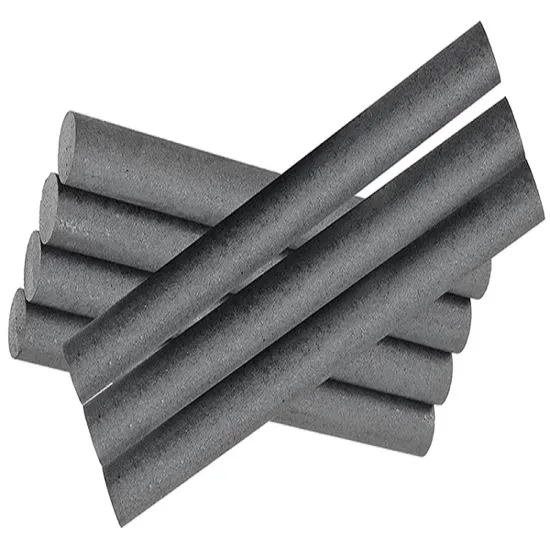
Graphite Rods & Carbon Rods: A Comprehensive Comparison of Properties, Uses, and Selection

Finally, graphite rod vs carbon comes down to balancing three factors: cost, durability, and efficiency. Carbon rods have a lower upfront cost, but their shorter lifespan (often 1–3 months in regular use) and higher maintenance needs (e.g., frequent replacement due to oxidation) can increase long-term expenses. For small businesses or one-time projects, this tradeoff may be acceptable—for example, a local metal shop using carbon rods for occasional repairs saves on initial costs.


Graphite rods, while more expensive upfront, offer longer lifespans (6–12 months in regular use) and lower maintenance. Their resistance to oxidation and thermal shock means fewer replacements, reducing downtime and total cost of ownership. In large-scale operations like aluminum smelting, where rods are used 24/7, graphite rod vs carbon efficiency is clear: graphite rods last longer, maintain consistent performance, and avoid costly production halts. Even in laboratory settings, the reliability of graphite rods—where a single failed rod could ruin an experiment—justifies the higher cost. When evaluating graphite rod vs carbon, it’s critical to look beyond upfront price and consider long-term value.

Graphite Rod & Carbon Rod FAQs


1. When comparing carbon vs graphite rod, how do I choose for my application?

Focus on your core needs: choose a carbon rod for cost-sensitive, low-precision tasks (e.g., hobby welding, disposable electrodes) where short lifespan is acceptable. Opt for a graphite rod for high-temperature, precision, or long-term use (e.g., lab analysis, semiconductor manufacturing) where conductivity, stability, and durability matter—this is where carbon vs graphite rod performance gaps make graphite the better choice.

2. What defines graphite rod material, and how does it affect performance?

Graphite rod material is either natural graphite (cost-effective, lubricious) or synthetic graphite (high-purity, high-strength). Natural graphite suits basic tasks like mold lubrication, while synthetic graphite—processed at high temperatures for ordered structure—works for critical applications (e.g., batteries, semiconductors) where impurities or brittleness would cause failure. Manufacturing processes (e.g., isostatic pressing) also boost density and uniformity for precision use.

3. In carbon rod vs graphite rod, which is more 耐高温 (heat-resistant)?

Graphite rods are far more heat-resistant: they tolerate up to 3,000°C in inert environments, while carbon rods max out at 1,200°C. Graphite also resists thermal shock (no cracking from rapid temperature changes), unlike carbon rods, which are brittle at high heat. This makes graphite rods essential for high-temperature tasks like metal smelting or lab furnaces.

4. How does electrical conductivity differ in carbon rod vs graphite?

Graphite rods have much higher electrical conductivity (1,000–2,000 S/m) due to their crystalline, layered structure (electrons move freely between layers). Carbon rods, with amorphous carbon, have low conductivity (10–30 S/m). For applications needing reliable conduction (e.g., battery anodes, solar panels), graphite rods are superior—carbon rod vs graphite conductivity differences are too significant for carbon to compete here.

5. Is there a cost difference between graphite rod vs carbon?

Yes—carbon rods are 30–50% cheaper upfront than graphite rods. However, graphite rods last 2–4 times longer and require less maintenance, so their long-term cost is often lower. For example, a carbon rod costing $5 may need replacement every month, while a $10 graphite rod lasts 3 months—saving money over time. Consider graphite rod vs carbon total cost of ownership, not just initial price.


From clarifying carbon rod vs graphite basics to evaluating graphite rod material for specific needs, graphite rods and carbon rods each have unique strengths. By matching their properties to your application—whether cost, heat resistance, or conductivity—you ensure optimal performance and value. For precision, durability, and high-temperature tasks, graphite rods stand out; for budget-friendly, low-demand use, carbon rods deliver. This guide empowers you to make the right choice, turning carbon-based rods into assets for your operations.
Pervious Pervious
Graphite Blocks: Unveiling Their Multifaceted Applications, Material Qualities, and Sourcing Options
Next Next
Specialized Graphite Powders: Tailored Varieties for Industrial Precision and Performance
Product Categories
  • Carburizing Agent
    • Supply Low Sulphur Carbon Additive 90% Carbon Content Recarburizer Carburizing Agent
    • High Absorption Rate Carburizing Agent for Cast Iron
    • High Purity Recarburizer/Carburizing Agent for Steelmaking
    • Calcined Anthracite Coal Carburizing Agent for Competitive Price
    • Spherical Graphite Carburant Gray Cast Iron Carburizing Agent
    • Customized Size 3-8mm Carburizing Agent for Foundry Casting
    • China Carburizing Agents for Carburizing & Deoxidizing
  • Cellulose Acetate Tow
    • Made in China Cellulose Acetate Tow 3.0y/30000 Cellulose Acetate Tow for Producing Filter Rod
    • High Quality Filter Rod Long Fiber 4.5y/30, 000 Cellulose Acetate Tow
    • White Cellulose Acetate Tow Made in China
    • 2.5y30000, 3.0y30000 Acetate Tow 4.0y35000, 5.0y30000 Cellulose Acetate Tow
    • High Quality Hot Sell White Fiber Cellulose Acetate Tow
    • Hot Sell for Filter Rods Cellulose Acetate 100% Tow
    • Hot Selling Multi Size Cellulose Acetate Tow for Filter Rods
    • Cellulose Acetate Tow 7.3y/36, 000 for Filter Rods
  • Electrode Paste
    • Electrode Paste for Electric Furnace Self Baking Carbon Paste
    • Nalai Carbon Electrode Paste for Smelting/Ferrosilicon Furnace
    • Ash 3 Max Graphite Electrode Paste for Calcium Silicon
    • China Manufacturer Carbon Anode Paste for Electrode Paste of High Quality
    • Self Baking Electrode Carbon Soderberg Electrode Paste Briquettes Anode Sealed Paste
    • Low Resistivity Electrode Paste for Ferro Alloy Furnaces Carbon Electrode Paste
    • China Carbon Electrode Paste for Smelting Cylinder Trapezoid Oval Shape Briquette Carbon Electrode Paste
  • Graphite Block
    • High Density Unmachined Graphite Block for Casting Sand Turning Compression Mold
    • High Density Isostatic Graphite Block with Large Size
    • Good Price EDM Industry Isostatic Graphite Blocks
    • High Purity Graphite Block for Fluorine Electrolysis
    • Manufacturers for Germany and Japan Isostatic Pressing Graphite Block
    • Good Thermal Shock Resistance Graphite Block for Photovoltaic Industry High Temperature furnace Application
    • Isostatic Pressing Graphite High Purity Carbon Graphite Block of Good Price
    • High Temperature Resistant Graphite Block Electrolysis Graphite Block
  • Graphite Crucible
    • Graphite Crucible for Gold Jewelry Casting & Recasting
    • 99% High Purity Carbon Graphite Crucible for Metal Melting Refining Furnace
    • Different Types Graphite Crucible Cup for Melting Metal
    • Durable Carbon Bonded Silicon Carbide Crucible with Lid
    • High Heat Conduction Graphite Crucible Custom Graphite Crucible for Gasify Aluminum
    • Custom Graphite Crucible for Induction Heating and Melting
    • 99.95% Graphite Crucible High Carbon Crucible for Vacuum Coating
    • High Strength High Temperature Resistance Double Ring Graphite Crucible
    • High Density Metal Melting Caly Graphite Crucible for Vacuum Evaporation Coating
    • High Electrical and Thermal Conductivity Clay Graphite Crucible
  • Graphite Electrode
    • Supply Steel Industry Using Graphite Electrode UHP450 UHP500mm
    • Electrode Graphite UHP 500mm 600mm for Eaf Lf Furnace Graphite
    • Graphite Electrode for Oxidation Resistance UHP 200mm 300mm 400mm 500mm
    • Hot Sale HP Graphite Electrode Good Quality UHP Graphite Electrode
    • RP HP UHP 250mm 300mm/350mm/400mm/450mm Graphite Electrode for Steel Making
    • Eaf Wholesale Electrode Stick Customized Wear Resistance Carbon Graphite Electrode
    • Nl-Ge026 Wholesale Top Quality Competitive Durable Carbon Graphite Electrode
    • Nl-Ge026 Wholesale Top Quality Competitive Durable Carbon Graphite Electrode
    • Nl-Ge018 RP HP UHP Graphite Electrodes with Nipples for Steel Production Line
    • Direct Sale Multi-Sizes High Purity High Pure Natural Carbon Electrode Graphite
    • High Resistance to Oxidation Competitive Price Smelting Steel Graphite Electrodes
    • Nl13 400mm Graphite Electrode Arc Furnace Carbon Electrode Graphite Electrode for Eaf
  • Graphite Plate
    • High Strength Quality Impermeable Graphite Plate
    • Self-Lubricating Graphite Plate for Water Treatment Used for EDM Industry
    • China Lubricity and High Temperature Resistance Graphite Plate
    • Good Quality Graphite Sheet Customized Carbon Graphite Plate for Industry
    • Cathode Graphite Plate for Water Treatment
  • Graphite Powder
    • High Carbon Graphite Powder/Graphite Particle/Graphite Powder
    • Graphite Powder Flake Expanded Graphite Powder for Conductive Coatings Synthetic Graphite Powder
    • Ultrafine Conductive Graphite Powder for High Temperature Coatings
    • Graphite Raw Material Powder Wholesale Natural Graphite Powder for Lithium Battery Anode Material
    • Tob High Purity Natural Graphite Powder for Lithium Battery Anode Raw Material
    • Artificial Graphite Powder Price for Lithium Ion Battery Anode Materials
  • Graphite Rod
    • Low Electric Resistivity High Carbon Graphite Rod for Vacuum Furnace Heat Treating
    • High Purity Graphite Carbon Rod Fine Grain Graphite Rod Density 1.82g/cm3
    • High Quality Graphite Rod Stir Bar Long Carbon Stirring Sticks for Melting Cast
    • Hot Sale High Density Pure Graphite Rod Carbon Graphite Rod
    • Factory Supply High Quality Graphite Rod with High Carbon Content and Exceptional Heat and Electrical Conductivity
    • Graphite Rod Grained Rod That Is Machinable and Rated to a High Temperature (2400º C Heat Treating)
  • Graphite Tube
    • High Purified Graphite Product Graphite Tubes From Factory
    • High Purity Graphite Tube 1.72g/cm3 Density Medium Fine Grain Pyrolytic Graphite Tube
    • Graphite Pipe Carbon Graphite Tube Graphite Die Tube
    • Pipe Machiined Parts High Density Graphite Tube Graphite Materials
    • Graphite Tube for Heat Exchanger
    • Graphite Tube Use for Ferrous and Other Non-Ferrous Metal Transferring
    • High Quality High Purity Customized Graphite Tube
  • Petroleum Coke
    • Low Sulphur Recarburizer Graphite Petroleum Coke for Glass Sheet Pencil Lead Clay Bricks
    • 0.2-2mm 1-2mm Calcined Petroleum Coke with Good Price
    • Graphite Recarburizer Recarburizing Agent Carburetant Used for Casting
    • Carburant or Carburetant for Casting and Metallurgical Industry, Particles Size Customizable
    • Factory Price Coke Fuel Graphite Calcined Petroleum Coke Manufacturer
    • Petroleum Coke Products Natural High Carbon Low Sulphur Petroleum Coke
    • The Global Sale of High Carbon and Low Sulfur Graphitized Petroleum Coke
  • Graphite paper
    • Graphite Paper Chinese Manufacture High Quality
    • Thermal Conductive Graphite Paper in China
    • High Thermal Conductivity Low Thermal Resistance Flexible Graphite Paper
    • Thickness 0.2-1mm High Electric Conductivity Graphite Paper
Related Products
Nl-Ge026 Wholesale Top Quality Competitive Durable Carbon Graphite Electrode
View Details +
Manufacturer High Carbon UHP/High Power/RP Graphite Electrode 100 200 300 400 500 600 700mm
View Details +
Manufacturer Supply Eaf UHP 350mm Graphite Electrode with 4tpi Nipple
View Details +
Electrode UHP/HP/RP Dia 300mm 400mm 500mm Graphite Electrode with Nipple
View Details +
Produce Graphite Electrodes Use for Electric Arc Furnace Ladle Furnace
View Details +
Graphite Electrode for Oxidation Resistance UHP 200mm 300mm 400mm 500mm
View Details +
Related News
Professional Graphite Powder Supplier for Industrial Excellence
Apr . 16, 2026 Professional Graphite Powder Supplier for Industrial Excellence
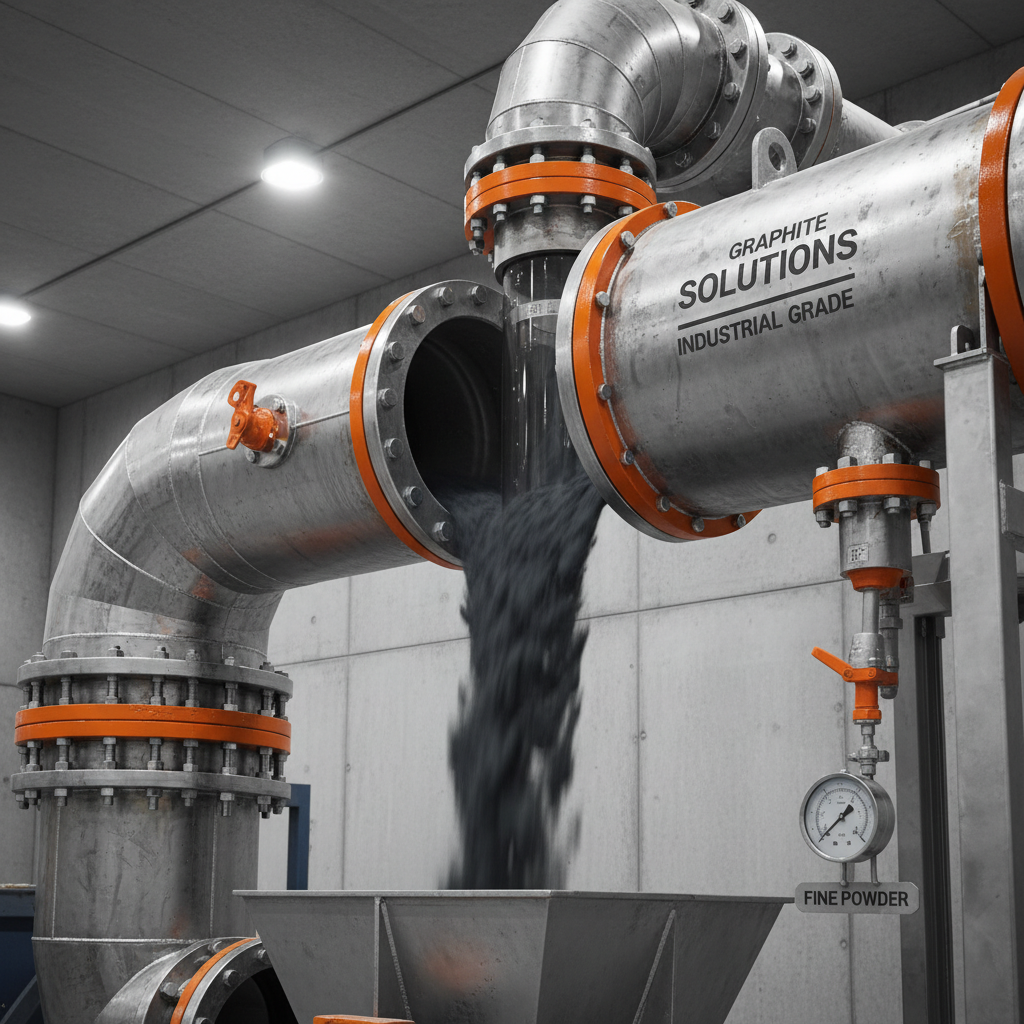
In the modern industrial landscape, the quality of raw materials often dictates the success of the final product. For sectors ranging from lubrication and metallurgy to battery technology, partnering with a reliable graphite powder supplier is not just a procurement choice, but a strategic advantage. High-purity graphite powder provides essential properties such as superior electrical conductivity, thermal stability, and an incredibly low coefficient of friction. However, with numerous options in the global market, distinguishing a premium supplier from a mediocre one requires a deep understanding of material grades and quality control standards.
Reliable Graphite Powder Manufacturer for Industrial Applications
Apr . 16, 2026 Reliable Graphite Powder Manufacturer for Industrial Applications
In the modern industrial landscape, the quality of raw materials can make or break the efficiency of a production line. Finding a reliable graphite powder manufacturer is essential for businesses requiring high-performance lubricants, conductive additives, or heat-resistant materials. Graphite powder, known for its exceptional lubricity and thermal conductivity, serves as a cornerstone in everything from automotive parts to advanced electronics. Selecting a partner who understands the nuance of particle size distribution and purity levels ensures that your end product meets rigorous international standards. In this guide, we will explore the critical factors to consider when sourcing graphite

High Performance Lubrication Guide for Micronized Graphite
Apr . 16, 2026 High Performance Lubrication Guide for Micronized Graphite
In the world of industrial materials, precision is everything. micronized graphite represents the pinnacle of carbon engineering, offering an ultra-fine powder form of graphite that provides exceptional lubricating and conductive properties. Unlike standard graphite, the micronized version is processed to achieve a specific, consistent particle size, making it indispensable for high-tech applications where friction reduction and thermal management are critical. Whether you are formulating advanced lubricants or enhancing composite materials, understanding the nuances of this material is key to optimizing your product's performance. In this guide, we will explore the technical advantages and diverse industrial applications of this versatile material.

Industrial Applications and Properties of graphite fine powder
Apr . 16, 2026 Industrial Applications and Properties of graphite fine powder
In the world of industrial materials, graphite fine powder serves as a cornerstone for innovation across countless sectors. Known for its exceptional electrical conductivity, thermal stability, and self-lubricating properties, this versatile carbon material is essential for everything from high-tech batteries to heavy-duty machinery. Understanding the nuances of particle size, purity, and grade is critical for engineers and procurement specialists aiming to optimize performance in their final products. In this comprehensive guide, we will explore the technical advantages and diverse industrial roles of this remarkable powder.

Expandable Graphite Powder Properties and Industrial Applications
Apr . 16, 2026 Expandable Graphite Powder Properties and Industrial Applications
In the realm of advanced material science, expandable graphite powder has emerged as a revolutionary additive for thermal management and fire safety. Known for its unique ability to expand significantly when exposed to heat, this material transforms from a dense powder into a voluminous, porous structure known as worm-like graphite. This expansion creates an insulating layer that protects underlying substrates from extreme temperatures. Whether you are developing next-generation flame retardants or high-performance thermal interface materials, understanding the nuances of this material is essential for achieving optimal industrial results.
Industrial Guide to High Performance dry graphite lubricant powder
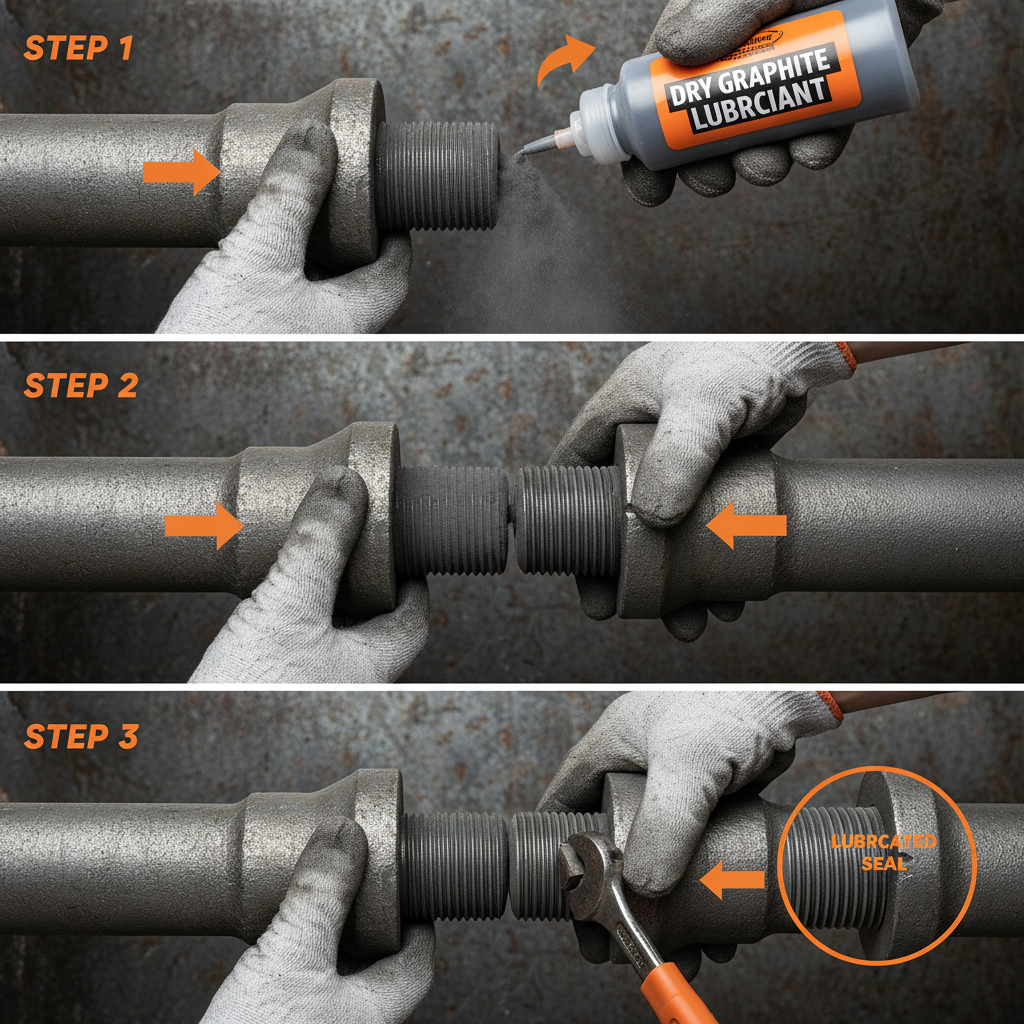
Apr . 16, 2026 Industrial Guide to High Performance dry graphite lubricant powder
In the world of high-performance machinery and precision engineering, reducing friction is the key to longevity and efficiency. dry graphite lubricant powder has emerged as a superior alternative to traditional oil-based lubricants, especially in environments where cleanliness and extreme temperature resistance are critical. Unlike wet lubricants, dry graphite creates a stable, low-friction film that doesn't attract dust or debris. This article explores the technical advantages, versatile applications, and strategic benefits of integrating high-purity graphite powders into your maintenance routine to ensure seamless operation and reduced downtime.
Industrial Efficiency Guide for Graphite Lubricant Powder Use
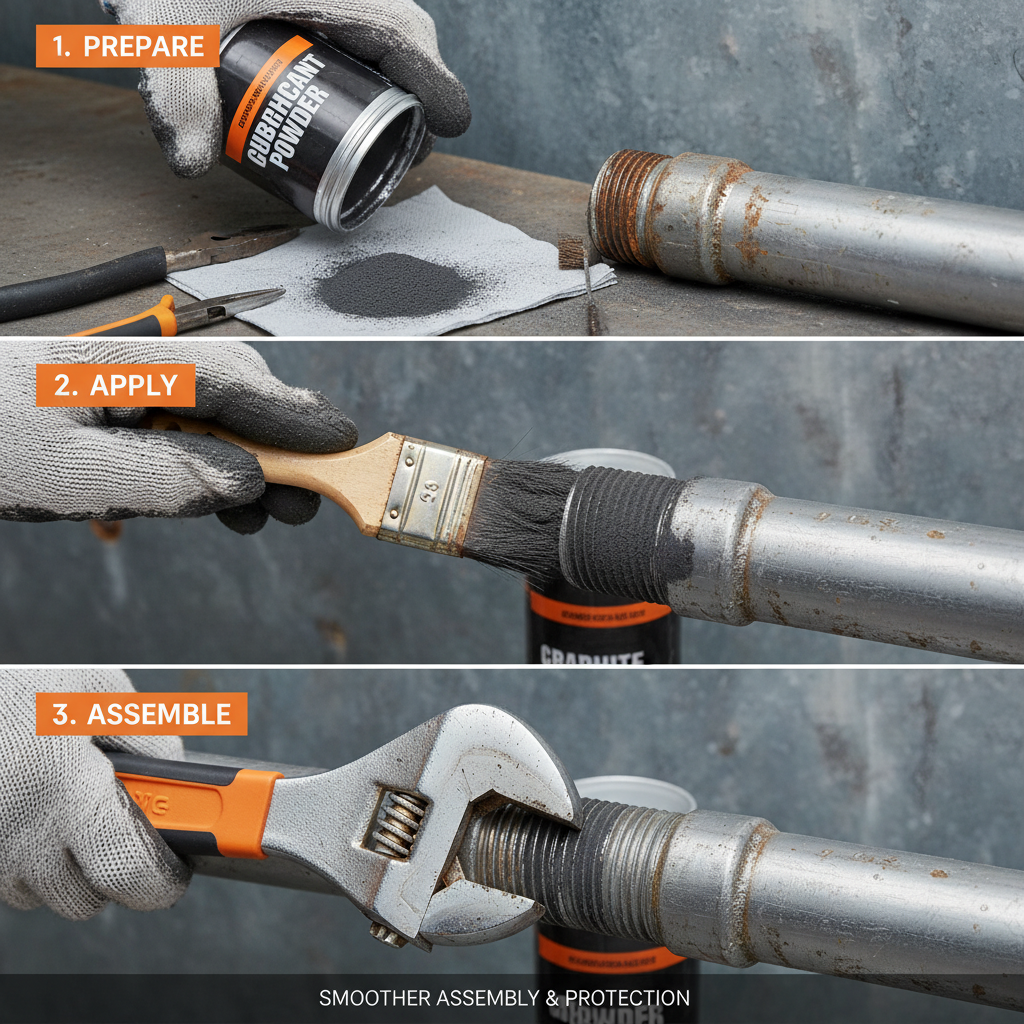
Apr . 16, 2026 Industrial Efficiency Guide for Graphite Lubricant Powder Use
In the world of industrial maintenance and high-performance machinery, reducing friction is the key to longevity and operational efficiency. graphite lubricant powder has emerged as a superior dry lubrication solution, offering unmatched stability in environments where traditional oils and greases fail. Whether you are dealing with extreme temperatures or vacuum conditions, this specialized powder provides a sleek, protective layer that prevents wear and tear. In this comprehensive guide, we will explore why graphite is the gold standard for dry lubrication and how to choose the right grade for your specific industrial application.

Expanded Graphite Properties Applications and Industrial Guide
Apr . 16, 2026 Expanded Graphite Properties Applications and Industrial Guide
In the realm of advanced materials, expanded graphite has emerged as a versatile powerhouse, offering unparalleled thermal and electrical properties. Through a process of intercalation and thermal expansion, natural graphite is transformed into a worm-like structure with a significantly increased surface area and lower density. This unique morphology makes it indispensable in industries ranging from energy storage to fire protection. Whether you are looking to improve heat dissipation in electronics or enhance the safety of architectural coatings, understanding the nuances of this material is key to optimizing your product's performance. In this guide, we will explore why this material is becoming the gold standard

graphite electrode manufacturers
Shijiazhuang nalai biotechnology Co., Ltd is a professional manufacturer in integrating design, development, trial and production. Our main products are graphite electrode, graphite rod, graphite block, graphite crucible., with 30 technicians and 360 skilled workers, and has a strict quality control system.
Products
Graphite paper
Petroleum Coke
Graphite Tube
Graphite Rod
Graphite Powder
Graphite Plate
Graphite Electrode
Graphite Crucible
Graphite Block
Electrode Paste
Cellulose Acetate Tow
Carburizing Agent
QUICK LINKS
Case
Download
Video
FAQs
News
Contact Us
Contact Us
Tel: 8615511858977
E-mail: info@nalaibio.com
Qiujingyiyuan,No.189,east2ndringnorthroad,chang'andistrict,shijiazhuang,hebeiprovince
shar_03.webp1 shar_03.webp2 shar_03.webp3 shar_03.webp4 shar_03.webp5 shar_03.webp6
Copyright © 2026 Shijiazhuang nalai biotechnology Co., Ltd All Rights Reserved. Sitemap | Privacy Policy | Top Blog | Global Service
graphite electrode manufacturers
Lorem ipsum dolor sit amet, cons aring elit sed dllao the eimod tempor inciunt ullaco laboris aliquip alora tempor inciunt temporin.Lorem ipsum dolor sit amet,Lorem ipsum dolor sit amet, cons aring elit
PRODUCTS
  • Petroleum Coke
  • Graphite Tube
  • Graphite Rod
  • Graphite Powder
  • Graphite Plate
  • Graphite Electrode
  • Graphite Crucible
  • Graphite Block
  • Electrode Paste
  • Cellulose Acetate Tow
  • Carburizing Agent
  • Graphite paper
ABOUT US
CASE
RESOURCES
  • Download
  • Video
FAQs
NEWS
CONTACT US
CONTACT US
  • Tel: +8615511858977
  • E-mail: info@nalaibio.com
  • Address: Qiujing yiyuan , No. 189, east 2nd ring north road, chang'an district, shijiazhuang, hebei province
Social Media
shar_03.webp1 shar_03.webp2 shar_03.webp3 shar_03.webp4 shar_03.webp5 shar_03.webp6
Copyright © 2026 Shijiazhuang nalai biotechnology Co., Ltd All Rights Reserved. Sitemap | Privacy Policy | Top Blog | Global Service
  • aside
    wx11
  • aside
    info@nalaibio.com,info@nalaibio.com
  • aside
  • aside
  • Read phone
  • Read email
  • Read whatsapp
  • go to top

If you are interested in our products, you can choose to leave your information here, and we will be in touch with you shortly.