

- Englist



Understanding Pet Coke Price Per Ton Dynamics and Market Trends

Understanding the Pet Coke Price Per Ton
Petroleum coke, or “pet coke,” is a carbon-rich byproduct of oil refining. Its price per ton is a critical factor for industries like cement manufacturing, aluminum production, and power generation. This article will delve into the factors influencing pet coke pricing, current market trends, regional variations, and what buyers need to know to navigate this complex market. Understanding these dynamics is essential for effective cost management and procurement strategies. NL Graphite is a trusted supplier delivering quality pet coke solutions.
Factors Influencing Pet Coke Price
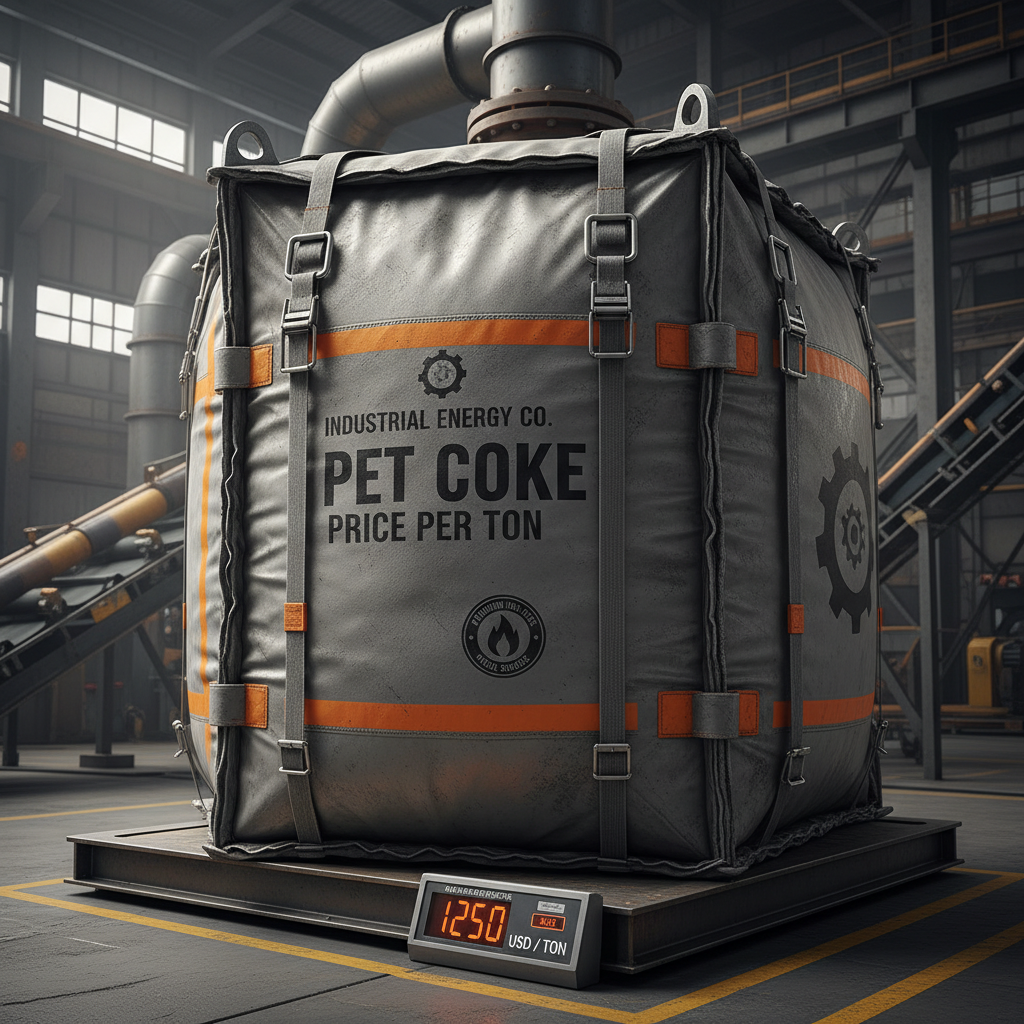
The price of pet coke per ton isn't static; it fluctuates based on a complex interplay of factors. Crude oil prices are a primary driver, as they directly impact refining margins and, consequently, pet coke production. Supply and demand dynamics also play a vital role. Increased demand from the cement and aluminum industries often pushes prices upward, while oversupply can lead to price reductions. Shipping costs, geopolitical events, and environmental regulations all contribute to price volatility. Furthermore, the sulfur content of the pet coke influences its price, with lower sulfur content typically commanding a premium. Understanding these forces is crucial for anticipating price movements and making informed purchasing decisions.
Key Drivers: Crude oil prices, supply and demand, shipping costs, sulfur content, geopolitical factors.
Current Market Trends & Pet Coke Price Per Ton
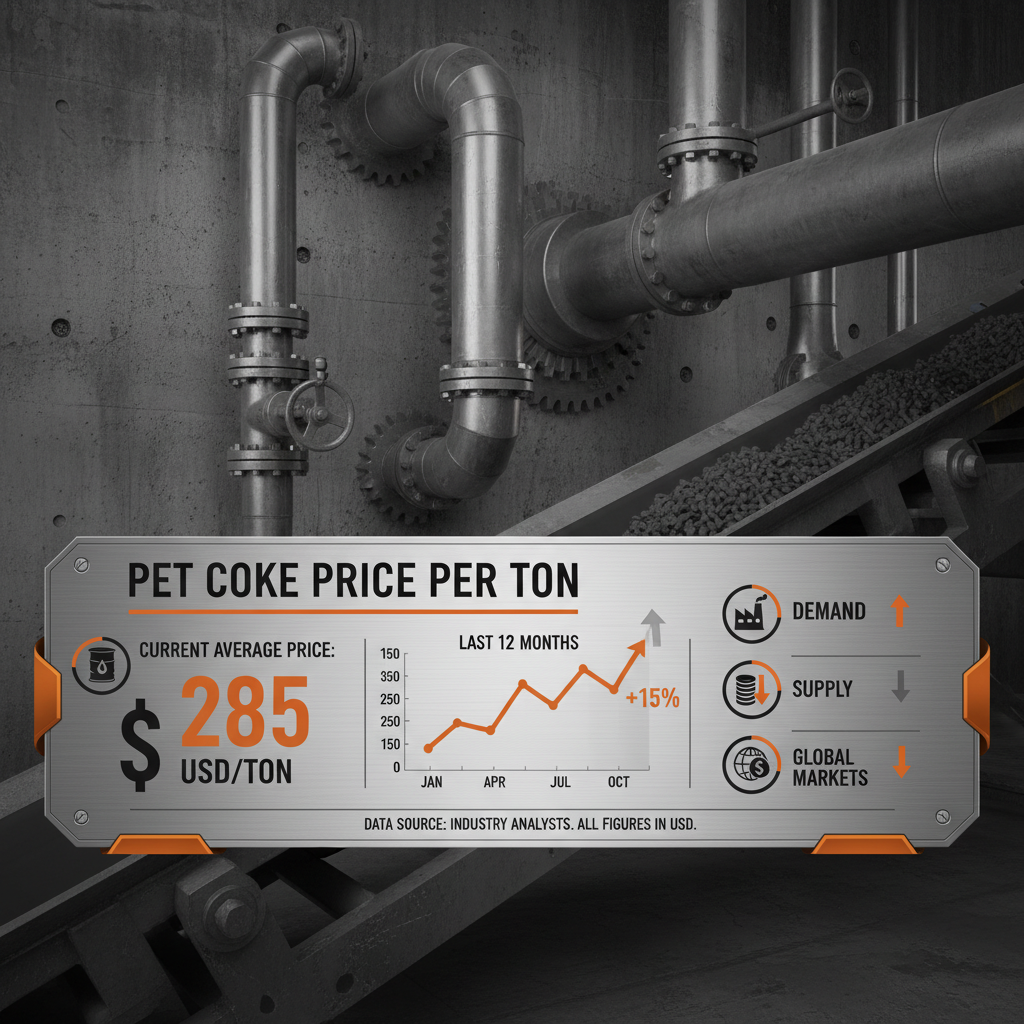
As of late 2023 and early 2024, the pet coke market has experienced moderate price fluctuations. Global demand remains robust, particularly from Asia, driven by infrastructure development and industrial growth. Supply disruptions, often related to refinery maintenance or geopolitical tensions, have contributed to occasional price spikes. The price of pet coke generally ranges from $80 to $150 per ton, depending on quality, sulfur content, and delivery location. However, these figures are subject to change. Market analysis indicates a cautious outlook, with potential for further price volatility linked to economic uncertainties and shifts in energy policies. Accessing real-time market data and expert insights is essential for navigating these dynamic conditions.
Price Ranges (Early 2024):
• Low Sulfur Pet Coke: $120 - $150 per ton
• High Sulfur Pet Coke: $80 - $110 per ton
• Prices vary depending on delivery location and quantity.
Regional Variations in Pet Coke Price
Pet coke prices vary significantly across regions. Asia, particularly China and India, typically experiences higher demand and, consequently, higher prices due to their massive cement and aluminum production industries. North America generally has more stable prices, benefiting from abundant domestic supply. Europe’s pricing is influenced by its reliance on imports and fluctuating shipping costs. The Middle East, being a major oil-producing region, often offers competitive prices. These regional differences highlight the importance of sourcing strategies tailored to specific geographic needs. Consideration of local transportation costs and import duties is essential when comparing prices from different regions.
Choosing a Reliable Pet Coke Supplier
Selecting a reputable supplier is paramount to securing consistent quality and competitive pricing. Look for suppliers with a proven track record, robust quality control processes, and reliable logistics capabilities. Assess their ability to meet your specific requirements regarding sulfur content, particle size, and delivery schedules. Furthermore, a strong supplier will provide transparency in pricing, clear contractual terms, and responsive customer support. NL Graphite provides tailored pet coke solutions, focusing on reliability and customer satisfaction.
Conclusion: Navigating the Pet Coke Market
The pet coke market is dynamic and influenced by a multitude of factors. Understanding these complexities is essential for effective procurement and cost management. By staying informed about market trends, regional variations, and supplier capabilities, businesses can secure reliable supplies of pet coke at competitive prices. NL Graphite is committed to providing high-quality pet coke and expert support to help our clients navigate this evolving market.
Frequently Asked Questions (FAQs)
What is the typical sulfur content of pet coke and how does it affect price?
Pet coke’s sulfur content can vary significantly, ranging from less than 1% to over 6%. Lower sulfur content is generally preferred, especially in industries like cement manufacturing, as it reduces emissions and meets environmental regulations. Lower sulfur pet coke commands a premium price due to the added processing required to reduce sulfur levels during refining. High-sulfur pet coke is typically cheaper but may require additional investment in emission control technology for end-users. It’s vital to specify your desired sulfur content when sourcing pet coke to ensure it meets your operational and environmental requirements.
How does transportation impact the pet coke price per ton?
Transportation costs are a significant component of the overall pet coke price, especially for buyers located far from refining centers. Shipping rates fluctuate based on fuel prices, vessel availability, and port congestion. The mode of transport – whether by sea, rail, or truck – also impacts the cost. Buyers should factor in these transportation expenses when comparing prices from different suppliers and regions. Negotiating favorable shipping terms and optimizing logistics can help minimize these costs. Utilizing suppliers with efficient supply chains and strategic port access can also contribute to cost savings.
What are the key applications of pet coke besides cement and aluminum production?
While cement and aluminum production are the primary consumers of pet coke, it also finds applications in power generation, particularly in countries with coal-fired power plants. It’s used as a fuel source due to its high calorific value. Additionally, pet coke is used in the production of calcined petroleum coke (CPC), which is a key ingredient in the manufacturing of anodes for the aluminum smelting process. It can also be utilized in steel production and various other industrial processes requiring a high-carbon fuel source.
How can I mitigate the risk of price volatility in the pet coke market?
Mitigating price volatility requires a proactive approach. Long-term supply contracts can provide price stability, but flexibility should be built in to account for unforeseen market shifts. Diversifying your supplier base reduces reliance on a single source and enhances negotiating power. Regularly monitoring market trends, including crude oil prices and supply/demand dynamics, is crucial. Consider using hedging strategies, such as futures contracts, to lock in prices and protect against upward fluctuations. Finally, building strong relationships with reputable suppliers fosters transparency and collaboration, enabling you to navigate market challenges effectively.
 Pervious
 Next
Next