

- Englist


Exploring Pyrolytic Graphite Powder Properties Applications and Sourcing Options

Understanding Pyrolytic Graphite Powder: Properties, Applications, and Sourcing
Pyrolytic graphite powder is a highly specialized material gaining prominence across a diverse range of industries due to its unique combination of properties. From advanced manufacturing to cutting-edge research, this synthetic form of graphite offers exceptional performance. This article will explore the characteristics, applications, and sourcing considerations for pyrolytic graphite powder, providing a comprehensive overview for engineers, scientists, and procurement professionals. We aim to demystify this material and highlight its value in demanding applications.
What is Pyrolytic Graphite Powder?
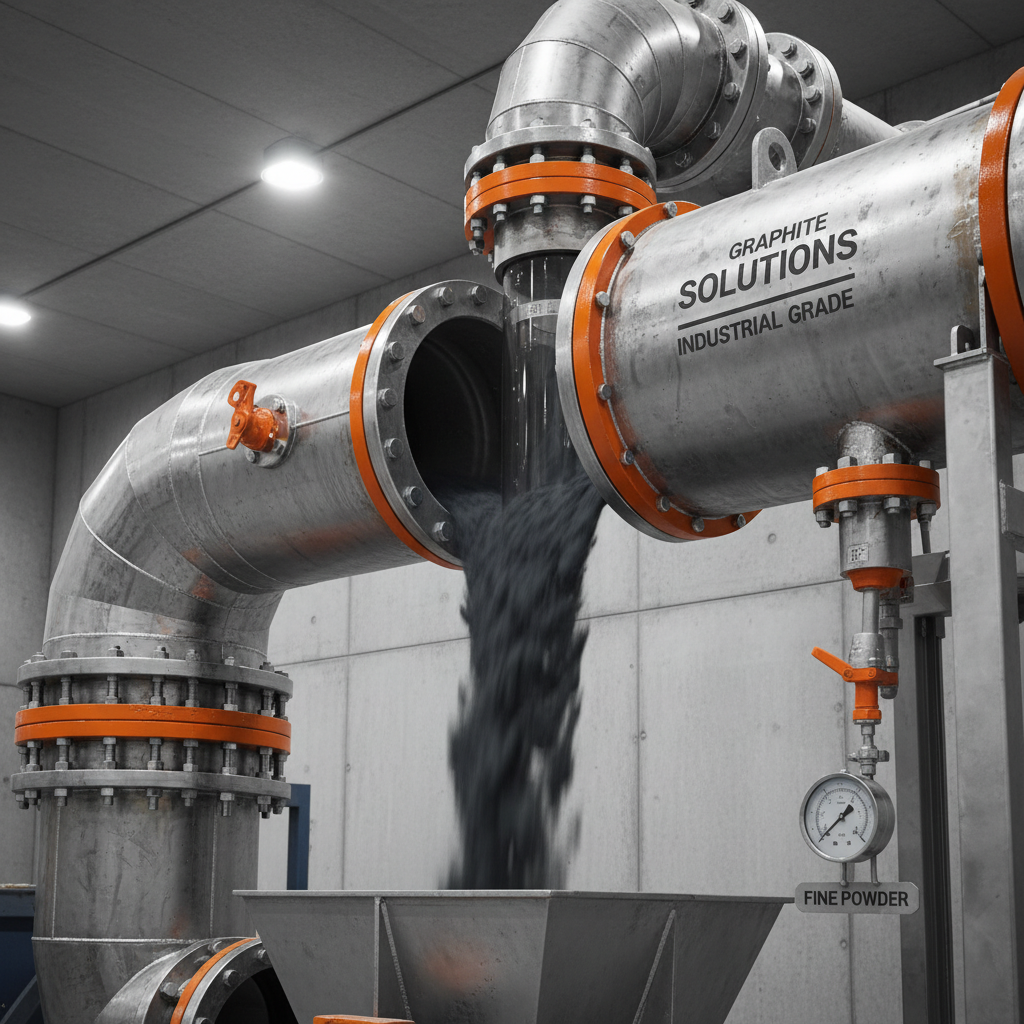
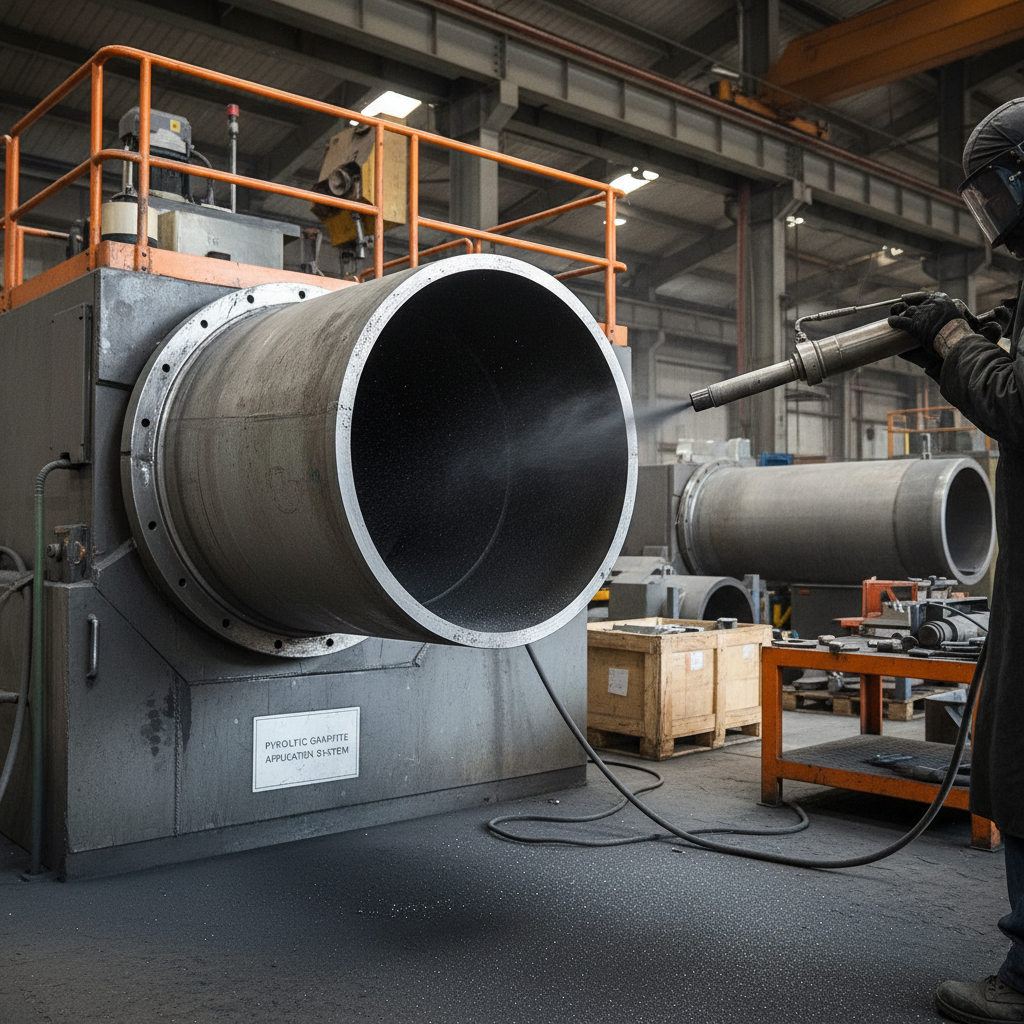
Unlike natural graphite, pyrolytic graphite is manufactured through the pyrolysis of hydrocarbon gases, typically methane or propane, at extremely high temperatures. This process results in a highly ordered, anisotropic structure, meaning its properties differ depending on the direction. This creates a material with remarkable thermal conductivity, low density, and excellent machinability. The powder form allows for versatile applications including coatings, composites, and lubricant additives. The controlled manufacturing process allows for customization of particle size and morphology, tailoring the powder to specific needs.
Key Highlights: Highly ordered anisotropic structure, excellent thermal conductivity, low density, and customizable particle size.
Key Properties of Pyrolytic Graphite Powder
The unique properties of pyrolytic graphite powder are what drive its demand. These include:
- High Thermal Conductivity: Exceptional ability to dissipate heat.
- Low Density: Lightweight, reducing overall weight in applications.
- Anisotropic Structure: Properties vary depending on direction, useful for specialized designs.
- Excellent Machinability: Easy to shape and form into complex geometries.
- High Purity: Minimal impurities ensure consistent performance.
- Low Coefficient of Thermal Expansion: Maintains dimensional stability across temperature changes.
Applications of Pyrolytic Graphite Powder
The versatility of pyrolytic graphite powder translates into a wide range of applications. Some key uses include:
- High-Temperature Furnaces: Linings and heating elements due to its thermal stability.
- Semiconductor Manufacturing: Crucial component in susceptors for epitaxy processes.
- Heat Sinks: Effective heat dissipation for electronics cooling.
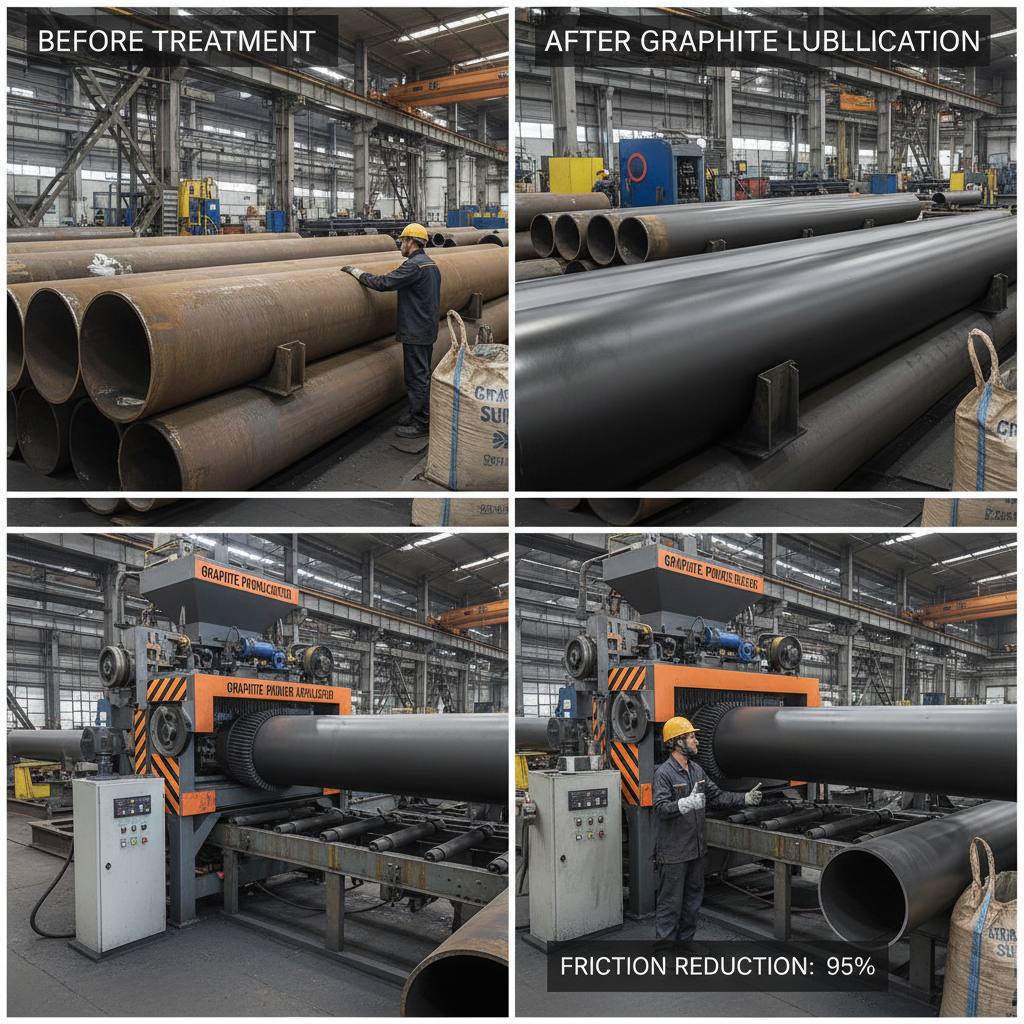
- Lubricants: As an additive to reduce friction and wear.
- Brake Pad Materials: Improving thermal performance and reducing wear.
- Nuclear Industry: Neutron moderators and reflectors.
Application Areas:
• Semiconductor Industry
• Aerospace Engineering
• Nuclear Technology
• High-Temperature Materials
Pyrolytic Graphite Powder: Specifications and Grades
Different applications require varying specifications for pyrolytic graphite powder. Here’s a comparison of typical grades available from NL Graphite:
Sourcing Considerations: Choosing a Reliable Supplier
Selecting a reputable supplier is paramount when procuring pyrolytic graphite powder. Consider factors such as purity, particle size distribution, consistency, and lead times. NL Graphite is a leading manufacturer, offering customizable solutions and stringent quality control measures. Ensure the supplier provides detailed product specifications and is capable of meeting your specific application requirements. Don't hesitate to request samples for testing and validation.
Conclusion: Unleashing the Potential of Pyrolytic Graphite Powder
Pyrolytic graphite powder represents a significant advancement in materials science. Its unique properties and diverse applications make it an invaluable asset across a spectrum of industries. By understanding its characteristics and partnering with a trusted supplier like NL Graphite, you can unlock the full potential of this remarkable material.
Frequently Asked Questions (FAQs)
What is the typical thermal conductivity range of pyrolytic graphite powder?
The thermal conductivity of pyrolytic graphite powder varies depending on the grade and manufacturing process, but generally ranges from 150 to 280 W/m·K. Higher purity and optimized particle alignment contribute to increased thermal conductivity. This exceptional thermal conductivity is what makes it ideal for applications such as heat sinks, thermal interface materials, and high-temperature furnace linings. The anisotropic structure of pyrolytic graphite plays a crucial role in maximizing thermal conductivity in specific directions.
How does particle size affect the performance of pyrolytic graphite powder?
Particle size significantly impacts the performance of pyrolytic graphite powder in various applications. Smaller particle sizes generally lead to better dispersion and increased surface area, enhancing thermal conductivity in composite materials. Larger particle sizes may be preferred for applications where dimensional stability and machinability are critical. The optimal particle size depends on the specific application and processing method. NL Graphite offers a range of particle sizes to meet diverse customer needs.
Is pyrolytic graphite powder electrically conductive?
Yes, pyrolytic graphite powder is electrically conductive, although its conductivity is lower than that of highly ordered graphite. The anisotropic structure influences its electrical properties. This conductivity can be advantageous in certain applications, such as electromagnetic interference (EMI) shielding and electrostatic discharge (ESD) protection. However, for applications requiring high electrical conductivity, other forms of graphite might be more suitable.
 Pervious
 Next
Next