

- Englist



Understanding Raw Petroleum Coke Price Dynamics and Market Trends

Understanding Raw Petroleum Coke Price Fluctuations
Raw Petroleum Coke (CPC), a crucial byproduct of oil refining, plays a vital role in various industries like aluminum production, steelmaking, and cement manufacturing. The price of raw petroleum coke is subject to dynamic changes influenced by numerous factors. This article will delve into these factors, recent trends, regional variations, and offer insights for businesses relying on this critical material. Understanding these dynamics is key to effective procurement and cost management. NL Graphite is a leading supplier dedicated to providing competitive pricing and reliable supply chains.
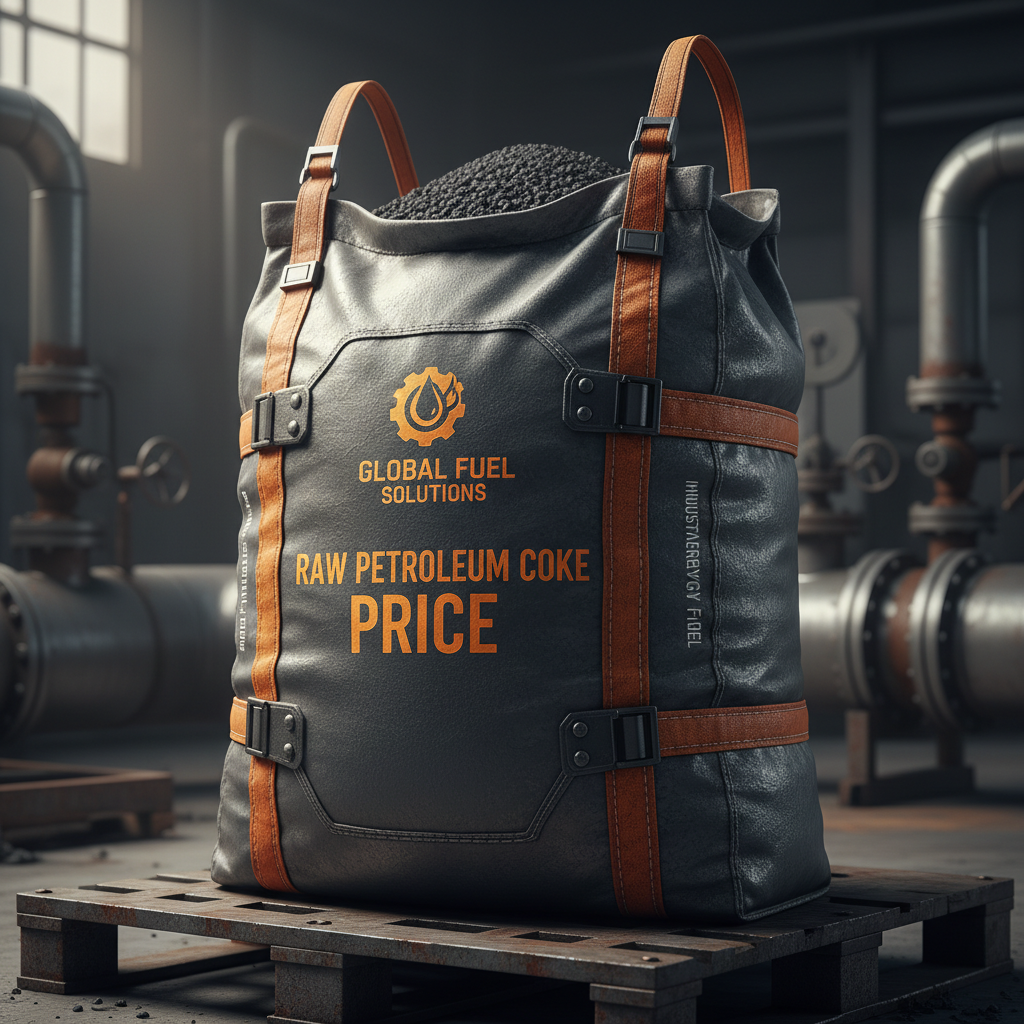
Factors Influencing Raw Petroleum Coke Price
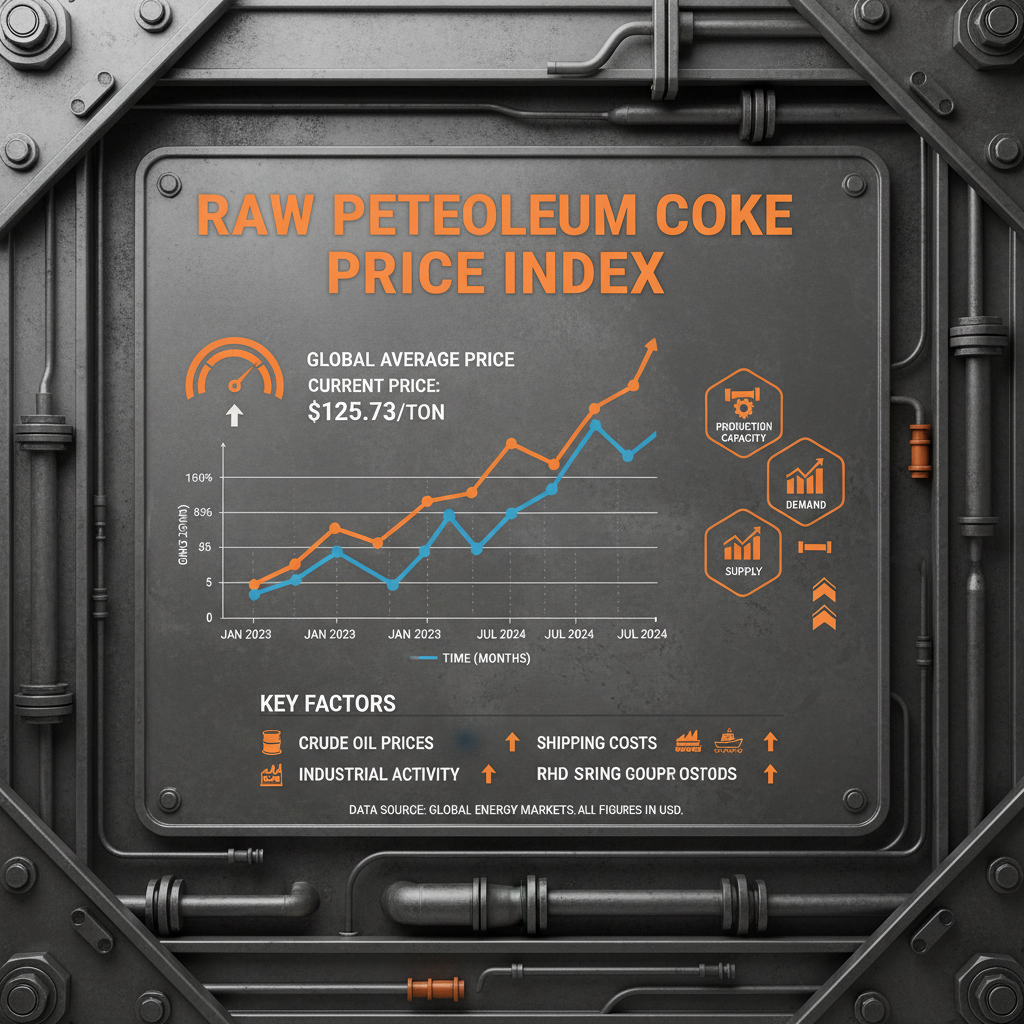
Several interconnected factors drive the price of raw petroleum coke. Crude oil prices are a primary driver, as refinery output and byproduct production are directly linked. Supply and demand fundamentals are also paramount. Global economic growth, particularly in industries heavily reliant on CPC (like aluminum), significantly impacts demand. Geopolitical events, shipping costs, and environmental regulations all add layers of complexity. Furthermore, the sulfur content of the CPC, with lower sulfur content commanding higher prices due to stricter environmental standards, plays a crucial role. Increased demand for energy and resultant increase in refining activity have a direct correlation with the price and availability of CPC.
Key Influencers: Crude oil prices, Supply & Demand, Geopolitical Events, Sulfur Content, Shipping Costs, Environmental Regulations.
Recent Trends in Raw Petroleum Coke Pricing
The raw petroleum coke price has experienced considerable volatility in recent years. Post-pandemic recovery saw a surge in demand, driving prices upwards. However, shifts in global trade patterns and concerns about economic slowdowns have introduced periods of price correction. Increased focus on sustainable practices and the development of alternative materials have also created downward pressure. Monitoring these trends is crucial for informed decision-making.
Recent Price Drivers:
• Post-pandemic economic recovery
• Global trade dynamics
• Sustainability concerns
• Development of alternative materials
Regional Variations in Raw Petroleum Coke Price
CPC pricing varies significantly across regions due to logistical costs, local demand, and environmental regulations. The United States, with its large refining capacity, often sees competitive pricing, but transportation costs to other continents can be substantial. China, a major consumer of CPC, frequently influences global prices due to its vast demand. The Middle East, a key production region, also exhibits unique pricing dynamics. Understanding these regional nuances is essential for optimizing sourcing strategies. NL Graphite has established strong relationships across these regions to ensure competitive sourcing.
Impact of Sulfur Content on Raw Petroleum Coke Price
The sulfur content of raw petroleum coke is a critical factor influencing its price and suitability for different applications. Lower sulfur content CPC is highly sought after, particularly in the aluminum industry, as it minimizes environmental impact and ensures product quality. Higher sulfur content CPC is typically less expensive but requires additional processing to remove sulfur before use. Strict environmental regulations around the world are driving demand for low-sulfur CPC, leading to a widening price gap between the two grades. NL Graphite offers a range of CPC grades to meet specific client requirements.
Procurement Strategies for Managing Raw Petroleum Coke Costs
Effective procurement is key to managing the cost of raw petroleum coke. Building strong relationships with reliable suppliers like NL Graphite is paramount. Diversifying sourcing options can mitigate risk. Utilizing long-term contracts with price escalation clauses can provide predictability. Careful monitoring of market trends and proactive negotiation are also vital. Consider incorporating inventory management strategies to optimize stock levels and avoid unnecessary costs.
Conclusion: Navigating the Raw Petroleum Coke Market
Understanding the factors influencing raw petroleum coke price is essential for businesses across various industries. By staying informed about market trends, regional variations, and the impact of sulfur content, companies can optimize their procurement strategies and effectively manage costs. NL Graphite is committed to providing our clients with reliable supply and competitive pricing in this dynamic market.
Frequently Asked Questions (FAQs)
What is the typical lead time for procuring raw petroleum coke?
Lead times can vary significantly depending on the supplier, quantity, and destination. Generally, expect a lead time of 2-6 weeks. However, factors like shipping delays, customs clearance, and supplier inventory levels can impact delivery times. Establishing strong relationships with reliable suppliers, like NL Graphite, can help ensure timely delivery and minimize disruptions. It's crucial to plan ahead and place orders well in advance of anticipated needs, especially during periods of high demand. Accurate forecasting is also key.
How does the quality of raw petroleum coke affect its end-use application?
The quality of CPC, particularly its sulfur content, significantly impacts its suitability for different applications. Lower sulfur content is crucial for the aluminum industry to prevent impurities and ensure high-quality aluminum production. Higher sulfur content may be acceptable in some cement manufacturing processes but can still affect the cement's properties. Consistency in quality is also vital; variations can lead to production inefficiencies and product defects. Careful analysis and certification of the CPC are essential for optimal performance.
Are there sustainable alternatives to raw petroleum coke?
Yes, research and development are ongoing to identify sustainable alternatives to CPC. Biomass-derived coke, recycled carbon materials, and alternative reductants are being explored. However, these alternatives often come with their own challenges, such as cost, availability, and performance characteristics. While these alternatives are promising, CPC remains a dominant material due to its cost-effectiveness and established production processes. Sustainability efforts are focusing on reducing the environmental impact of CPC production and utilization.
 Pervious
 Next
Next