

- Englist



Graphite Rod Versus Carbon Fiber A Comprehensive Comparison Guide

Graphite Rod vs Carbon Fiber: A Comprehensive Guide
When selecting materials for high-performance applications, engineers and manufacturers often face the choice between graphite rods and carbon fiber. Both materials offer exceptional strength-to-weight ratios, but their distinct properties make them suitable for different purposes. This article provides an in-depth comparison of graphite rods and carbon fiber, examining their compositions, characteristics, applications, and cost-effectiveness. Understanding these differences is crucial for making informed decisions and achieving optimal results in your specific project.
Understanding the Composition of Graphite and Carbon Fiber
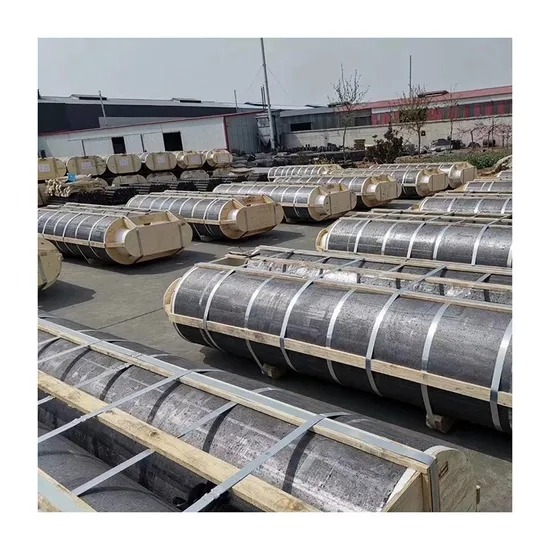
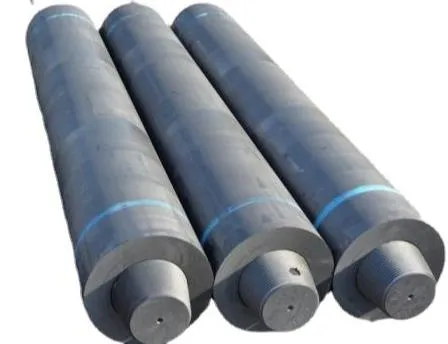
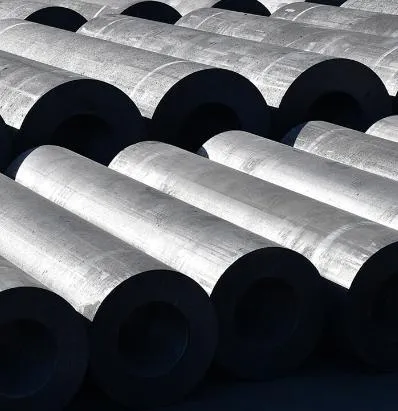
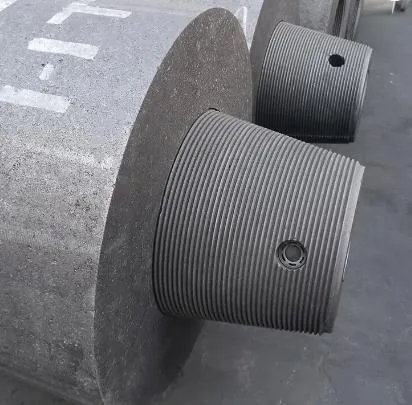
Graphite rods are primarily composed of graphite, a crystalline form of carbon. They are typically manufactured through processes like extrusion or molding, resulting in a material with high thermal and electrical conductivity. The purity and density of the graphite significantly influence its properties. Carbon fiber, on the other hand, is created by pyrolyzing precursor materials, such as polyacrylonitrile (PAN), pitch, or rayon. This process aligns carbon atoms into long, thin strands, creating a material renowned for its high tensile strength and stiffness. The arrangement of these fibers and the type of resin used to bind them together determine the final properties of the carbon fiber composite.
Key Properties: Graphite Rods vs. Carbon Fiber
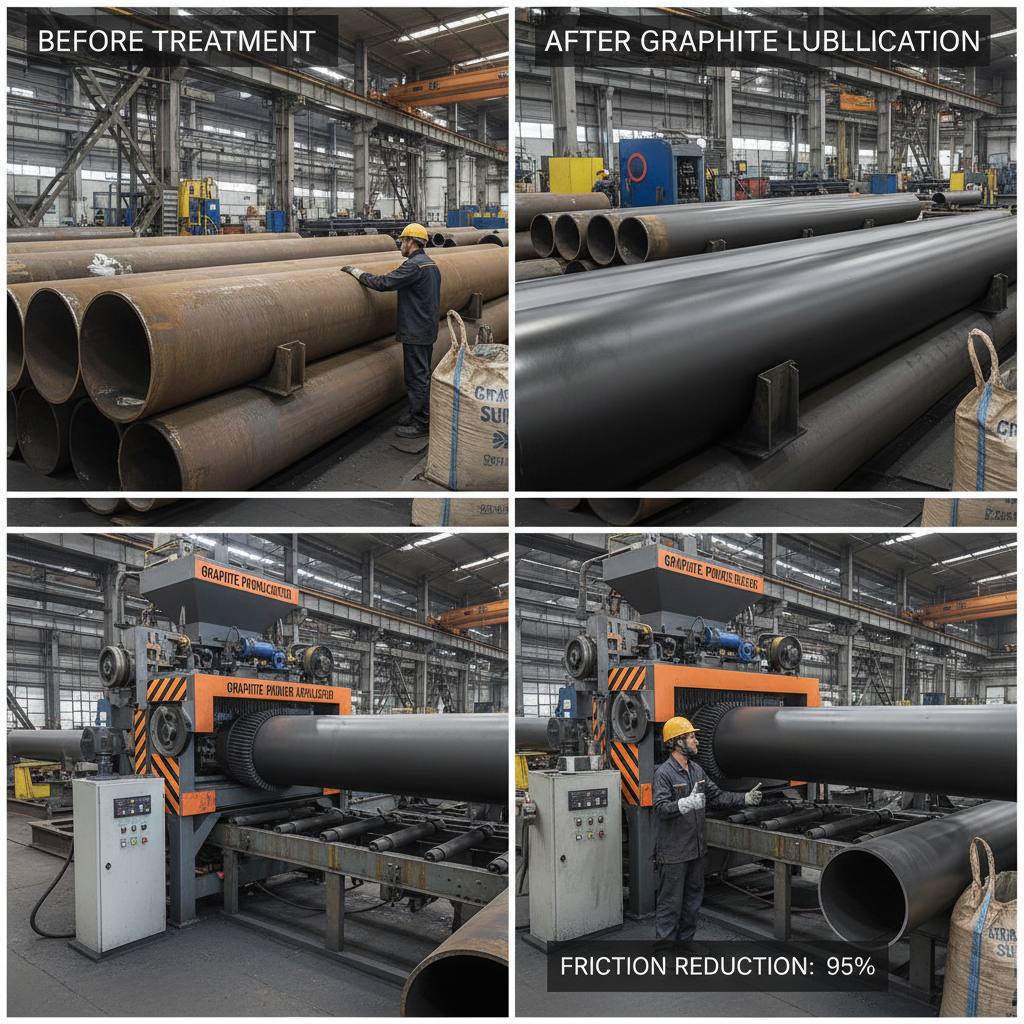
While both materials are lightweight and strong, they differ significantly in their specific properties. Graphite rods excel in high-temperature applications due to their exceptional thermal stability and resistance to thermal shock. They are also self-lubricating, making them ideal for environments where friction is a concern. Carbon fiber boasts superior tensile strength and stiffness, making it exceptionally resistant to deformation under load. However, carbon fiber is generally more brittle than graphite and can be susceptible to damage from impact. The following table summarizes the key property differences:
Applications of Graphite Rods
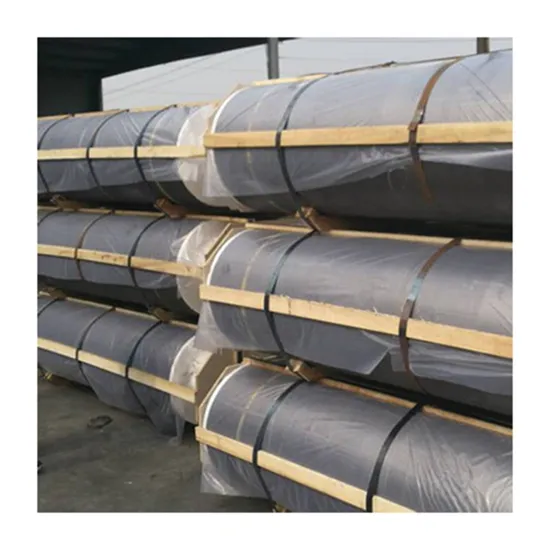
Graphite rods find widespread use in applications requiring high-temperature resistance, electrical conductivity, and self-lubrication. Key applications include:
- Electrical Contacts: Due to their excellent conductivity, graphite rods are commonly used as brushes in electric motors and generators.
- Furnace Components: Their thermal stability makes them ideal for heating elements and crucibles in high-temperature furnaces.
- EDM Electrodes: Graphite's ability to erode metal makes it a preferred material for electrodes in Electrical Discharge Machining (EDM).
- Semiconductor Manufacturing: Graphite components are used in crystal growth and other semiconductor processes.
Carbon Fiber Applications: Where Strength and Stiffness Matter
Carbon fiber composites are valued for their exceptional strength-to-weight ratio and are employed in a diverse range of industries. Common applications include:
- Aerospace: Aircraft structures, including wings and fuselages, benefit from carbon fiber's lightweight and high strength.
- Automotive: Carbon fiber is used in high-performance vehicles to reduce weight and improve fuel efficiency.
- Sports Equipment: Golf clubs, tennis rackets, and bicycle frames utilize carbon fiber for enhanced performance.
- Wind Turbine Blades: The long, lightweight, and strong nature of carbon fiber makes it ideal for wind turbine blades.
Cost Considerations: Graphite Rods vs. Carbon Fiber
Generally, graphite rods are more cost-effective than carbon fiber composites. The manufacturing process for graphite rods is relatively simple and requires less specialized equipment. Carbon fiber production, involving precursor materials and resin systems, is more complex and therefore more expensive. However, the cost of carbon fiber is decreasing as production volumes increase and new manufacturing techniques are developed. The specific cost will also depend on the grade and quality of both materials. You can explore our competitive pricing on high-quality graphite rods at NL Graphite.
Conclusion: Choosing the Right Material
Selecting between graphite rods and carbon fiber depends on your specific application requirements. Graphite rods are the preferred choice for high-temperature, electrically conductive, and self-lubricating applications. Carbon fiber excels in scenarios demanding high tensile strength, stiffness, and lightweight construction. By carefully considering the properties, applications, and cost-effectiveness of each material, you can make an informed decision and optimize the performance of your project.
Frequently Asked Questions (FAQs)
What are the limitations of using carbon fiber?
While carbon fiber offers exceptional strength, it's relatively brittle and can be susceptible to damage from impact. Unlike metals, carbon fiber doesn't typically bend or deform significantly before fracturing. It's also more expensive than many other materials, and its manufacturing process can be complex. Furthermore, carbon fiber can be electrically conductive, which may be a concern in certain applications. The resin matrix used in carbon fiber composites can also degrade over time with exposure to UV radiation or harsh chemicals.
Can graphite rods be used in a vacuum environment?
Yes, graphite rods are well-suited for use in vacuum environments. Graphite has a very low vapor pressure, meaning it doesn't readily release gases in a vacuum. This makes it a preferred material for components used in vacuum chambers, such as electrodes and heating elements. However, it’s important to consider the grade of graphite, as some may contain impurities that could outgas. High-purity graphite is generally recommended for critical vacuum applications.
Is carbon fiber recyclable?
Recycling carbon fiber is challenging, but advancements are being made. Traditional recycling methods involve breaking down the composite material and separating the carbon fibers from the resin matrix. This process can be energy-intensive and can degrade the quality of the recovered fibers. However, newer technologies, such as pyrolysis and solvolysis, are showing promise in recovering high-quality carbon fibers for reuse. Currently, the recycling rate for carbon fiber is relatively low, but it's increasing as awareness grows and new recycling infrastructure is developed.
What types of graphite rods does NL Graphite offer?
NL Graphite offers a wide range of graphite rods tailored to diverse applications. Our products include fine-grained graphite rods for EDM, coarse-grained graphite rods for furnace applications, and specialized grades with enhanced thermal and electrical properties. We can also customize graphite rods to meet specific customer requirements regarding dimensions, purity, and density. Visit our website at NL Graphite to explore our full product catalog and request a quote.
 Pervious
 Next
Next