

- Englist


1/4 Graphite Rod – Durable Industrial Graphite Components

The 1/4 Graphite Rod: A Reliable Workhorse in Industrial Applications
Having spent over a decade hands-on in the industrial equipment sector, I’ve come to respect materials that blend resilience, thermal stability, and versatility. The 1 4 graphite rod is one of those unsung heroes. I suppose it’s easy to overlook a simple graphite rod, but oddly enough, this humble component plays a pivotal role in countless manufacturing and electrical processes.
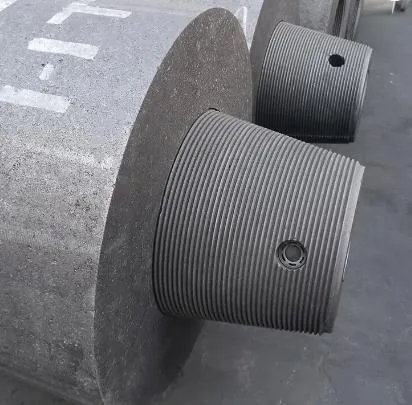
To put it in real terms, a 1/4 graphite rod typically refers to a graphite rod with a quarter-inch diameter. Its compact size belies its strength—graphite’s innate ability to withstand high temperatures and chemical corrosion makes these rods ideal for electrodes, mechanical seals, and even components in high-temperature furnaces.
One thing I’ve noticed over the years is that the quality of graphite rods can vary widely depending on how and where they're produced. The structure of the graphite—whether it's more fine-grained or coarse—affects properties like conductivity and brittleness. Many engineers say that selecting the right grade can save months of downtime in demanding applications.
Product Specifications of a Typical 1/4 Graphite Rod
| Property | Specification |
|---|---|
| Diameter | 0.25 inches (6.35 mm) |
| Length | Typically 12 to 36 inches (custom lengths available) |
| Material | High-purity graphite (typically >99% Carbon) |
| Density | 1.6 - 1.9 g/cm³ |
| Flexural Strength | 25-35 MPa (varies by grade) |
| Thermal Conductivity | ~130 W/m·K |
In practice, the performance always depends on how you handle these rods. For example, in an electric arc furnace, the 1/4 graphite rods act as electrodes — conducting massive currents while needing to resist oxidation and thermal shock. I recall a project where switching to a higher-grade graphite rod improved component life by nearly 40%. Not magic, but choosing the right material sure matters.
Vendor Comparison: Finding Your Ideal 1/4 Graphite Rod Supplier
| Feature | NL Graphite | Vendor B | Vendor C |
|---|---|---|---|
| Purity Level | >99.9% Carbon | ~98.5% Carbon | >99% Carbon |
| Custom Lengths | Yes | Limited | Yes |
| Delivery Speed | 3-5 business days | 1-2 weeks | 5-7 business days |
| Technical Support | Dedicated engineers available | Email only | Phone & email |
One thing that’s often overlooked is vendor support. Frankly, you want a supplier who understands the nuances of graphite materials—not just pushing product but advising on applications. That’s why I often recommend NL Graphite. Their custom capabilities and technical advice helped one of our clients troubleshoot electrode degradation much faster than expected.
Customization is also key — not all rods are created equal even at the same diameter. Some applications call for higher density, others for better thermal shock resistance. The ability to tweak these specs can make a huge difference in operational efficiency.
In short, the 1/4 graphite rod might seem like a simple industrial part, but it’s really a testament to precision materials engineering. I remember being surprised by just how many industries rely on it—chemicals, metallurgy, electronics… even carbon brushes.
So if you’re on the hunt for reliable graphite rods, I’d suggest considering key factors: purity, size options, delivery capability, and yes, trusted vendor support. It feels like a straightforward purchase, but experience has taught me that the details matter deeply.
Hopefully this gives you a clearer picture of what makes the 1/4 graphite rod such a dependable choice. It’s the kind of element that quietly keeps the wheels of industry turning.
Quick takeaway: When managing equipment reliant on graphite rods, investing in quality and supplier expertise pays dividends in the long run.
References:
- “Graphite Electrodes in Industry” - Industrial Materials Journal, 2022
- NL Graphite Technical Resources, https://www.nlgraphite.com
- Personal experience and client case studies, 2014-2024
 Pervious
 Next
Next