

- Englist


24 Ton Graphite Rod – Durable Industrial Carbon Solutions

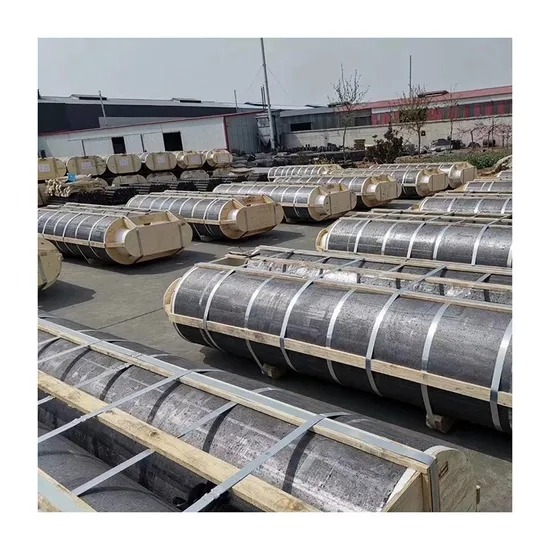
Understanding the 24 Ton Graphite Rod: A Veteran’s Take
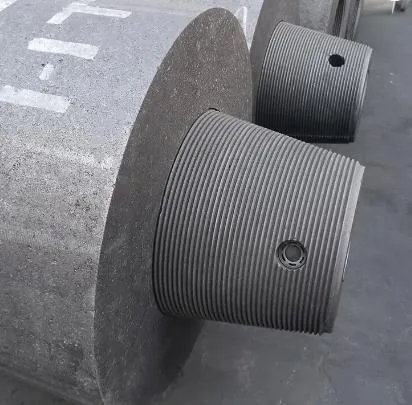
After spending many years knee-deep in industrial manufacturing, I’ve come to appreciate just how crucial certain components can be—even those that seem, on the surface, a bit unassuming. Take the 24 ton graphite rod, for example. You might think it’s just a heavy piece of carbon material, but frankly, there’s a fascinating combination of engineering, material science, and practical know-how behind it.
Graphite rods have been a staple in industries ranging from metal smelting to electrical applications because of graphite’s unique properties—high thermal and electrical conductivity, excellent strength under compression, and overall chemical inertness. The 24 ton specification usually indicates not only the weight but also the robustness and reliability expected from these rods, used in demanding environments.
I remember once working on a custom smelting project—customers were having issues with premature rod degradation due to thermal cycling. Switching to a carefully manufactured 24 ton graphite rod made a noticeable difference; the material handled heat shocks far better, lasting longer and saving downtime.
What Makes a 24 Ton Graphite Rod Special?
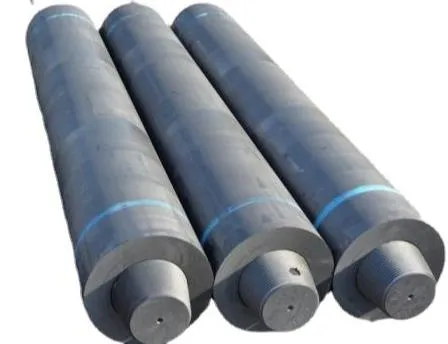
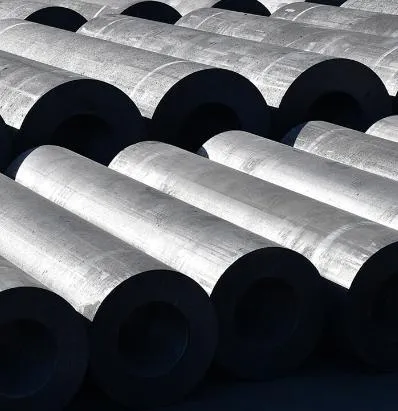
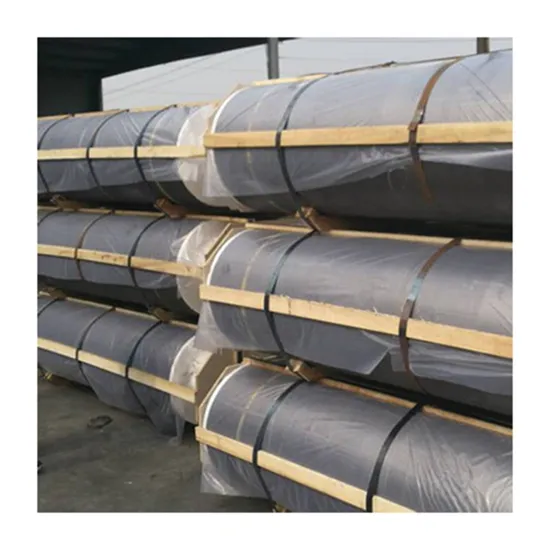
Simply put, it’s the blend of design and raw materials. These rods commonly measure several meters in length but vary by diameter, tailored to specific industrial presses or electrodes. The key is high-density, isotropic graphite, which means the material properties are uniform in all directions—a big plus when you want proven consistency under extreme conditions.
In real terms, that 24 ton weight means it can withstand substantial compressive forces, which comes in handy in heavy-duty graphite electrodes or large carbon brushes. Oddly enough, the rods’ machinability is also important—while graphite sounds like a tough cookie, skilled manufacturers can precisely shape these rods to fit demanding specs.
| Specification | Details |
|---|---|
| Material | Isotropic High-Density Graphite |
| Weight | 24 Metric Tons |
| Typical Length | 3 to 5 meters (customizable) |
| Diameter Range | 100 to 600 mm |
| Compressive Strength | >40 MPa |
| Thermal Conductivity | 120–165 W/m·K |
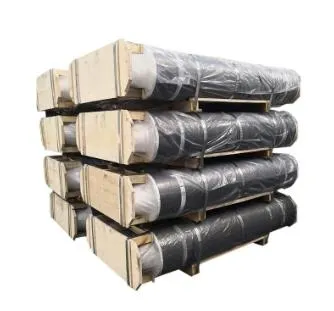
A quick note on quality: I’ve noticed that supplier consistency varies surprisingly—and that goes for surface finish, grain structure, plus delivery and after-sales support. A few years back, one supplier’s graphite rods showed tiny fissures on arrival, causing headaches during high-precision machining. Needless to say, sticking with trusted vendors pays dividends.
| Vendor | Material Quality | Custom Sizing | Lead Time | Additional Notes |
|---|---|---|---|---|
| NL Graphite | High (Isotropic) | Wide Range | 4-6 Weeks | Excellent documentation and test reports |
| Graphite Pro Ltd. | Medium | Limited Sizes | 6-8 Weeks | Competitive pricing but less customization |
| Industrial Carbon Works | High | Custom on Demand | 3-5 Weeks | Strong engineering support but pricier |
Customization, in particular, can be a game changer. Many engineers and plant managers I’ve worked with stress that a “one-size-fits-all” graphite rod rarely meets long-term operational goals. Instead, precise tailoring of length, diameter, and surface treatment often leads to better performance and longer life cycles.
So, when considering buying a 24 ton graphite rod, it feels wise to look beyond just price. Factor in supplier expertise, material certifications, and customer testimonials. Honestly, from what I’ve seen, going with an experienced and reliable manufacturer saves you headaches down the road.
In summary: these rods aren’t just basic chunks of carbon—they’re highly engineered, demanding product components with important variations that influence industrial performance every day. Whether in smelting, electrochemical cells, or heavy machinery, investing in quality and supplier partnerships pays off. After all, in industrial equipment, the smallest edge can mean the biggest gain.
Thanks for tagging along—hope this gives you a bit of an insider view into a product that often flies under the radar.
References:
1. Industrial Graphite Applications and Properties, Carbon Materials Journal, 2021.
2. NL Graphite Company Technical Data Sheet, 2023.
3. Smith & Co. Metallurgy Review, 2022.
 Pervious
 Next
Next