

- Englist



Applying Graphite Powder: Enhancing Industrial Efficiency and Sustainability

What’s Behind Applying Graphite Powder and Why It Matters Globally
At first glance, graphite powder might just seem like another industrial material tucked away in dusty warehouses — but in reality, applying graphite powder touches countless sectors around the world. From improving electrical contacts and lubrication to advancing energy storage technologies, understanding its use has become crucial. This isn’t just about making machines run smoother; it’s about sustainable innovation, cost efficiency, and sometimes even humanitarian solutions in challenging environments.
Globally, industries are increasingly turning to graphite powder to solve problems like friction reduction, corrosion prevention, and thermal management. Given its natural abundance and unique properties, grasping how best to apply graphite powder can unlock competitive advantages and open doors to cleaner, more reliable technologies.
The Global Landscape: Why Applying Graphite Powder Counts Now More Than Ever
Graphite production worldwide is steadily climbing — the US Geological Survey reports that annual graphite supply topped 1.1 million tonnes in recent years, driven largely by demand in Asia, Europe, and North America. Meanwhile, organizations like the International Energy Agency (IEA) are highlighting graphite’s critical role in batteries for electric vehicles and grid storage — an area of rapid growth as nations ramp up clean energy commitments.
Yet, one hurdle remains: effectively applying graphite powder so it performs optimally in diverse conditions, from harsh deserts to cold, wet environments. This challenge calls for savvy technical know-how, careful material science, and often, innovation at the interface of manufacturing and environmental concerns.
Simply Put: What Does Applying Graphite Powder Mean?
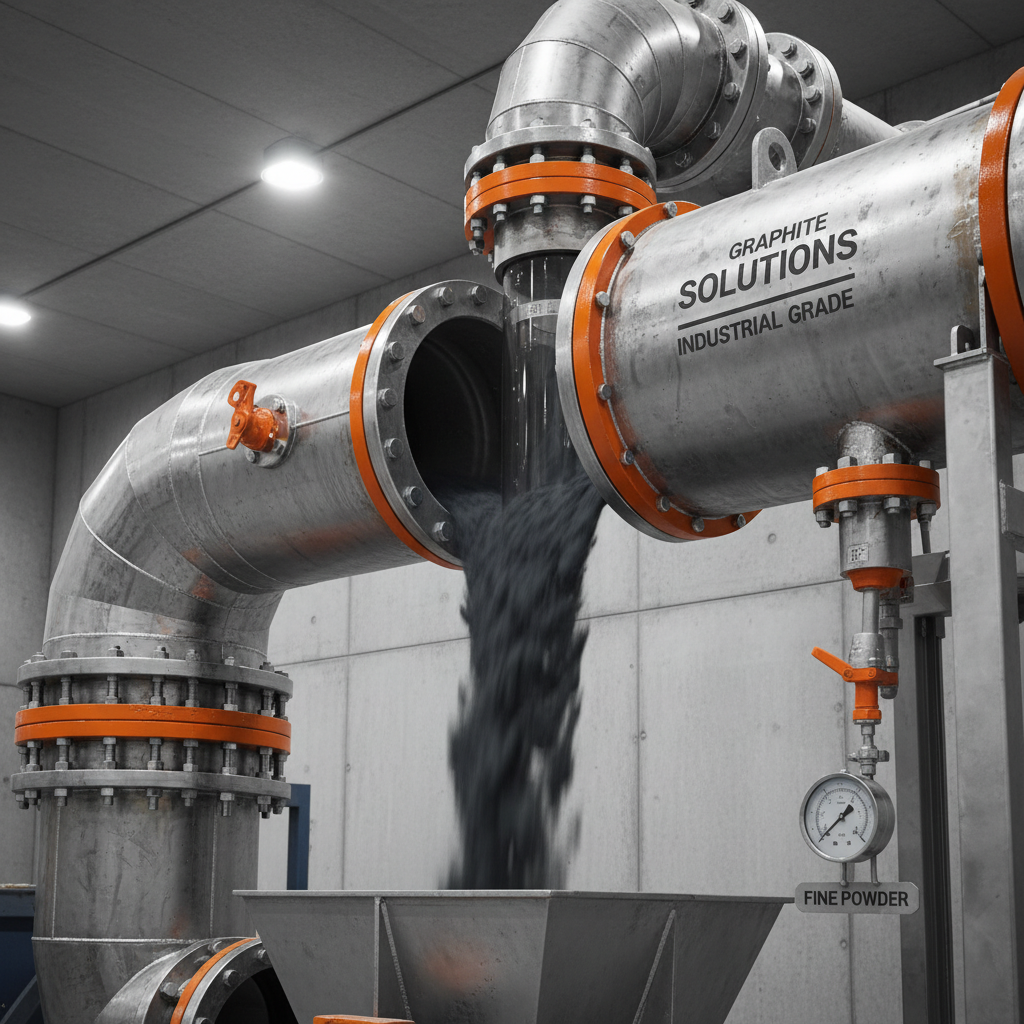
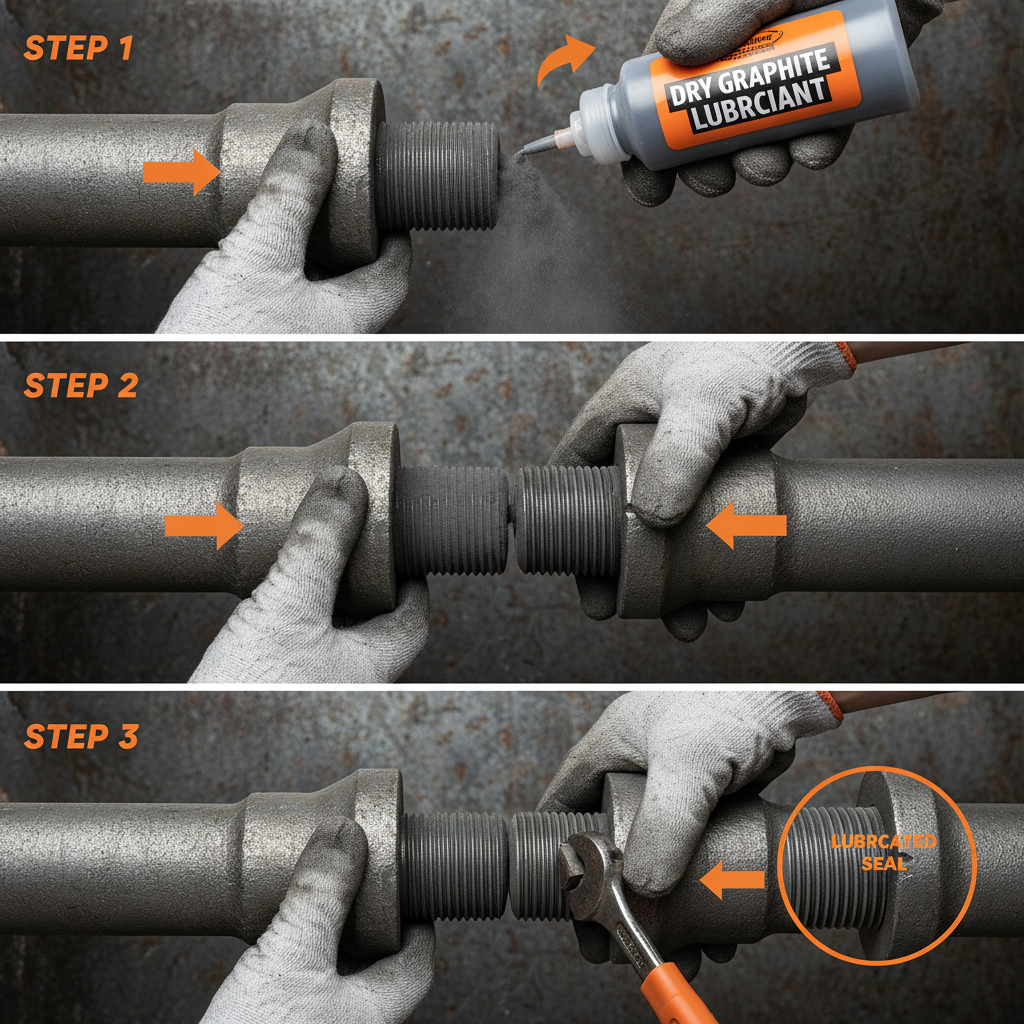
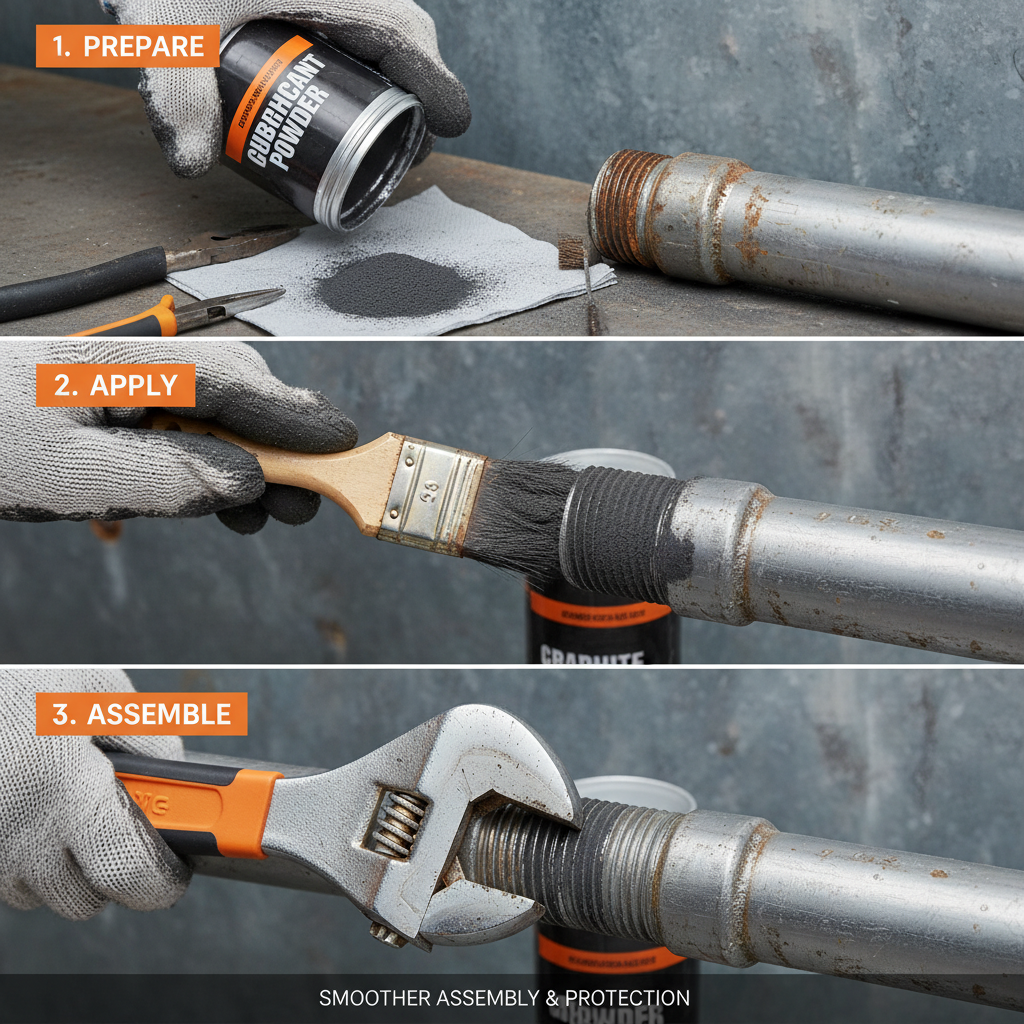
Applying graphite powder refers to the methods and techniques used to integrate fine graphite particles onto surfaces or into composites to harness their lubricating, conductive, or thermal properties. In practice, it involves layering or mixing graphite powder with other materials, often to reduce friction or improve heat dissipation.
Think of it like coating the tiniest microscopic surfaces with a natural lubricant that’s also a solid conductor. This turns up in industries as varied as automotive brakes, aerospace components, electronics, and even humanitarian contexts where durable, low-maintenance materials are pivotal.
Core Qualities of Applying Graphite Powder in Context
Durability & Wear Resistance
Graphite powder’s self-lubricating nature means less wear and tear on mechanical parts. It often extends service intervals and reduces maintenance costs, which is a big deal in heavy industries like mining or shipping where downtime translates directly to lost revenue.
Thermal Management
Because graphite conducts heat exceptionally well, applying it improves thermal regulation in devices ranging from simple electric motors to complex battery packs. Smart application means devices stay cooler and last longer — a subtle but vital big-picture benefit.
Electrical Conductivity
In electronics and energy storage, applying graphite powder enables efficient current flow and mitigates heat build-up. This is crucial for fast-charging batteries or electronic connectors exposed to high stress.
Cost Efficiency and Sustainability
Compared to synthetic lubricants or metals, graphite powder is naturally abundant and often more affordable. Responsible sourcing and eco-conscious applications, like reducing chemical lubricants, add to its sustainability appeal — something many companies are striving for today.
Real-World Applications: Graphite Powder in Action
Look around, and chances are good that somewhere nearby, graphite powder is quietly doing its job. Let’s peek into a few scenarios:
- Automotive Sector: Brake pads coated with graphite powder reduce noise and wear, enhancing driving comfort and safety.
- Energy Storage: Electric vehicle batteries incorporate graphite powder for efficient anodes, boosting performance and charging speed.
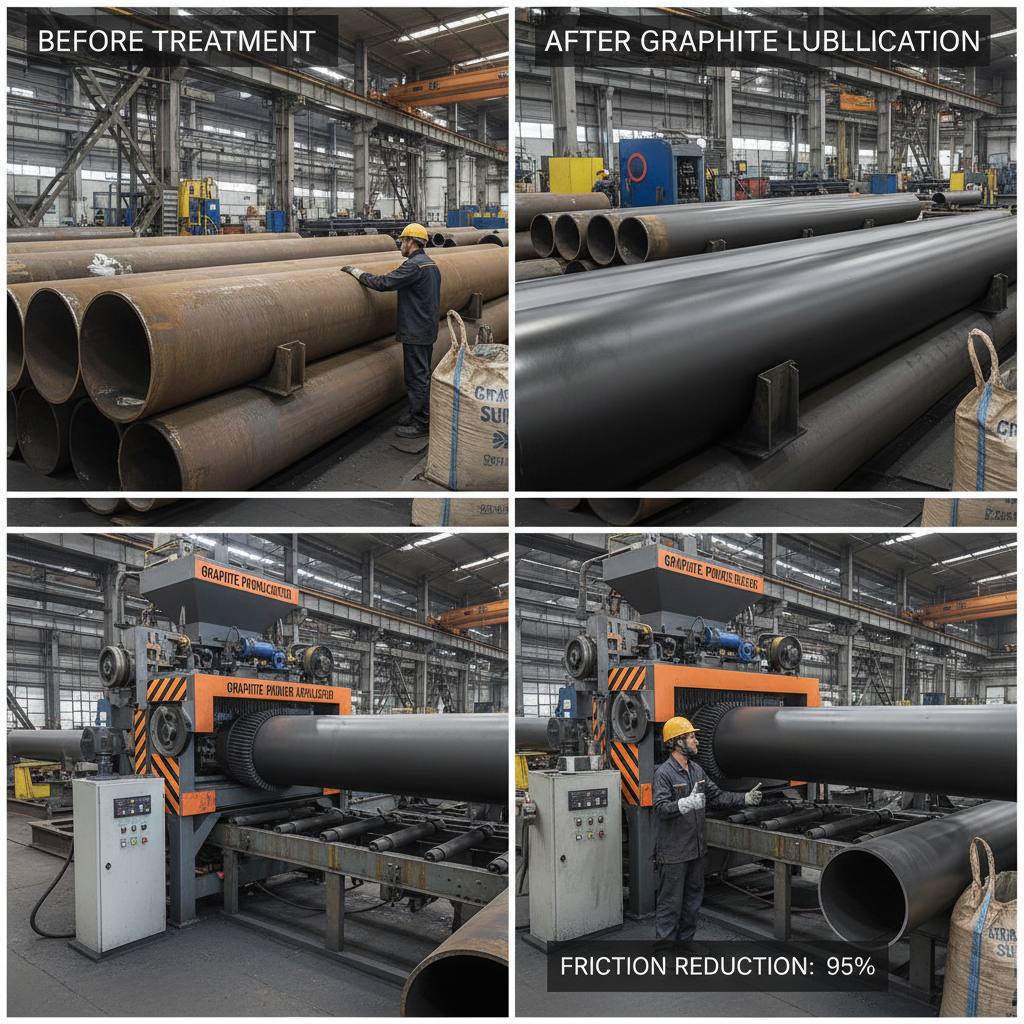
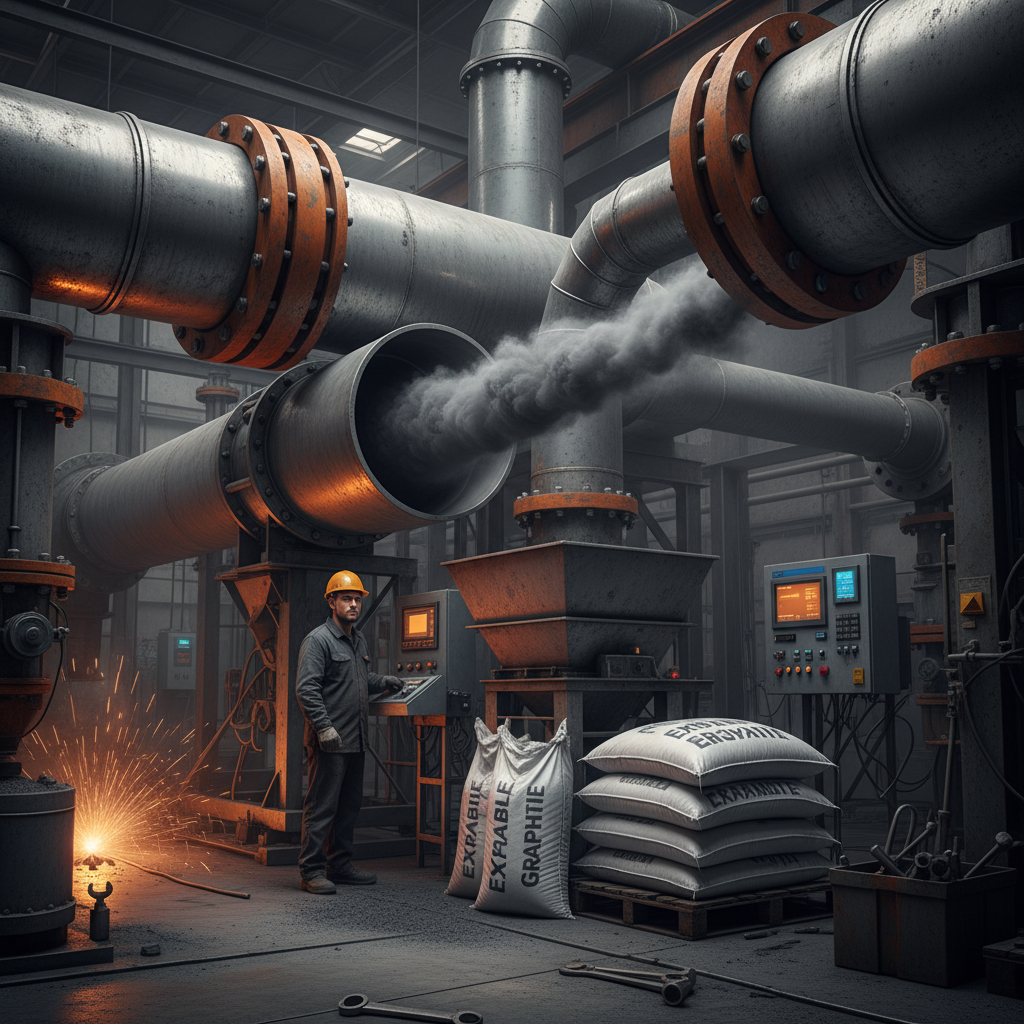
- Industrial Lubrication: In remote mining sites, graphite powder replaces oil-based lubricants that risk contamination, improving environmental safety and equipment uptime.
- Disaster Relief Equipment: Some NGOs use graphite-coated mechanical parts in temporary power generators or shelters, ensuring reliability under tough conditions.
It’s fascinating how versatile graphite powder is. Many regions with resource constraints actually benefit profoundly from its straightforward application, marrying cost savings with resilient performance.
Mini Takeaway:
Applying graphite powder isn't just a technical step; it’s often a game changer, increasing longevity, sustainability, and reliability across industries and geographies.
Advantages That Stand the Test of Time
Let’s break down some of the long-term benefits:
- Cost Savings: Less frequent replacement and maintenance translate into bottom-line savings.
- Environmental Gains: Using natural graphite reduces reliance on synthetic chemicals, aligning with global sustainability goals.
- Innovation: Enhanced performance enables cutting-edge product designs and new market opportunities.
- Safety: By reducing friction and heat, graphite powder lowers risks of mechanical failure and accidents.
- Trust: Long-term reliability builds brand reputation in competitive markets.
Here’s a Quick Product Specification Table for Typical Graphite Powder:
| Parameter | Typical Value | Units | Notes |
|---|---|---|---|
| Particle Size | 5 - 20 | Microns | Fine powder for smooth application |
| Purity | >99 | % | High carbon content preferred |
| Bulk Density | 0.35 - 0.45 | g/cm³ | Affects spreading properties |
| Moisture Content | % | Ensures stability and handling | |
| Electrical Conductivity | ~10,000 | S/m | Confirms effective conduction |
The Vendor Scene: A Quick Comparison
| Supplier | Carbon Purity | Typical Pricing (per tonne) | Lead Time | Sustainability Practices |
|---|---|---|---|---|
| GraphEx Corp. | 99.5% | $1,900 | 2 weeks | Certified Eco-Mining |
| CarbonFlo Ltd. | 98.7% | $1,750 | 3 weeks | Partial Recycling Programs |
| NaturalGraphite Inc. | 99.9% | $2,100 | 1 week | Full Sustainability Certification |
Looking Forward: Innovations and Trends Shaping Graphite Powder Use
The horizon for applying graphite powder glows with possibilities. For instance, breakthroughs in nano-graphite are enabling more efficient energy storage solutions — a direct response to our electrification push. Meanwhile, companies focus on greener extraction methods and biodegradable composites that integrate graphite, answering rising environmental concerns.
Digitally controlled application processes — think precise spray-coating or 3D printing with graphite-infused materials — promise to enhance consistency and tailor-made performance. Essentially, the future will be about smarter, cleaner, and more adaptable use of graphite powder.
Facing Challenges Head-On
No solution is perfect. For graphite powder, dust control during application can be tricky and requires proper ventilation or enclosed systems; the powder’s natural brittleness means that correct handling protocols are essential to avoid product loss or inconsistent application. But many engineers say these challenges can be addressed via automation and tailored formulations that improve adhesion and reduce airborne particulates.
There’s also an ongoing push for certification standards to ensure quality and sustainability, helping buyers make informed choices and fostering market trust.
Frequently Asked Questions About Applying Graphite Powder
1. What industries benefit most from using graphite powder?
Graphite powder is widely used in automotive brake pads, lubricants for machinery, electronics for conductive coatings, and energy storage, particularly lithium-ion batteries. Its versatility makes it relevant across industrial manufacturing, electronics, green energy, and even disaster relief equipment.
2. How does applying graphite powder improve battery technology?
Graphite powder enhances the anode material in lithium-ion batteries, allowing for higher electrical conductivity and longer life cycles. This leads to faster charging times and improved energy density — key for electric vehicles and renewable energy storage.
3. Is graphite powder environmentally friendly?
Graphite is naturally abundant and recyclable, making it a more eco-conscious choice compared to synthetic lubricants or heavy metals. However, environmental friendliness also depends on responsible mining practices and proper application methods that avoid airborne dust or contamination.
4. Can graphitic powder applications reduce maintenance costs?
Definitely. Its lubricating and protective properties reduce wear on moving parts, extending maintenance intervals and minimizing downtime — resulting in significant cost savings over equipment lifetimes.
5. Are there special techniques for applying graphite powder in harsh environments?
Yes. Techniques such as powder coating, slurry applications, or mixing graphite with binders can improve adhesion and durability, especially under extreme temperature, moisture, or dirt exposure.
In Conclusion: The Last Word on Applying Graphite Powder
We’ve loosely sketched the contours of why applying graphite powder is more than an industrial footnote. It’s a proven enabler of lasting performance, sustainability, and innovation — all wrapped into a fine dust that quietly powers the future.
If you’re curious to dive deeper or explore custom solutions, do check out applying graphite powder for tailored products and expert advice. Sometimes the tiniest particles carry the biggest potential.
References & Resources
 Pervious
 Next
Next