

- Englist



Bulk Graphite Powder: Essential Material for Batteries, Industry & Sustainability

Understanding Bulk Graphite Powder: The Backbone of Modern Industry
If you’ve ever wondered why so many high-tech industries depend on a seemingly simple material like graphite powder, you’re in the right place. Bulk graphite powder isn’t just some dusty mineral—it plays a hefty role in everything from electric vehicles to renewable energy. Globally, as industries push for cleaner, more efficient technologies, the demand and relevance of key raw materials like bulk graphite powder keep soaring.
To put it simply, bulk graphite powder is mass-produced, finely milled graphite—a form of carbon with unique electrical, thermal, and mechanical properties. It matters globally because we use it in batteries, lubricants, refractories, and much more. They say “the devil is in the details,” and with bulk graphite powder, those tiny flakes often shape the future of sustainable energy and advanced manufacturing.
Global Context: Why Bulk Graphite Powder Matters Today
Globally, graphite consumption has been climbing steadily—especially with the rise of lithium-ion batteries powering electric vehicles (EVs) and grid storage solutions. According to the International Energy Agency (IEA), the electric vehicle fleet leapt over 10 million units by 2022, driving a surge in demand for battery-grade graphite.
Bulk graphite powder addresses a core challenge: sourcing enough high-quality, cost-effective material while maintaining supply chain resilience. This is critical given geopolitical shifts that complicate resource access—particularly since China dominates over 70% of the world's graphite supply, per the US Geological Survey.
So, when you think of bulk graphite powder, don’t just picture graphite chunks—they’re a vital link in a global chain striving for efficient energy, better electronics, and stronger industrial components.
What Exactly Is Bulk Graphite Powder?
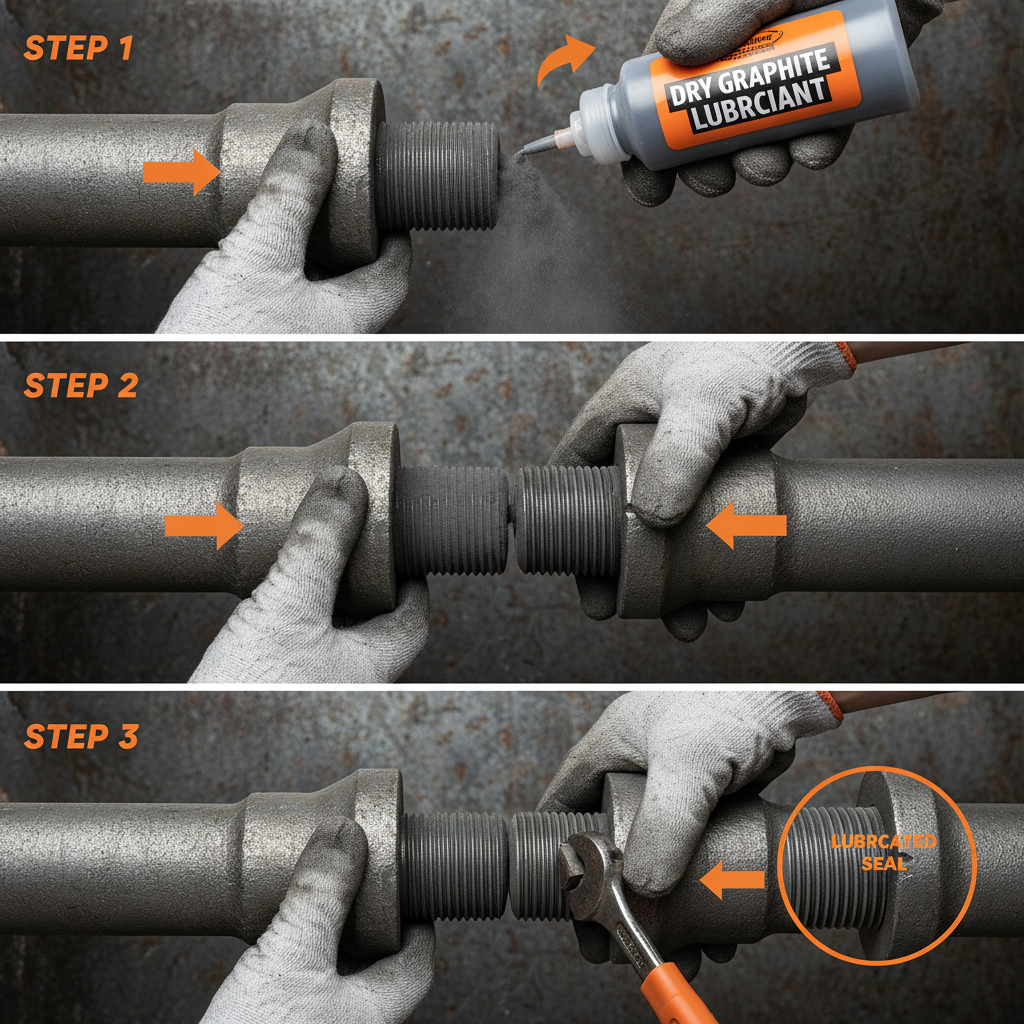
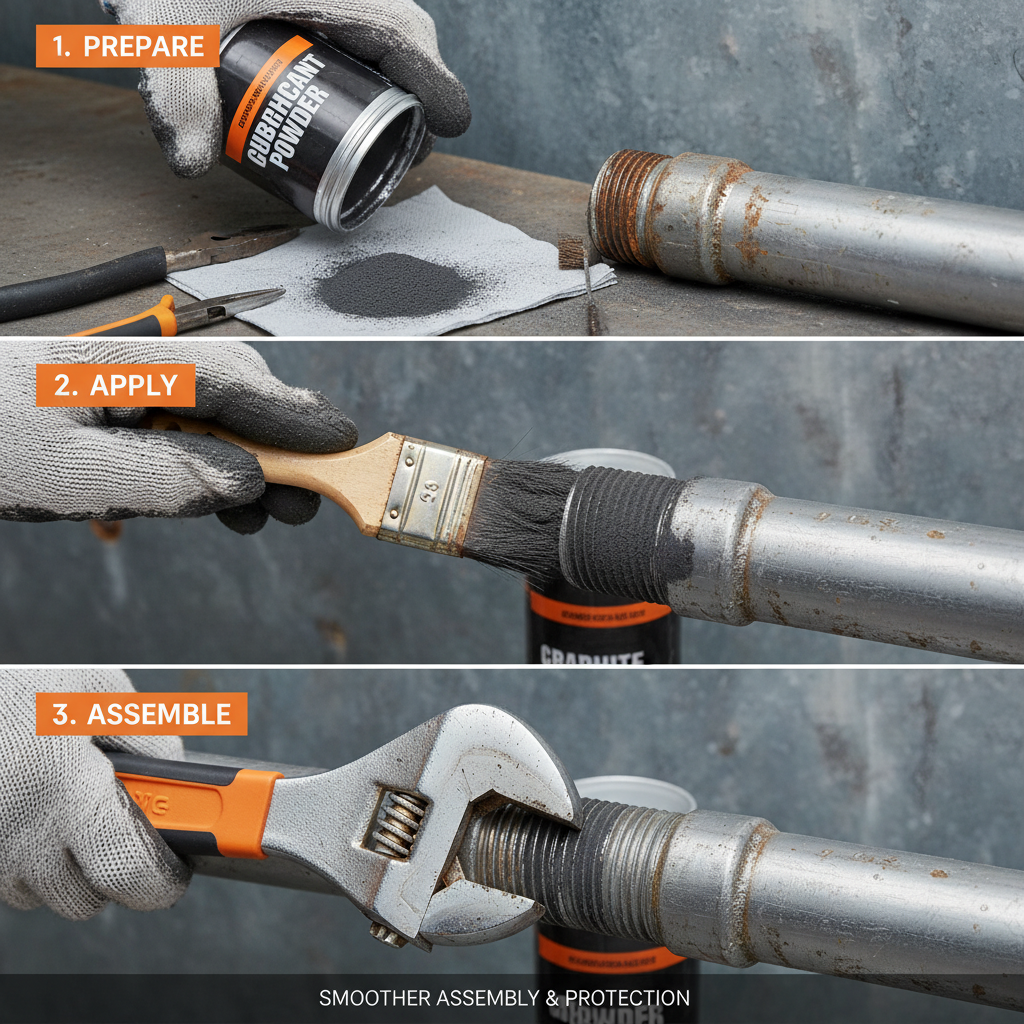
At its heart, bulk graphite powder consists of tiny, flaky carbon particles derived from mining natural graphite or producing synthetic graphite. It’s bulk because it’s produced and sold in large volumes rather than specialty, purified grades. The powder’s fine particle size and layered crystalline structure grant it excellent electrical conductivity, heat resistance, and lubrication properties.
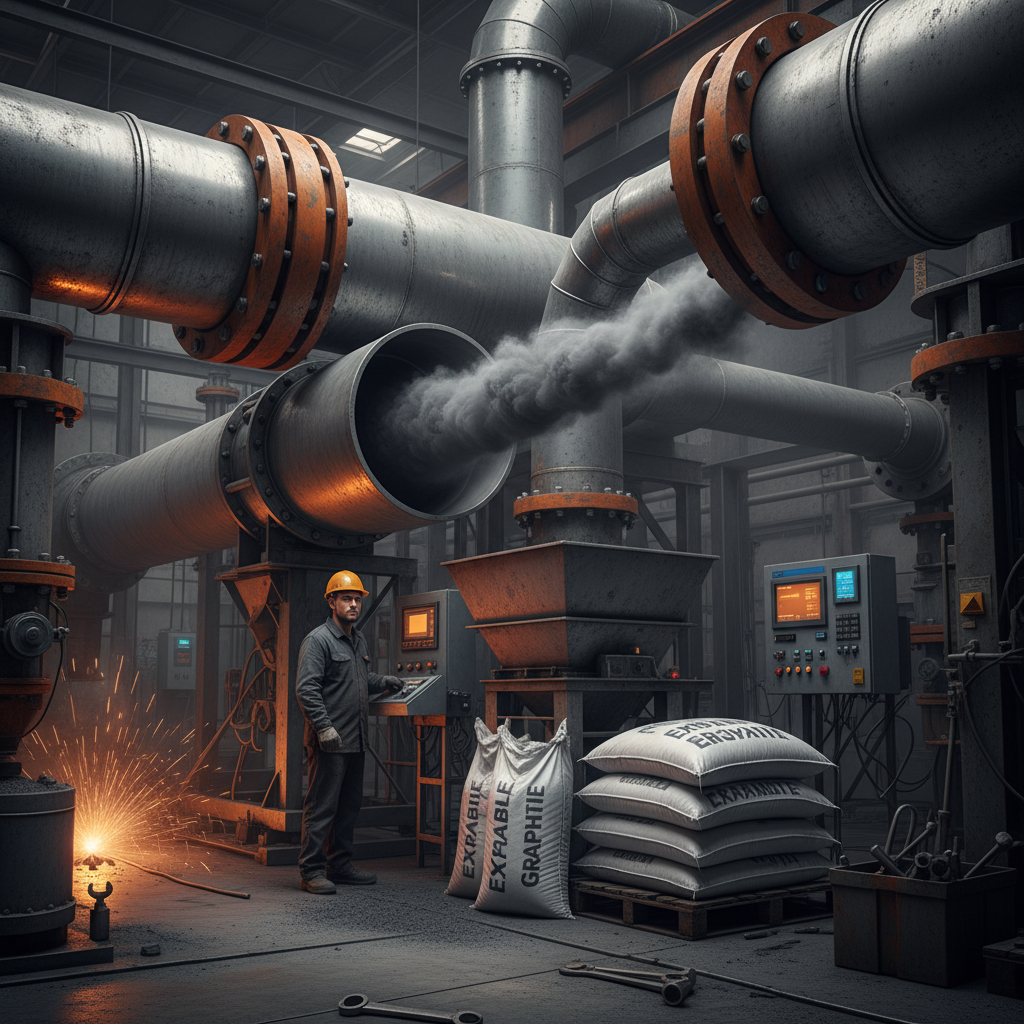
Industries rely on this powder for everything from battery anodes—which store and release energy—to refractory linings in furnaces that withstand extreme heat. Oddly enough, it’s also a key ingredient in pencils, though that’s sort of old school compared to high-tech uses.
Key Factors Driving Bulk Graphite Powder Quality and Use
- Purity: Battery applications demand extremely pure graphite powder (>99.9%). Impurities can reduce battery life or cause safety issues.
- Particle Size Distribution: Finer particles improve packing density and surface reactions—but they must be balanced to avoid dust and handling issues.
- Scalability: Industries need large, reliable volumes. Bulk production capacity matters immensely for cost and supply stability.
- Thermal Stability: For high-temp applications, graphite powder must resist degradation at thousands of degrees Celsius.
- Conductivity: Electrical and thermal conductivity define usability in electronics, lubricants, and metal casting.
- Environmental Impact: Sustainable sourcing and processing practices increasingly factor into supplier choice.
Understanding these aspects is vital if you want to select the right graphite powder for specific tasks—whether that’s creating a cutting-edge EV battery or reinforcing industrial parts for offshore wind turbines.
Bulk Graphite Powder Product Specifications
| Specification | Typical Range | Notes |
|---|---|---|
| Carbon Content | 97 - 99.9% | High purity needed for batteries |
| Particle Size (D50) | 5 - 75 microns | Tailored per application |
| Ash Content | <0.5% | Minimizes impurities |
| Bulk Density | 0.3 - 0.6 g/cm³ | Impacts handling and packing |
Leading Vendors: A Quick Comparison
| Vendor | Purity (%) | Production Capacity (tons/year) | Sustainability Efforts | Price Level |
|---|---|---|---|---|
| Nippon Graphite Corp | 99.9 | 30,000 | ISO 14001 certified, eco-friendly mining | High |
| GrapheneBulk Ltd | 98.5 | 50,000 | Recycling initiatives, carbon offset | Medium |
| EcoCarbon Minerals | 97.0 | 20,000 | Focus on sustainable sourcing | Low |
Global Applications & Use Cases
Bulk graphite powder finds itself at the heart of some of today’s most innovative sectors. In Asia and North America, battery manufacturers turn to it for lithium-ion anodes that power everything from smartphones to electric cars. In Europe, the steel industry leverages graphite powder in refractory bricks lining blast furnaces, keeping them durable under punishing heat.
Interestingly, humanitarian efforts also benefit. For example, in remote or disaster-affected regions, graphite powder’s proven performance in thermal insulation has facilitated the development of off-grid, low-cost energy solutions—helping communities maintain warmth or cook efficiently when traditional fuels are scarce.
Advantages & Long-Term Value of Bulk Graphite Powder
- Cost Efficiency: Bulk supply chains and scalable production help keep prices competitive for large industries.
- Sustainability: Natural graphite is abundant and recyclable; combined with greener mining, this supports long-term material security.
- Reliability: Its chemical stability and heat resistance make it dependable across extreme industrial conditions.
- Social Impact: By enabling renewable energy technologies like EVs and wind power, graphite powder indirectly supports cleaner environments and healthier communities.
Frankly, it feels like graphite powder quietly underpins a vast ecosystem of progress, one that might just help solve some of our most pressing climate challenges.
Emerging Trends & Innovations
The future for bulk graphite powder looks dynamic. Researchers are refining synthetic graphite powders with enhanced performance and lower environmental footprints. Meanwhile, the rise of green energy technology, like solid-state batteries, demands even purer, more precisely engineered graphite powders.
Automation in mining and production is also streamlining supply chains, while stricter global sustainability standards mean suppliers must innovate to reduce carbon emissions and waste. It’s a fascinating intersection of traditional mining and cutting-edge tech.
Challenges & Solutions
The journey isn’t without bumps. Fluctuating raw material quality can delay battery makers, while environmental concerns about mining practices have sparked calls for transparency and cleaner processing techniques.
One promising approach lies in combining natural bulk graphite powder with recycled graphite from spent batteries—a circular model that addresses both supply risk and waste.
FAQ: Frequently Asked Questions About Bulk Graphite Powder
- Q: How does bulk graphite powder differ from flake graphite?
- A: Flake graphite refers to the shape of natural graphite crystals; bulk graphite powder is the processed, finely milled form often derived from flakes. Bulk powder is easier to standardize and tailor for industrial application.
- Q: What purity level do lithium-ion battery manufacturers require?
- A: Typically, battery-grade graphite requires carbon purity above 99.9% to ensure high energy density and safety.
- Q: Can bulk graphite powder be sourced sustainably?
- A: Yes. Many suppliers follow ISO environmental standards, and innovations in recycling graphite waste further improve sustainability.
- Q: What industries use bulk graphite powder besides batteries?
- A: Steelmaking, lubricants, brake linings, refractories, and electronics are all significant users.
- Q: What is the typical delivery format for bulk graphite powder?
- A: Usually, it's shipped in large bags or bulk containers but can be customized according to volume and handling requirements.
Conclusion: Your Next Step With Bulk Graphite Powder
In real terms, bulk graphite powder is more than a mineral—it’s a cornerstone material enabling some of the biggest leaps in technology and sustainability worldwide. Whether you’re an industrial buyer, engineer, or sustainability advocate, understanding this powder helps connect the dots between mineral resources and tomorrow’s innovations.
If you want to explore quality bulk graphite powder options, I’d recommend visiting https://www.nlgraphite.com for comprehensive product information and supply solutions.
Oddly enough, the future sometimes hinges on the smallest of particles.
References:
 Pervious
 Next
Next