

- Englist



Carbon Electrode Paste Comparison: Low Resistivity Options for Ferroalloy Furnaces

SIDE BY SIDE
Carbon Electrode Paste Comparison: Low Resistivity Options for Ferroalloy Furnaces
This comparison reviews two carbon electrode paste options from Shijiazhuang nalai biotechnology Co., Ltd: Low Resistivity Carbon Electrode Paste and Premium Carbon Electrode Paste. It focuses on applications, shapes, raw-material descriptions, and supply information.

Low Resistivity Carbon Electrode Paste for Ferro Alloy Furnaces Carbon Electrode Paste
Premium Carbon Electrode Paste Factory High Conductivity Smelting Suppliers in China
Selecting carbon electrode paste for a ferroalloy or calcium carbide furnace requires more than a low-resistivity label. Buyers should match the product form and material description with the furnace design, then request comparable technical and commercial records before approval.
This comparison covers two product pages from Shijiazhuang nalai biotechnology Co., Ltd:
- Low Resistivity Carbon Electrode Paste
- Premium Carbon Electrode Paste
Intended applications and product features are described.
At-a-glance comparison
| Criterion | Low Resistivity Carbon Electrode Paste | Premium Carbon Electrode Paste |
|---|---|---|
| Documented primary applications | Ferroalloy and calcium carbide furnaces | Ferroalloy and calcium carbide furnaces |
| Documented shapes | Plate, trapezoid, egg, and cylinder | Cylinder, trapezoid, and oval (egg type) |
| Published raw-material description | Calcined coal, asphalt, coal tar, and graphite powder; the page also describes electric calcined coal, anode scrap, and calcined coke powder | Electric calcined coal, asphalt, and coal tar; the page also identifies Taixi coal and needle coke in its description |
| Documented product positioning | Low resistivity and sintering performance for large-scale, air-tight submerged arc furnaces | Low resistivity, conductivity, temperature resistance, and sintering performance for heavy-duty smelting applications |
| Published supply information | China origin; 50,000 tons/month; MOQ 20 tons; 2–3 weeks after deposit; FOB, CFR, and CIF stated | China origin; 50,000 tons/month; MOQ 20 tons; 2–3 weeks after deposit; standard export package stated |
| Published test or quality information | Quality-control system and professional engineering oversight are described | Quality-control system and testing for resistivity and sintering performance are described |
1. Application and furnace context
Both product pages identify ferroalloy and calcium carbide furnaces as primary applications. Both also refer to electric-furnace equipment and submerged arc furnace conditions. The low-resistivity page specifically discusses larger, more air-tight submerged arc furnaces and the need for sintering performance when external heat available during calcination is reduced. The premium page makes a similar connection between larger, tighter furnaces and sintering performance.
Application scope is not a differentiator. Procurement teams should instead confirm furnace type, electrode arrangement, paste charging method, operating temperature, and the supplier’s recommended grade for the specific installation.
2. Shape and fit
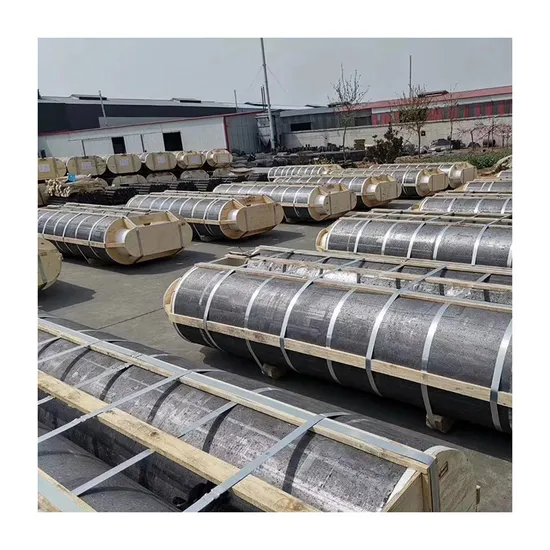
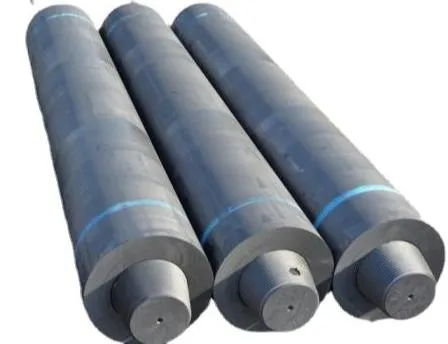
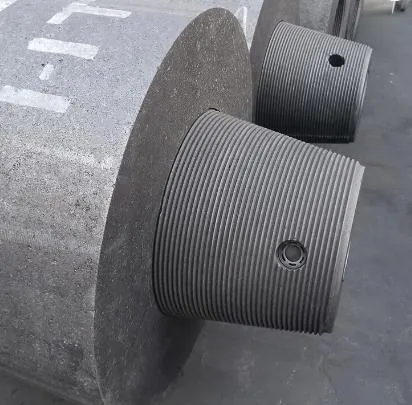
Shape is one of the clearest documented differences in the product descriptions. The low-resistivity page lists plate, trapezoid, egg, and cylinder forms. The premium page lists cylinder, trapezoid, and oval (egg type) forms.
The two products therefore overlap on trapezoid, egg or oval, and cylinder forms. Only Low Resistivity Carbon Electrode Paste explicitly lists a plate form.
Before ordering, buyers should provide the required shape, dimensions, tolerances, packaging requirements, and furnace interface details.
3. Raw-material documentation
The low-resistivity product page names calcined coal, asphalt, coal tar, and graphite powder as main raw materials. Its longer description additionally mentions electric calcined coal, anode scrap, and calcined coke powder, and identifies Taixi coal from Ningxia in the material discussion.
The premium product page lists electric calcined coal, asphalt, and coal tar as raw materials. It also identifies Taixi coal and needle coke in its published description.
These descriptions are not presented in an equivalent formulation table. Neither source supplies percentages, particle-size distribution, binder ratio, ash specification, volatile matter, fixed carbon, moisture, or a batch certificate. A buyer comparing material suitability should request the same document set for both options rather than treating a longer raw-material list as proof of superior performance.
4. Resistivity, conductivity, and sintering claims
Both products are described as low-resistivity carbon electrode paste. The low-resistivity page positions the product around electrical conductivity and sintering performance in large-scale, air-tight furnace conditions. The premium page describes low resistivity, high electrical conductivity, temperature resistance, and sintering performance.
Terms such as “high” or “low” are product positioning, not directly comparable test results.
For a technically valid comparison, request a shared test protocol covering resistivity, apparent density, crushing strength where relevant, ash, volatile matter, and sintering behavior. The current materials do not establish those values.
5. Supply and procurement documentation
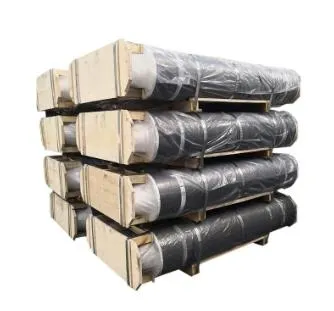
The two pages publish similar headline supply information: China origin, a stated production capacity of 50,000 tons per month, a minimum order quantity of 20 tons, and a stated delivery time of 2–3 weeks after deposit. The low-resistivity page also states FOB, CFR, and CIF shipping terms. The premium page states standard export packaging and describes FOB, CFR, and CIF support in its logistics information.
These are supplier-published statements, not independently verified commercial commitments. Buyers should confirm the quotation date, exact specification, available shape, batch quantity, packing method, lead time, inspection terms, and applicable delivery term in a current quotation and contract. Prices are not compared because no approved price information is provided.
For a closer review of the premium product, see the Premium Carbon Electrode Paste product page.
6. Which documentation should a buyer request?
A fair purchasing decision should request equivalent records for both options:
- A technical data sheet naming the grade, shape, dimensions, and tolerances.
- Raw-material and formulation information at the level the supplier is able to disclose.
- Batch inspection data with the test methods and units clearly identified.
- Recommended charging, storage, and handling conditions for the intended furnace.
- Packaging, quantity, lead-time, and delivery-term details in the quotation.
Conclusion
The published materials show substantial overlap between the two carbon electrode paste options: both are presented for ferroalloy and calcium carbide furnaces, both include trapezoid, egg or oval, and cylinder forms, and both are described with low-resistivity and sintering-related positioning. The clearest documented distinction is that the low-resistivity page lists a plate form, while the premium page emphasizes a premium carbon electrode paste formulation and identifies needle coke in its description.
Those differences are not enough to establish which product will perform better in a particular furnace. The selection should remain conditional on an equivalent technical data package, matched testing, and confirmation of the furnace-specific requirements.
THE PEOPLE

About the author
THE COMPANY
Shijiazhuang nalai biotechnology Co., Ltd
Shijiazhuang nalai biotechnology Co., Ltd is a professional manufacturer in integrating design, development, trial and production. Our main products are graphite electrode, graphite rod, graphite block, graphite crucible., with 30 technicians and 360 skilled workers, and has a strict quality control system. Custom styles are available.Competitive price and high quality products, when we get your inquiry, we will come back to you at the first time.…
About Us ↗Visit company website ↗YOUR NEXT STEP
Bring your brief. Start a useful conversation.
Use case, specification, quantity and delivery window: make the next conversation specific.
 Pervious
 Next