

- Englist



Choosing a High Purity Graphite Rod: Grade, Form and Application Requirements

THE BUYER'S GUIDE / SELECTION
Choosing a High Purity Graphite Rod: Grade, Form and Application Requirements
Selecting the right high purity graphite rod starts with understanding the grade requirements of your process, the physical form that best fits your equipment, and the operating conditions the part must survive. This guide uses confirmed specifications from Shijiazhuang nalai biotechnology Co., Ltd's graphite tube range to explain the core selection criteria buyers should evaluate before placing an order.

Ash content (purity): confirmed at 0.05% for Shijiazhuang nalai biotechnology Co., Ltd's graphite tube; lower ash minimises contamination in smelting, chemical, battery, and electronic applications.
Mechanical strength: compressive strength 50 MPa and bending strength 25 MPa; must be matched against the load and support conditions of the intended application.
Bulk density (1.68–1.85 g/cm³): higher density indicates finer particle structure, lower porosity, and generally improved thermal and electrical conductivity.
Refractoriness above 2000 °C: confirms suitability for vacuum furnaces, high-temperature stoves, and metal smelting environments.
Physical form and dimensional customisation: rod vs. tube vs. block selection depends on the mechanical role; custom sizes are accepted.
Surface quality and particle fineness: fine-particle graphite provides a harder surface, more uniform conductivity, and is preferred for electronic and battery applications.
What Makes Graphite Suitable for High-Purity Applications?
A high purity graphite rod is used wherever contamination must be minimised: metal smelting, vacuum furnace heating elements, chemical reactors, battery electrode manufacturing, and semiconductor-adjacent processes. The defining characteristics that qualify a graphite form for these environments include low ash content, high bulk density, and resistance to chemical erosion and thermal shock.
The graphite tube range produced by Shijiazhuang nalai biotechnology Co., Ltd provides a useful reference point for any buyer evaluating cylindrical graphite forms — rods, tubes, and pipes — because the confirmed specifications quantify the properties that matter most in demanding applications.
Key Selection Criteria
1. Purity — Ash Content
Ash content is the most direct indicator of purity for carbon-based materials. According to confirmed product data, the ash content of Shijiazhuang nalai biotechnology Co., Ltd's graphite tube is 0.05%. A lower ash figure means fewer non-carbon impurities that could contaminate a melt, react with process chemicals, or degrade electrical performance.
Buyers should match the required ash level against their process standard. For general metallurgical use an ash content at or below 0.3% is widely acceptable; for high-purity smelting, semiconductor, and battery applications, values at or below 0.05% are typically preferred.
2. Mechanical Strength — Compressive and Flexural Ratings
A graphite rod or tube that fractures under load causes process downtime and potential contamination. The confirmed specification shows:
- Compressive strength: 50 MPa
- Bending (flexural) strength: 25 MPa
These values should be checked against the load the part will bear in service — whether it is a stationary crucible support, a rotating mixing rod, or a structural electrode suspended in a furnace.
3. Bulk Density — Porosity and Conductivity Proxy
Higher bulk density correlates with finer particle structure, lower porosity, and generally better thermal and electrical conductivity. The confirmed bulk density range for this graphite form is 1.68–1.85 g/cm³. Parts at the higher end of that range are preferred for applications requiring superior conductivity or where liquid infiltration through pores must be prevented.
4. Thermal Performance — Refractoriness
The confirmed data places refractoriness above 2000 °C, which means the material retains structural integrity at extreme operating temperatures encountered in vacuum furnaces, high-temperature stoves, and metal smelting equipment. Buyers processing reactive metals or operating at temperatures above 1500 °C should verify this thermal ceiling against their specific process profile.
5. Physical Form and Dimensional Customisation
Graphite is available in multiple forms — rod, tube, block, crucible, plate — and the correct form depends on the mechanical role in the equipment. Shijiazhuang nalai biotechnology Co., Ltd offers custom sizing for the graphite tube product line. Buyers requiring specific outer diameters, wall thicknesses, lengths, or machined features (threads, flanges, tapers) should confirm dimensional tolerances and minimum order requirements directly with the supplier before specifying a part.
6. Surface Quality and Particle Fineness
Fine particle structure contributes to a harder, smoother surface, better flexural performance, and more uniform conductivity. The confirmed product description highlights fine particles, high density and strength, and a hard surface with good flexural characteristics as production advantages. For applications such as electronic component manufacturing or circuit board fabrication where surface finish affects downstream performance, specifying fine-particle graphite reduces finishing rework.
Application Matching Guide
| Application Area | Key Property to Verify | Notes |
|---|---|---|
| Metal smelting / furnace electrodes | Ash content, compressive strength | Contamination risk is high; target low ash |
| Vacuum furnace heating elements | Refractoriness, bulk density | Confirm > 2000 °C thermal rating |
| Chemical reactors / heat exchangers | Corrosion resistance, bending strength | Chemical stability of graphite is an asset |
| Battery electrodes / electronic parts | Ash content, electrical conductivity | Fine-particle, high-density grade preferred |
| Crucible and boat manufacture | Compressive strength, customisation | Custom dimensions often required |
| Nuclear energy components | Purity, refractoriness | Verify specific grade with supplier |
Forms Available from Shijiazhuang nalai biotechnology Co., Ltd
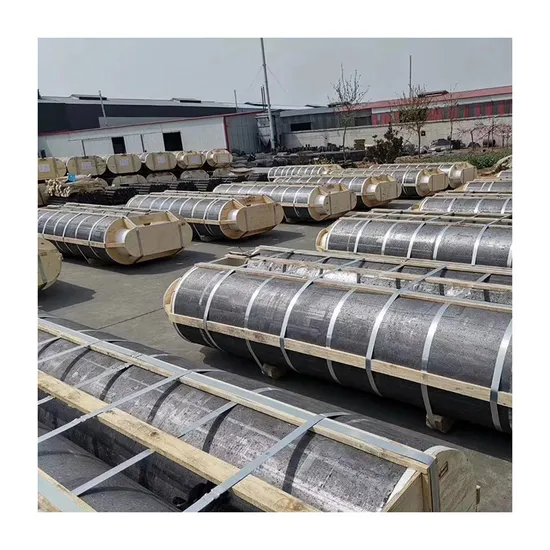
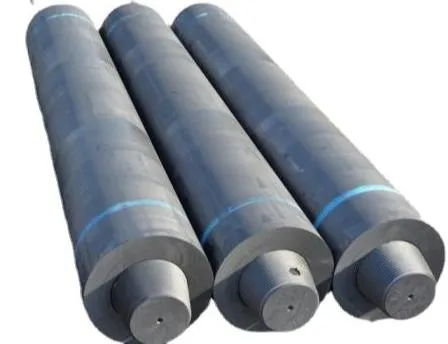
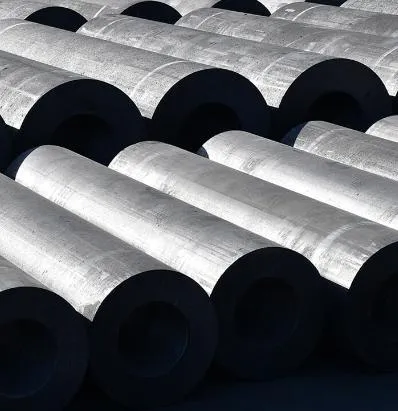
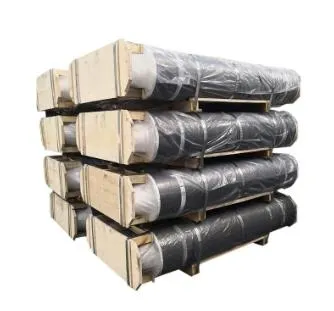
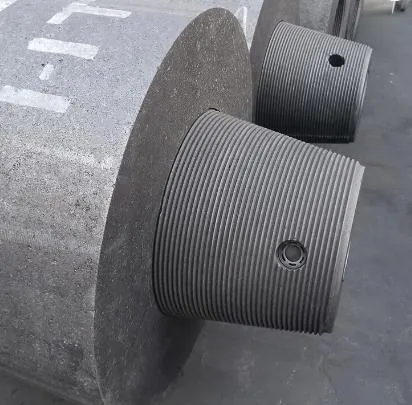
The company's confirmed product range includes graphite rod, graphite tube, graphite block, graphite plate, graphite mould, graphite crucible, graphite rotor and shaft, graphite sealing, and graphite felt. Buyers requiring a hollow cylindrical form — for example as a reactor liner or furnace tube — can consider the High Quality High Purity Customized Graphite Tube, which is produced with the specifications listed above and is available in custom dimensions.
For buyers evaluating a solid rod form, many of the same base material properties (ash content, density, compressive strength) apply, because Shijiazhuang nalai biotechnology Co., Ltd uses the same graphite material family across its rod and tube product lines. Confirm exact specifications with the supplier for the specific rod grade required.
Selection Notes
- For prices, lead times and export certifications, contact Shijiazhuang nalai biotechnology Co., Ltd directly for a quotation.
- Custom dimensions are accepted; supply your required outer diameter, inner diameter (for tubes), length, and any machined feature drawings when enquiring.
- Samples are available for testing before bulk order; this is advisable for new applications or where process specifications are tight.
- Minimum order and production capacity: the confirmed production capacity is 1000 tonnes per month; minimum order quantities should be confirmed with the sales team.
Summary
Choosing the right high purity graphite rod — or its hollow equivalent, a graphite tube — requires buyers to evaluate at minimum: ash content (purity), compressive and flexural strength, bulk density, and the thermal operating ceiling. Shijiazhuang nalai biotechnology Co., Ltd's confirmed specification data — 0.05% ash, 50 MPa compressive strength, 25 MPa bending strength, bulk density 1.68–1.85 g/cm³, and refractoriness above 2000 °C — provides a concrete benchmark for comparing alternative suppliers or confirming fit for a specific process requirement. Custom sizing and sample availability reduce procurement risk for specialised applications.
THE PEOPLE

About the author
THE COMPANY
Shijiazhuang nalai biotechnology Co., Ltd
Shijiazhuang nalai biotechnology Co., Ltd is a professional manufacturer in integrating design, development, trial and production. Our main products are graphite electrode, graphite rod, graphite block, graphite crucible., with 30 technicians and 360 skilled workers, and has a strict quality control system. Custom styles are available.Competitive price and high quality products, when we get your inquiry, we will come back to you at the first time.…
About Us ↗Visit company website ↗YOUR NEXT STEP
Bring your brief. Start a useful conversation.
Use case, specification, quantity and delivery window: make the next conversation specific.
 Pervious
 Next