

- Englist



Carbon Electrode Paste Uses: High Purity, Stable, Economical

Carbon Electrode Paste Uses is a key solution in the Materials industry industry, specifically within carbon materials and Carbon electrode material. This article explores how Shijiazhuang nalai biotechnology Co., Ltd supports professionals with durable, high-performance products, and explains why this product is an ideal choice for businesses in these sectors.
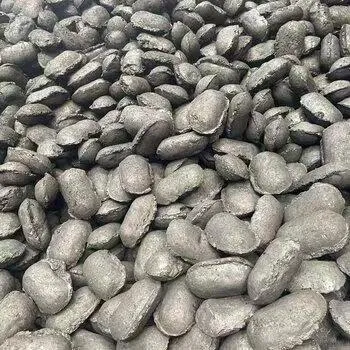
Table of Contents
- Carbon Electrode Paste Uses Overview
- Benefits & Use Cases of Carbon Electrode Paste Uses in Carbon electrode material
- Cost, Maintenance & User Experience
- Sustainability & Market Trends in Materials industry
- Conclusion on Carbon Electrode Paste Uses from Shijiazhuang nalai biotechnology Co., Ltd
Carbon Electrode Paste Uses Overview
Carbon electrode paste—often called Soderberg or self-baking electrode paste—is a precisely engineered blend of calcined anthracite/petroleum coke aggregates and coal-tar-pitch binders. In submerged arc furnaces (SAF) and allied high-temperature processes, the paste is charged into the electrode casing, then bakes in-situ to form a dense, conductive carbon electrode. Key performance metrics include ash and sulfur content, volatile matter, apparent density, electrical resistivity, compressive strength, and softening point. Optimized particle-size distribution and controlled binder chemistry enable stable baking, high current-carrying capacity, and low consumption per ton of product—directly impacting furnace uptime and energy efficiency.
Typical Carbon Electrode Paste Uses span ferroalloys (FeSi, SiMn, FeMn), silicon metal, calcium carbide, yellow phosphorus, and titanium slag smelting. For B2B buyers, the ability to tailor paste hardness, volatility, and baking behavior to specific furnace conditions (power, burden, and cooling) is essential. Shijiazhuang nalai biotechnology Co., Ltd combines rigorous raw material selection with tight process control to deliver consistent paste quality in briquette or cylinder form, backed by application support that helps operators reduce electrode breakage risk and maximize throughput. As a reliable manufacturer, the company aligns specifications to customer KPIs, from electrode stability to energy intensity, ensuring dependable performance across demanding thermal cycles.
Benefits & Use Cases of Carbon Electrode Paste Uses in Carbon electrode material
In carbon electrode material applications, the paste’s job is threefold: bake uniformly, conduct efficiently, and resist mechanical/thermal shock. In ferroalloy and silicon metal SAFs, steady baking produces a robust electrode column that tolerates high currents and thermal gradients. In calcium carbide and yellow phosphorus furnaces, consistent softening and coking behavior help maintain stable arc control and burden penetration. Beyond SAFs, plants also rely on tailored carbon paste electrode formulations for maintenance and start-up routines, ensuring consistent performance across duty cycles and load changes.
Shijiazhuang nalai biotechnology Co., Ltd’s product advantages include low ash and sulfur baselines, optimized volatility for clean baking, and controlled resistivity for predictable current distribution. Customers can select briquettes or cylindrical blocks to match charging systems, while custom binder content and granulometry address site-specific cooling, casing geometry, and electrode movement profiles. These features translate to fewer electrode incidents, smoother furnace operation, and improved power efficiency—key differentiators when evaluating total value, not just the carbon paste electrode price. Coupled with technical support for furnace tuning and paste feeding practices, the company’s expertise helps operators accelerate time-to-stability after startups and minimize unplanned downtime.
Cost, Maintenance & User Experience
For B2B decision makers, total cost of ownership (TCO) outweighs unit pricing. While the carbon paste electrode price is shaped by raw material indices (calcined anthracite, petroleum coke, coal-tar pitch), logistics, and specialty low-PAH binders, ROI hinges on operational outcomes: electrode consumption rate, furnace power factor, energy per ton, and downtime from electrode events. A stable, low-ash paste with consistent softening/coking behavior typically reduces corrections, trimming maintenance time and safeguarding throughput. Many buyers therefore benchmark TCO via KPIs such as incidents per campaign, bake-zone stability, and current-carrying efficiency rather than price alone.
Shijiazhuang nalai biotechnology Co., Ltd supports cost optimization through specification matching (paste hardness, volatility, and granulometry to furnace power and cooling), reliable packaging (jumbo bags for clean handling), and responsive logistics. Users report smoother paste feeding, quicker stabilization after set-point changes, and cleaner electrode columns when adhering to recommended storage, moisture control, and charging procedures. Practical guidance—on top charging versus side-block addition, bake-zone temperature monitoring, and casing movement—helps maintenance teams sustain consistent performance. The result is a balanced procurement strategy: competitive carbon paste electrode pricing with measurable process benefits that compound over long furnace campaigns.
Sustainability & Market Trends in Materials industry
Sustainability priorities in carbon electrode materials increasingly focus on emissions control, safer binder chemistry, and resource efficiency. Markets are trending toward lower-PAH binder options, improved off-gas capture, and tighter control of sulfur, nitrogen, and ash to help limit SOx/NOx formation and reduce dusting. Regulatory expectations (e.g., customer REACH/RoHS declarations where applicable), plus stakeholder pressure for transparent sourcing and environmental reporting, are shaping procurement decisions just as much as furnace KPIs. Meanwhile, growth in EVs, stainless steel, solar-grade silicon, and specialty chemicals continues to expand demand for reliable electrodes in high-intensity smelting operations.
Shijiazhuang nalai biotechnology Co., Ltd positions sustainability as a practical enabler of productivity. By emphasizing cleaner binder systems, consistent raw material selection, and documentation support (COA, MSDS, and compliance statements upon request), the company helps customers meet evolving EHS and audit requirements without sacrificing performance. Packaging optimization, moisture control guidelines, and best-practice feeding procedures further reduce waste. As end users modernize furnaces for higher power and lower emissions, the company’s application support ensures that Carbon Electrode Paste Uses align with both environmental targets and throughput objectives—supporting a lower lifecycle footprint at scale.
Conclusion on Carbon Electrode Paste Uses from Shijiazhuang nalai biotechnology Co., Ltd
From ferroalloys to silicon metal and calcium carbide, Carbon Electrode Paste Uses directly influence furnace stability, energy efficiency, and output quality. Selecting a paste with controlled ash, sulfur, volatility, and resistivity—and pairing it with expert application guidance—delivers better TCO than focusing on unit price alone. Shijiazhuang nalai biotechnology Co., Ltd stands out for consistent quality, tailored formulations, and dependable technical support across complex smelting environments. If you are evaluating carbon paste electrode options or benchmarking carbon paste electrode price against performance, our team is ready to help you define the right specification for your furnace.
- Contact us: email: info@nalaibio.com
- Visit our website: https://www.nlgraphite.com
- Product details: Carbon Electrode Paste
 Pervious
 Next
Next