

- Englist


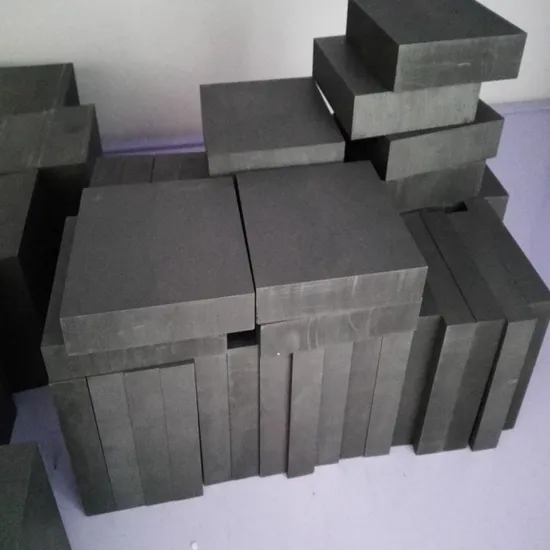
Carbon Graphite Blocks: High Purity & Density—Ready to Ship?

Thermal-Shock-Proof Performance: What’s Really Inside Today’s Furnace-Grade Graphite Blocks
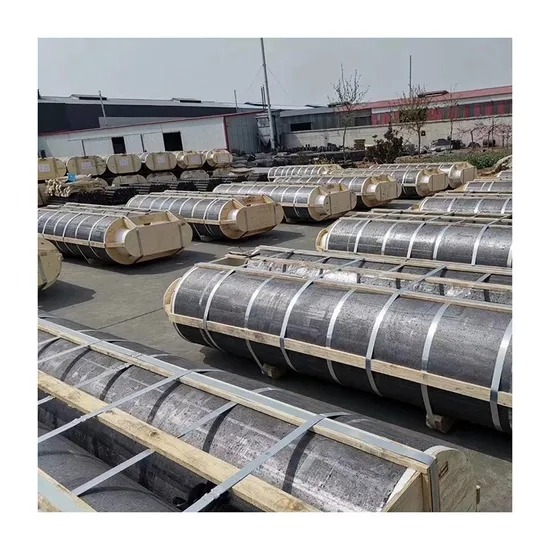
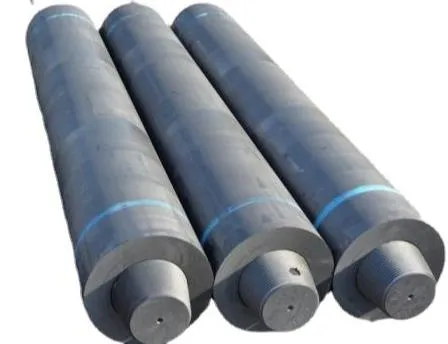
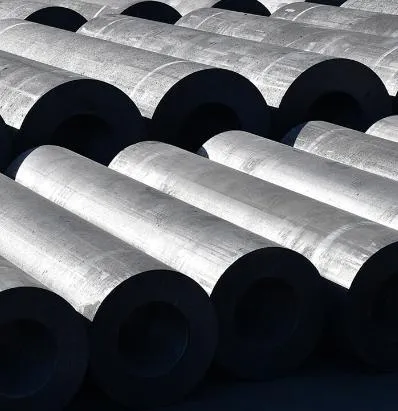
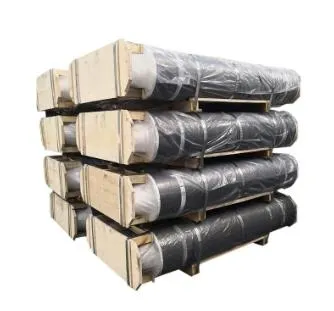
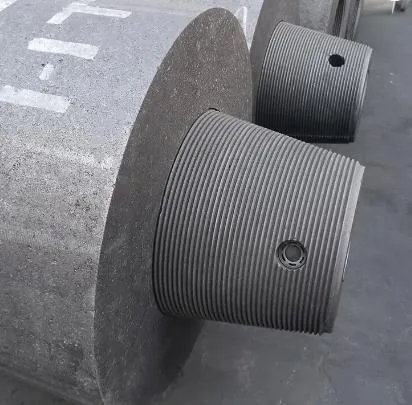
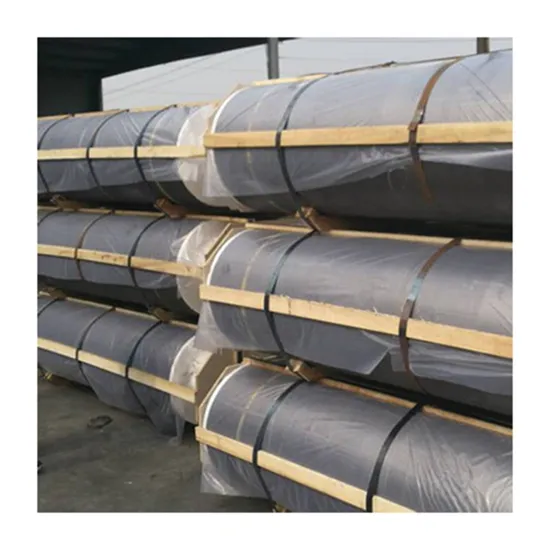
If you’re speccing a high‑temperature furnace, the smartest place to start is with carbon graphite blocks. In the photovoltaic supply chain, I keep hearing the same thing from maintenance engineers: fewer unplanned stoppages, cleaner cycles, steadier yields. To be honest, material choice is doing more heavy lifting than most people think.
Why the PV crowd is paying attention
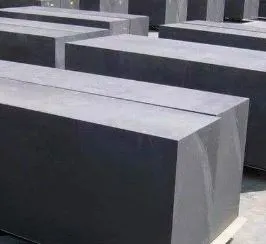
Demand for ingot and wafer capacity is still expanding, and furnaces are cycling faster. That’s where carbon graphite blocks with good thermal shock resistance step in—less cracking at ΔT spikes, reliable dimensional stability, and predictable resistivity. NL Graphite’s “Good Thermal Shock Resistance Graphite Block for Photovoltaic Industry High Temperature Furnace Application” has been showing up on my sourcing notes a lot this year, frankly because it balances cost with robust machining options.
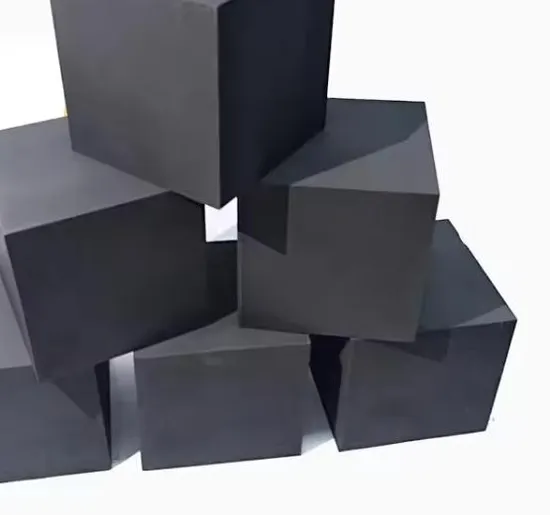
Typical specifications (PV furnace grade)
| Bulk density | ≈1.80–1.90 g/cm³ |
| Flexural strength (ASTM C651) | 35–60 MPa (room temp) |
| Compressive strength | 80–120 MPa |
| Electrical resistivity (ASTM C611) | 8–12 μΩ·m |
| Thermal conductivity (ASTM C177) | 100–150 W/m·K (≈25 °C) |
| Ash content (post‑purification) | ≤5–20 ppm (real‑world use may vary) |
| Max operating temp (inert) | ≈3000 °C |
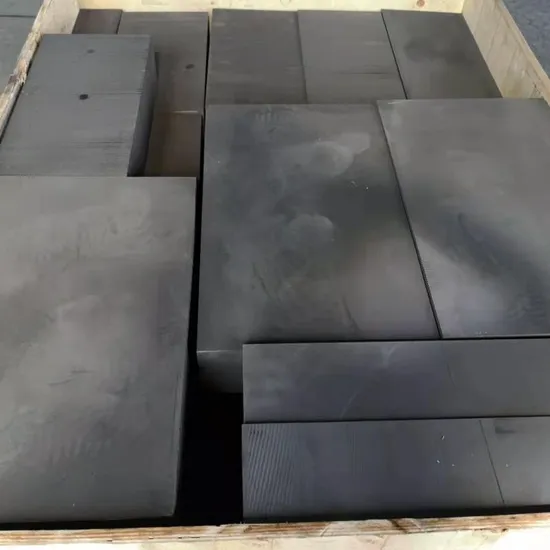
Process flow (how the material earns its keep)
Materials: premium calcined petroleum/needle coke + coal‑tar pitch. Methods: mixing → forming (isostatic or vibration) → baking → pitch impregnation (1–3x) → graphitization at 2800–3000 °C → precision machining → optional halogen or vacuum purification. Testing: resistivity (ASTM C611), flexural (ASTM C651), thermal conductivity (ASTM C177), density/porosity (ASTM C20; GB/T 3519). Service life: PV furnace fixtures typically last 2–5 years or 2,000–5,000 cycles, depending on atmosphere, ramp rates, and handling. Many customers say careful cooldown adds months—honestly, that matches what I’ve seen.
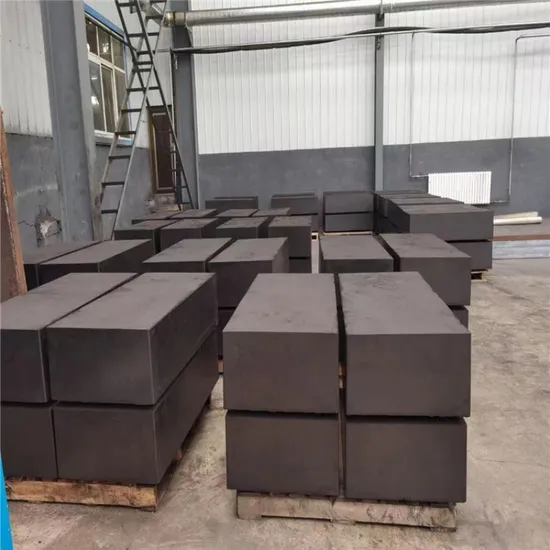
Where these blocks shine
- Photovoltaic: hot zone spacers, support blocks, susceptors for ingot/wafer processes.
- Metallurgical heat treatment: quenching fixtures that shrug off ΔT shocks.
- Chemical/electroplating: corrosion‑resistant jigs and anode supports.
- Papermaking & petrochemical: high‑temp seal faces, wear parts, oddball custom parts.
Customization is available—grain size, purity, dimensions, surface finishing, even SiC or anti‑oxidation coating. The plant origin is Qiujing yiyuan, No. 189, East 2nd Ring North Road, Chang’an District, Shijiazhuang, Hebei Province—useful for logistics planning.
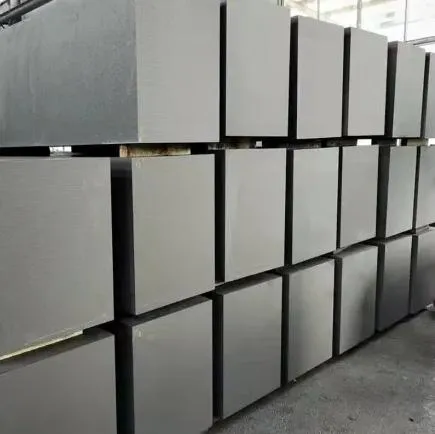
Real‑world notes
Case 1: A Jiangsu PV ingot line swapped to carbon graphite blocks from this series and reported ≈18% fewer thermal‑shock cracks over three months; yield drift stabilized after week two. Case 2: A plating shop used machined fixtures and nudged uptime +6% simply by reducing warpage. Small tweaks, big dividends.
Vendor snapshot
| Vendor | Thermal shock (ΔT cycles) | Resistivity | Lead time | Certs | Customization |
|---|---|---|---|---|---|
| NL Graphite (this product) | ≈800–1000 cycles (lab) ΔT 200–300 °C | 8–12 μΩ·m | 3–5 weeks | ISO 9001/14001, RoHS/REACH | Yes—machining, coatings, purity grades |
| Vendor A (import, generic) | ≈500–700 cycles | 10–15 μΩ·m | 6–8 weeks | ISO 9001 | Limited |
| Vendor B (local legacy) | ≈600–800 cycles | 9–14 μΩ·m | 4–6 weeks | ISO 9001/14001 | Moderate |
Practical buying tips
- Ask for resistivity and flexural strength test reports (latest lot), plus ash ppm after purification.
- Specify ramp/soak profile; vendors can tailor grain size to your ΔT reality.
- Consider SiC or antioxidant coatings if oxygen ingress is likely above 450 °C.
Authoritative citations
- ASTM C611 – Standard Test Method for Electrical Resistivity of Manufactured Carbon and Graphite Products.
- ASTM C651 – Standard Test Method for Flexural Strength of Manufactured Carbon and Graphite Articles.
- ASTM C177 – Standard Test Method for Steady-State Heat Flux Measurements and Thermal Transmission Properties.
- ASTM C20 – Apparent Porosity, Water Absorption, and Bulk Density of Refractory Materials by Boiling Water.
- GB/T 3519 – Test Methods for Properties of Graphite Materials (China National Standard).
- ISO 9001:2015 and ISO 14001:2015 – Quality and Environmental Management Systems.
 Pervious
 Next
Next