

- Englist



Carbon Graphite Rod: Durable Industrial Solutions from NL Graphite

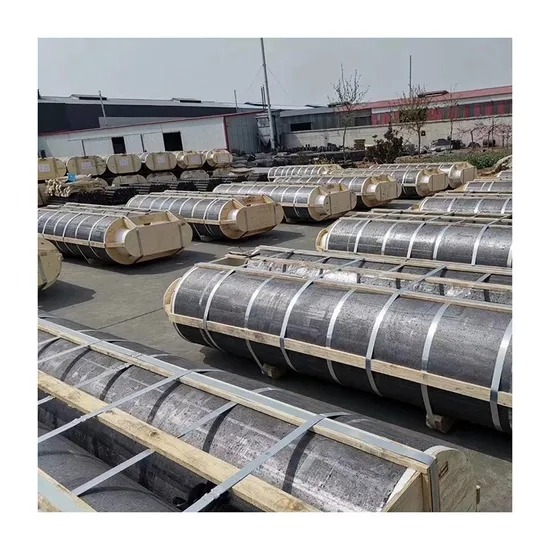
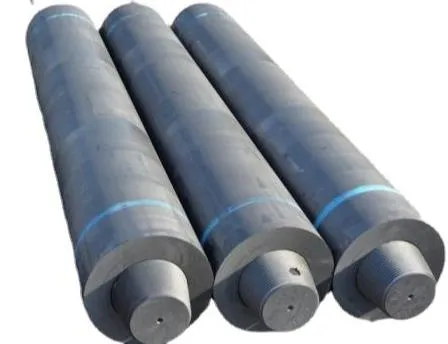
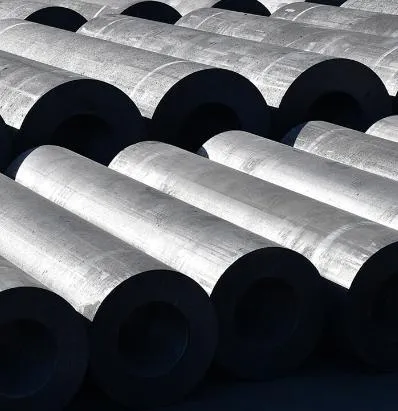
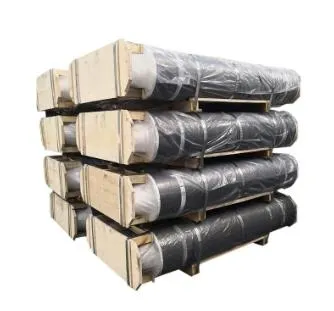
Carbon Graphite Rod is a key solution in the industry, specifically within manufacturing, chemical processing, and electrical engineering sectors. This article explores how https://www.nlgraphite.com supports professionals with durable, high-performance products, and explains why this product is an ideal choice for businesses in these sectors.
Table of Contents
- Carbon Graphite Rod Overview
- Benefits & Use Cases of Carbon Graphite Rod
- Cost, Maintenance & User Experience
- Sustainability & Market Trends
Carbon Graphite Rod Overview
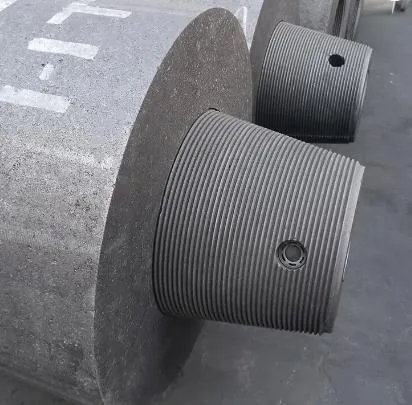
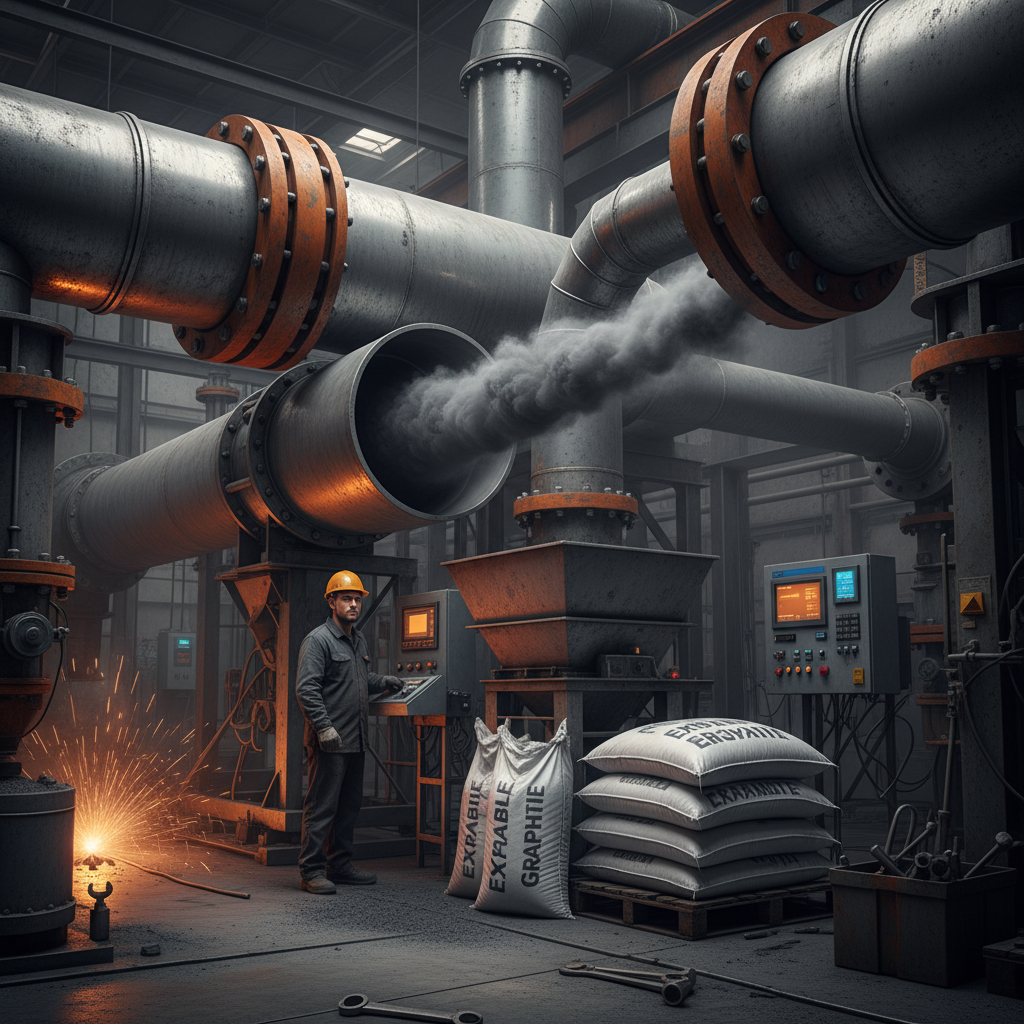
The Carbon Graphite Rod is essentially a composite material composed of carbon fibers embedded in a graphite matrix, delivering a unique blend of lightweight strength and exceptional thermal and electrical conductivity. Industries rely on this rod for applications demanding durability in extreme conditions — think high temperatures, corrosive environments, or intense electrical loads. Frankly, it’s one of those unsung heroes that quietly keeps lots of heavy machinery and electrical systems ticking.
Technically, the rods often demonstrate thermal stability up to 3000°C in non-oxidizing atmospheres and have impressive mechanical strength that can exceed many metals when weight is factored in. For instance, a recent case study from a chemical processing plant detailed how switching to carbon graphite rods improved electrode lifespan by more than 40%, reducing downtime significantly. It’s remarkable how a simple material choice can ripple through operational efficiency.
| Specification | Typical Value | Unit |
|---|---|---|
| Electrical Resistivity | 10-25 | μΩ·m |
| Flexural Strength | 60-100 | MPa |
| Density | 1.5-1.7 | g/cm³ |
| Max Temperature | 3000 | °C (Non-oxidizing) |
Benefits & Use Cases of Carbon Graphite Rod
In real-world industrial settings, the benefits of carbon graphite rods become quite clear. Whether it’s electric furnace electrodes, shaft seals in pumps, or components in aerospace systems, these rods tend to outperform traditional metals and ceramics. Their lightweight nature coupled with excellent heat resistance allows engineers to design lighter assemblies without sacrificing longevity or performance.
Moreover, many say the corrosion resistance is a huge advantage in chemical plants, particularly where acids or alkalis might rapidly degrade typical steel parts. Because the rods maintain dimensional stability under stress and heat, process controls become more reliable — which, in the end, means lower costs and fewer surprises on the factory floor.
The competitive edge also comes from the customizability. At NL Graphite, for example, you can get rods tailored in diameter, length, and even grade to suit very particular project goals. It’s no wonder these graphite rods have become a go-to across sectors like power generation and metallurgy.
Cost, Maintenance & User Experience
If you’re wondering about total cost of ownership, I suppose it helps to think beyond just the sticker price. Sure, carbon graphite rods might appear more expensive upfront compared to simple metal rods. But when you factor in how often you replace them, their ability to withstand harsh conditions, and the resulting uptime improvements, the ROI is often compelling.
Maintenance is frankly less of a nightmare as well. With many metals, corrosion or thermal fatigue requires frequent down-time for inspections or replacements. By contrast, carbon graphite rods maintain structural integrity longer, reducing both labor and parts costs. Feedback collected from chemical plants and power stations reveals satisfaction related to consistent performance and reduced unexpected outages — which engineers absolutely value.
| Vendor | Product Quality | Customization Options | Lead Time | Price Range |
|---|---|---|---|---|
| NL Graphite | High | Extensive (sizes & grades) | 2-4 weeks | $$$ |
| Vendor B | Medium | Limited | 1-3 weeks | $$ |
| Vendor C | Variable | Standard sizes | 3-5 weeks | $ |
Sustainability & Market Trends
Sustainability in industrial materials is getting louder on boardroom agendas, and carbon graphite rods are part of this conversation. Oddly enough, while graphite mining and carbon fiber production aren’t exactly green everyday topics, the long service life and recyclability of graphite rods do help reduce waste compared to frequently replaced metal parts.
Regulations pushing industries towards less toxic and more durable materials only add to the trend. Analysts predict steady growth for graphite-based components market, fueled by clean energy sectors — notably batteries, fuel cells, and electric vehicles — all of which demand reliable, heat-resistant materials. In short, carbon graphite rods are positioned not only as a technical asset but as a contributor to greener industrial practices.
Frequently Asked Questions about Carbon Graphite Rod
- What is Carbon Graphite Rod and how does it work?
- A Carbon Graphite Rod is a durable composite material combining carbon fibers with a graphite matrix that provides excellent strength, heat resistance, and conductivity. It works by offering a stable, high-performance component in systems exposed to harsh conditions.
- What are the main benefits of using Carbon Graphite Rod in industrial applications?
- Benefits include outstanding durability under stress and heat, corrosion resistance, lightweight design, and long service life – all contributing to lower maintenance costs and improved operational uptime.
- How does Carbon Graphite Rod compare to traditional alternatives?
- Compared to metals or ceramics, carbon graphite rods generally offer better thermal stability, lighter weight, and enhanced corrosion resistance, which translates into longer-lasting and more reliable components.
- What industries can benefit most from Carbon Graphite Rod implementation?
- Key industries include chemical processing, power generation, metallurgy, aerospace, and electric motor manufacturing – basically any sector where heat, corrosion, or electrical conduction pose serious design challenges.
Conclusion on Carbon Graphite Rod from china
To wrap things up, the Carbon Graphite Rod is clearly a powerhouse material engineered for demanding industrial environments. It strikes a smart balance of strength, conductivity, and resilience that many engineers say is hard to beat. Investing in quality rods from reliable suppliers like NL Graphite can pay dividends in operational uptime and maintenance efficiency — frankly, it’s worth considering if your business grapples with harsh production conditions.
- Recap the value of Carbon Graphite Rod.
- - Visit our website: https://www.nlgraphite.com
Reflecting on the material’s growing role, it’s intriguing to watch how carbon graphite rods quietly enable innovations across sectors, embodying the kind of understated technology you find everywhere once you know where to look.
 Pervious
 Next
Next