

- Englist



Carbon Rod vs Graphite | Comprehensive Guide to Materials & Applications

Carbon Rod vs Graphite: What’s the Real Difference and Why Should You Care?
If you’ve ever wondered about the difference between carbon rods and graphite components — or why some industries swear by one over the other — you’re not alone. It’s a niche topic, sure, but understanding the nitty-gritty can make a world of difference, especially in sectors like manufacturing, electronics, and even aerospace. Globally, as industries push for stronger, lighter, and more heat-resistant materials, the choice between carbon rod and graphite becomes more than just a technical detail — it shapes innovation, cost, and sustainability.
So what does this mean for you? In short, knowing the ins and outs of carbon rod vs graphite can help engineers optimize designs, businesses source smarter, and customers get products that last longer without breaking the bank.
The Global Context: Why Carbon Rod vs Graphite Matters Worldwide
On a global scale, the demand for advanced materials like carbon and graphite has skyrocketed. According to the International Carbon Society, the carbon and graphite industries have grown steadily by around 7% annually in the last five years, driven by sectors such as electric vehicle manufacturing, renewable energy, and high-tech electronics [1]. This growth speaks volumes about the materials’ unique properties and their irreplaceability in modern tech and infrastructure.
But it’s not just about growth — it’s about challenges. Many manufacturers face the problem of balancing durability, cost, and environmental impact. For example, in the push for sustainable battery technologies, the choice between carbon rods (typically used as electrodes) and graphite (favored for its conductivity and thermal properties) is critical. Choosing the right material affects energy efficiency, battery lifespan, and actually how “green” the technology is in practice.
This tug-of-war underscores why the carbon rod vs graphite debate isn’t just academic — it’s a real-world concern that leads to smarter, cleaner, and more durable solutions.
Carbon Rod vs Graphite: Defining the Basics
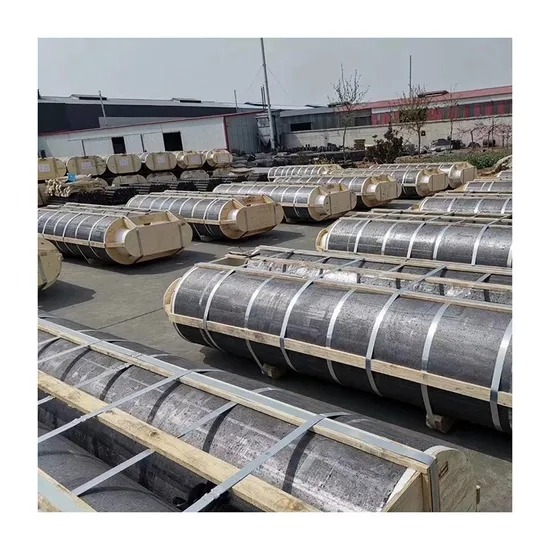
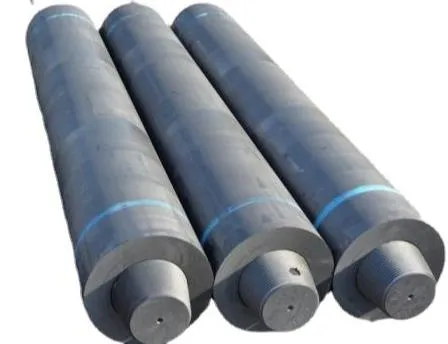
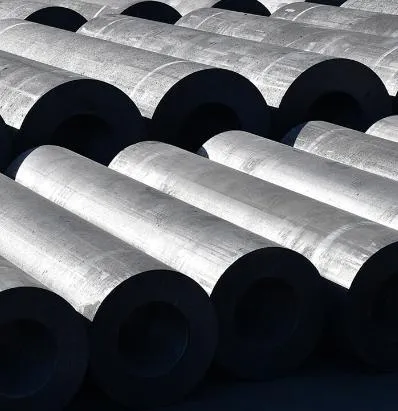
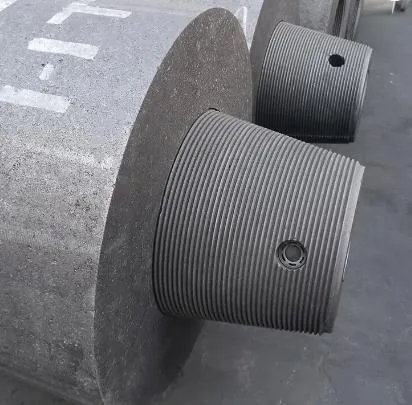
Let's break it down simply. A carbon rod is generally a solid cylindrical form made from carbon, often manufactured by compressing and baking carbon powders or fibers. They’re prized for their mechanical strength, electrical conductivity, and relatively straightforward fabrication. Think of carbon rods as workhorses — robust, reliable, and found in everything from industrial electrodes to medical equipment.
On the flip side, graphite is a particular allotrope of carbon arranged in layers of hexagonal lattices, giving it a unique combination of softness, high electrical and thermal conductivity, plus excellent lubricating qualities. Graphite pieces may look similar to carbon rods but behave quite differently at the micro-level — they’re used in applications where heat resistance and low friction matter, such as in high-temperature crucibles or as lubricants in machining.
In other words, you might say carbon rods are the strong, solid soldiers, while graphite is the slick, heat-savvy specialist.
Mini takeaway:
Both carbon rods and graphite have unique structural and electrical properties, making their choice pivotal depending on the intended industrial use.
Key Aspects You Should Know About
1. Durability and Thermal Resistance
Carbon rods tend to have greater mechanical strength and better shock resistance than standard graphite, which can be quite brittle. However, graphite has superior thermal stability, often withstanding temperatures where some carbon rods might degrade or oxidize. This makes graphite ideal in high-heat environments like the steel industry or aerospace.
2. Electrical Conductivity
Both materials conduct electricity, but graphite’s layered structure allows easier electron movement. This is why graphite is often selected for critical electrical components in batteries, electrodes, and brushes — it helps reduce energy loss and heat buildup.
3. Cost Efficiency and Scalability
Carbon rods are generally cheaper and easier to mass-produce using consolidated carbon powders or fibers. Graphite products, especially synthetic or high-purity grades, frequently demand more complex manufacturing processes and thus cost more upfront. But for applications where lifetime and efficiency matter most, that cost premium may pay off.
4. Environmental Impact
Both materials come with their sustainability stories. Synthetic graphite production can be energy-intensive, but recycled graphite and bio-based carbon fibers are gaining traction, reducing ecological footprints. Carbon rods' raw materials and manufacturing also face scrutiny, particularly relating to CO₂ emissions in certain processing methods.
5. Mechanical Properties
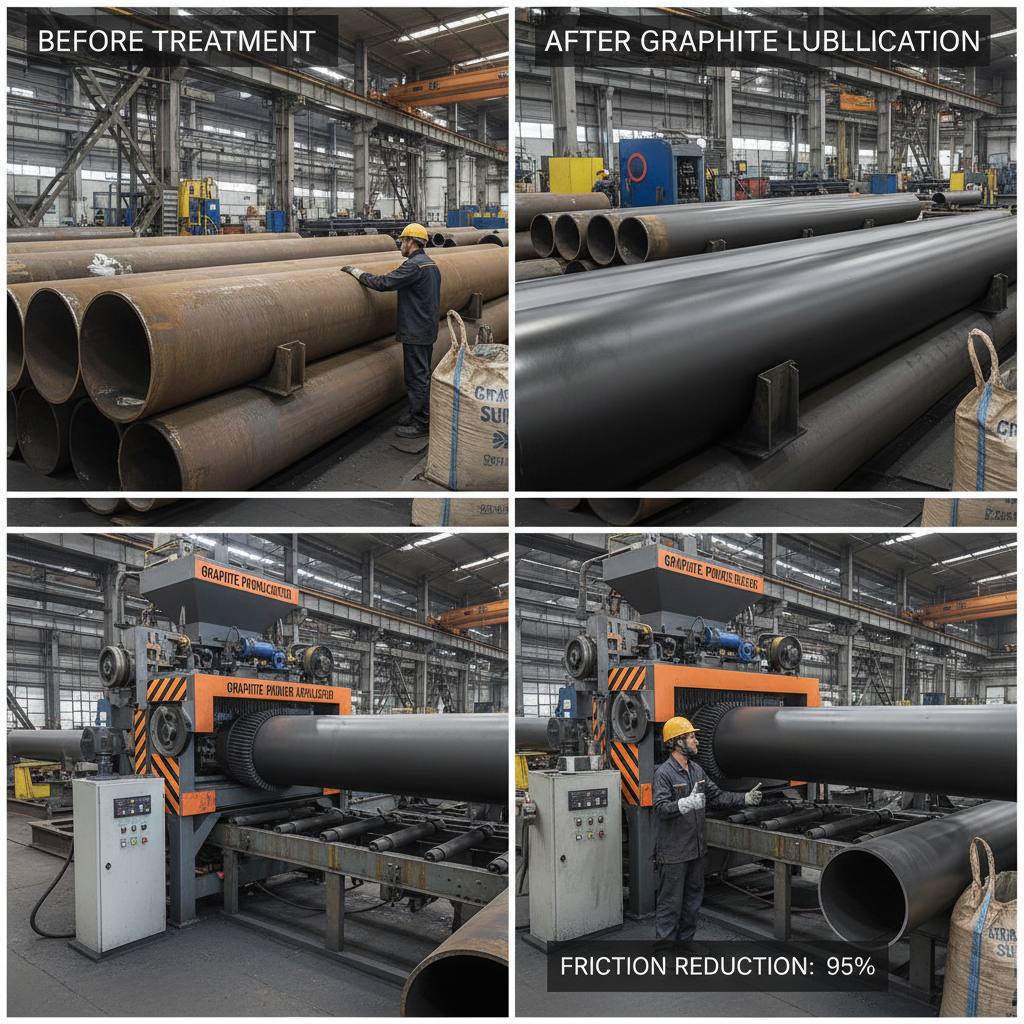
While carbon rods offer rigidity, graphite is known for its lubricating properties (due to its flaky structure) and reduced friction, essential in precision machining or lubricated bearings.
6. Application Versatility
Graphite fits better where moderate strength with heat and thermal shock resistance is necessary. Carbon rods dominate situations requiring toughness and dimensional stability, often in harsher mechanical conditions.
Mini takeaway:
Choosing between carbon rod vs graphite isn’t cut and dried — it’s a balancing act between strength, heat tolerance, conductivity, and cost.
Global Applications and Real-World Use Cases
Industries worldwide have integrated these materials into crucial roles:
- Energy Storage: Graphite is the go-to for lithium-ion battery anodes worldwide, powering EVs and portable devices. Carbon rods, meanwhile, serve as electrodes in various industrial batteries and electrolysis setups.
- Metal Evaporation and Casting: Carbon rods often act as heating elements or electrodes in metal smelting, especially in regions like China and Russia where heavy industry is booming.
- Electronics: Graphite’s thermal conductivity helps keep components cool in high-performance circuits globally, from Silicon Valley to Shenzhen.
- Industrial Machinery: Both materials are part of wear-resistant parts, with graphite’s lubricity reducing downtime in manufacturing plants.
- Research and Aerospace: Advanced carbon rods customized with fibers show up in aerospace for lightweight, durable structural elements.
For example, after the 2015 Nepal earthquake, relief organizations used portable graphite electrodes in water purification setups to quickly restore critical infrastructure, demonstrating the social impact alongside industrial use.
Product Specification Table
| Feature | Carbon Rod | Graphite |
|---|---|---|
| Typical Density (g/cm³) | 1.75 - 1.85 | 2.1 - 2.3 |
| Thermal Conductivity (W/m·K) | 120 - 170 | 150 - 200 |
| Electrical Conductivity (S/m) | ~10⁴ | ~10⁵ |
| Tensile Strength (MPa) | 40 - 80 | ~20 - 40 (brittle) |
| Max Operating Temp (°C) | ~3000 (inert) | ~3600 (inert) |
| Common Uses | Electrodes, rods for machinery, medical tools | Lubricants, battery anodes, heat shields |
Top Carbon Rod vs Graphite Vendors: A Quick Comparison
| Vendor | Materials Offered | Global Reach | Customization | Sustainability Initiatives | Price Range |
|---|---|---|---|---|---|
| NL Graphite | Graphite, Carbon Rods, Custom Composites | Worldwide | High | Recycled materials, low energy process | $$ - $$$ |
| Carbon Tech Inc. | Carbon Rods, Fibers | North America, Europe | Medium | Carbon offset programs | $ - $$ |
| GraphTech Supplies | Graphite Electrodes, Blocks | Asia, South America | Low | Focus on renewable energy | $$ |
Advantages and Long-Term Value of Carbon Rods and Graphite
When you really think about it, the differences in material properties translate directly to saving time, money, and sometimes even lives. For example:
- Cost Savings: Carbon rods typically come cheaper and can be manufactured quickly, enabling faster project turnarounds.
- Reliability: Graphite’s heat resistance reduces breakdowns in harsh settings, meaning fewer shutdowns.
- Sustainability: Advances in recycling graphite and greener carbon fiber production help reduce industrial carbon footprints.
- Innovation: New composite blends allow combining the best traits of both materials to meet tough engineering challenges.
- Social Impact: In humanitarian tech, such as water purification or medical devices, choosing the right electrode or conductive rod can mean crucial reliability in austere zones.
Emotionally, trusting your equipment to these materials can foster peace of mind. Logically, it makes sense to match the material to the application rather than defaulting to one or the other.
Peeking Ahead: Future Trends & Innovations
Going forward, we’re seeing:
- Hybrid Materials: Carbon-graphite composites designed for ultra-lightweight and high-strength applications in aerospace and sports gear.
- Eco-friendly Manufacturing: Bio-derived carbon rods and more efficient graphite synthesis aiming for circular economy practices.
- Digital Fabrication: 3D printing of custom graphite and carbon parts is revolutionizing prototyping and small-batch manufacturing.
- Energy Storage Advances: Exploration of new electrode configurations combining graphite’s conductivity with carbon’s strength for longer life batteries.
If you follow materials science, you’ll know innovation never sleeps — and these trends promise not only better products but a gentler footprint on our planet.
Challenges and How Experts Are Tackling Them
Of course, it’s not all smooth sailing. Common challenges include:
- Brittleness of Graphite: Graphite can fracture easily under mechanical stress, limiting its use in certain environments.
- Manufacturing Costs: Producing high-purity graphite remains pricey compared to plain carbon rods.
- Environmental Concerns: Energy-intensive processes for synthetic graphite and carbon fiber raise sustainability questions.
Yet, researchers are developing novel toughened graphite composites and more efficient manufacture techniques — like microwave-assisted synthesis or recycling initiatives — to address these issues. This kind of progress means the carbon rod vs graphite conversation is really an evolving story.
FAQ: Practical Questions about Carbon Rod vs Graphite
- Q1: Which is better for high-temperature electrical applications, carbon rod or graphite?
- Graphite usually excels here because of its superior thermal stability and electrical conductivity, especially at temperatures exceeding 2000°C. Carbon rods may degrade faster unless specifically engineered for heat resistance.
- Q2: Are carbon rods or graphite more cost-effective for large-scale industrial use?
- Carbon rods tend to be more cost-effective due to simpler manufacturing processes and wider availability. However, the higher durability and performance of graphite can justify its cost for demanding applications.
- Q3: Can either material be recycled or reused?
- Yes. Graphite recycling programs exist, especially in battery manufacturing industries. Carbon rods can sometimes be reclaimed depending on the purity and composite content. Sustainable sourcing is becoming a priority.
- Q4: How do carbon rods and graphite compare environmentally?
- Both have environmental footprints, but advances in synthetic methods and recycling are making both greener. Generally, recycled graphite and bio-based carbon are leading toward more sustainable options.
- Q5: Are there safety concerns when handling these materials?
- Handling carbon rods and graphite generally poses minimal hazard, but powder or dust forms can be respiratory irritants. Industrial settings usually adopt protective measures accordingly.
Final Thoughts: Why Understanding Carbon Rod vs Graphite Pays Off
To wrap it up, the choice between carbon rods and graphite isn’t just a technicality — it’s a key factor in how industries innovate, save costs, and move toward sustainability. Whether you’re designing the next generation of batteries, building heavy machinery, or piecing together cutting-edge aerospace parts, having a solid grasp on carbon rod vs graphite can really give you an edge.
Curious to explore quality, customizable options? Visit our website to learn more about cutting-edge carbon and graphite solutions tailored to your industry.
References
 Pervious
 Next
Next