

- Englist



Carbon Rod vs Graphite – Essential Industry Comparison & Buying Guide

Understanding Carbon Rod vs Graphite: A Practical Industry Comparison
If you’ve ever dealt with high-temperature equipment, electrical contacts, or even certain types of batteries, you’ve probably come across the terms carbon rod and graphite. Oddly enough, while these materials share a similar base element, their roles and performance in industry are quite distinct, impacting everything from manufacturing efficiency to sustainability. Understanding the differences and advantages of carbon rods versus graphite components doesn’t just help engineers or product managers — it also matters globally, as these materials support crucial sectors like energy, electronics, and even humanitarian infrastructure.
Global Context: Why Carbon Rod vs Graphite Matters
As the world pushes towards greener energy and smarter tech, the materials powering these advances have to keep up. According to the International Organization for Standardization (ISO), carbon-based materials have seen a surge in industrial use, especially in sectors aiming to reduce environmental footprints.
However, concerns around reliability, cost, and performance optimization remain. For instance, the electrical conductivity and durability of carbon rods or graphite elements are pivotal for things like electric arc furnaces or lithium-ion battery electrodes — sectors critical to clean energy and digital infrastructure. This tension raises the question: which material is better suited for which application? It’s a problem many industries grapple with, as each can distinctly influence operational costs and product lifespan.
Defining Carbon Rod vs Graphite
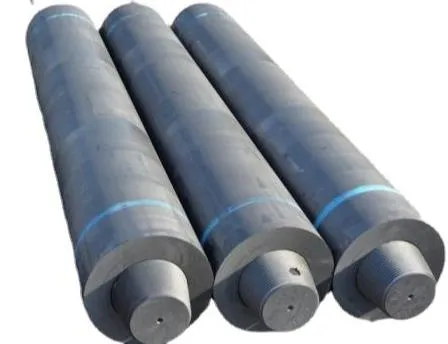
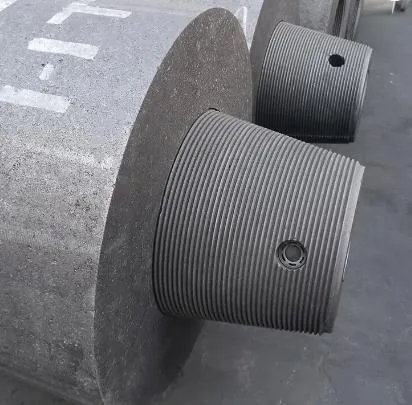
To keep things simple, carbon rods typically refer to rods made from various forms of carbon, sometimes with additives or binders, often used as electrodes or conductors. In contrast, graphite — a crystalline form of carbon — is prized for its layered structure that offers high thermal resistance and excellent conductivity.
Graphite components may be manufactured as rods, blocks, or powders, depending on the use case. You could think of carbon rods as a broader category that may or may not have the same crystalline purity or structure as graphite.
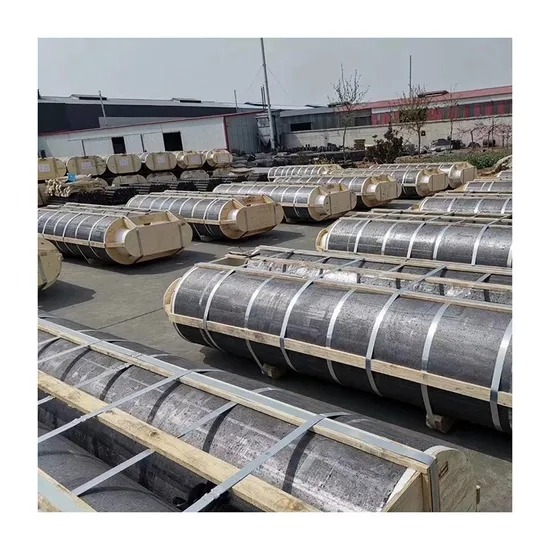
Both, interestingly, stand at the heart of modern industry — from electric motor brushes to high-temperature furnace linings — and can even aid humanitarian efforts. For example, reliable graphite electrodes can be critical in producing steel for disaster relief equipment.
Core Components of Carbon Rod vs Graphite
1. Durability
Graphite tends to shine here due to its strong covalent bonding within layers, granting it exceptional resistance to thermal shock and chemical erosion. Carbon rods can vary widely depending on their composition, some being more brittle.
2. Thermal & Electrical Conductivity
Graphite’s layered structure allows electrons to move freely, providing superior conductivity that's vital in high-electrical load environments. Carbon rods generally provide good conductivity but might lag behind in high-demand scenarios.
3. Cost Efficiency
Carbon rods are often less costly to produce, especially when made from more impure carbon sources or with binders. Graphite, on the other hand, especially high-purity types, commands a premium but may offer better lifecycle cost efficiency.
4. Scalability
Both materials are scalable but sourcing pure graphite, particularly synthetic graphite, requires more controlled industrial processes — which may limit availability in some regions.
5. Environmental Impact
Graphite can be more sustainable when sourced or produced synthetically, minimizing mining impacts. Raw carbon sources for rods might involve more variable environmental footprints.
Global Applications and Use Cases
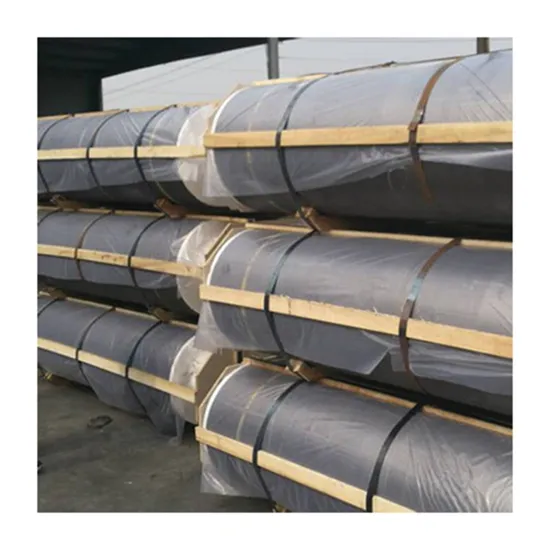
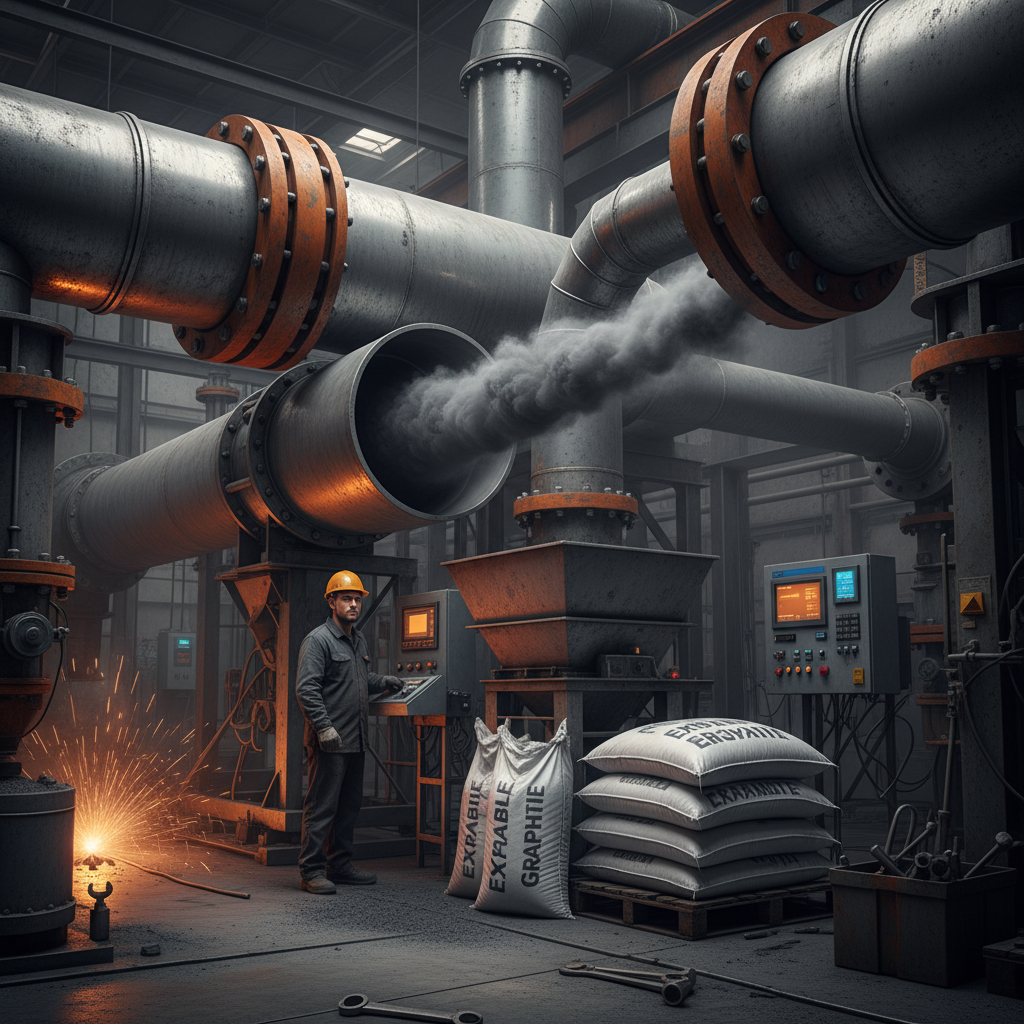
In real terms, industries globally leverage these materials in distinct ways. Steel manufacturing plants across Asia and Europe rely heavily on graphite electrodes to sustain electric arc furnace operations. Meanwhile, carbon rods often find themselves embedded in electrical brushes or lightweight battery applications in North America.
Post-disaster relief efforts, too, require resilient materials for manufacturing durable components like power cables or structural reinforcements, where the choice between carbon rods and graphite can impact quality and speed of deployment.
In remote industrial zones, particularly where importing specialty materials is challenging, the versatility and lower cost of carbon rods make them a popular pick — yet, companies aiming for long-term reliability invest in graphite despite a higher upfront cost.
Advantages and Long-Term Value
In the long run, graphite’s durability and conductivity translate into less frequent replacements, reduced downtime, and better process stability — all nice on the ledger and for peace of mind. Carbon rods, while providing a more affordable entry point, sometimes need more frequent swapping.
From a sustainability angle, synthetic graphite production, especially when coupled with renewable-energy-powered facilities, leads to a smaller carbon footprint compared to traditional mining-intensive carbon rod production.
Emotionally, industries trust graphite when safety, reliability, and longevity matter — which in turn, uplifts brand reputation and employee confidence.
Future Trends & Innovations
Looking ahead, I suppose the biggest shifts for carbon rod vs graphite will revolve around advancements in nanotechnology and green manufacturing. For instance, producing graphene-enhanced graphite materials could redefine conductivity benchmarks, benefiting everything from flexible electronics to grid-scale batteries.
Automation and digital monitoring of electrode wear are also starting to change maintenance landscapes, potentially making high-cost graphite products more cost-effective by predictive upkeep.
Challenges & Solutions
All materials face limitations: some graphite supplies are vulnerable to geopolitical constraints and environmental concerns; carbon rods sometimes fall short in heavy-duty environments. Industry experts actively explore composite materials and recycling methods to tackle these.
FAQ: Frequently Asked Questions About carbon rod vs graphite
- What makes graphite rods more suitable for high-temperature applications?
- Graphite’s crystalline layers provide outstanding thermal resistance, enabling it to function reliably at temperatures far exceeding those tolerable by typical carbon rods.
- Can carbon rods be used in battery electrodes?
- Yes, but usually in low-load or less demanding battery types, because graphite’s superior conductivity makes it the preferred material in high-performance batteries.
- How do environmental concerns affect material choice?
- Graphite, especially synthetic varieties, can be produced with lower environmental impact than mined carbon sources, which affects decisions by sustainability-focused companies.
- Are suppliers able to customize carbon rods?
- Yes, many vendors offer tailored carbon rod products, adjusting factors like size, purity, and binder content to meet specific industry specs.
Conclusion + Call to Action
So, when it comes to carbon rod vs graphite, each option offers unique benefits tailored to different industrial needs, budgets, and sustainability goals. Knowing the nuances helps you choose smartly, fueling better outcomes in manufacturing, energy, and beyond.
If you’d like to explore top-quality carbon rods and graphite products backed by real expertise, check out NLGraphite – they’ve got solid options and know the field inside out.
 Pervious
 Next
Next